
molens; oliemolen Het Leven, Oostzaandam — History & Facts
What if silence could speak through light? In a world often marked by violence, the stillness of a moment can resonate with a profound intensity, capturing both beauty and tension. Look closely at the dark silhouettes of the oil mill against a muted sky. The composition invites your eye to traverse the horizon, where the windmill's towering blades slice through the air, their stillness belying the energy of the landscape. Notice how the somber palette—grays and browns, with hints of ochre—conveys a sense of inevitability, as if the machinery’s quiet presence whispers stories of labor and hardship while longing for the light that barely filters through the clouds. In the foreground, the tranquil waters reflect the mill, creating an uneasy duality between calmness and the underlying unease of industrial progress.
The juxtaposition of the serene landscape against the looming structure hints at the violence of change, the relentless march of time that threatens to disrupt the natural order. This tension invites contemplation on the cost of advancement, flickering between admiration for human ingenuity and a somber acknowledgment of its darker implications. Johannes Nicolaas Eijman painted this piece in the tumultuous years of 1930 to 1940 in the Netherlands, a time marked by economic instability and the rising specter of war in Europe. As modernity clashed with tradition, his work reflects not only the aesthetic values of the period but also a palpable sense of foreboding that permeated the artistic community, as artists grappled with the realities of a world on the brink of transformation.
More Artworks by Johannes Nicolaas Eijman
Browse all →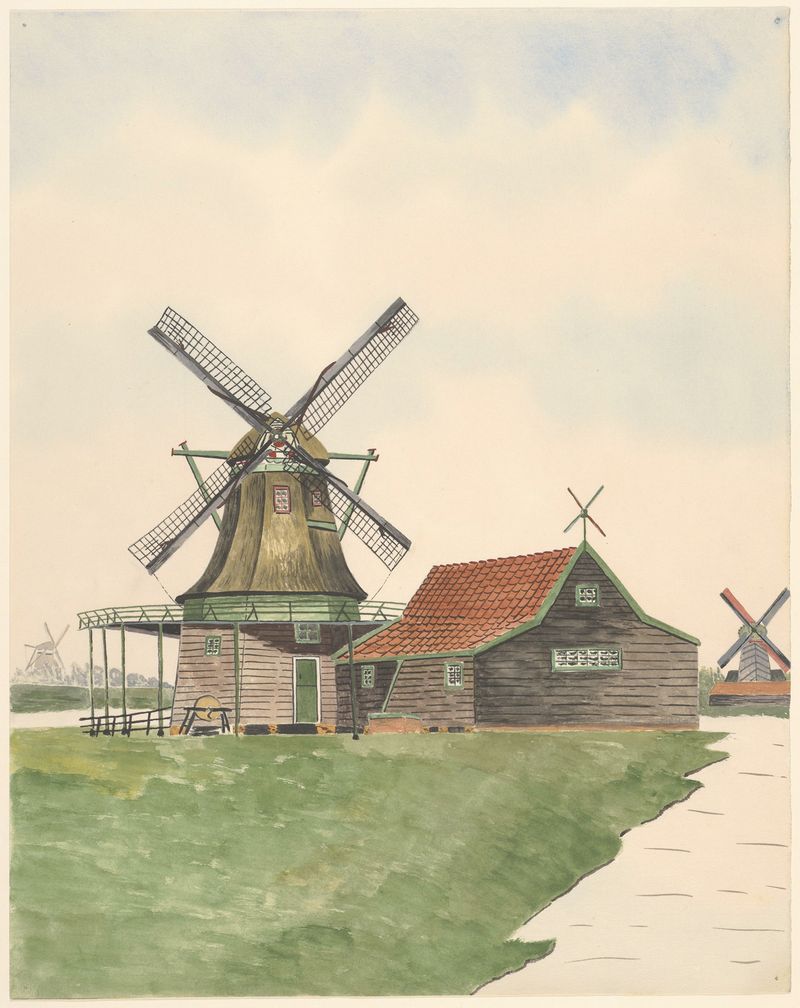
molens; oliemolen De Olievos, aan de Papenpadsloot, gesloopt 1878
Johannes Nicolaas Eijman
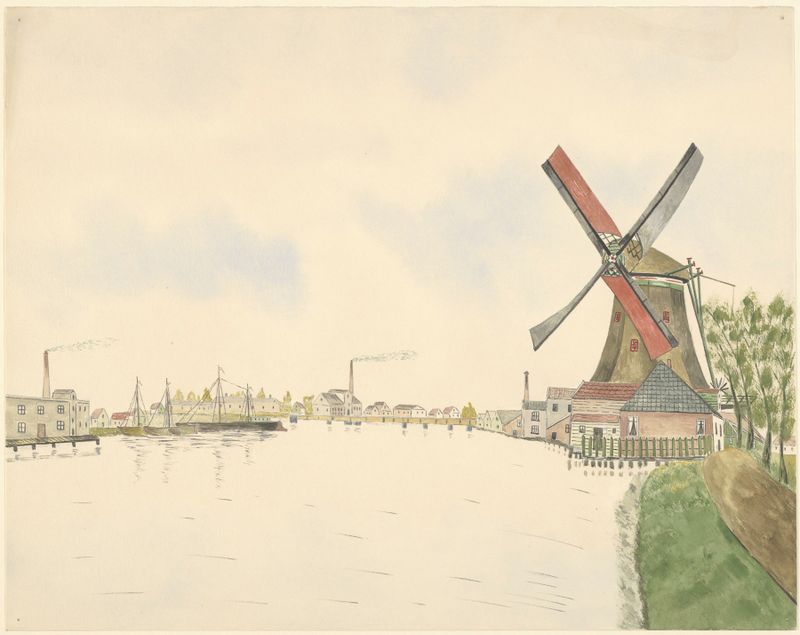
molens; meelmolen De Koker
Johannes Nicolaas Eijman

Papiermolen de Eendracht aan de westzijde van het Zaandammerpad, Wormer
Johannes Nicolaas Eijman
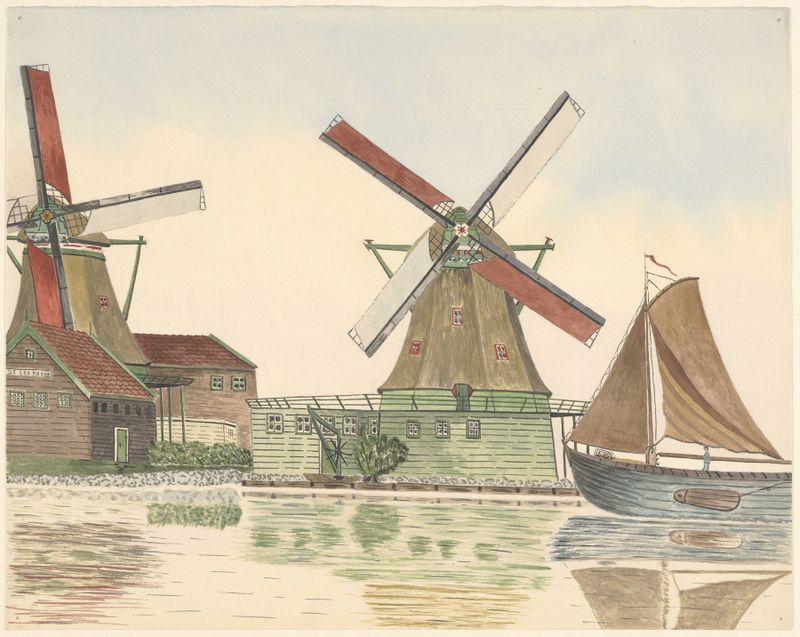
molens; oliemolen De Oude-Zwan, aan de Kalverpoel
Johannes Nicolaas Eijman
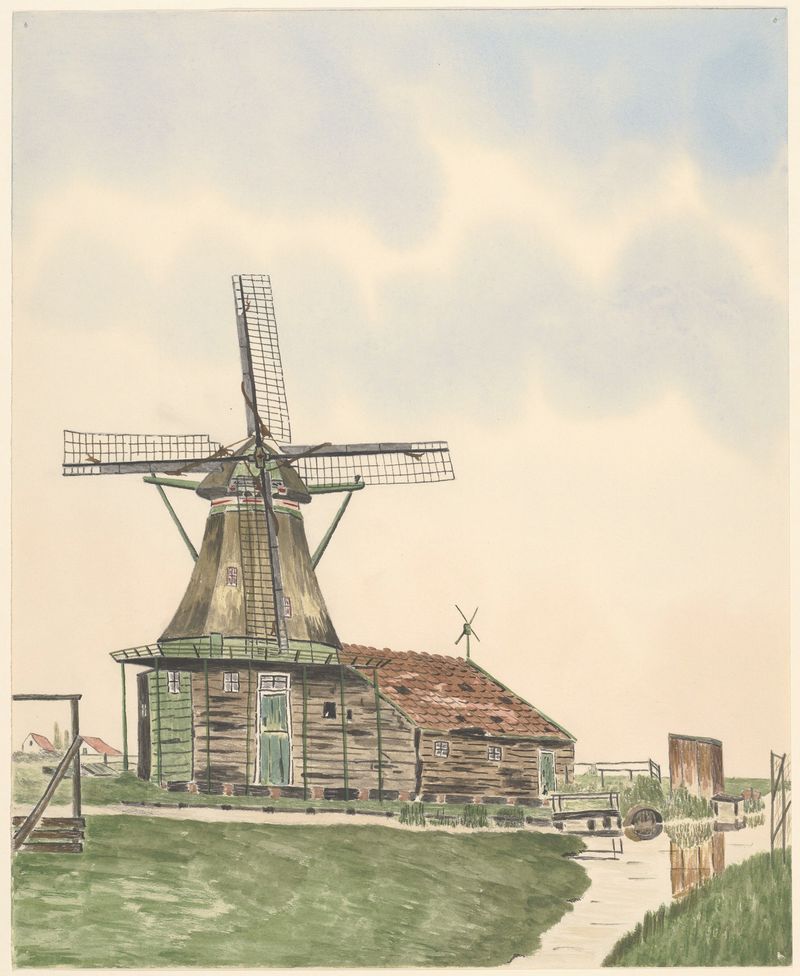
molens; oliemolen Het Oude-Honingvat, Oostzijderveld
Johannes Nicolaas Eijman
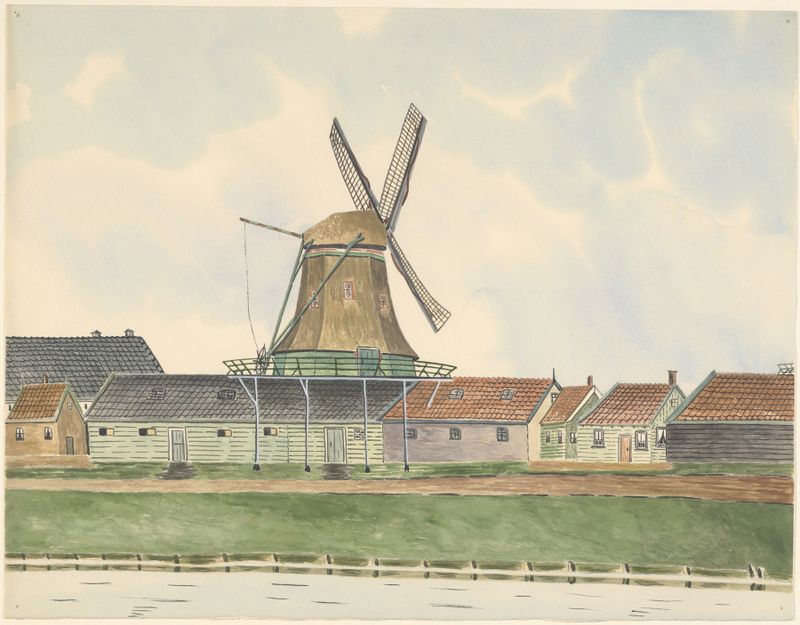
molen; oliemolen Het Witte-Paard aan het Zaandijkerwegje, 1893 gesloopt
Johannes Nicolaas Eijman

Op de voorgrond rechts doppenmolen De Prolpot aan de Hemmes, op de achtergrond links twee andere molens
Johannes Nicolaas Eijman
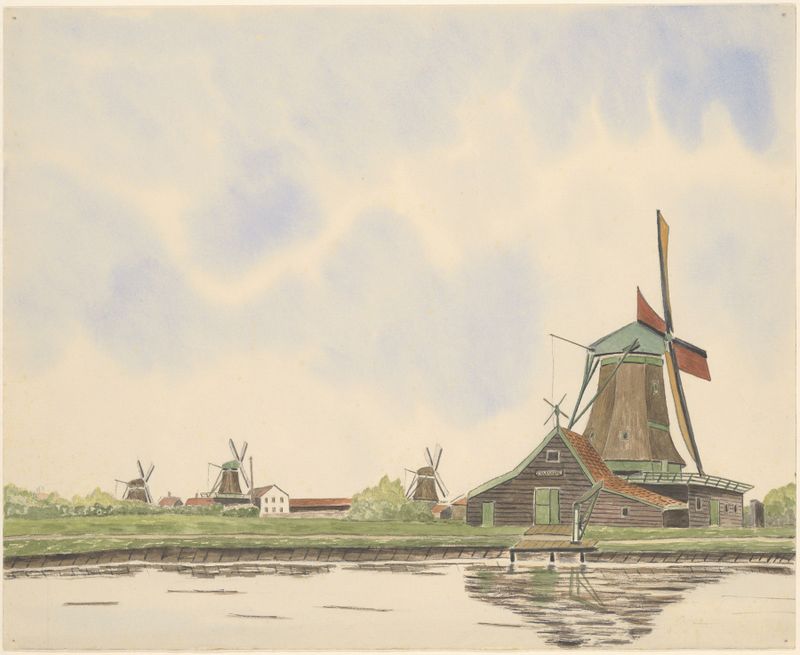
Oliemolen De Kerkuil aan de Zaan, met drie molens op de achtergrond. De Kerkuil stond binnendijks, tegenover de Wormerveerderkerk; afgebroken ca. 1892
Johannes Nicolaas Eijman
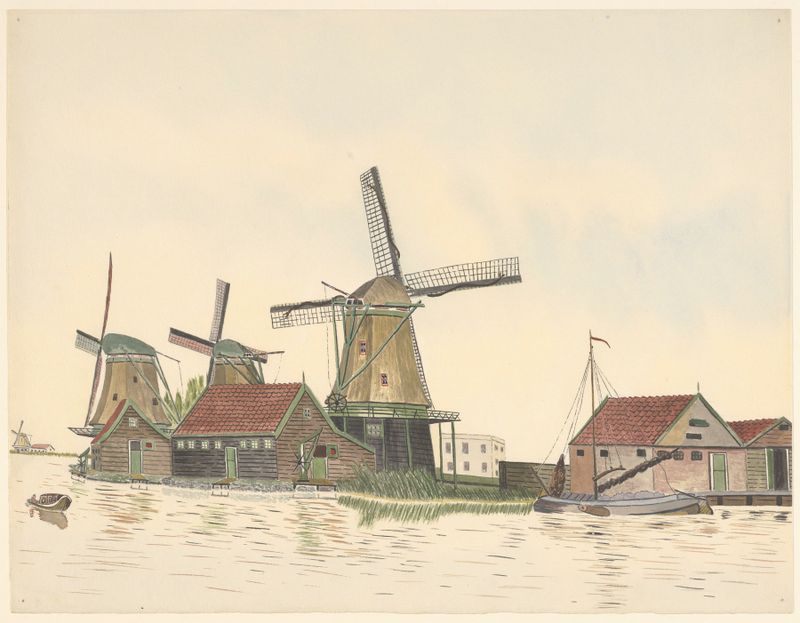
molens; De Ooievaar; De Windhond; De Gans, Kalverringdijk
Johannes Nicolaas Eijman
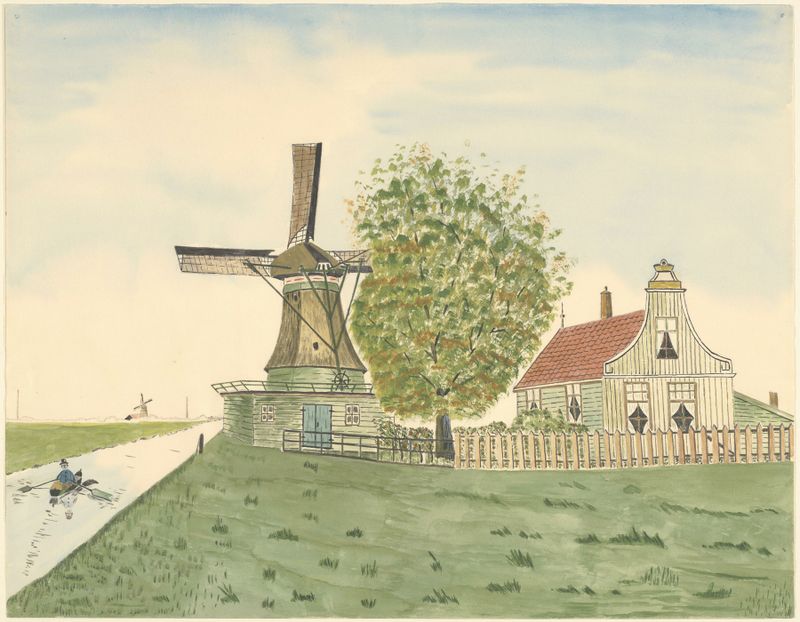
molens; houtzaagmolen De Haan
Johannes Nicolaas Eijman





