
molens; pelmolen De Grootvorst — History & Facts
Is this a mirror — or a memory? The silent water stretches beneath a solitary windmill, where the stillness envelops the scene like a shroud. The viewer is drawn into a moment that feels both familiar and haunting, echoing the solitude of a forgotten landscape. Look to the right at the towering silhouette of the windmill, its blades frozen in time against a gently overcast sky. Notice how the light dances across the water's surface, shimmering with fragmented reflections that seem to whisper secrets from the past.
The muted palette of greens and grays invites introspection, while the careful brushstrokes create a sense of texture, lending the scene an almost tactile quality. In this composition, contrasts emerge: the starkness of the solitary mill juxtaposed with the soft ripples of the water reflects themes of isolation and longing. The quiet surface hints at deeper currents beneath, suggesting a yearning for connection amidst a backdrop of abandonment. Each element carries weight—every blade of grass, each ripple carries a story of solitude that resonates with the observer, stirring a poignant sense of nostalgia. During the 1930s, while molens; pelmolen De Grootvorst took shape, Johannes Nicolaas Eijman navigated the complexities of post-war society in the Netherlands.
It was a time when many artists were reflecting on the themes of desolation and renewal, and Eijman’s work embodies this introspective movement. His focus on the landscape, particularly the windmills, speaks to a cultural identity that valued tradition even as the world around was shifting dramatically.
More Artworks by Johannes Nicolaas Eijman
Browse all →
molens; oliemolen De Olievos, aan de Papenpadsloot, gesloopt 1878
Johannes Nicolaas Eijman
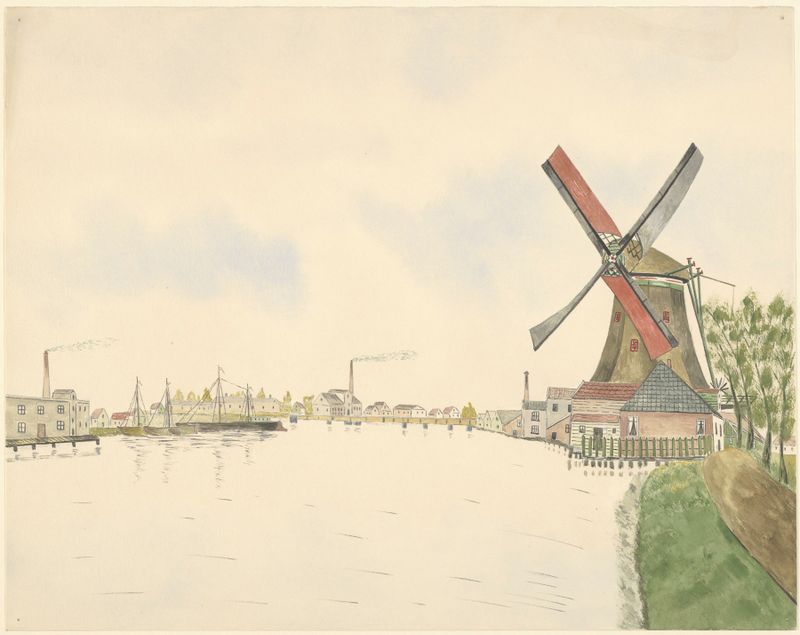
molens; meelmolen De Koker
Johannes Nicolaas Eijman

Papiermolen de Eendracht aan de westzijde van het Zaandammerpad, Wormer
Johannes Nicolaas Eijman
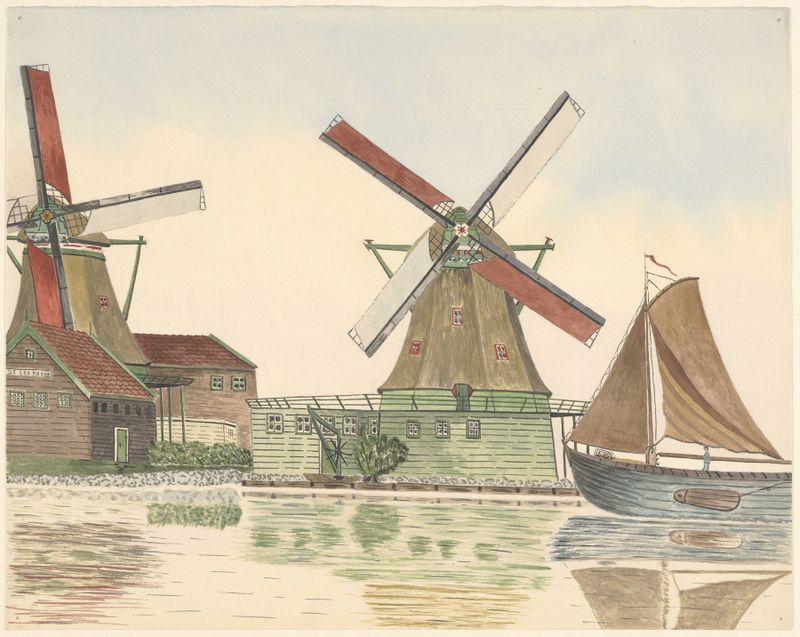
molens; oliemolen De Oude-Zwan, aan de Kalverpoel
Johannes Nicolaas Eijman
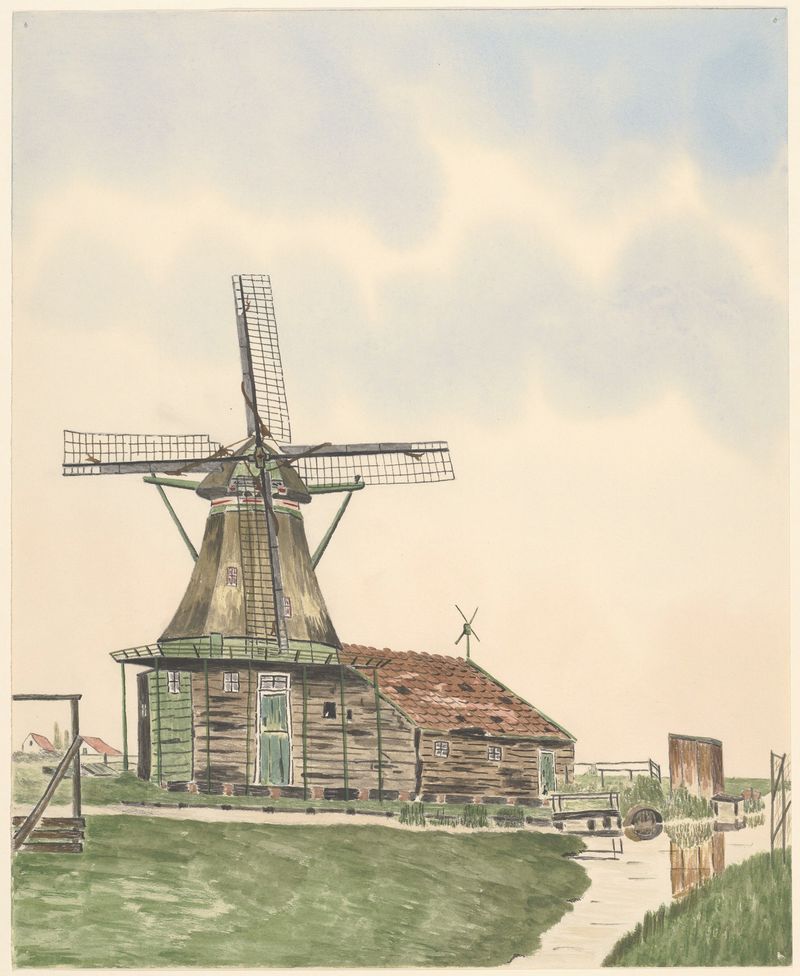
molens; oliemolen Het Oude-Honingvat, Oostzijderveld
Johannes Nicolaas Eijman
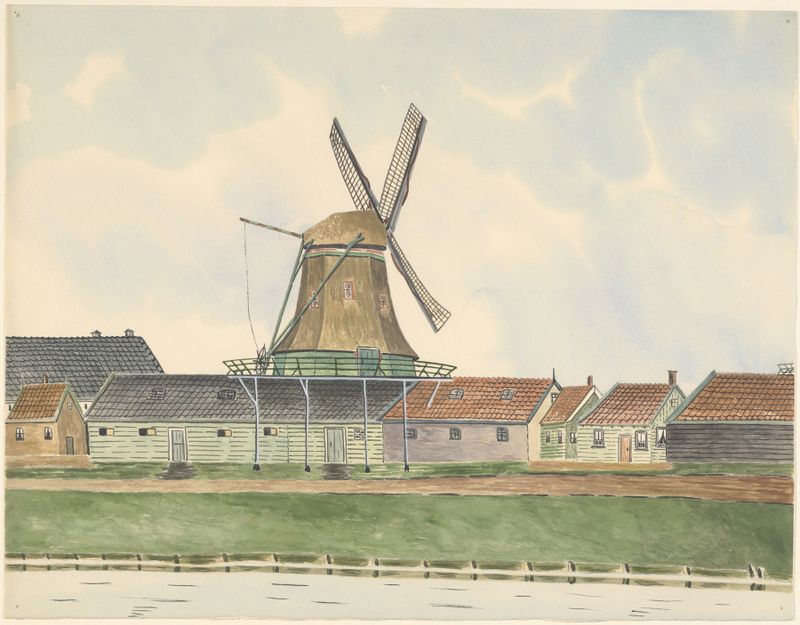
molen; oliemolen Het Witte-Paard aan het Zaandijkerwegje, 1893 gesloopt
Johannes Nicolaas Eijman

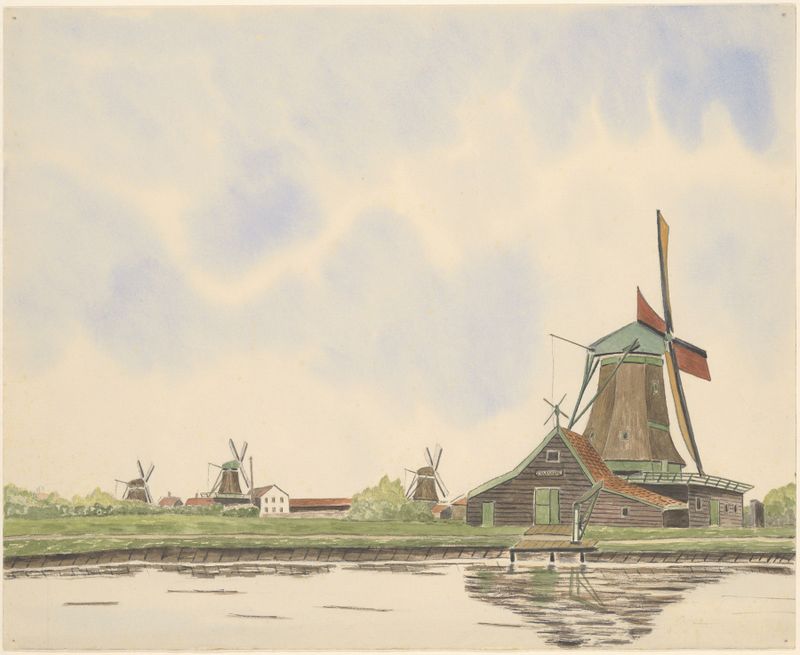
Op de voorgrond rechts doppenmolen De Prolpot aan de Hemmes, op de achtergrond links twee andere molens
Johannes Nicolaas Eijman
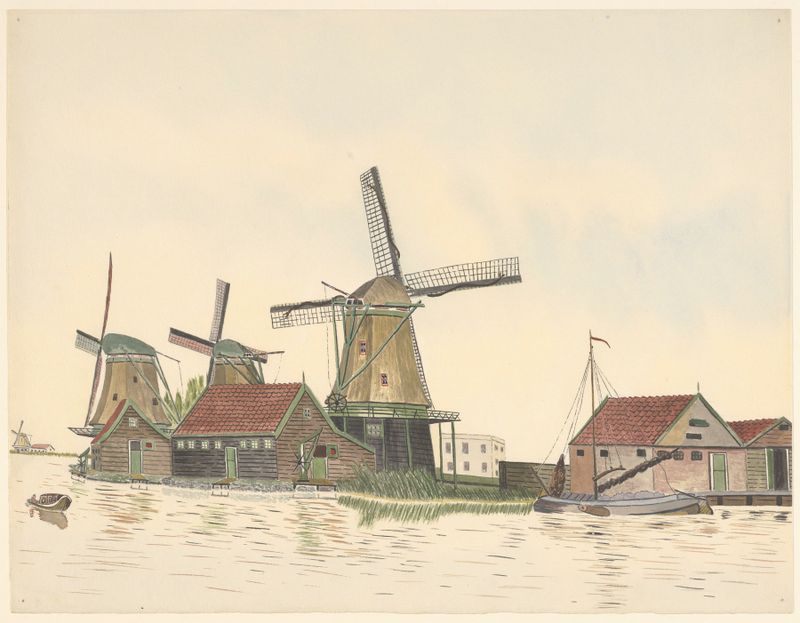
Oliemolen De Kerkuil aan de Zaan, met drie molens op de achtergrond. De Kerkuil stond binnendijks, tegenover de Wormerveerderkerk; afgebroken ca. 1892
Johannes Nicolaas Eijman
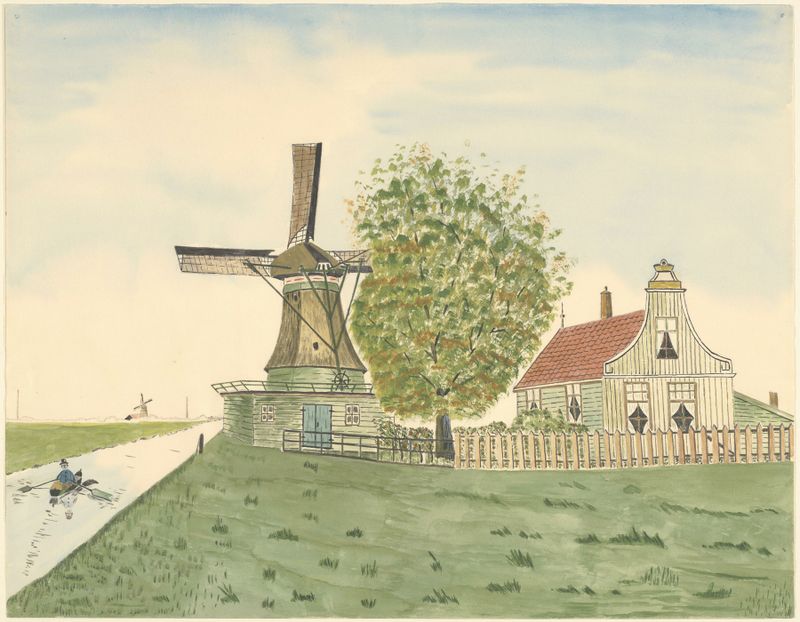
molens; De Ooievaar; De Windhond; De Gans, Kalverringdijk
Johannes Nicolaas Eijman
molens; houtzaagmolen De Haan
Johannes Nicolaas Eijman





