
Monstrans met Maria met kind en Hieronymus als boeteling met links David met het hoofd van Goliath en rechts Judith met het hoofd van Holofernes — History & Facts
Could beauty survive in a century of chaos? This question lingers in the viewer's mind as they gaze upon the intricate depths of a remarkable piece from the early 16th century. Look to the center and notice how the figures emerge from a carefully crafted composition. The radiant light cascades down upon them, illuminating their faces with a divine clarity that contrasts sharply against the somber, rich colors of the background. The artist employs meticulous attention to detail, from the delicate textures of the clothing to the serene yet powerful expressions on their faces.
Each element is a testament to the exceptional skill of its creator. Deeper meanings lay beneath the surface in this tableau. The juxtaposition of Judith and Holofernes with David and Goliath evokes the ongoing struggle between virtue and vice, reflecting societal tensions of the time. The light, seemingly a divine presence, suggests the hope for redemption amidst the darkness of human conflict.
This interplay of light and shadow is symbolic not only of moral choices but also of the shifting dynamics within Renaissance society, where beauty becomes a beacon in tumultuous times. Lucas Cranach painted this work between 1509 and 1549, during a period marked by political unrest and the Reformation’s upheaval in Europe. As a prolific artist in Wittenberg, Cranach became closely associated with Martin Luther and the emerging Protestant movement. This painting reflects his engagement with contemporary themes of morality, faith, and the human condition, encapsulating the spirit of an era that oscillated between chaos and enlightenment.
More Artworks by Lucas Cranach (I)
Browse all →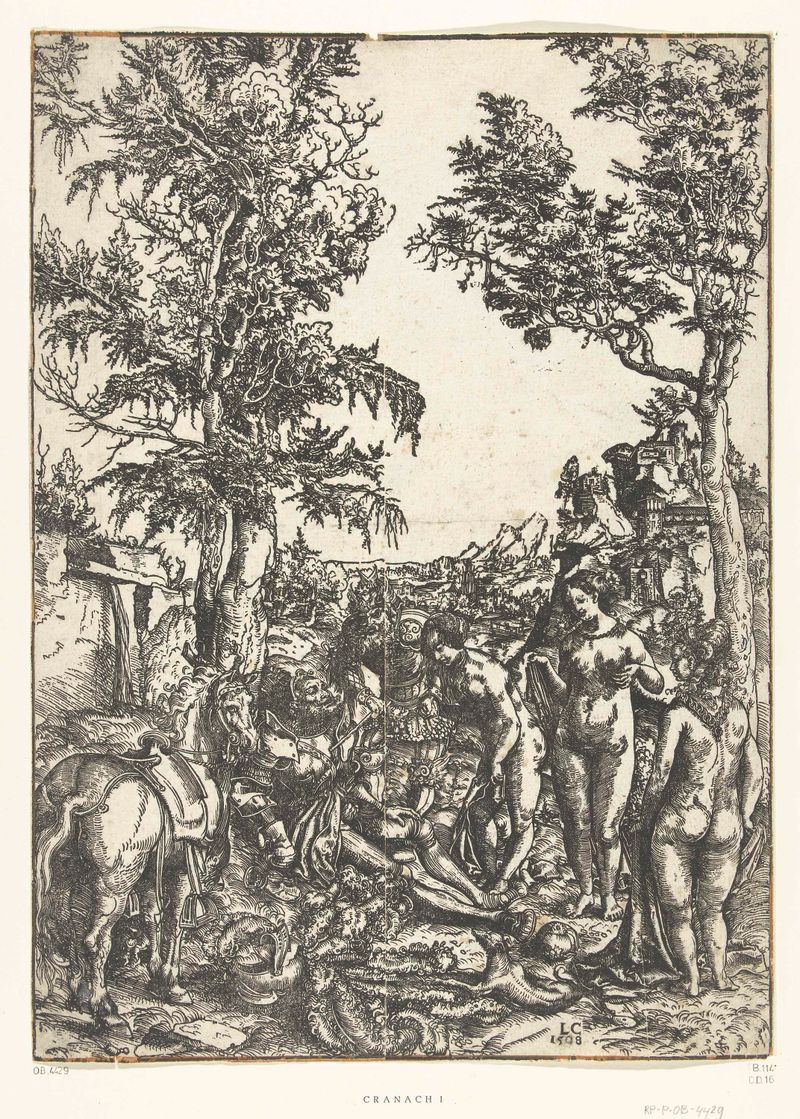
Oordeel van Paris
Lucas Cranach (I)
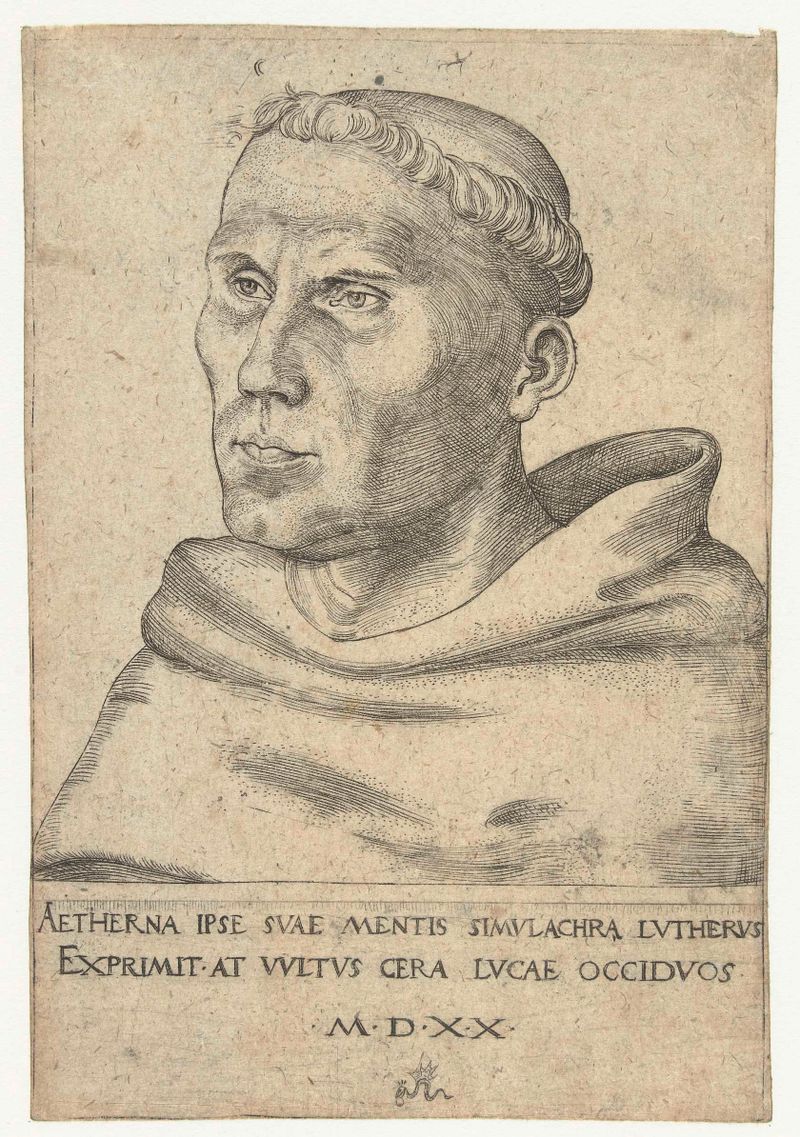
Portret van Martin Luther als Augustijner monnik
Lucas Cranach (I)
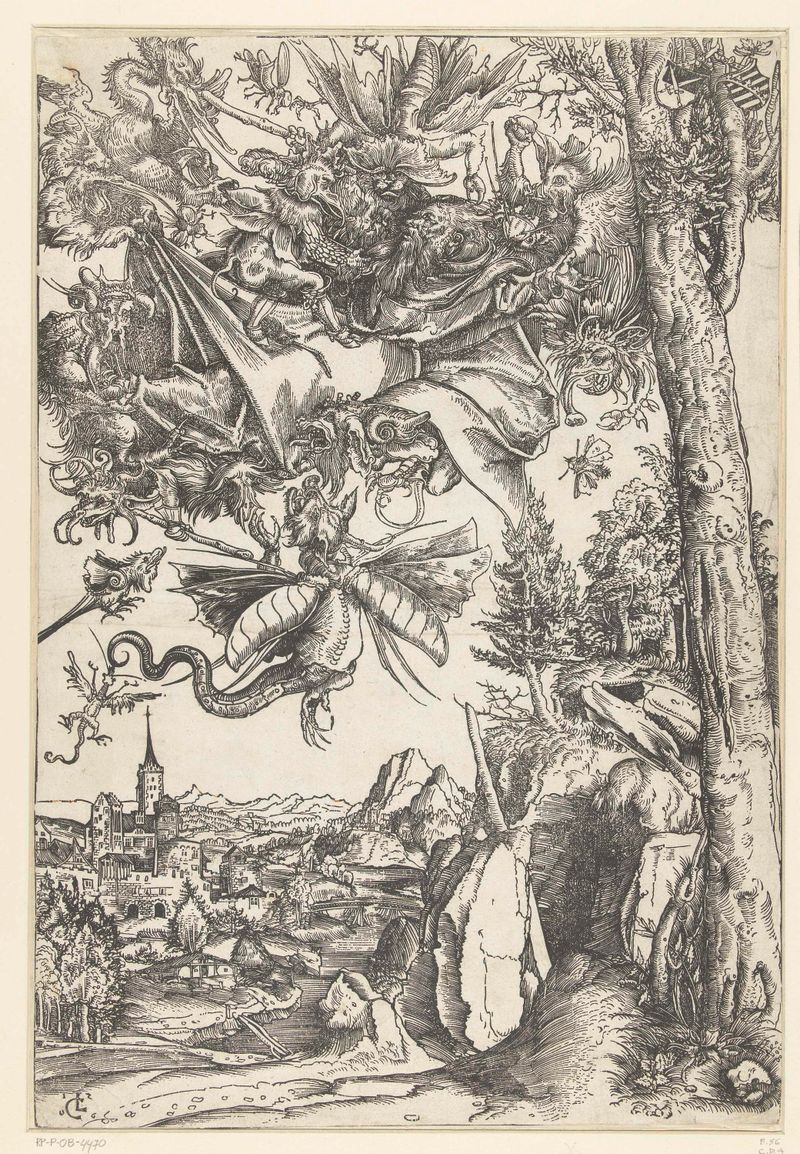
Verzoeking van Antonius met aanval door demonen
Lucas Cranach (I)

Christus en de Samaritaanse vrouw
Lucas Cranach (I)

Duits toernooi met twee edelmannen als ridders te paard
Lucas Cranach (I)
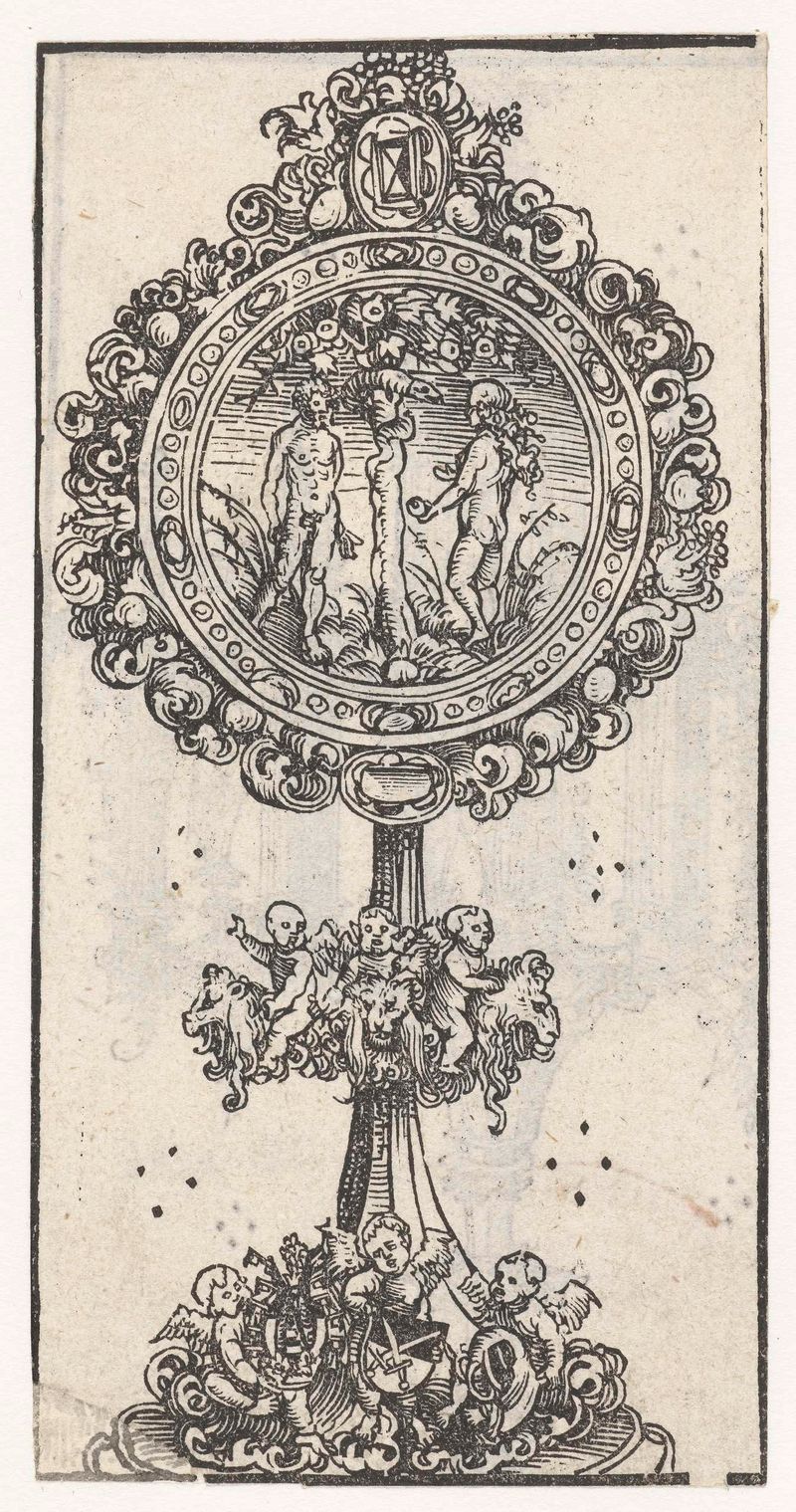
Reliekhouder met de verzoeking van Adam en Eva
Lucas Cranach (I)

Intocht van Christus in Jerusalem
Lucas Cranach (I)
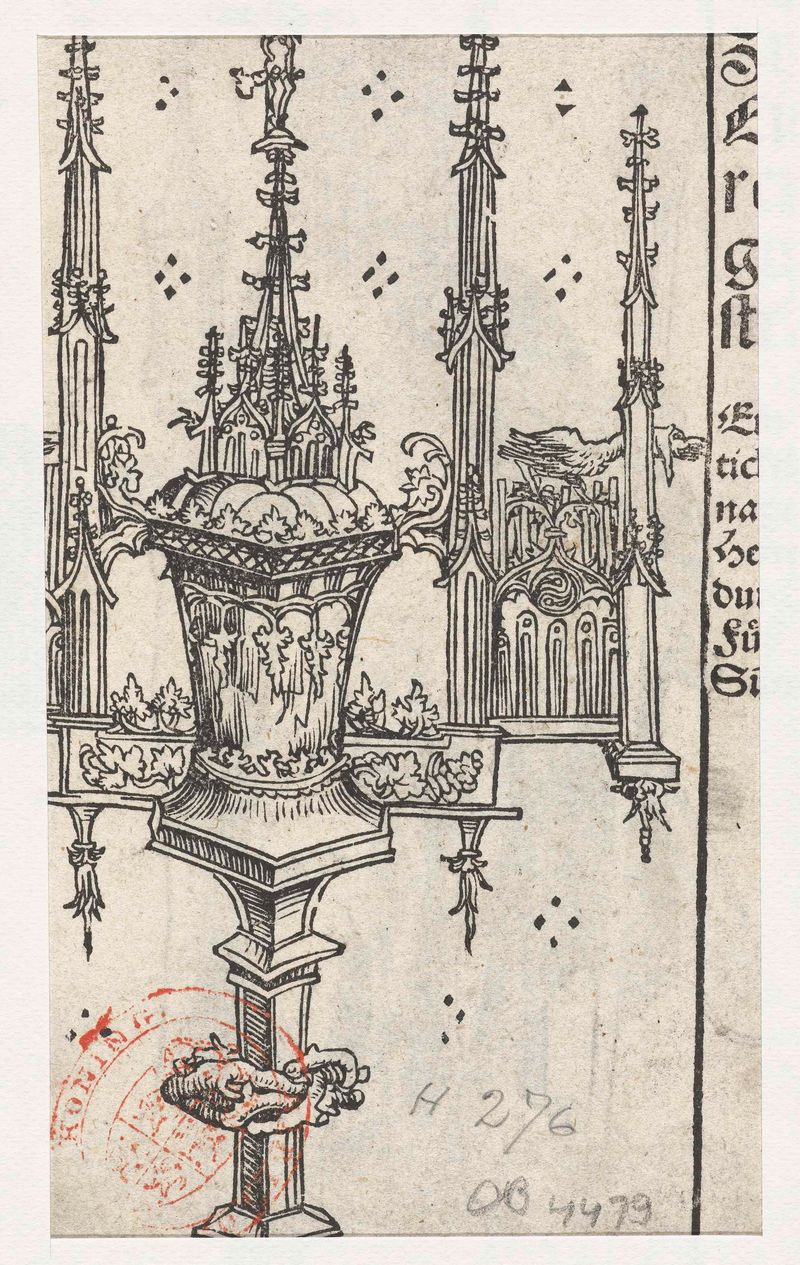
Monstrans met vogel (pelikaan)
Lucas Cranach (I)
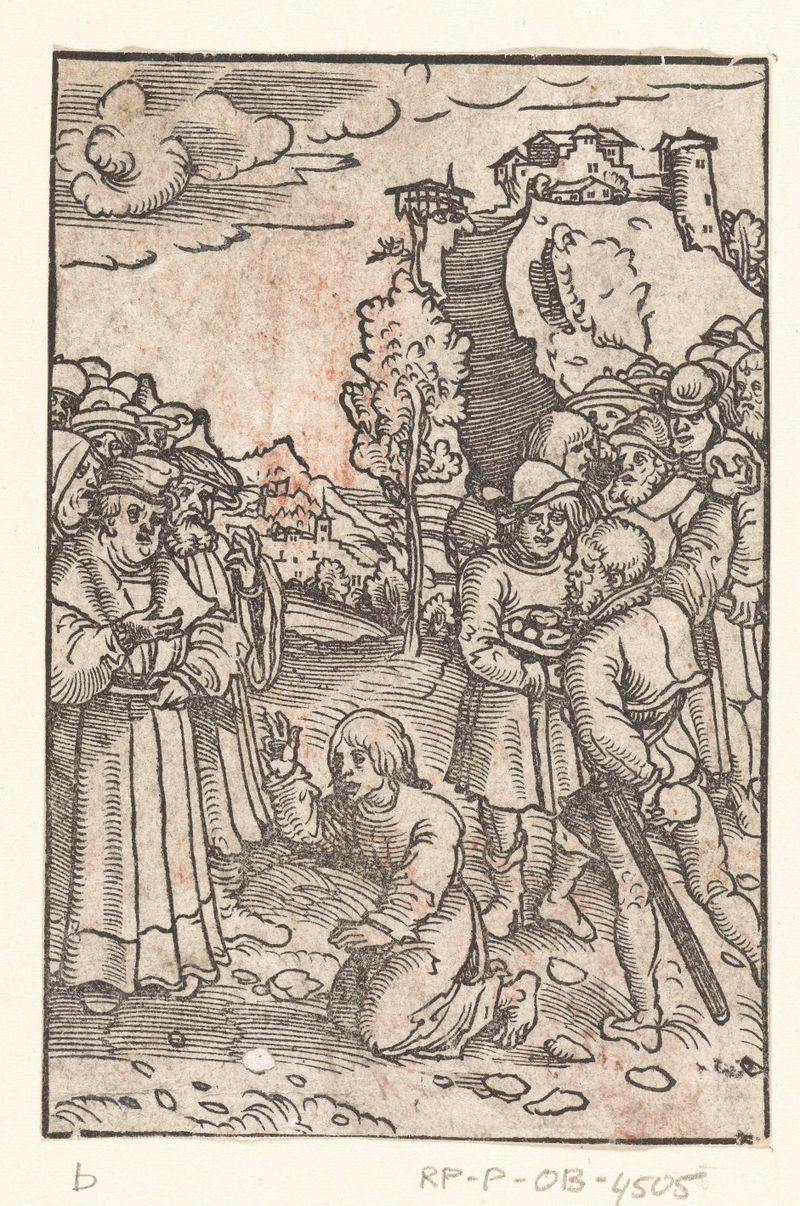
Steniging van Stefanus
Lucas Cranach (I)
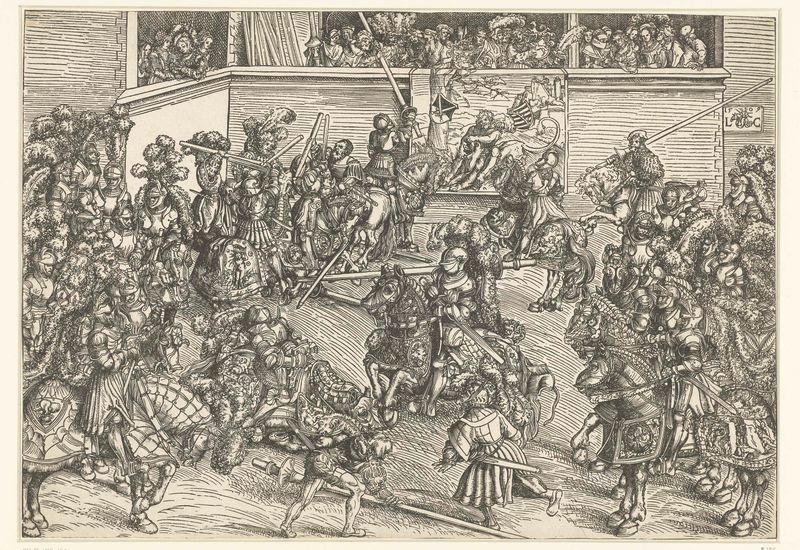
Toernooi van het keurvorstelijk hof van Saksen met wandtapijt Simson doodt de leeuw
Lucas Cranach (I)
More Religious Art
Browse all →
The Return of the Prodigal Son
Rembrandt van Rijn

The Garden of Earthly Delights
El Bosco

Count Orgaz’ funeral
El Greco

The Hundred Guilder Print: the central piece with Christ preaching, the plate arched
Rembrandt van Rijn

The Descent from the Cross
Rogier van der Weyden

The return of the prodigal son
Rembrandt van Rijn