
Mont Blanc, from the Col d’Anterne — History & Facts
Can beauty exist without sorrow? The majestic peaks of Mont Blanc, from the Col d’Anterne evoke a striking dialogue between nature’s grandeur and the weight of human experience, suggesting that legacy often carries the burden of loss. Look to the left of the canvas, where the sun-drenched snow caps glisten with a luminous white, catching the viewer's eye immediately. As you follow the contours of the mountains, notice how the subtle gradients of blue and gray intermingle in the shadows, conveying depth and the passage of time. The composition, with its careful balance of light and shadow, encapsulates the serene yet formidable presence of the mountain, while the surrounding valleys stretch out like scars, hinting at the enduring strength of nature amidst its vulnerability. Delve deeper and you’ll find that this artwork captures a profound contrast.
The idyllic beauty of the snow-capped peaks stands in stark relief to the brooding clouds that loom overhead, suggesting a tension between tranquility and turmoil. The serene landscape invites reflection, evoking a sense of awe while simultaneously whispering of the harsh realities that lie hidden in the crevices of those great heights, a testament to both nature’s artistry and its indifference to human plight. Elijah Walton painted this evocative piece in 1867, during a time when the Romantic movement was deeply influencing the art world, reflecting a shift towards exploring the sublime in nature. Living in a period marked by industrial upheaval and rapid change, Walton sought to explore the themes of legacy and permanence through his work, capturing the essence of landscapes that would forever mark the human spirit, even as they remained untouched by human hands.
More Artworks by Elijah Walton
Browse all →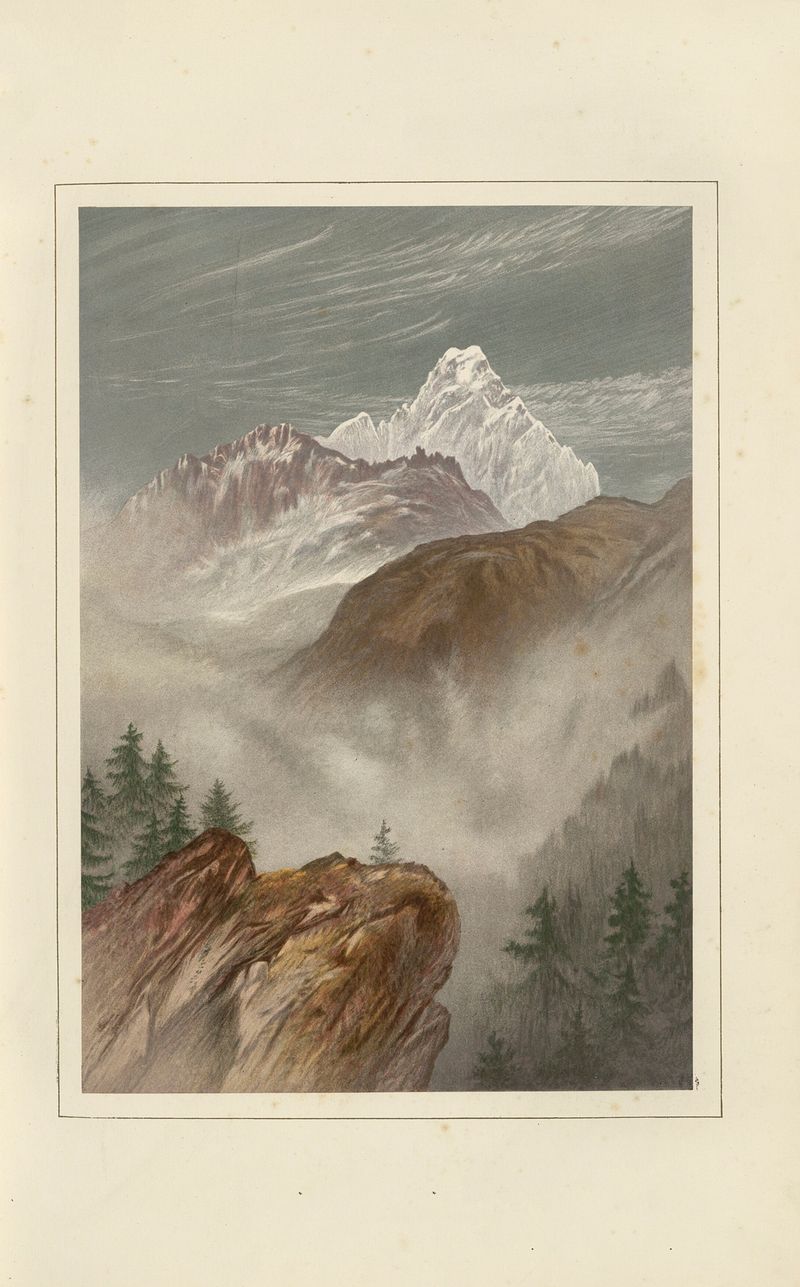
Monte Viso, from the south
Elijah Walton

The Matterhorn
Elijah Walton

The Gorner glacier
Elijah Walton

The Cascade de Roget and the Pointe de Salles
Elijah Walton
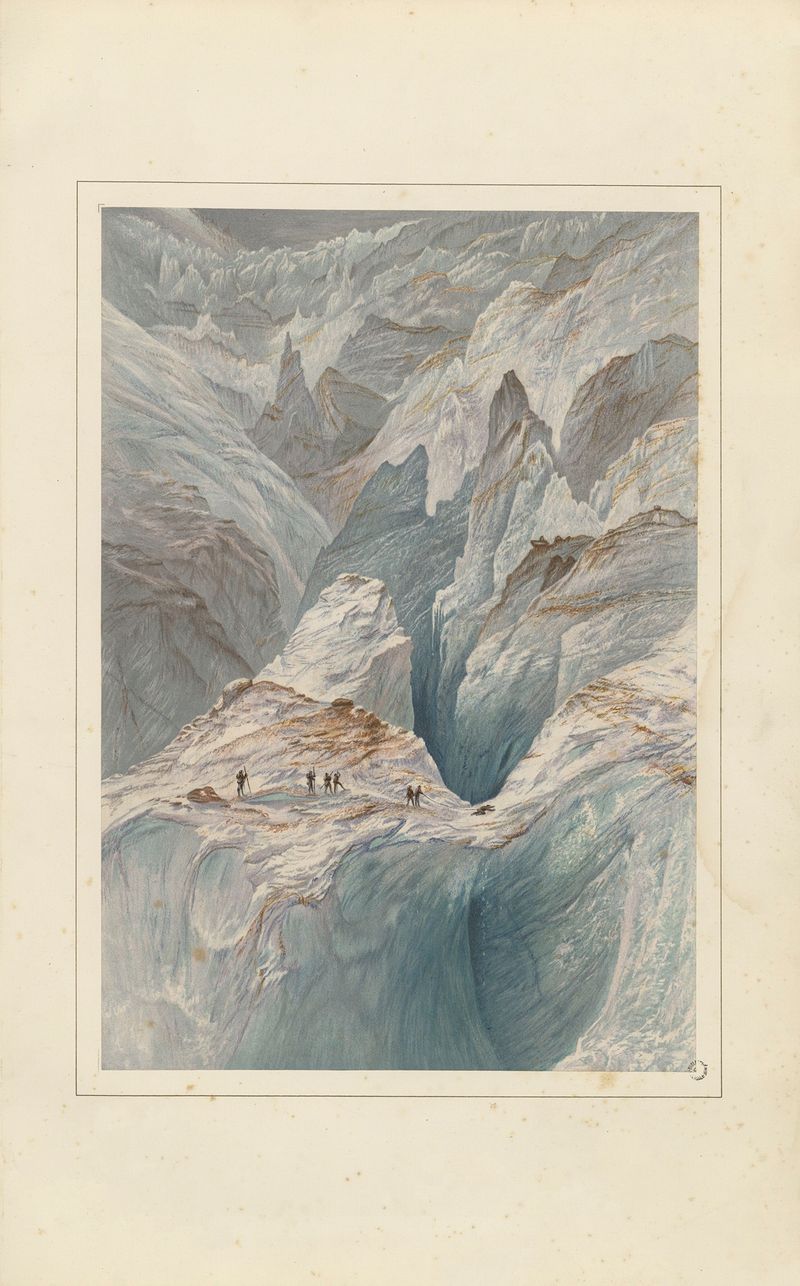
Crevasses on the Mer de Glace
Elijah Walton
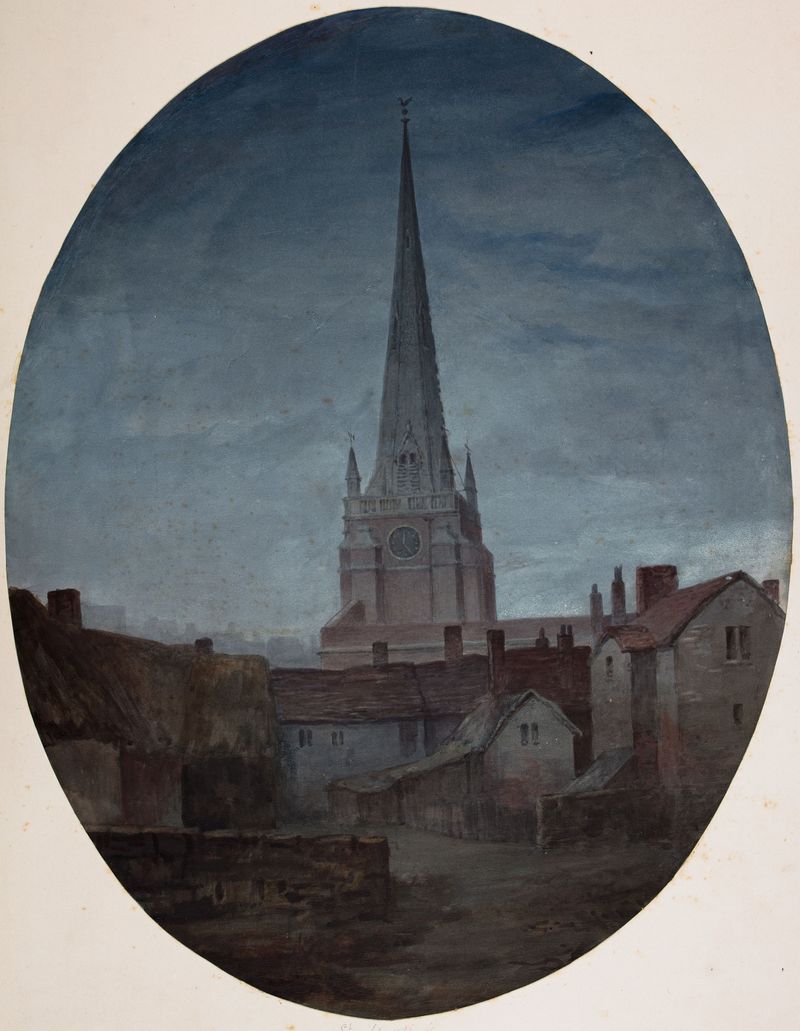
St Martin’s Church Birmingham, By Night
Elijah Walton

The Weisshorn, from near St. Niklaus
Elijah Walton

Monte Viso, from the Col de La Croix
Elijah Walton
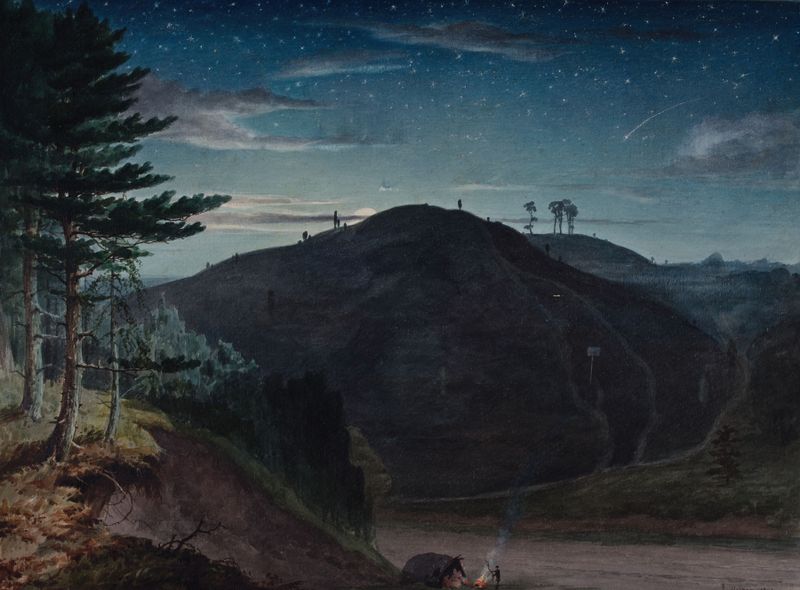
Cofton From Rednal, Moonlight
Elijah Walton
Lodge Gates, Entrance To Aston Hall
Elijah Walton





