
Monte-Cavo — History & Facts
In the delicate strokes of a master, a truth emerges from the wildness of nature, revealing the beauty that lies hidden beneath. Look to the center of the canvas, where a gentle scene unfolds—a serene landscape drawn with soothing greens and warm earth tones. The eye is drawn to the mountains, their majestic forms softened by a hazy atmosphere. Notice how the light filters through the clouds, casting a divine glow on the foliage, each brushstroke effortlessly highlighting the interplay of shadow and light, creating depth and tranquility. Yet beneath this idyllic surface lies a poignant contrast—the fleeting moments captured in time suggest both permanence and transience.
The shadows whisper of an impending dusk, while the vivid colors breathe life into the scene, urging the viewer to contemplate the tension between beauty and impermanence. Each element, from the towering trees to the distant hills, speaks to the evanescent nature of existence, a reminder of the delicate balance between chaos and order. During the years 1825 to 1828, Jean-Baptiste-Camille Corot was in the throes of developing his signature style, blending realism with the lyrical quality of impressionism. Working in France, he sought inspiration from the enchanting landscapes of Italy, reflecting a transitional period in the art world where the Romantic ideals were giving way to a more nuanced appreciation for nature and light.
It was a time when artists began to embrace the emotional power of landscapes, forever changing the perception of the natural world in art.
More Artworks by Jean-Baptiste-Camille Corot
Browse all →
View of Genoa
Jean-Baptiste-Camille Corot
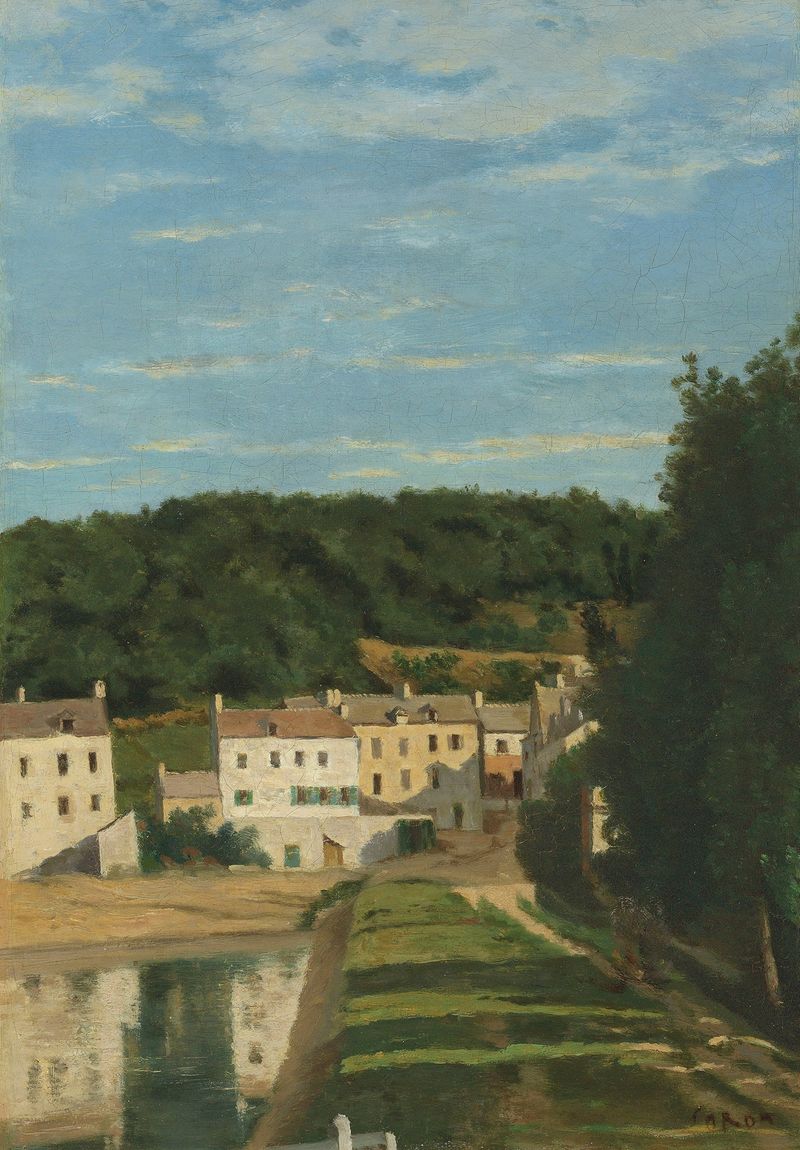
Les Maisons Cabassud À Ville D’avray
Jean-Baptiste-Camille Corot

La solitude. Souvenir de Vigen (Limousin)
Jean-Baptiste-Camille Corot
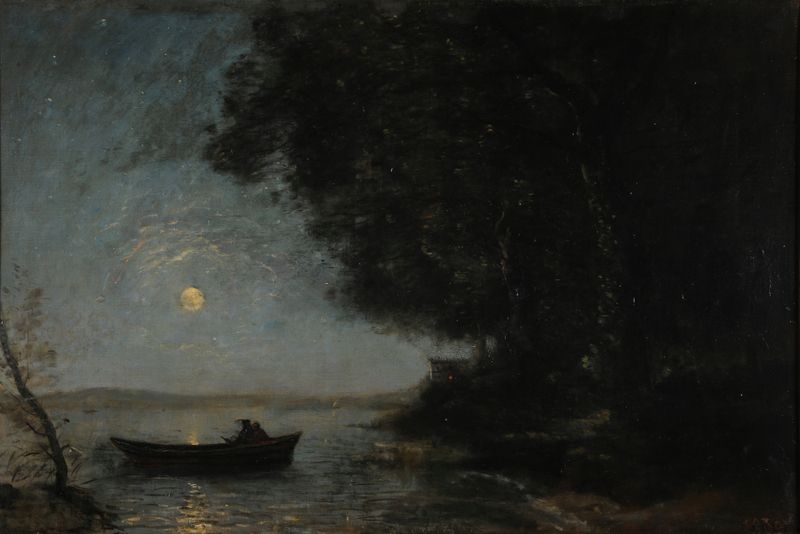
Le lac ; effet de nuit
Jean-Baptiste-Camille Corot
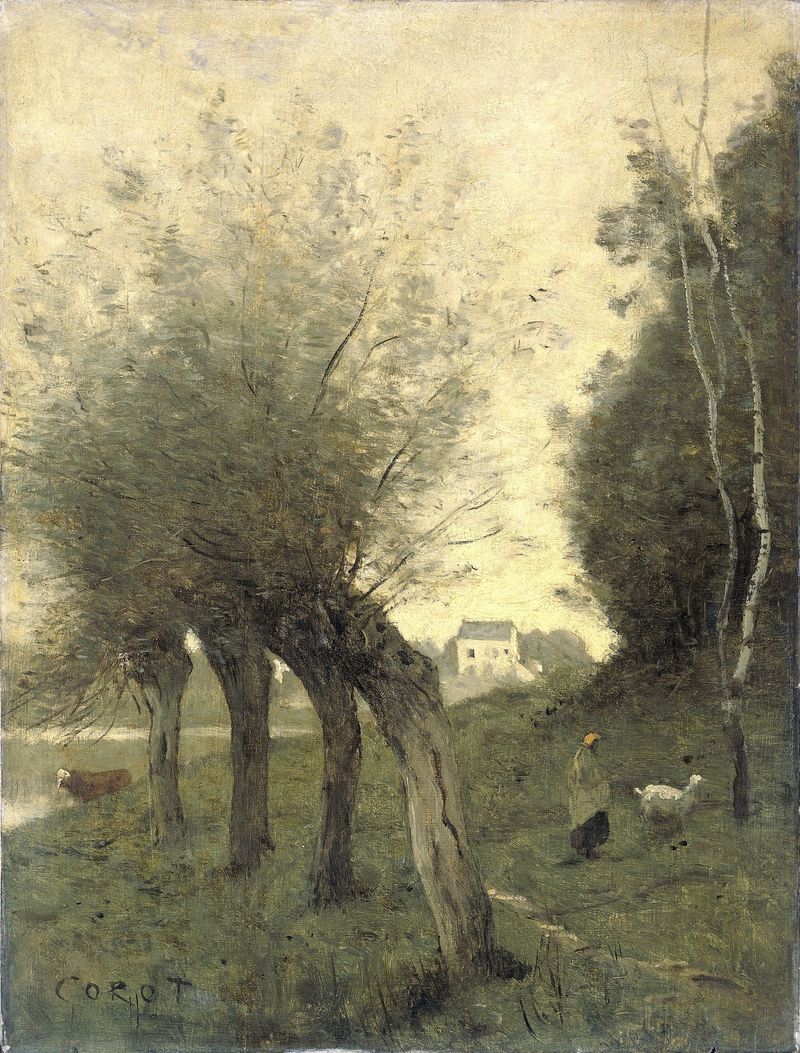
Landscape with Pollard Willows
Jean-Baptiste-Camille Corot
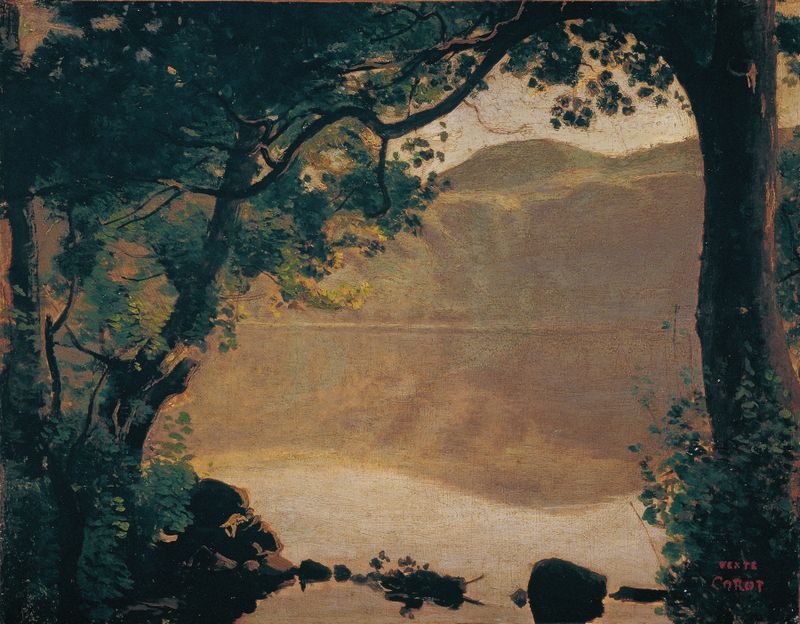
Der Nemisee
Jean-Baptiste-Camille Corot
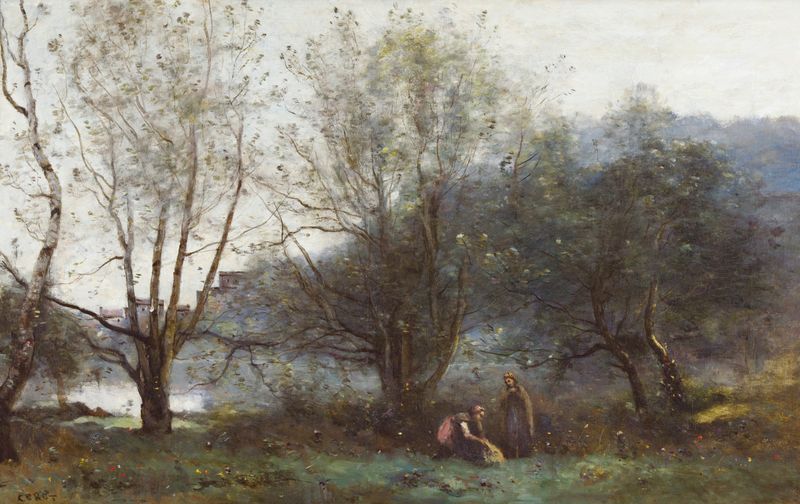
Les Étangs De Ville D’avray
Jean-Baptiste-Camille Corot
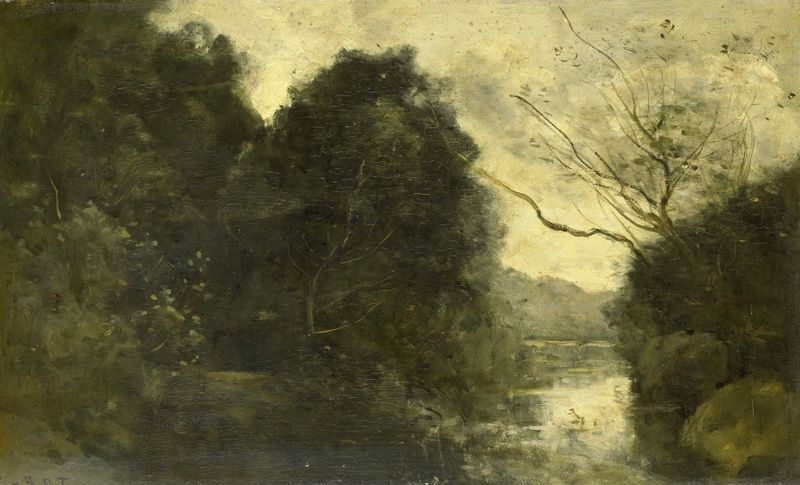
Pond in the Woods
Jean-Baptiste-Camille Corot
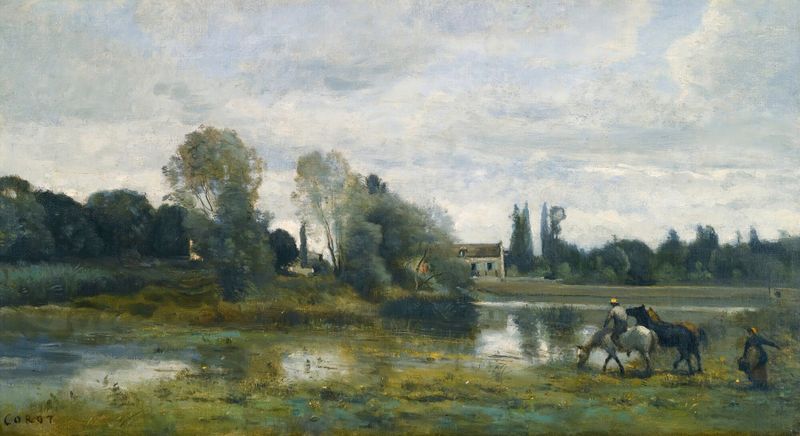
Ville D’avray; L’abreuvoir Des Chevaux
Jean-Baptiste-Camille Corot
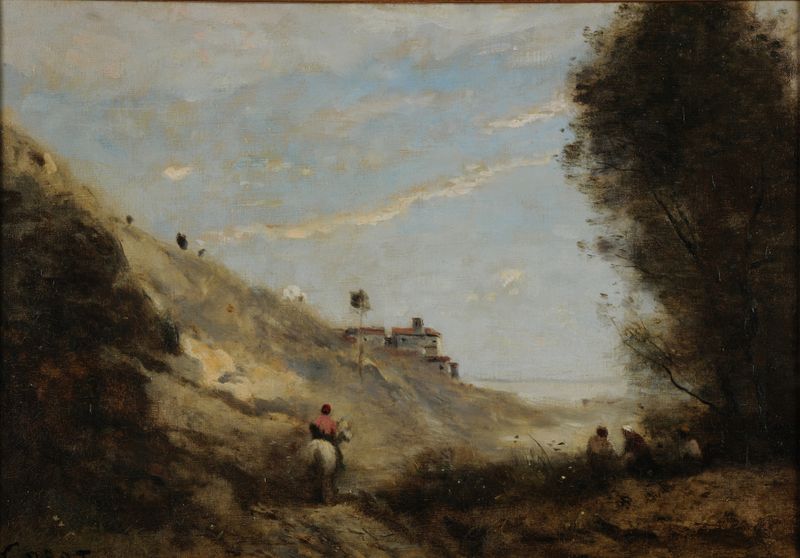
Le vallon au cavalier
Jean-Baptiste-Camille Corot





