Montfort-l’Amaury — History & Facts
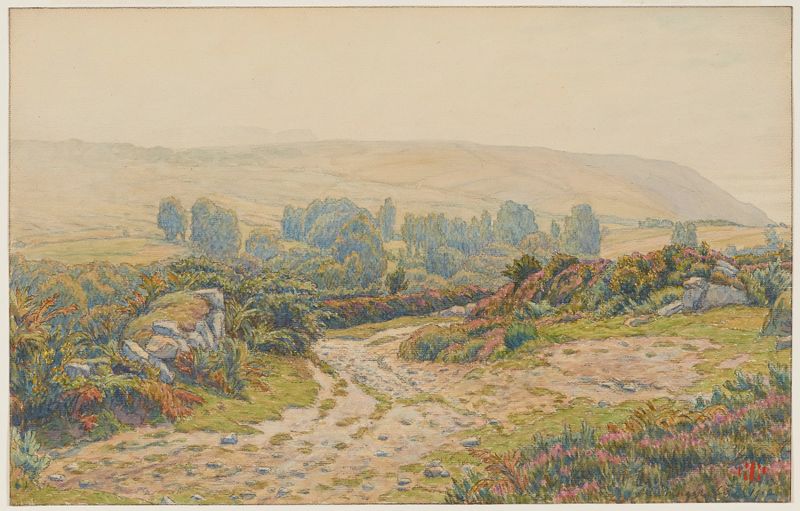
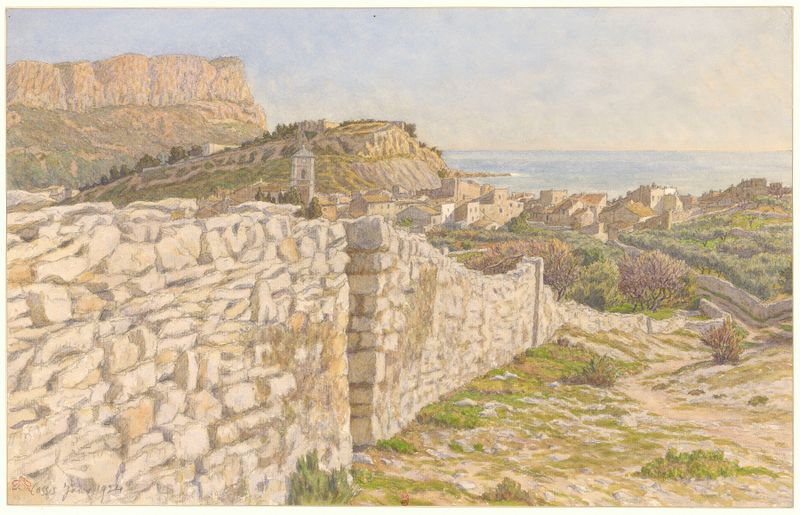
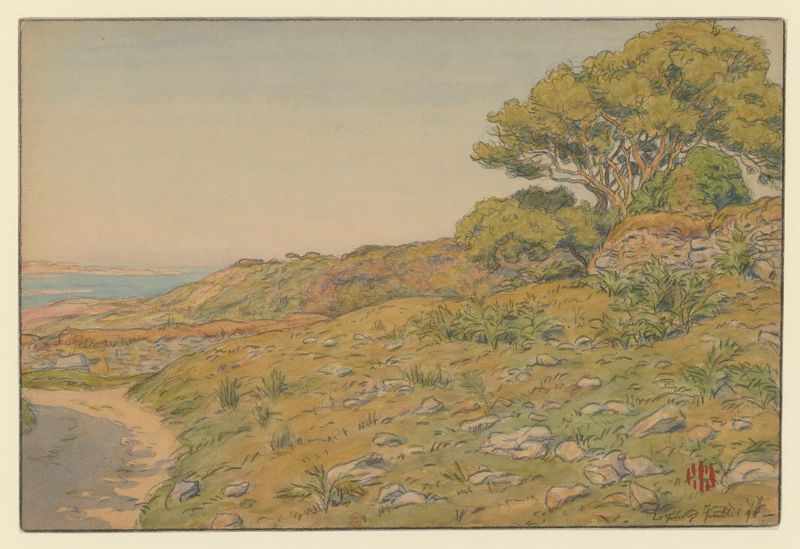
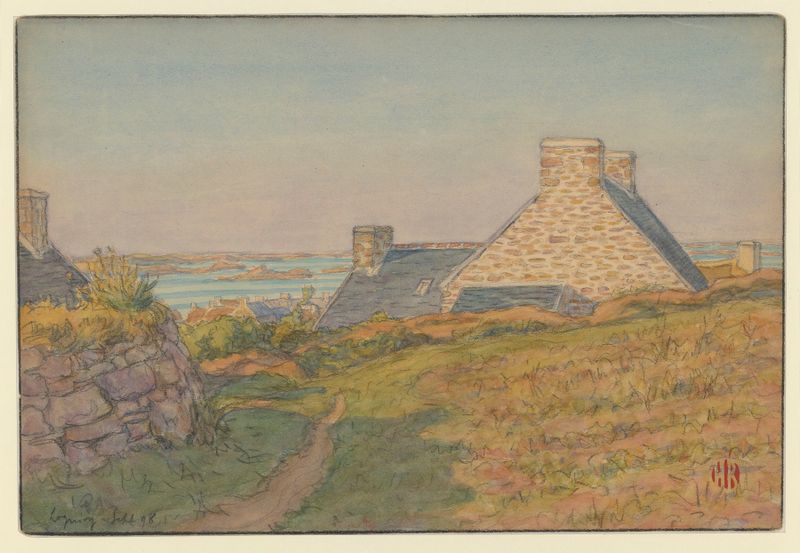
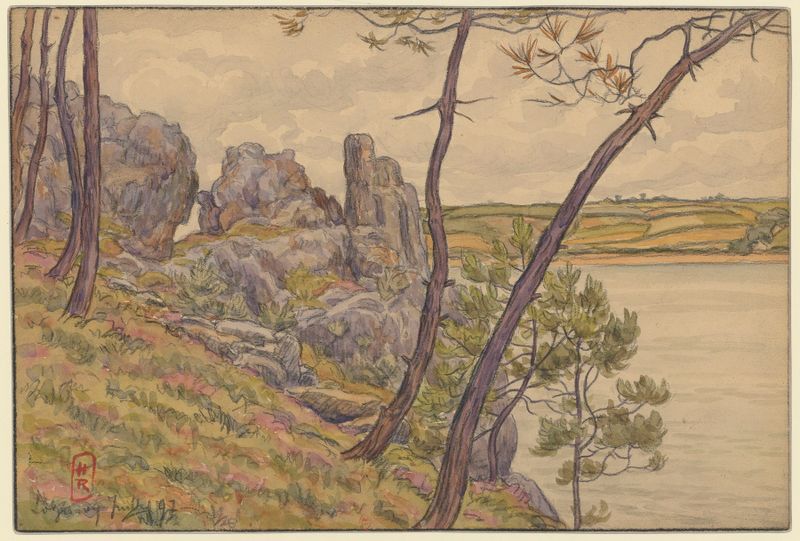
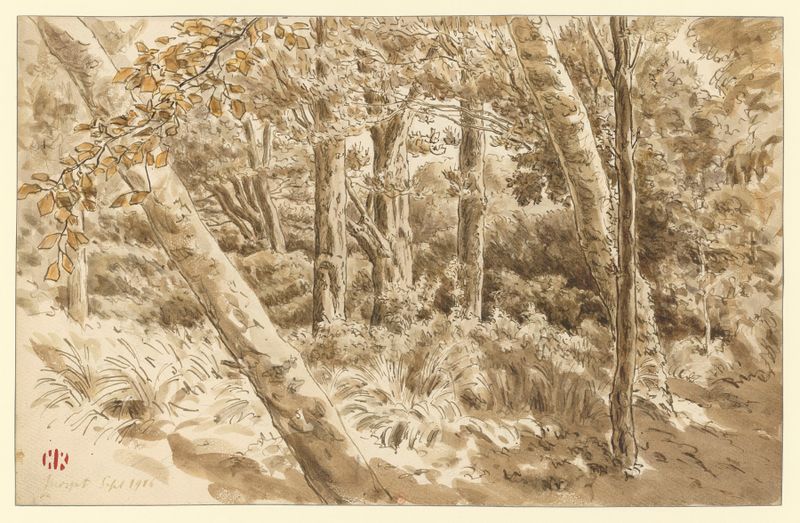
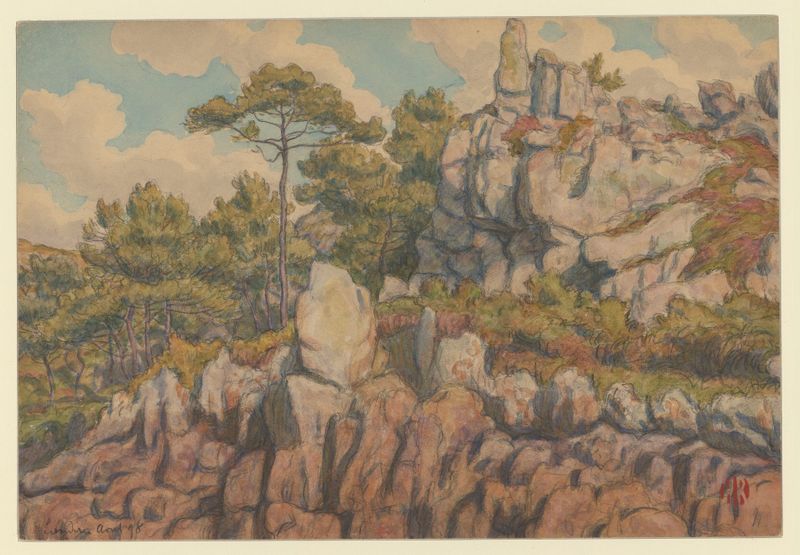
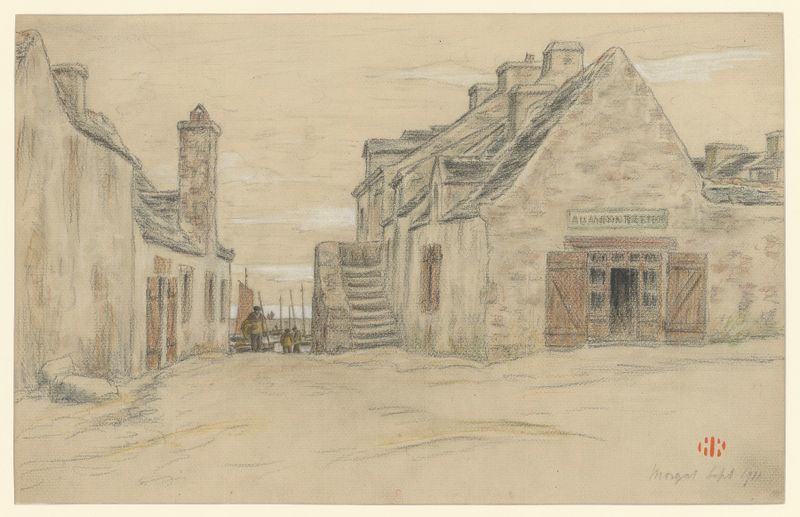
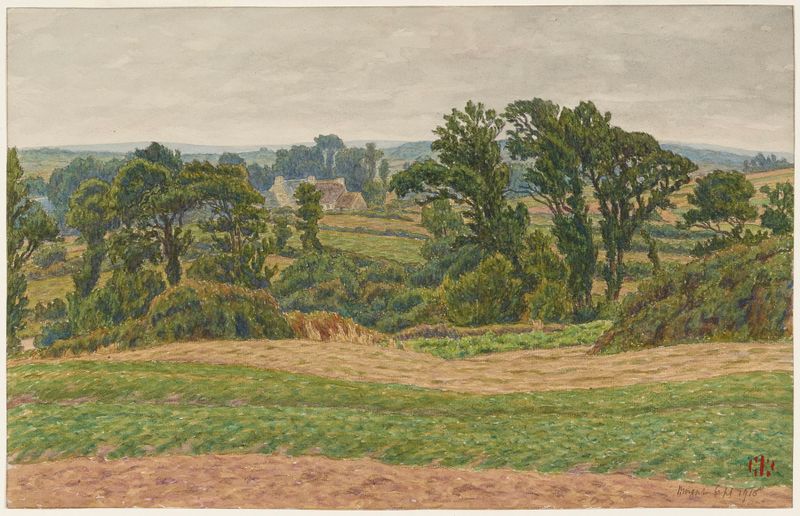
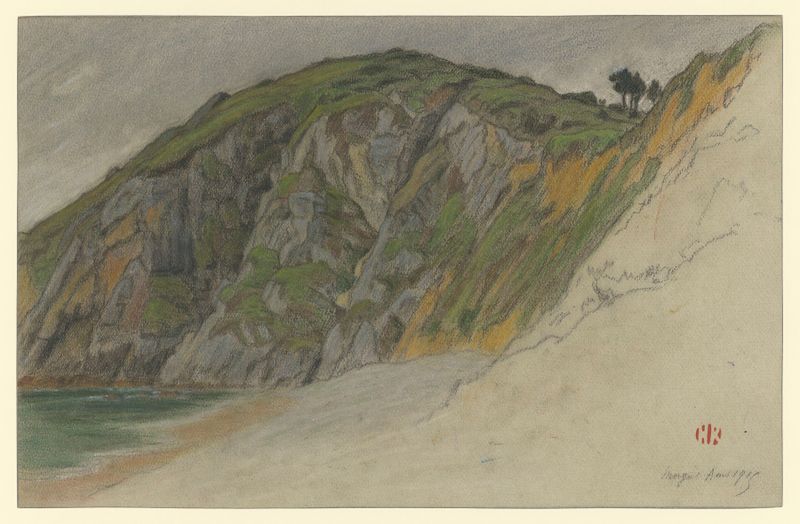
Can paint confess what words never could? In Montfort-l’Amaury, the passage of time resonates through each brushstroke, whispering the stories of a place long cherished. Look to the left at the delicate contours of the houses, their facades softened by a muted palette that suggests the gentle embrace of twilight. The artist’s mastery of light is evident; it bathes the scene in a warm glow, inviting the eye to trace the winding streets that seem to tell tales of lives lived within their walls. Notice how the clouds hover above, their billowing forms echoing the serenity of the village below, while the cool blues and earthy tones serve as a poignant contrast, evoking a sense of nostalgia. This painting encapsulates the tension between permanence and transience, as the architectural forms stand resolute against the ephemeral play of light.
The juxtaposition of the still structures and the shifting skies invites contemplation of the passage of time—each moment captured yet fleeting. Even the brushwork conveys a sense of movement, as if the village itself breathes, reminding us of the stories that unfold in everyday life, often unnoticed. Henri Rivière created Montfort-l’Amaury in 1924, during a period marked by personal experimentation and exploration within the art world. Located in the tranquil setting of Montfort-l’Amaury, just outside of Paris, this work reflects the artist's commitment to capturing the beauty of ordinary scenes, aligning with the shift towards Post-Impressionism.
It was a time of introspection for Rivière, as he sought to convey emotional depth in his landscapes, capturing a moment that resonates with the viewer deeply.