
Moon at Sekiguchi — History & Facts
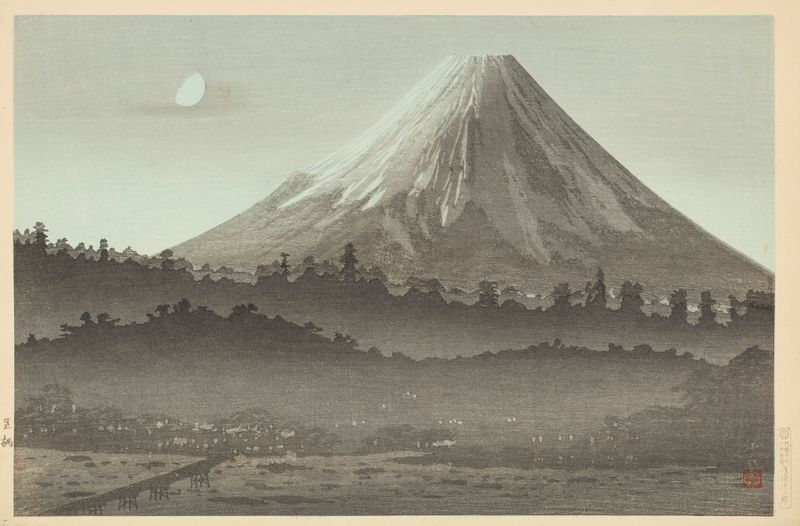
When did color learn to lie? In a world where hues can mask the truth, Moon at Sekiguchi invites the viewer to confront the chaos concealed beneath serene beauty. Look to the deep indigo sky, a canvas that wraps around the composition like a velvet shroud, punctuated by the luminous crescent moon. Notice how the light spills onto the tranquil waters below, creating a shimmering pathway that guides the eye into the painting's depths. The delicate brushwork evokes motion, while the subtle gradations of color establish a dreamlike harmony that seems to dance between reality and illusion. Yet beneath the surface calm, tension brews.
The stark contrast of the vibrant moonlight against the shadowy landscape hints at duality—the peace of nature juxtaposed with the turmoil of unseen forces. The figures in the foreground, shrouded in mystery, appear as silhouettes against the brilliance, suggesting a fleeting moment caught between stillness and the rush of life. The chaos lies just below the calm, urging the viewer to question what lies beyond the idyllic facade. During the late Taisho period in Japan, Takahashi Hiroaki crafted Moon at Sekiguchi, a time marked by cultural upheaval and modernization.
The artist, influenced by traditional Ukiyo-e prints yet drawn toward Western techniques, experimented boldly with color and form, reflecting the transformative spirit of his era. This painting encapsulates his willingness to explore the tensions of chaos and tranquility, revealing the complexities of a rapidly changing world.
More Artworks by Takahashi Hiroaki
Browse all →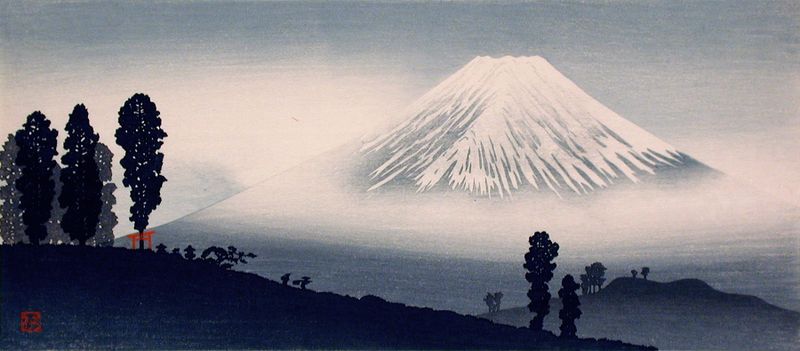
Mount Fuji
Takahashi Hiroaki

Mount Fuji seen near Tamaho, Dawn
Takahashi Hiroaki
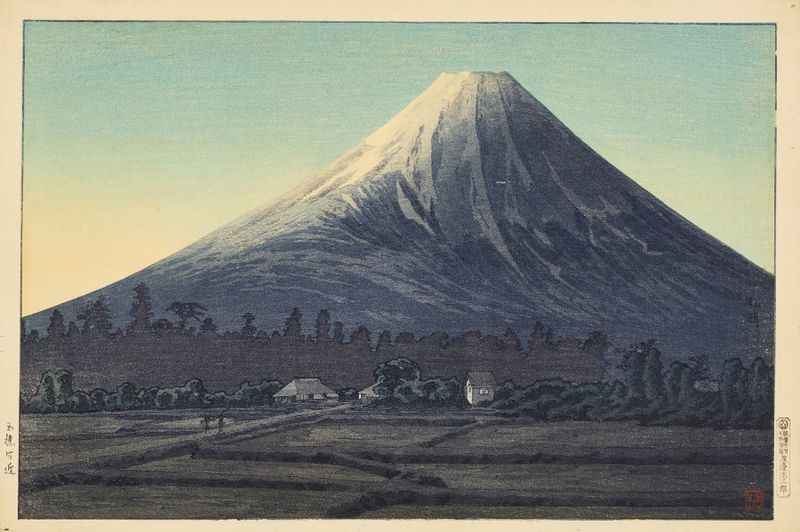
Mount Fuji seen near Tamaho, day
Takahashi Hiroaki
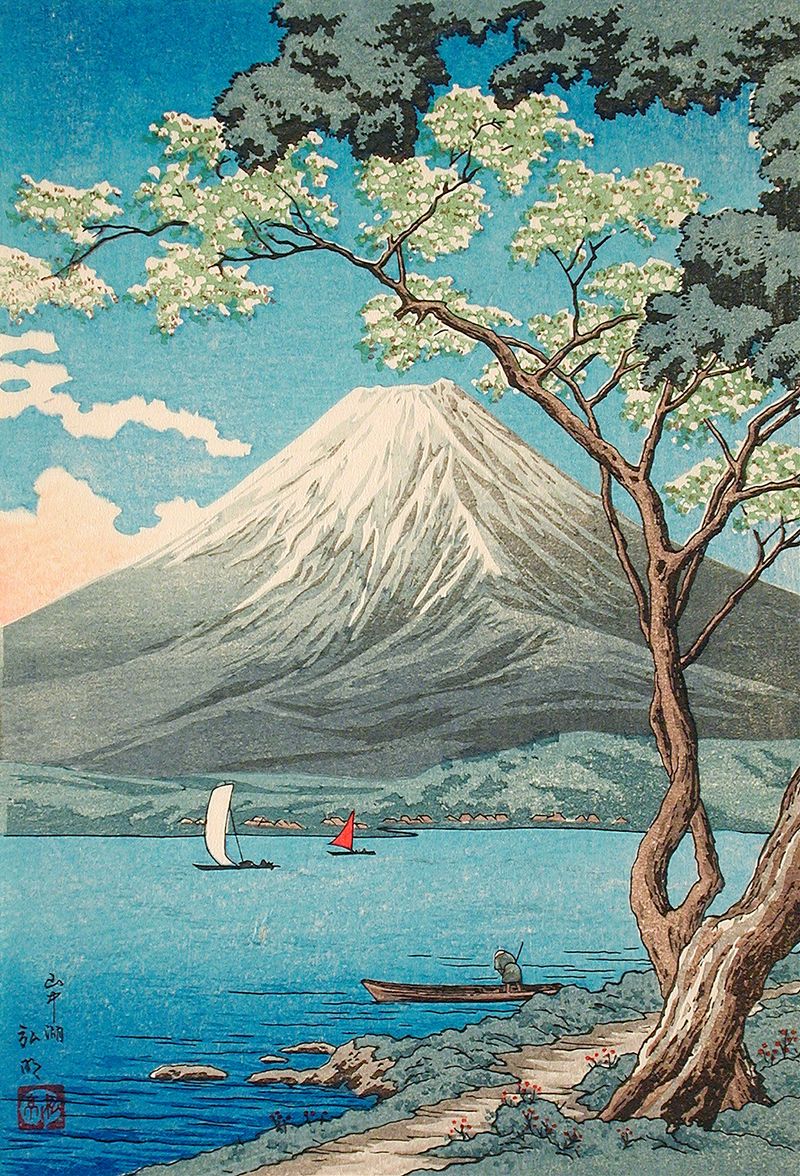
Mount Fuji from Lake Yamanaka
Takahashi Hiroaki

Mt. Fuji from Tagonoura, Snow Scene
Takahashi Hiroaki

Egoda no tsuki
Takahashi Hiroaki
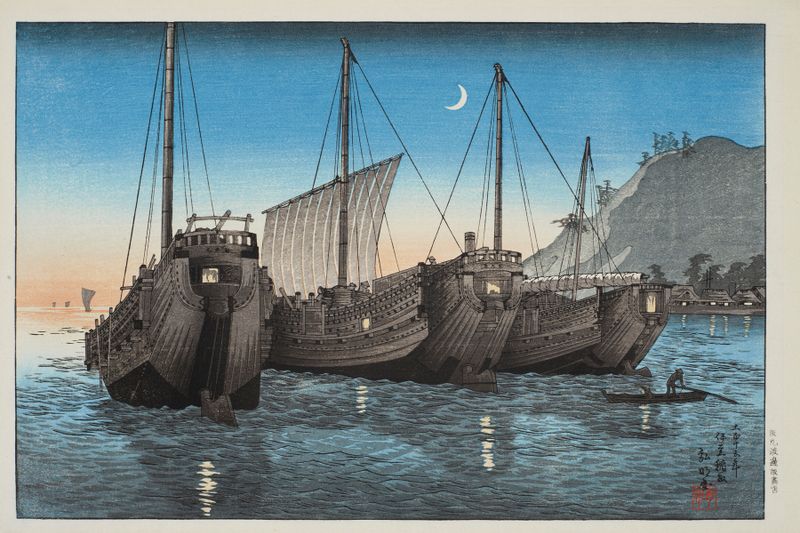
Junks in Inatori Bay, Izu
Takahashi Hiroaki

Izumibashi no ame
Takahashi Hiroaki
Mount Fuji seen near Tamaho, Night
Takahashi Hiroaki

Fishing nets at Tsukuda
Takahashi Hiroaki





