Morgat — History & Facts
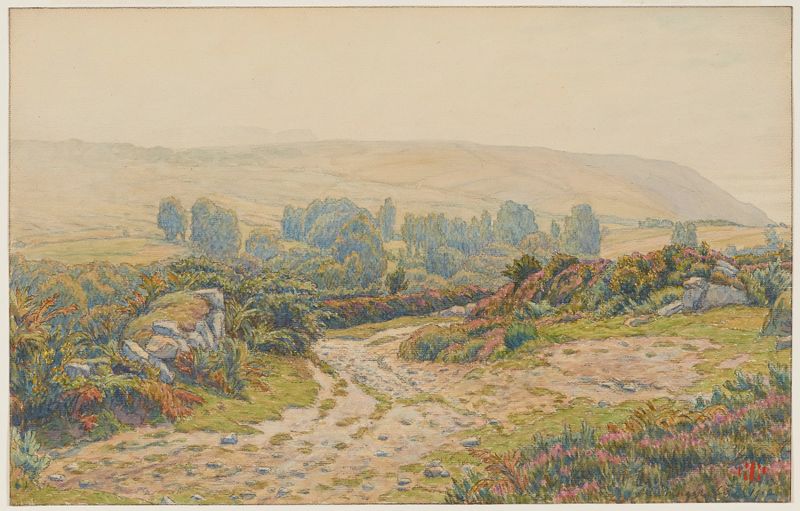
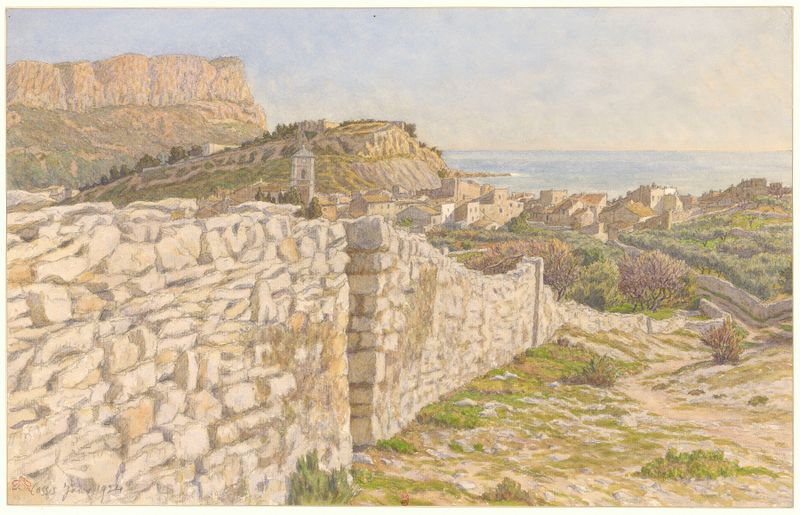
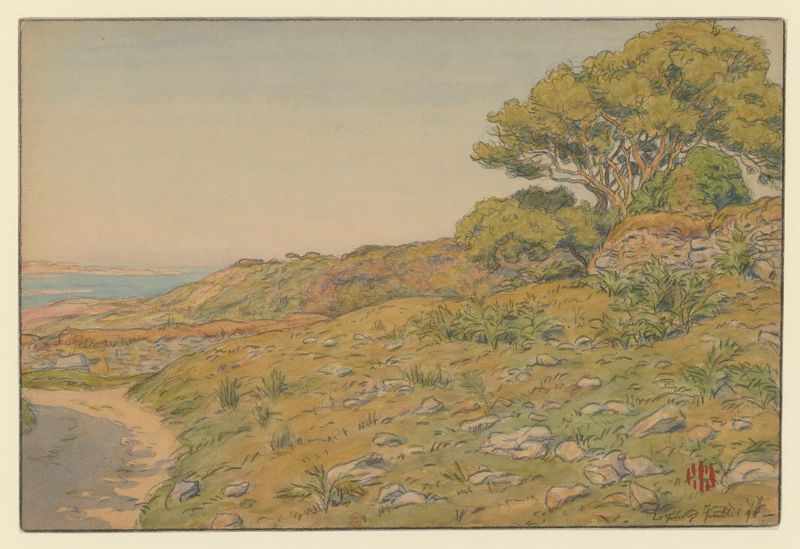
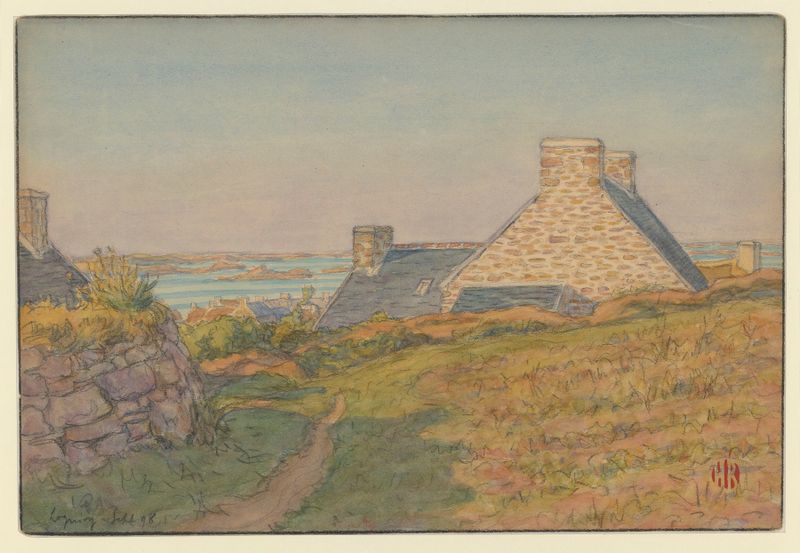
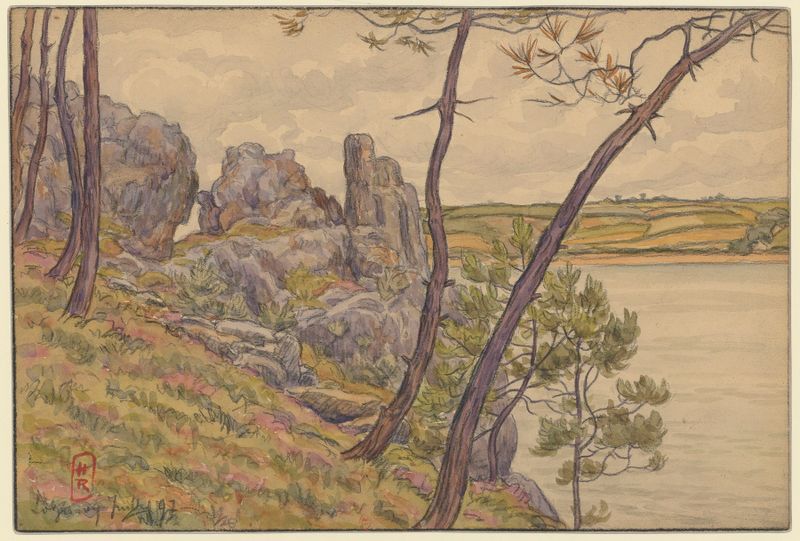
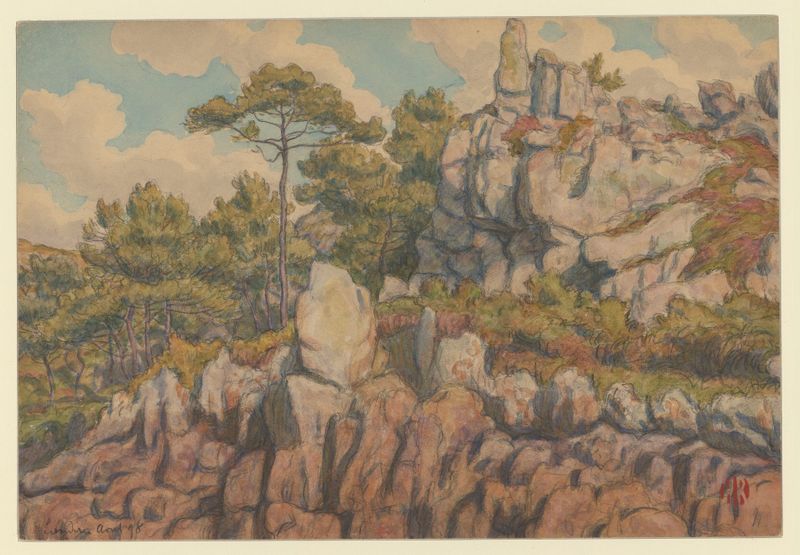
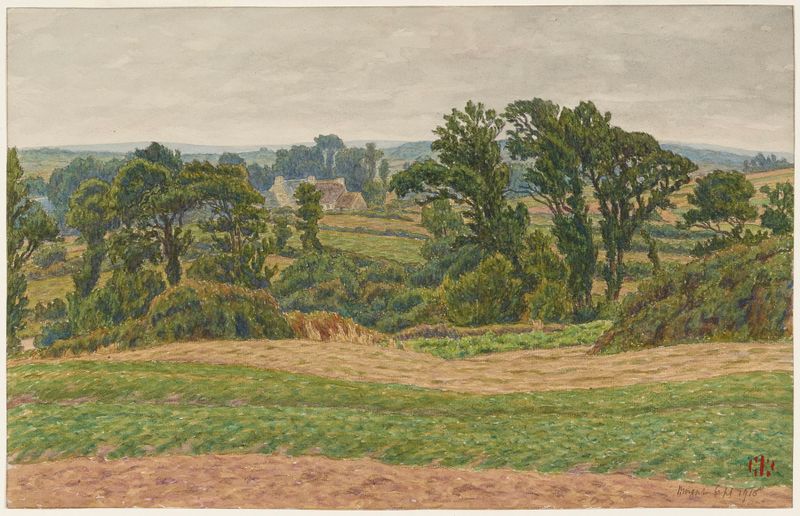
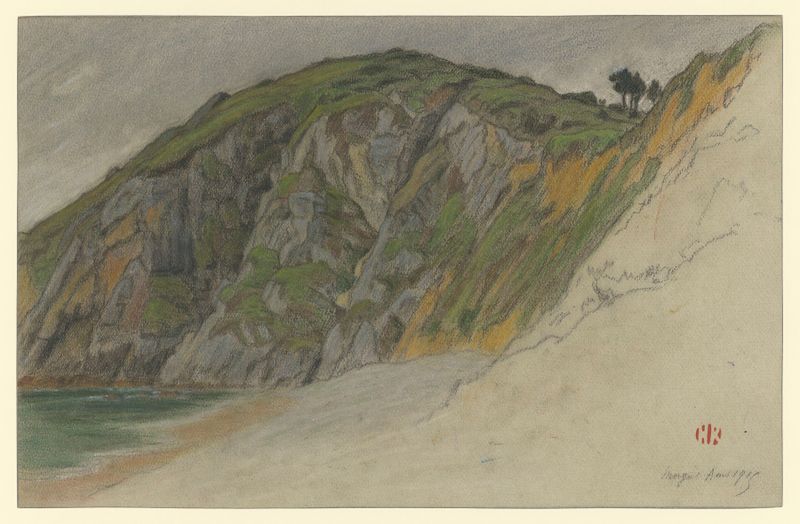
Can paint confess what words never could? In Morgat, the essence of truth is distilled into a visual language that transcends mere description, inviting viewers to ponder the depths of what lies beyond the surface. Look to the gentle caress of the water, where shades of indigo and cerulean dance together, reflecting the tranquil embrace of the sky. The rocky cliffs, rendered in earthy tones, rise with a silent strength, their textures alive with meticulous brushwork. Notice how the interplay of light and shadow creates a sense of movement within the serene landscape, guiding the eye toward the horizon where sea meets sky, as if whispering secrets of the depths below. Within this composition, contrasts emerge: the stillness of the foreground against the sweeping currents of the ocean; the solid permanence of the rocks juxtaposed with the ephemeral nature of water.
This duality evokes a profound tension, inviting introspection about the cycles of life, nature’s resilience, and the quiet moments of solitude that hold both beauty and melancholy. Each stroke offers a glimpse into the artist's soul, revealing a world where nature speaks louder than words. Henri Rivière painted Morgat in 1915, amidst a tumultuous time in Europe marked by the Great War. His focus on evocative landscapes stemmed from a desire to capture the fleeting moments of beauty in a world overshadowed by conflict.
Living in Paris yet drawing inspiration from the coast of Brittany, Rivière sought to convey the emotional truths of nature, reflecting both his inner struggles and the broader turbulence of the era.