
Morning in the Riesengebirge — History & Facts
A single cross rises above a sea of mountain ridges, catching the first light of day. The eye is led from the warm, earthy rocks in the foreground up to the lone crucifix, which stands as both a marker and a question. Mist drifts through the valleys, softening the dark greens and purples of the distant slopes, while the sky glows with the gentle promise of sunrise.
The vastness of the landscape, rendered in receding layers, draws the viewer into a quiet moment of reflection—there is no human presence here, only the symbol of faith set against the immensity of nature. The cross is not just a detail; it is the painting’s anchor, turning the panorama into a meditation. Painted by Caspar David Friedrich between 1810 and 1811, Morning in the Riesengebirge belongs to a moment when artists in German-speaking lands were reimagining the landscape as a site of spiritual encounter. This kind of work was not made for grand salons or royal galleries, but often for private patrons seeking images that spoke to inner life and the mysteries of the world.
The Riesengebirge, or Giant Mountains, were a favorite subject for Friedrich, who is known for weaving together the real and the symbolic. While little is recorded about the specific journey of this canvas, its quiet power invites viewers to pause and consider the meeting of earth, sky, and the solitary cross—an invitation as open now as it was in 1810.
More Artworks by Caspar David Friedrich
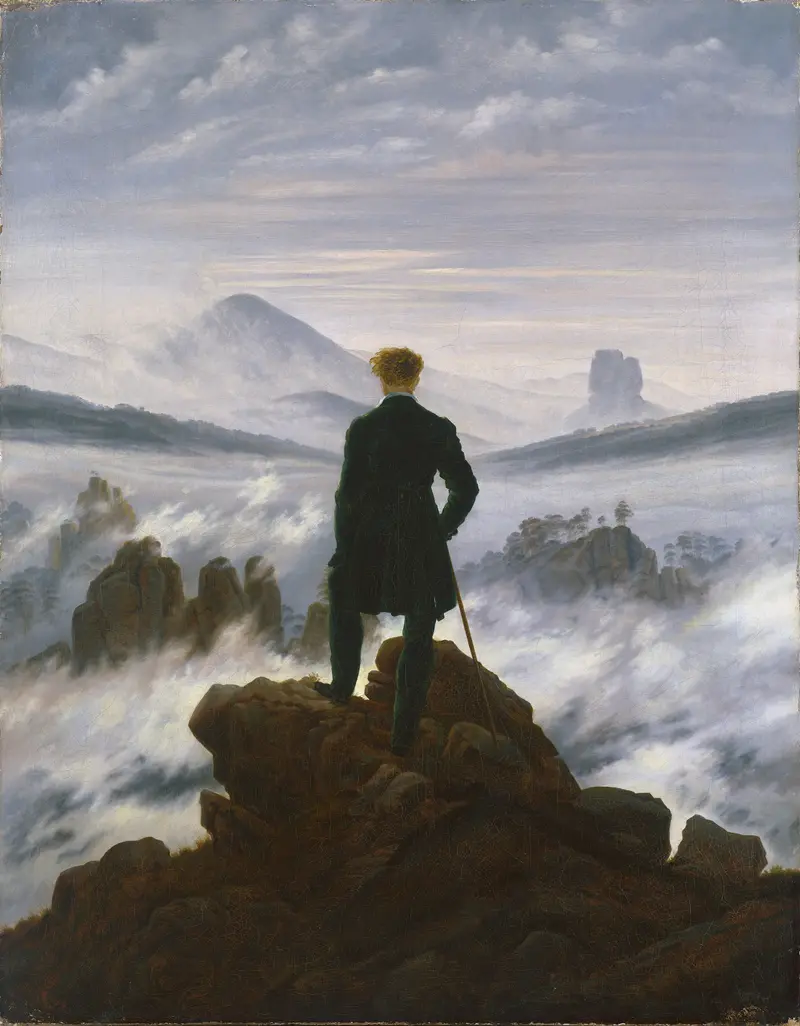
Wanderer above the Sea of Fog
Caspar David Friedrich

The Sea of Ice
Caspar David Friedrich
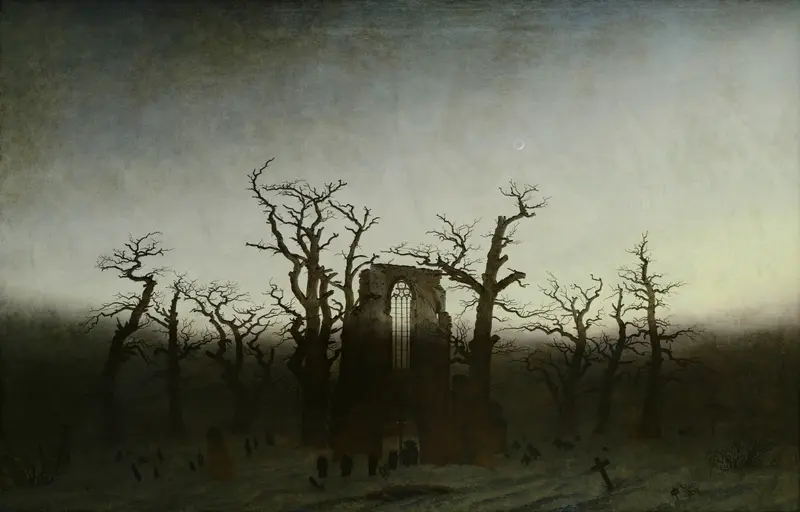
The Abbey in the Oakwood
Caspar David Friedrich
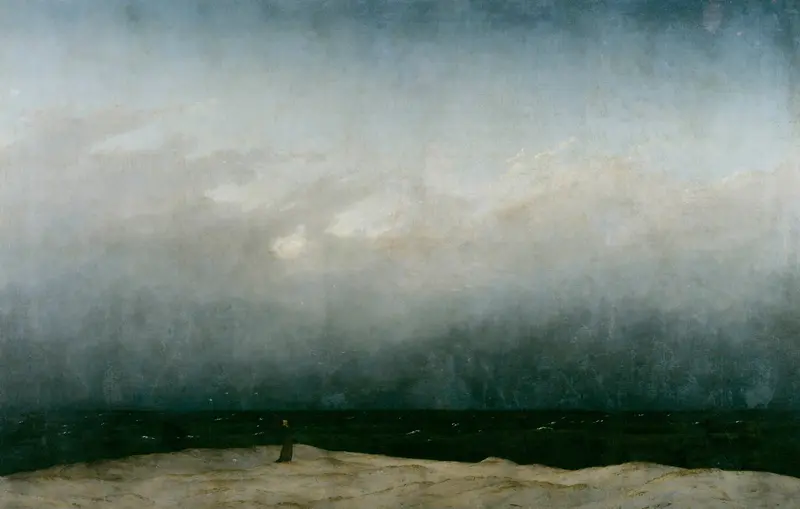
The Monk by the Sea
Caspar David Friedrich
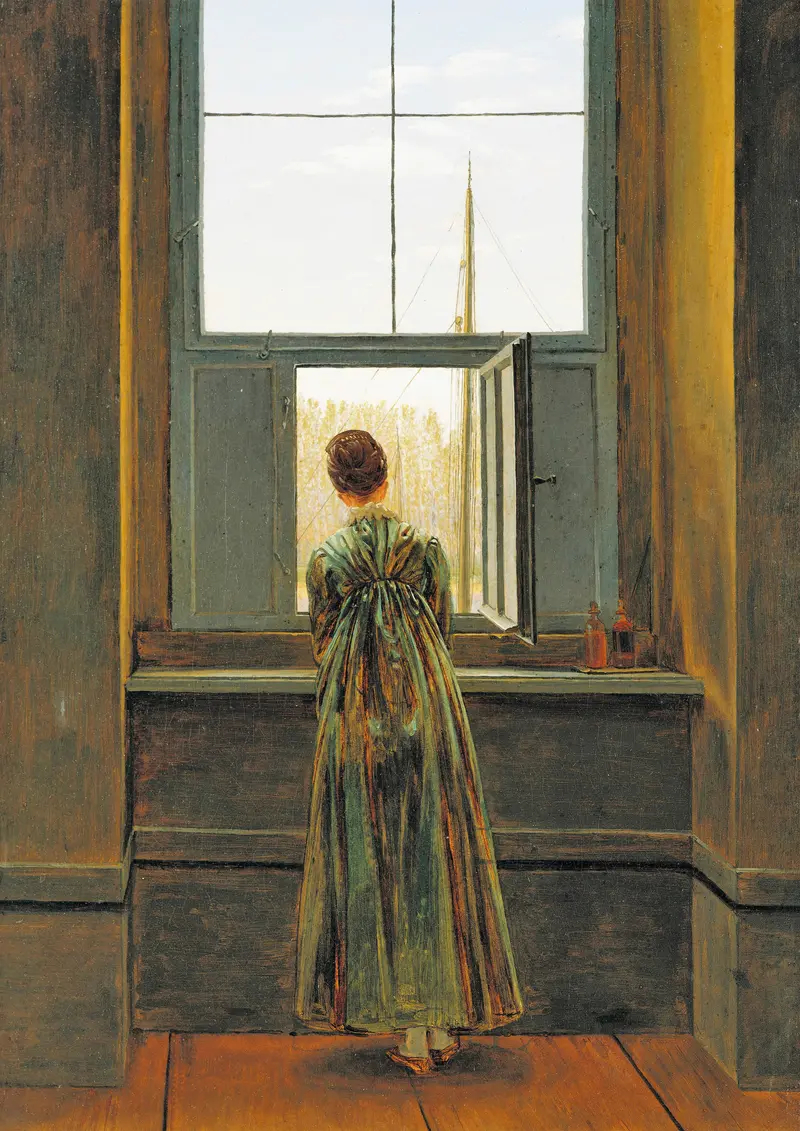
Woman at a Window
Caspar David Friedrich
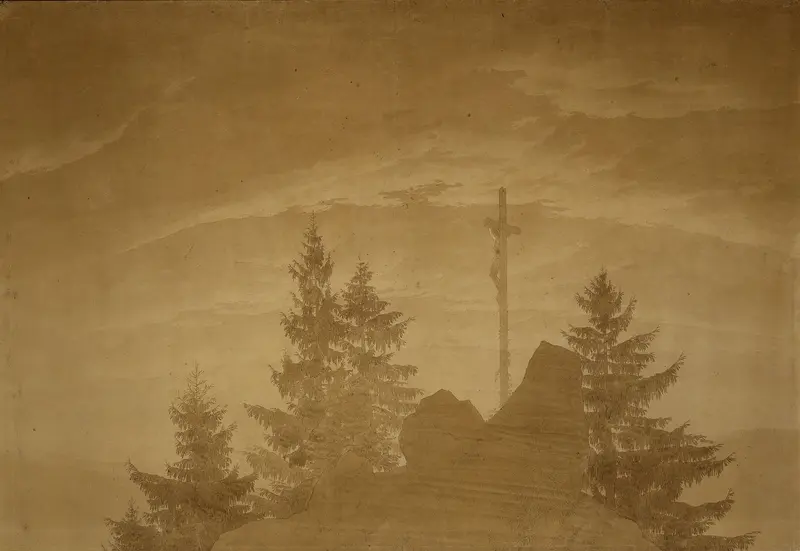
Cross in the Mountains
Caspar David Friedrich
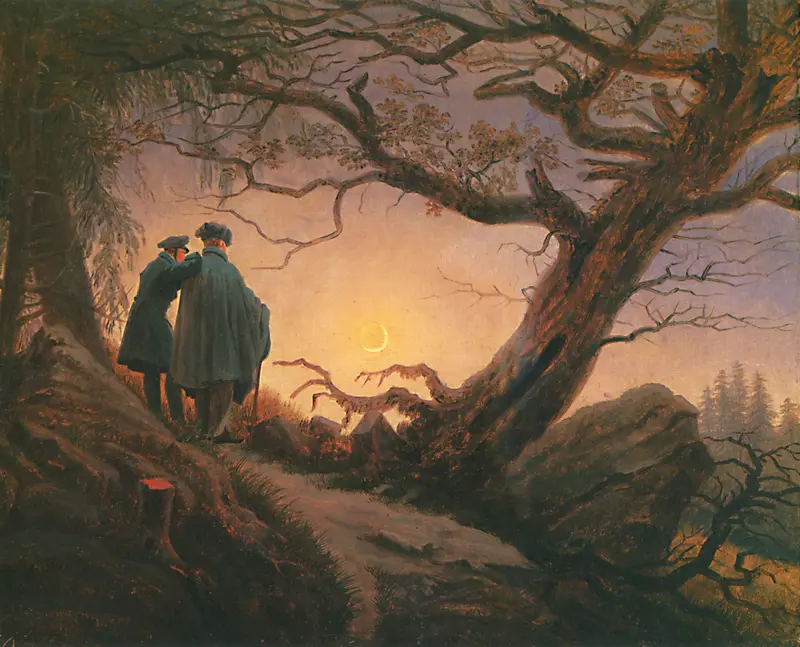
Two Men Contemplating the Moon
Caspar David Friedrich
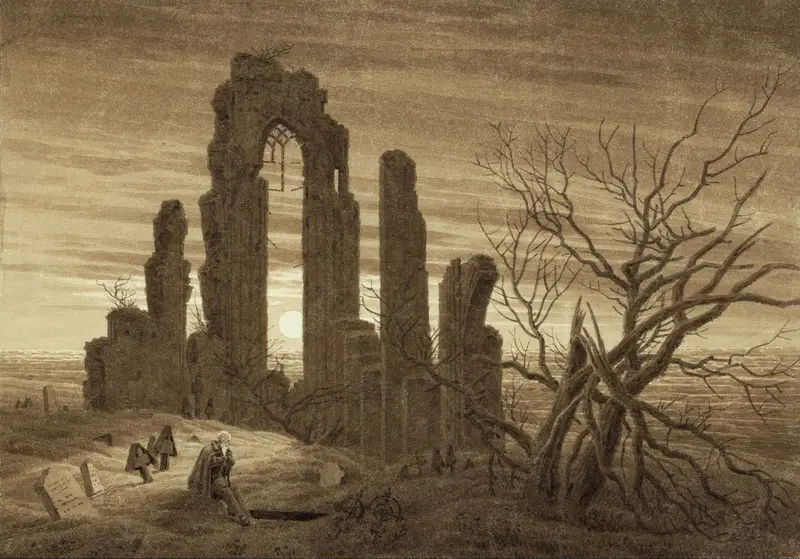
Winter – Night – Old Age and Death (from the times of day and ages of man cycle of 1803)
Caspar David Friedrich
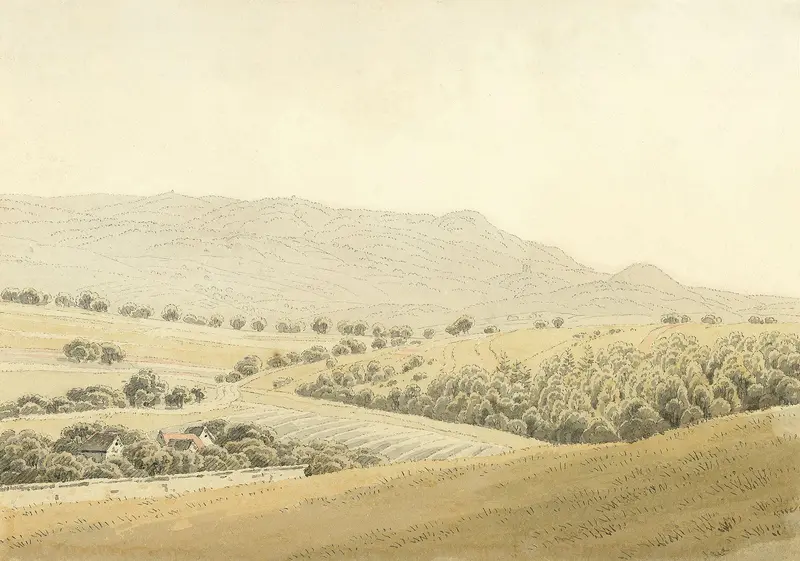
Mittelgebirgslandschaft
Caspar David Friedrich

Landschaft mit gebirgsee, morgen
Caspar David Friedrich
More Landscape Art

The Starry Night
Vincent van Gogh

View of Delft
Johannes Vermeer

Water Lilies
Claude Monet

The Grand Canal, Venice, looking north-west from the Ca' Corner to the Ca' Contarini degli Scrigni, with the campanile of Santa Maria della Carità
Canaletto

Windsor Castle
Canaletto

The Grand Canal looking North-East from the Palazzo Dolfin-Manin to the Rialto Bridge
Canaletto