
Moss Bride — History & Facts
When did color learn to lie? In a world where hues dance and deceive, the heart aches with unfulfilled longing, a sentiment beautifully captured in Moss Bride. Look to the soft greens and earthy browns that envelop the bride's figure, drawing you into a lush realm of nature's embrace. Notice how the intricate textures of moss and foliage intertwine with delicate fabric, creating a tapestry that blurs the line between human and earth. The muted tones give way to deeper shadows around her form, fostering an intimate atmosphere while evoking a sense of melancholy. In this piece, the contrast between the bride’s ethereal beauty and the rugged natural world around her invites contemplation on the duality of existence.
The moss symbolizes both the nurturing aspects of nature and the inevitable decay, reflecting the possible fragility of love and commitment. Each layer of greenery seems to whisper secrets of yearning, echoing a longing not just for connection, but for a place within the wild. Ernest Haskell painted Moss Bride during the early 20th century, a period marked by experimentation and the rise of modernist ideals. Living in a time of shifting artistic paradigms, he sought to harmonize traditional forms with a deep reverence for nature.
This work emerged as he navigated his own experiences of love and loss, reflecting broader cultural sentiments of searching for truth amidst changing times.
More Artworks by Ernest Haskell
Browse all →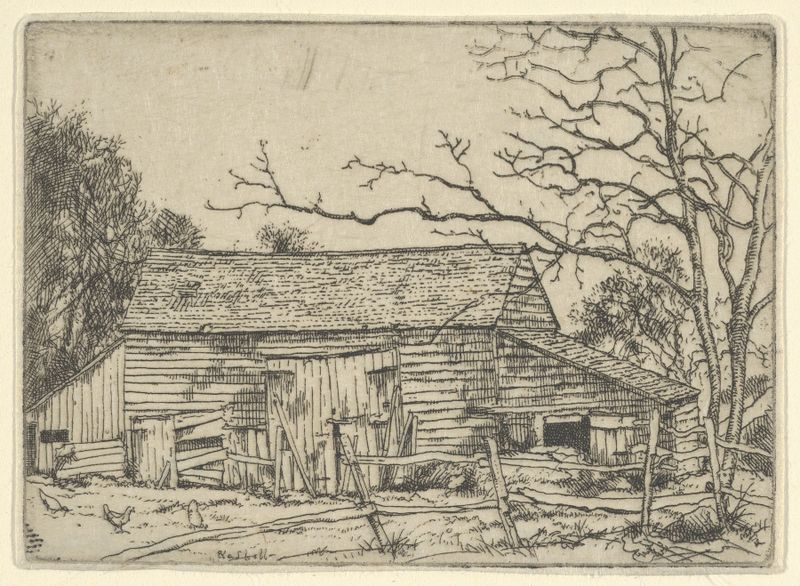
The Barn–Staten Island, N.Y.
Ernest Haskell

Four Live Oaks
Ernest Haskell
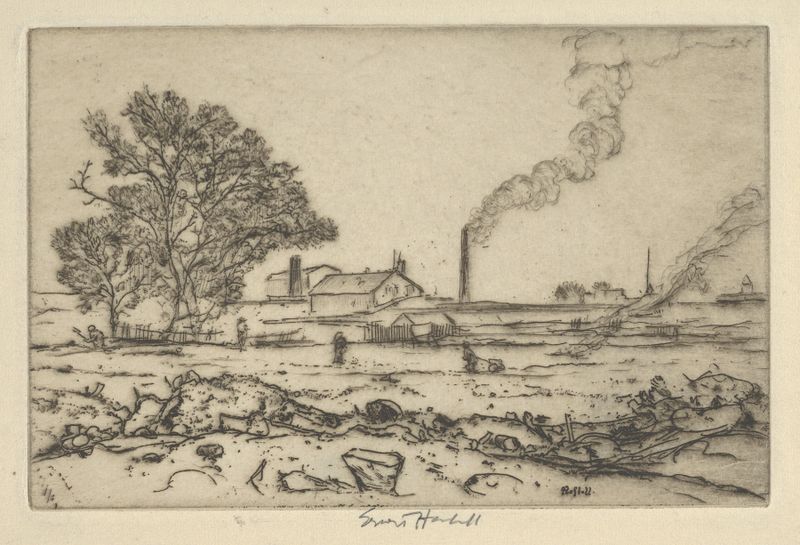
Outskirts of Boston
Ernest Haskell
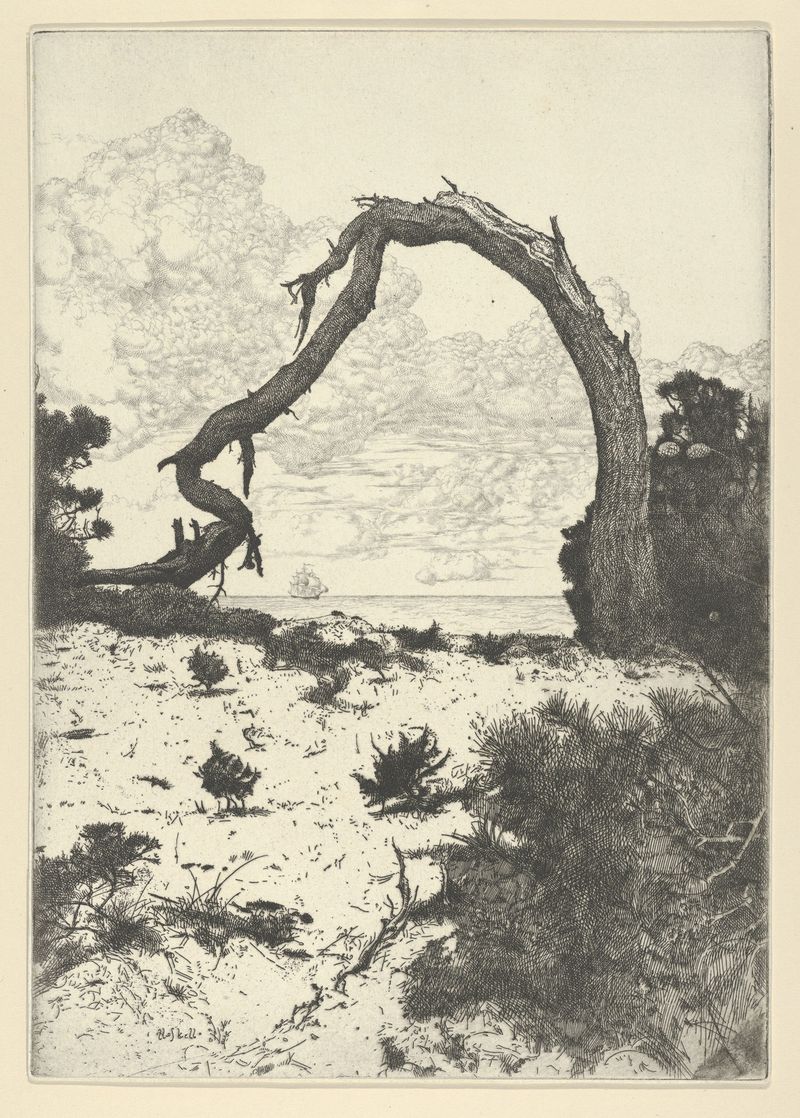
Pine Arch
Ernest Haskell

General Sherman
Ernest Haskell
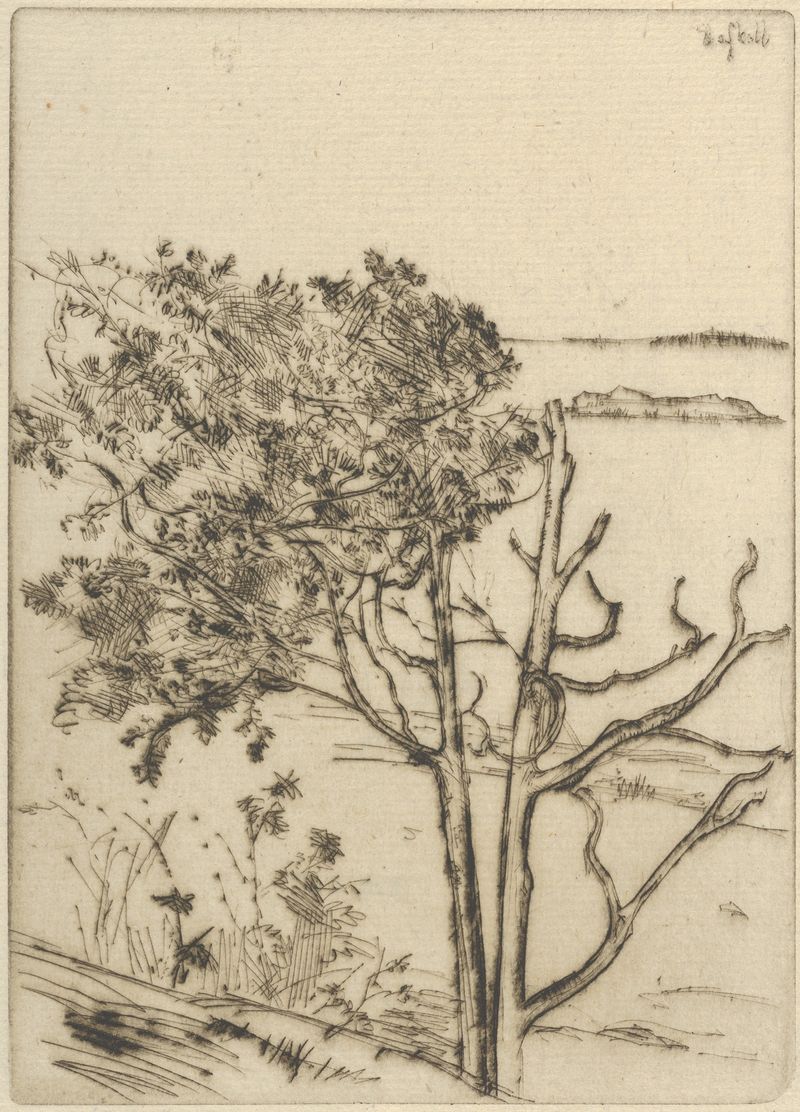
Ragged Tree – Maine
Ernest Haskell

Tide Mill
Ernest Haskell

Ship Building
Ernest Haskell
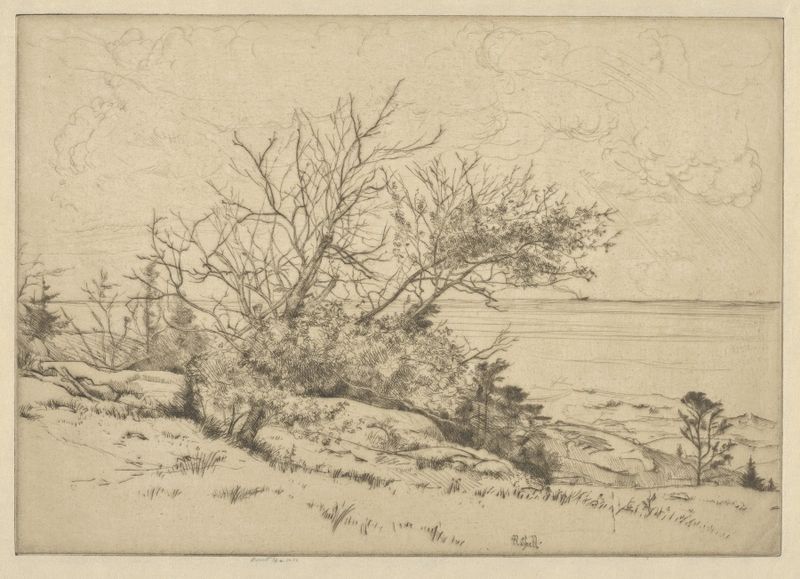
To the Southward – Ragged Island, Me.
Ernest Haskell
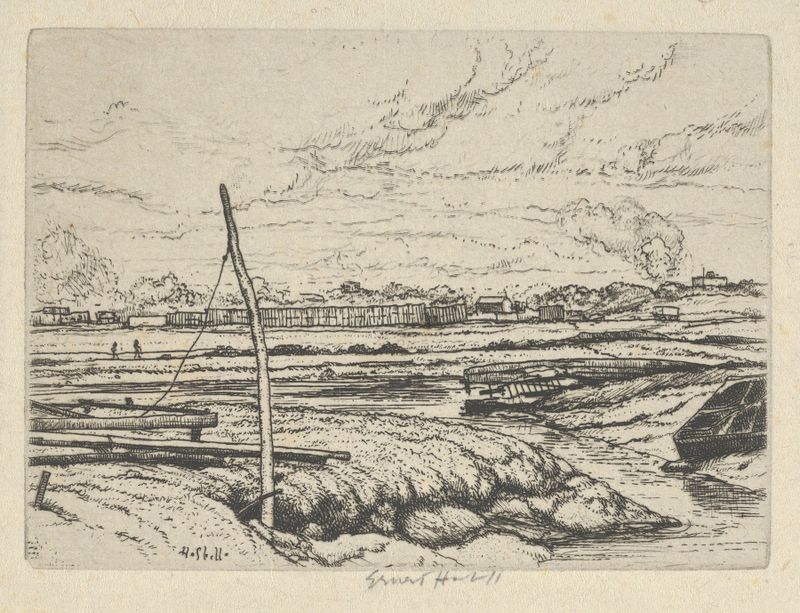
Long Island Marshes
Ernest Haskell





