
Mossy Bank — History & Facts
Could a single brushstroke hold eternity? In the delicate interplay of light and shadow, Jervis McEntee’s Mossy Bank invites us to ponder the essence of time captured on canvas. Look closely at the gradient of greens cascading from the foreground, where the shadows lay thick upon the mossy ground. The painter's meticulous technique highlights the intricate texture of the foliage, drawing the eye along the sinuous curve of the water's edge. Notice how soft, dappled light filters through the canopy above, casting fleeting patterns that dance on the surface, illuminating the quiet beauty of the scene in an almost ethereal glow. Beneath the tranquil surface lies a deeper tension, where life and decay intertwine.
The vibrant greens speak of vitality and growth, yet the shadows loom as a reminder of impermanence and the encroaching darkness. Each stroke encapsulates a moment in nature, the fleeting whispers of a world that continuously shifts and transforms, creating an emotional depth that resonates with the viewer long after they have stepped away. In 1860, McEntee painted Mossy Bank during a period of personal transition; he had recently lost both his father and brother, which heightened his sensitivity to themes of loss and memory. Working primarily in the Hudson River School tradition, he sought to convey the profound beauty and emotional weight of nature, reflecting both the Romantic ideals of the time and the emerging interest in the intricacies of individual perception.
More Artworks by Jervis McEntee
Browse all →
Autumn in the Catskills
Jervis McEntee
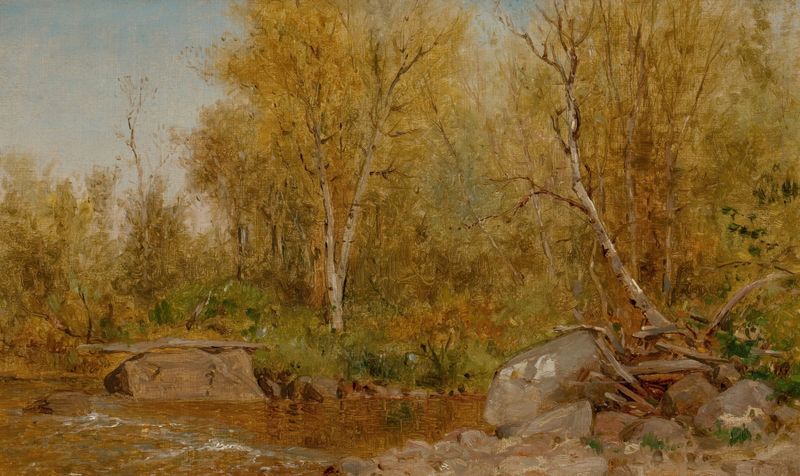
Sandy Stream, Maine Woods
Jervis McEntee

Autumn Scene
Jervis McEntee
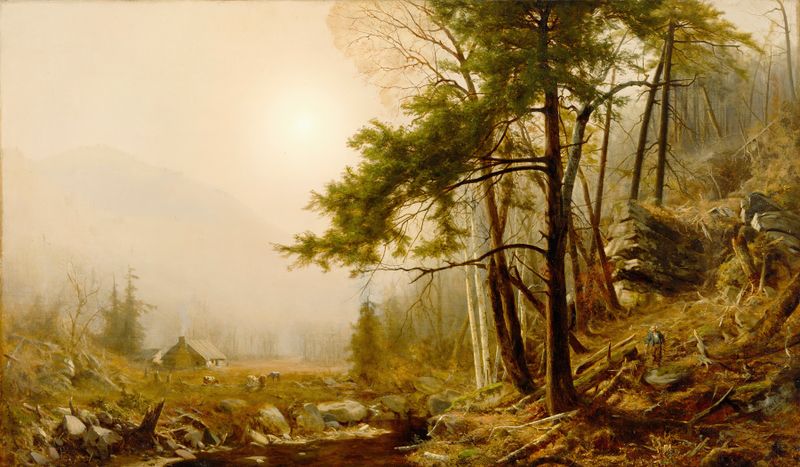
Indian Summer
Jervis McEntee

Mount Desert Island,Maine
Jervis McEntee
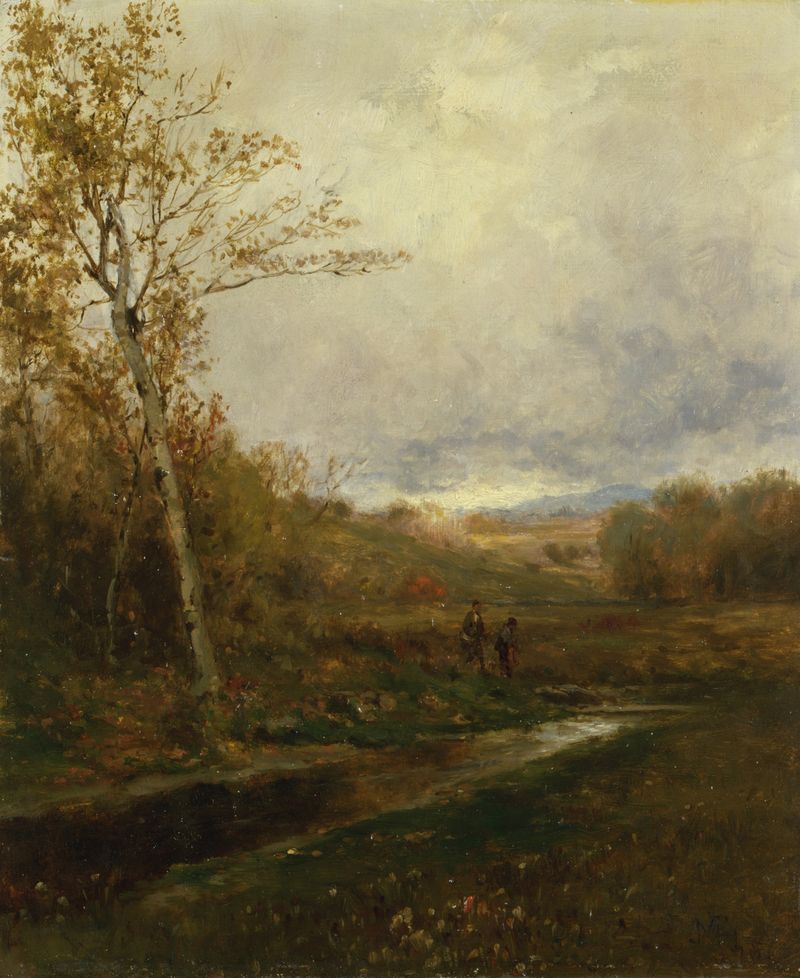
November
Jervis McEntee

Old House On Long Island
Jervis McEntee
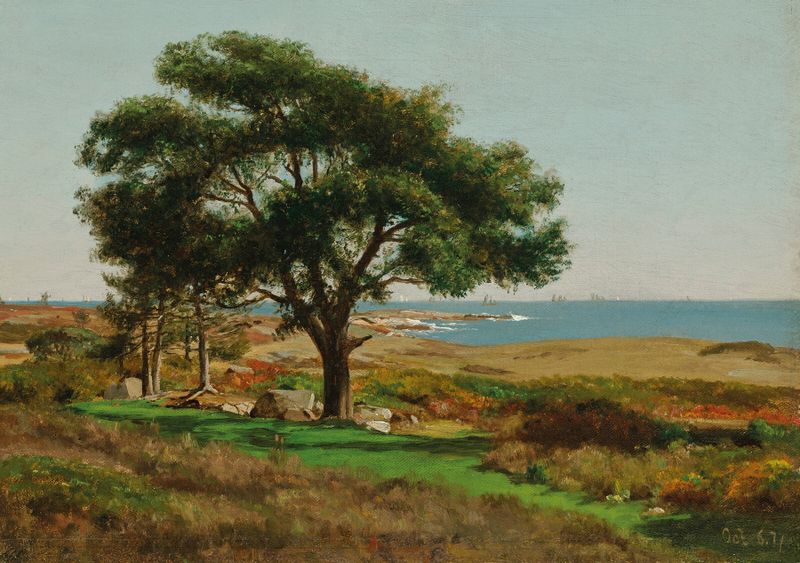
Near Kennebunkport, Maine
Jervis McEntee
Saturday Afternoon
Jervis McEntee
A Cliff in the Katskills
Jervis McEntee





