
Motoyoshiwara no asa (Morning in Motoyoshiwara) — History & Facts
Could beauty survive in a century of chaos? In Motoyoshiwara no asa, the delicate interplay of light and shadow evokes a world where illusion dances with reality, suggesting that tranquility can still thrive amid turmoil. Look to the left, where soft morning light spills over the rooftops, illuminating the subtle hues of the houses. Notice how the artist’s masterful use of woodblock printing techniques creates a rich texture, allowing each layer of color to resonate with a gentle vibrancy. The rising sun casts a warm glow over the landscape, while the muted blues and greens in the background provide a serene contrast, inviting the viewer to linger in this moment of peaceful solitude. Delve deeper into the scene, and you'll uncover the emotional tension of fleeting beauty.
The ephemeral quality of morning light symbolizes transience, a reminder that such moments are both precious and impermanent. The juxtaposition of vibrant life against the stillness of early dawn creates a compelling narrative; the viewer can sense the anticipation of a new day while reflecting on the shadows of the past, encapsulating both hope and melancholy in equal measure. Created in 1940, during a time of profound change in Japan, this piece reflects Kawase Hasui’s contemplative approach to landscape painting. Living through the rise of militarism and the subsequent turmoil of World War II, he sought solace in the beauty of his surroundings.
In this work, he captures a moment suspended in time, reminding us that even in chaos, the world can present us with moments of serene beauty.
More Artworks by Kawase Hasui
Browse all →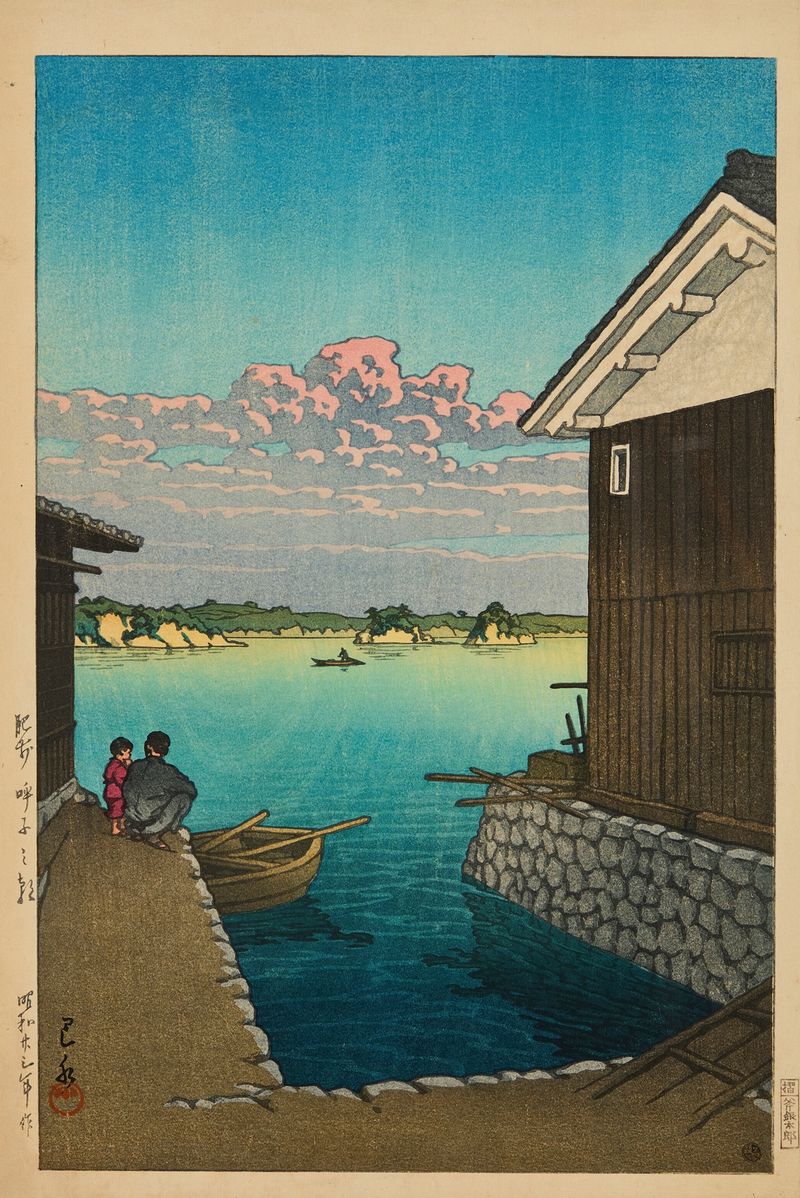
Hizen Yobuko no asa (Morning in Yobuko, Hizen)
Kawase Hasui
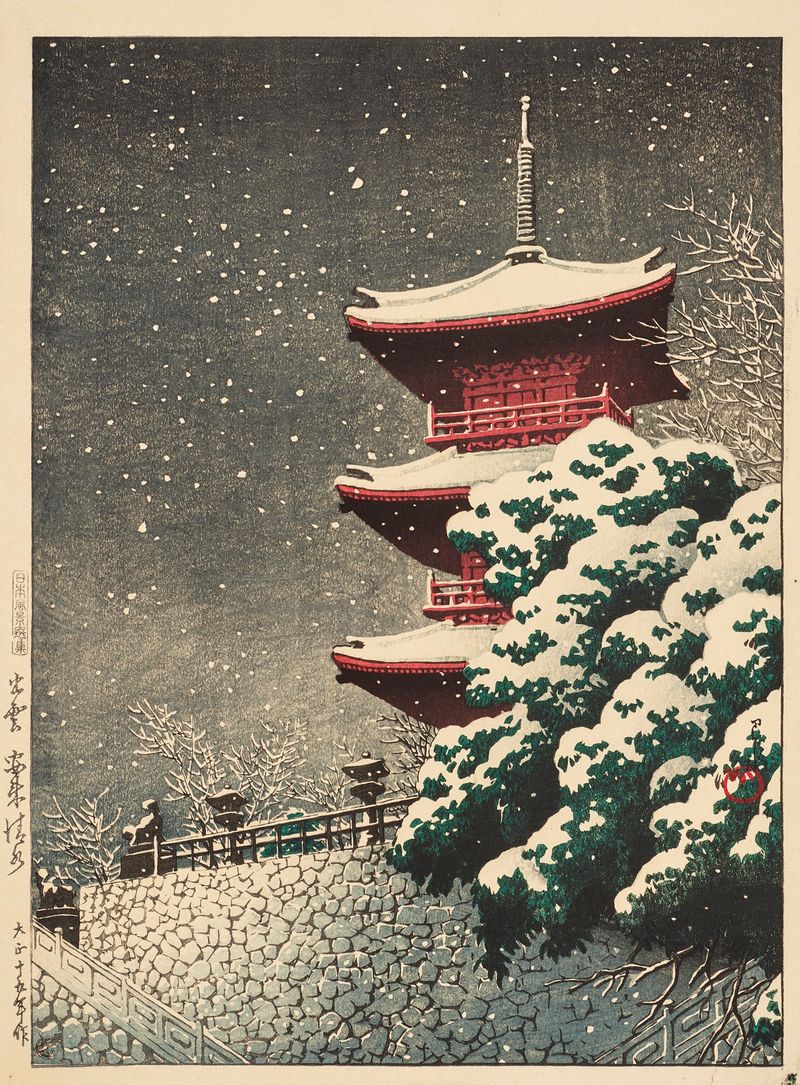
Izumo, Yasugi Kiyomizu (Yasugi Kiyomizu Temple at Izumo)
Kawase Hasui
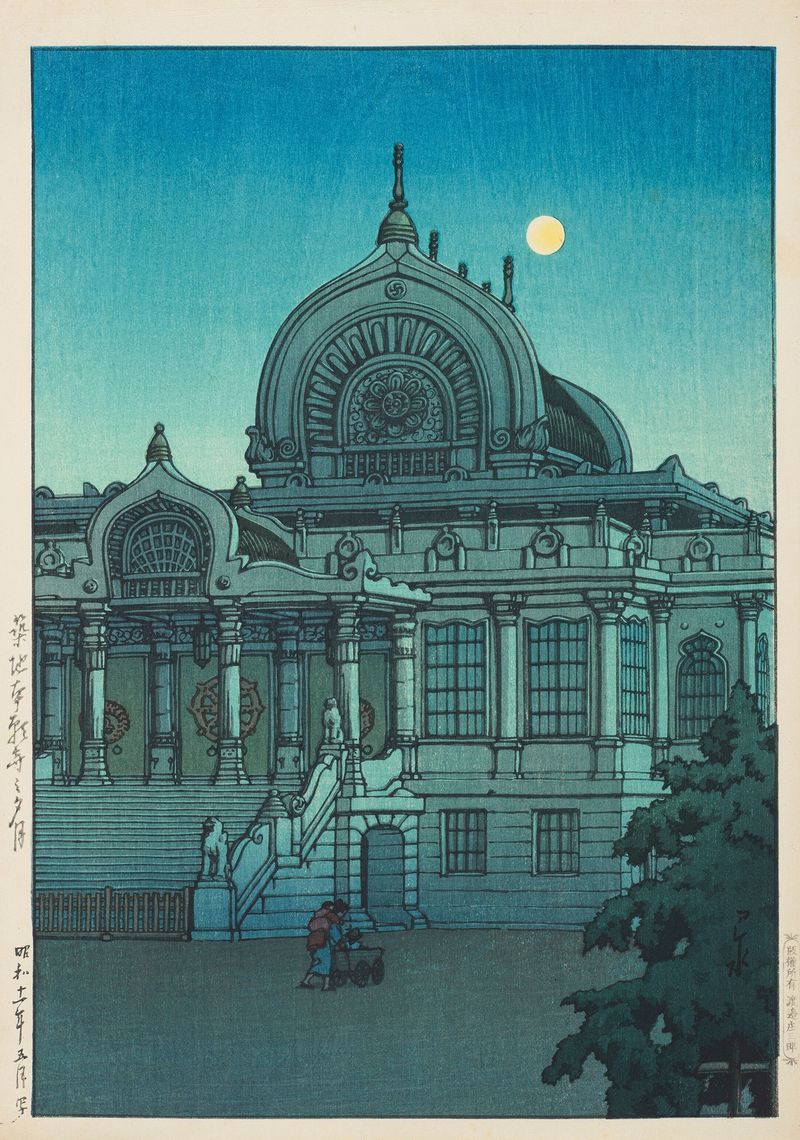
Tsukiji Honganji no yuzuki (Evening moon at Honganji Temple in Tsukiji)
Kawase Hasui
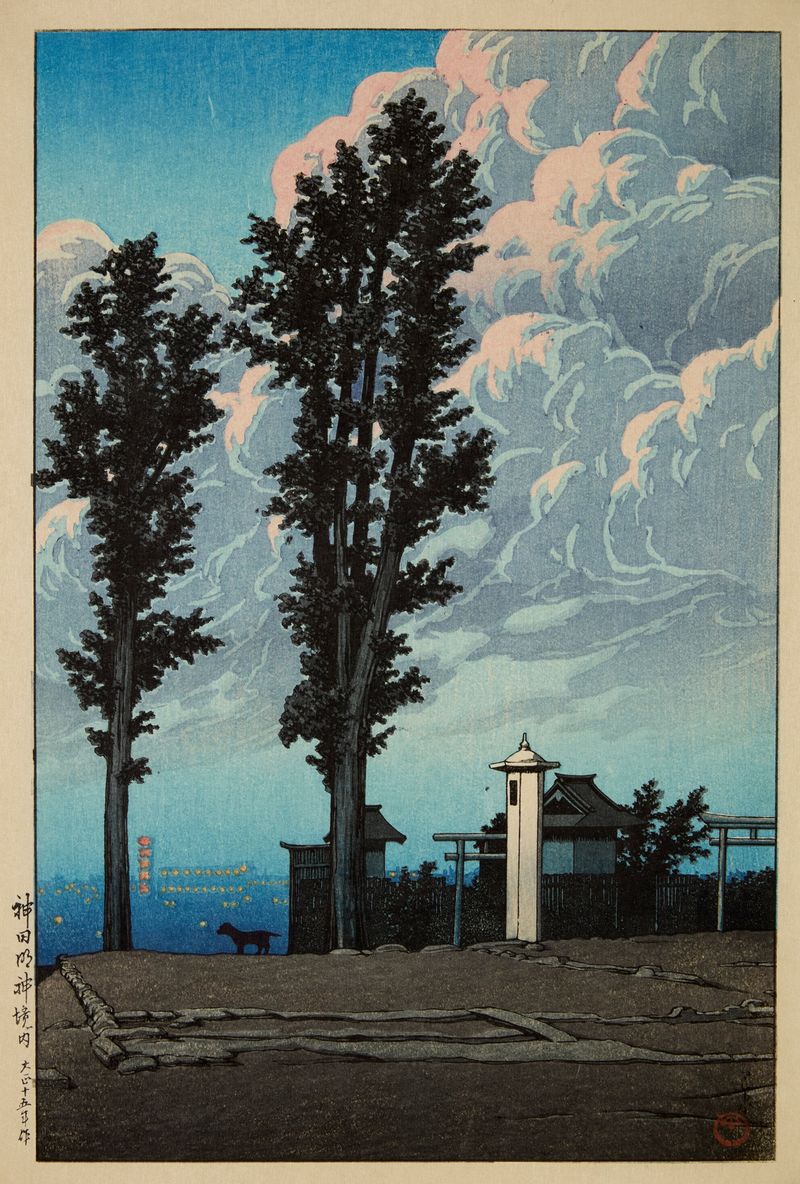
Kanda Myojin keidai (Kanda Myojin Shrine precent)
Kawase Hasui
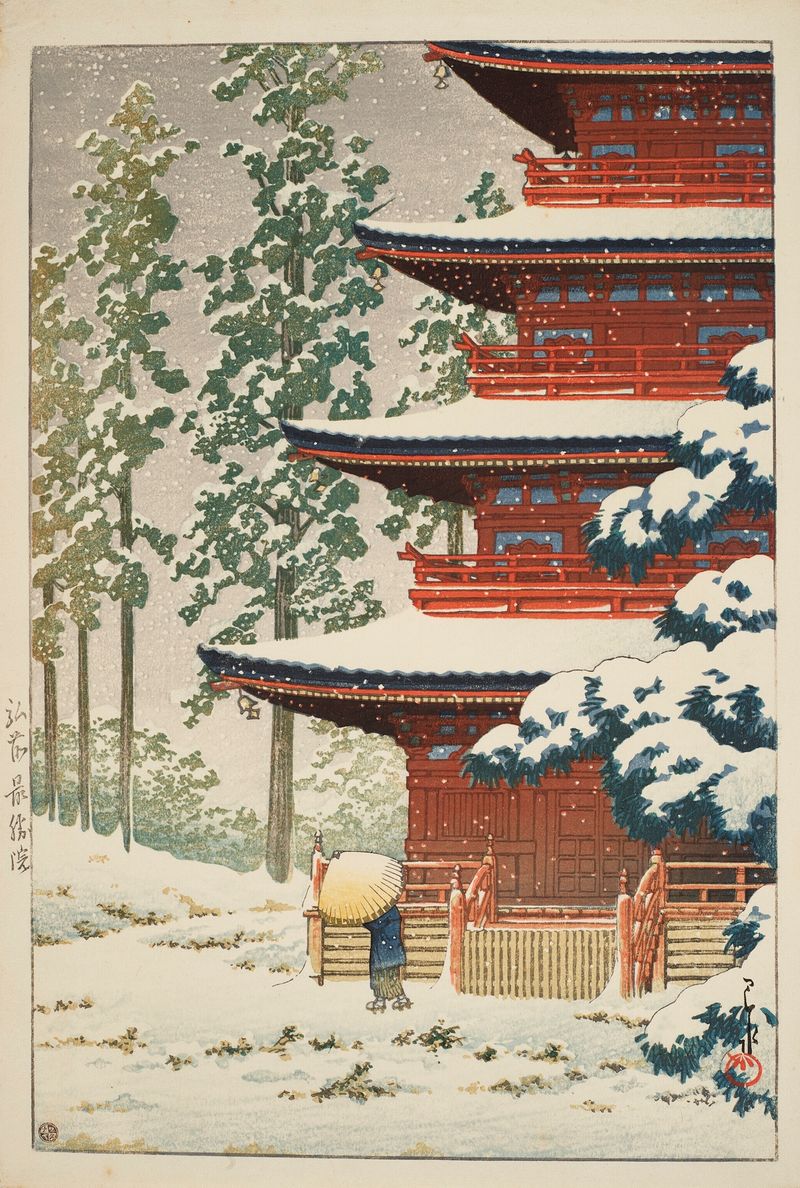
Saisho-in Temple, Hirosaki
Kawase Hasui
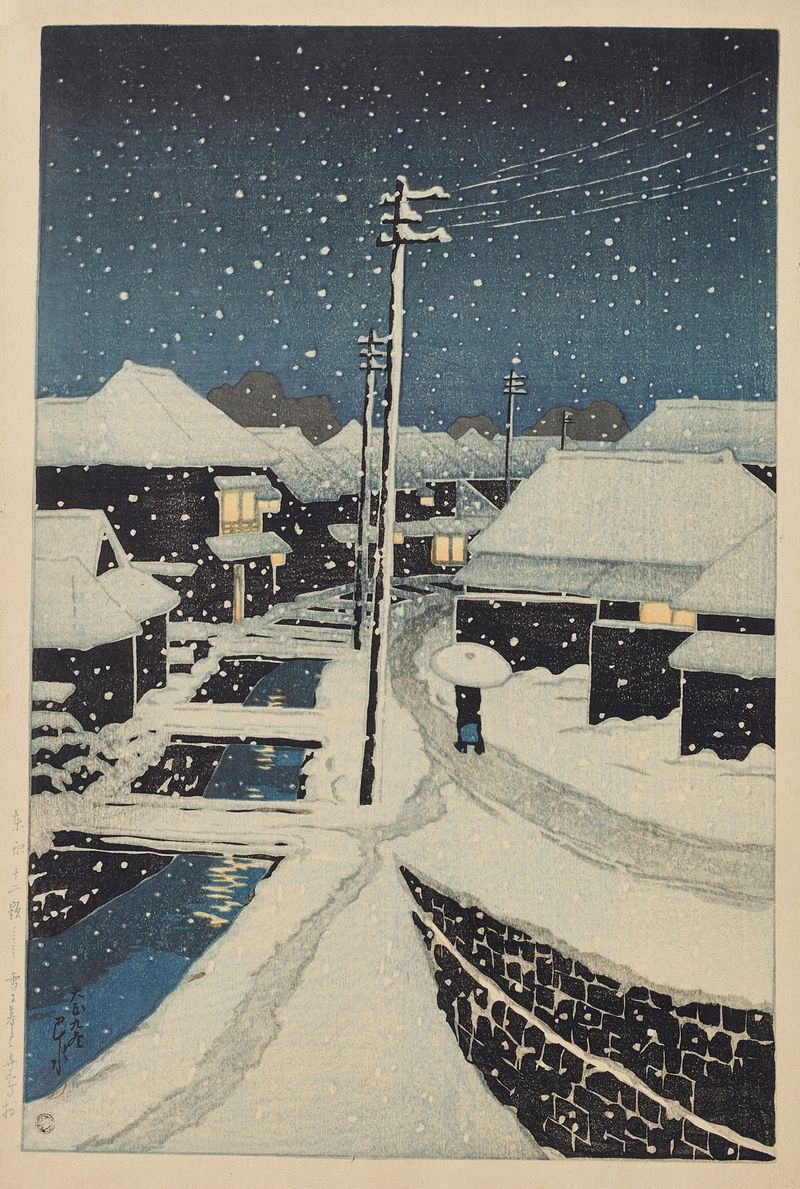
Yuki ni fururu Terajima mura (Evening snow at Terajima Village)
Kawase Hasui
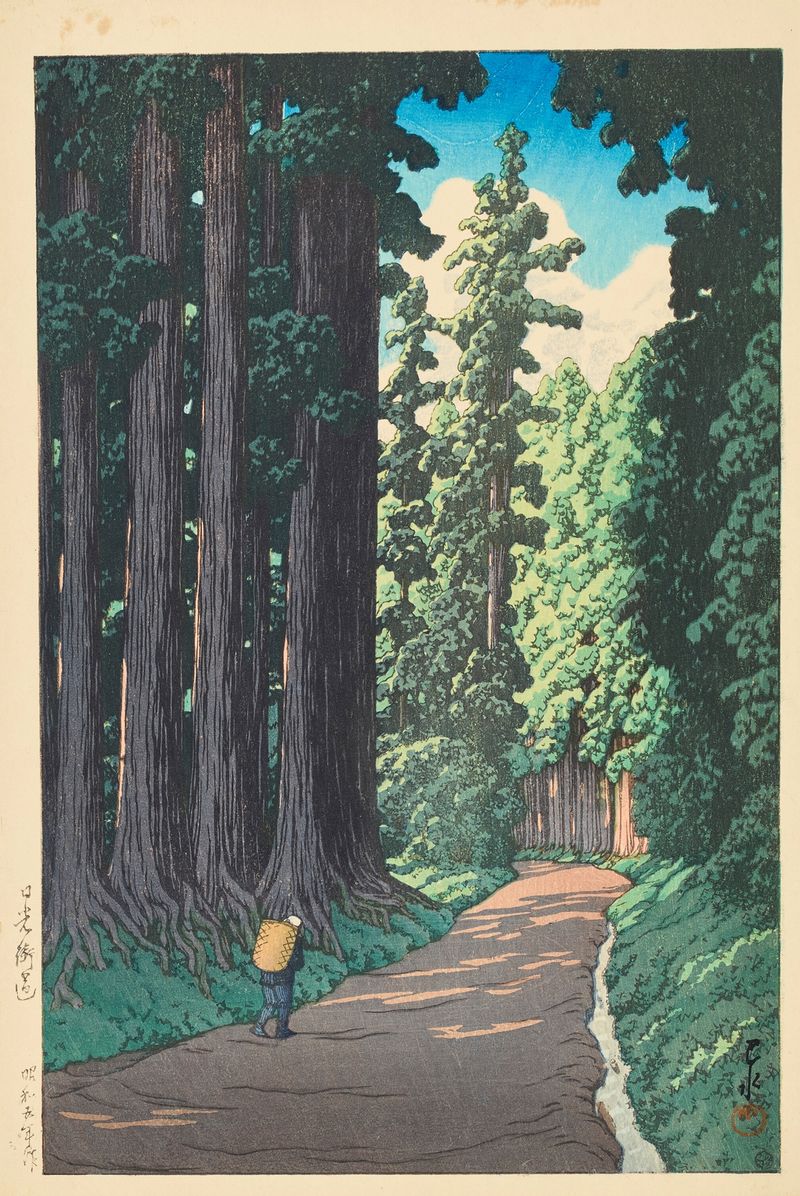
Nikko gaido (The Road to Nikko)
Kawase Hasui
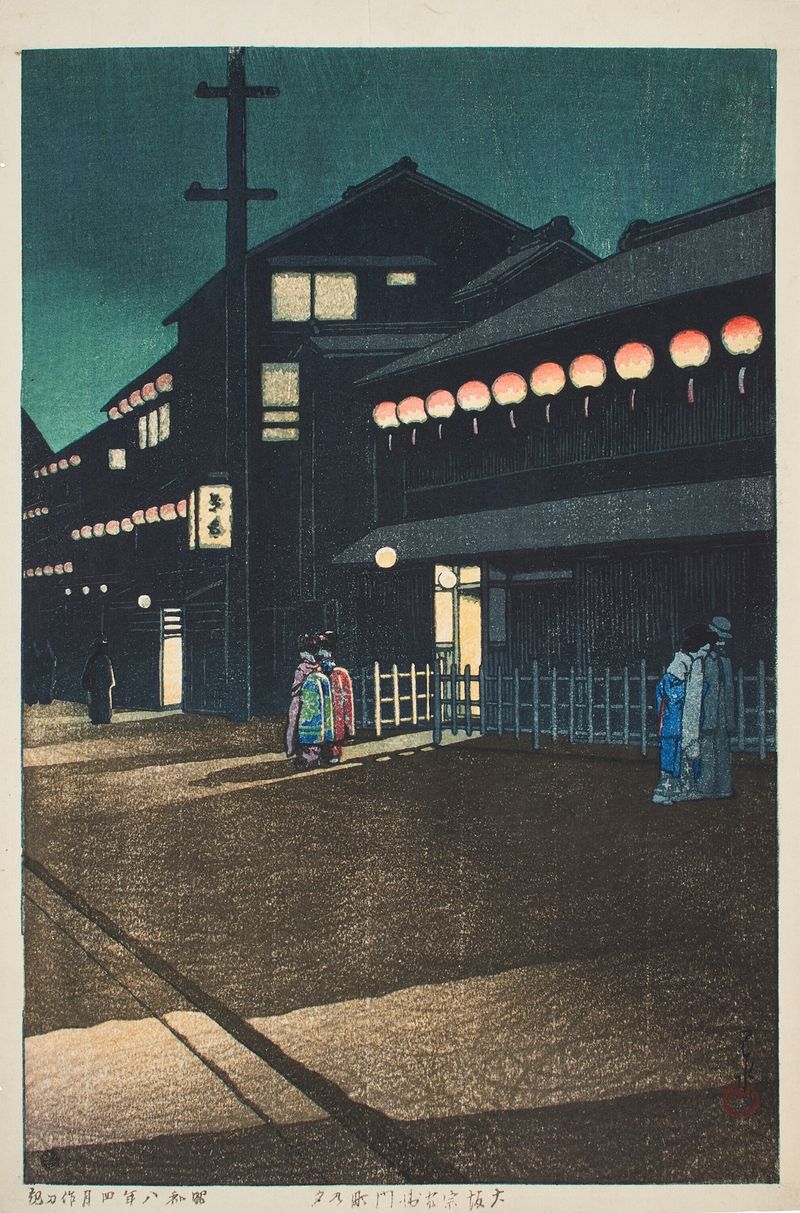
Osaka Soemon-cho no yu (Evening in Soemon-cho, Osaka)
Kawase Hasui
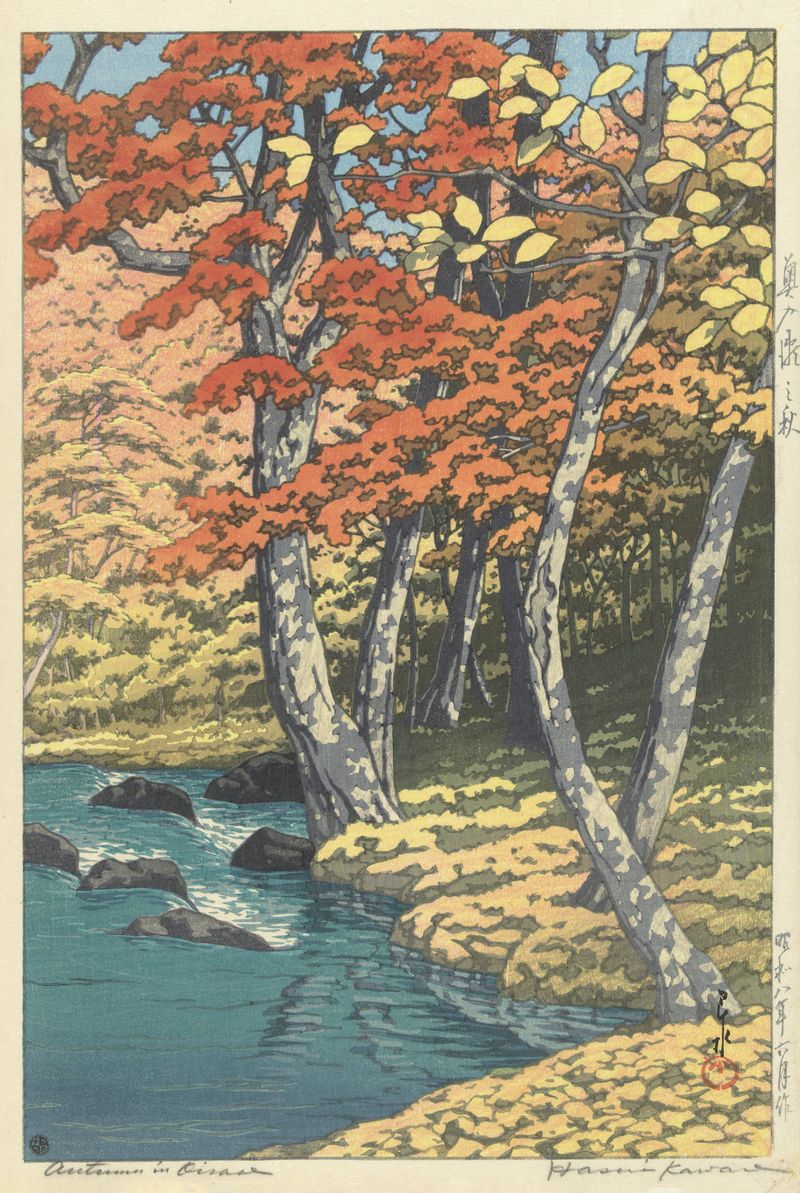
Autumn In Oirase
Kawase Hasui
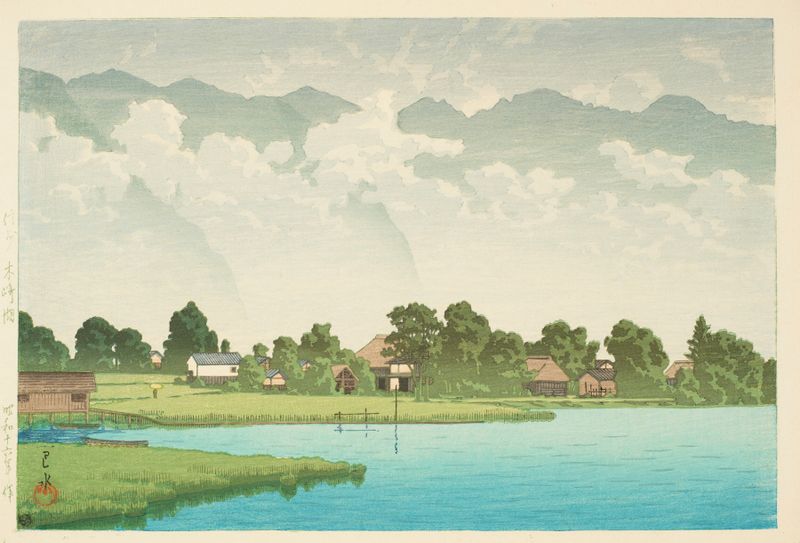
Shinshu Kizakiko (Kizaki Lake in Shinshu)
Kawase Hasui





