Mougins — History & Facts
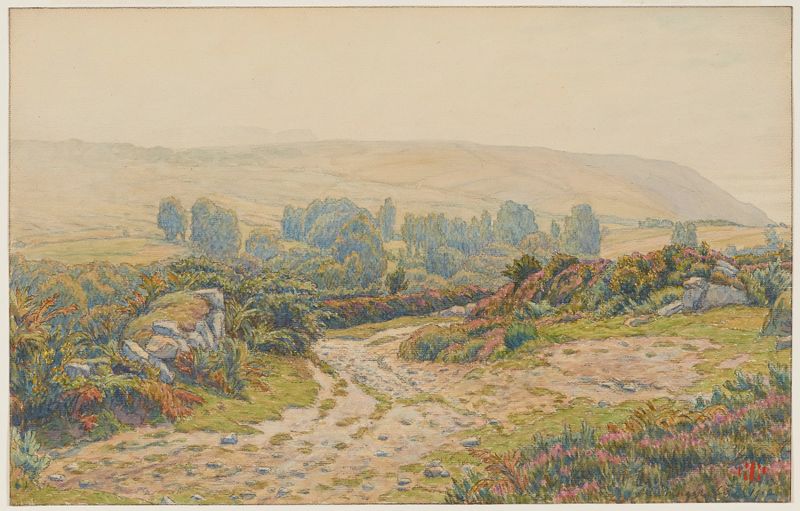
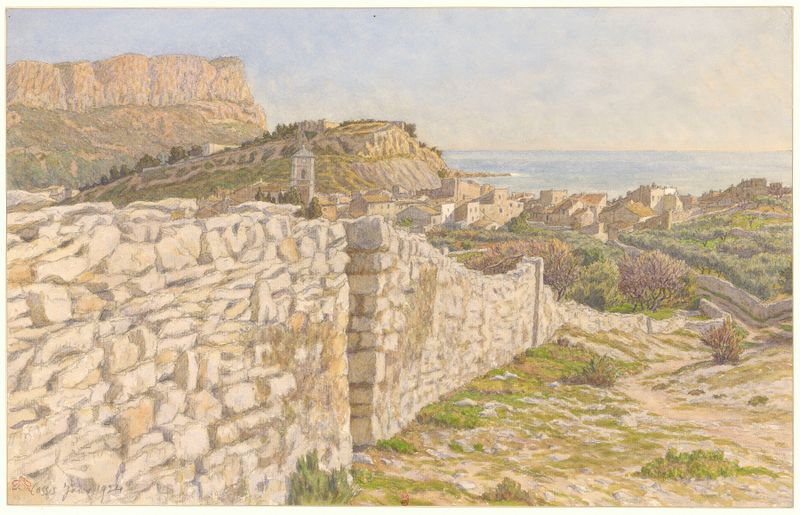
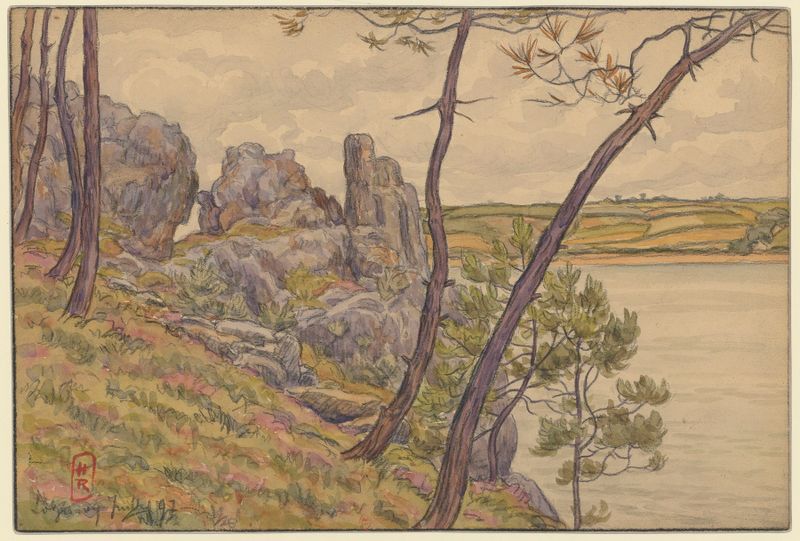
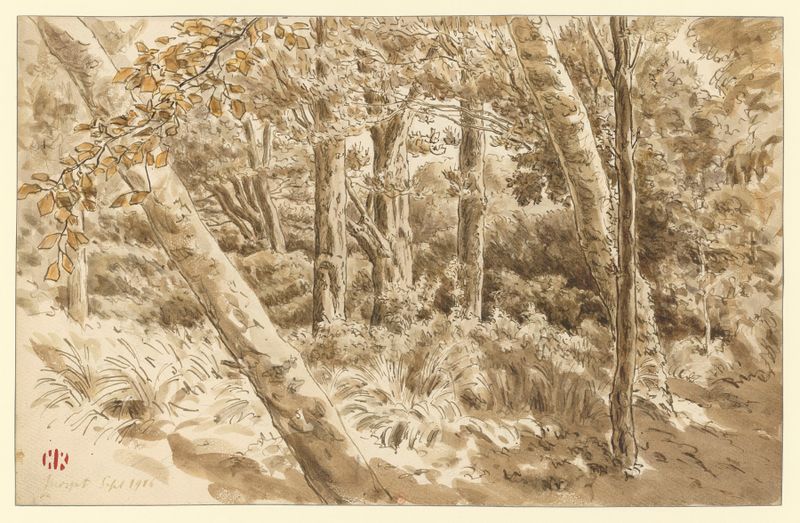
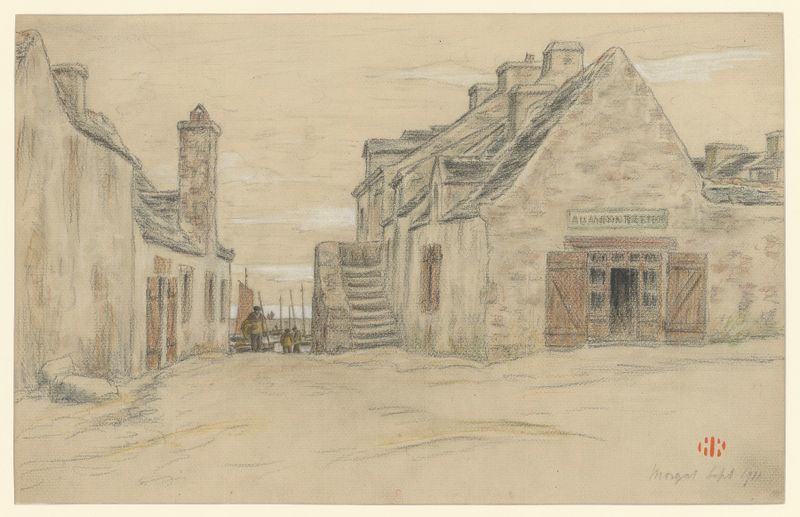
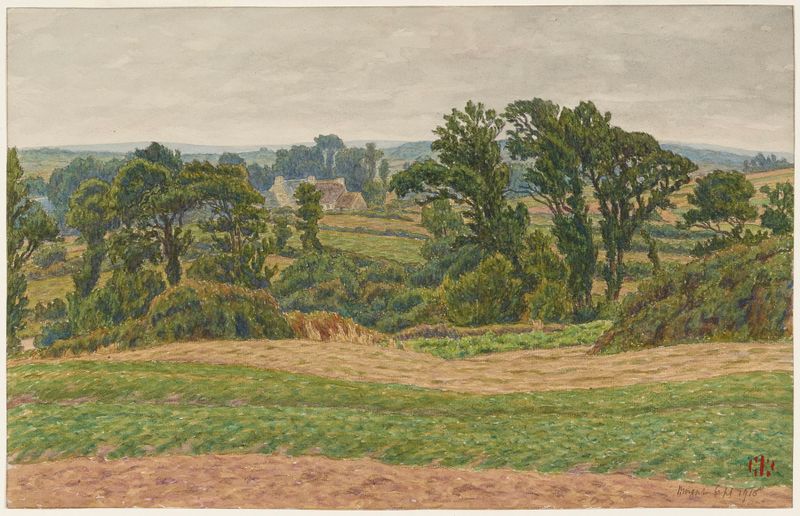
Could beauty survive in a century of chaos? The question lingers as we gaze upon the delicate strokes and serene landscape. Look closely at the foreground, where soft hues of lavender and sage blend seamlessly with the contours of rolling hills. The gentle curves draw the eye toward the quaint village nestled in the background, bathed in the warm glow of late afternoon light. Notice how the dappled sunlight filters through the trees, creating a dance of shadows that adds depth to the composition, inviting peace amid the chaos of the day. Within Mougins, contrasts emerge between the vibrant colors of nature and the subdued, almost melancholic tone of the villagers, who appear distant and ghostly.
This duality evokes a poignant sense of longing, hinting at hidden desires and unfulfilled dreams. The quietude of the scene invites introspection, suggesting that even in times of turmoil, the beauty of the world can provoke a yearning for something greater. In 1935, Henri Rivière found himself in a world undergoing profound change. Living in France, he was surrounded by the echoes of a society grappling with the aftermath of World War I and on the brink of another conflict.
As modernism took hold, his approach to landscape painting reflected a desire to capture fleeting moments of tranquility, aiming to preserve a sense of beauty and nostalgia against the encroaching chaos. In this work, Rivière channels that desire, offering a sanctuary for the soul amidst turmoil.