
Moulin à aube à Uccle-Saint-Job (détail de la roue) — History & Facts
What secret hides in the quiet of the canvas? In this small, yet evocative detail, two worlds collide: the stillness of a mill and the vibrant life around it. Look to the right at the intricately depicted waterwheel, its wooden spokes glistening with the reflection of shimmering sunlight. The soft, muted colors create a harmonious balance that invites the viewer in, while the surrounding greenery whispers of nature's gentle embrace. Here, Taelemans masterfully captures both motion and stillness, the water's flow symbolizing time passing quietly, while the textures of the wood and foliage draw your gaze deeper into the scene. Delve into the interplay of light and shadow as they dance across the canvas, revealing subtle contrasts between the mill’s sturdy structure and the ephemeral nature of water.
The reflections in the water serve as a meditation on transience, suggesting the passage of time and the quiet growth of the surrounding flora. This small detail speaks volumes, hinting at the profound beauty found in everyday life and the hidden joys that often go unnoticed. Jean-François Taelemans painted this piece in 1906 while living in Belgium, a time when Impressionism was evolving and the Naturalist movement was gaining traction. His work reflects the influence of these art movements, focusing on capturing the essence of rural life and the tranquility found in nature’s rhythms.
As he painted, Taelemans sought to connect with a world that was rapidly changing, cherishing the moments that would soon be lost to history.
More Artworks by Jean-François Taelemans
Browse all →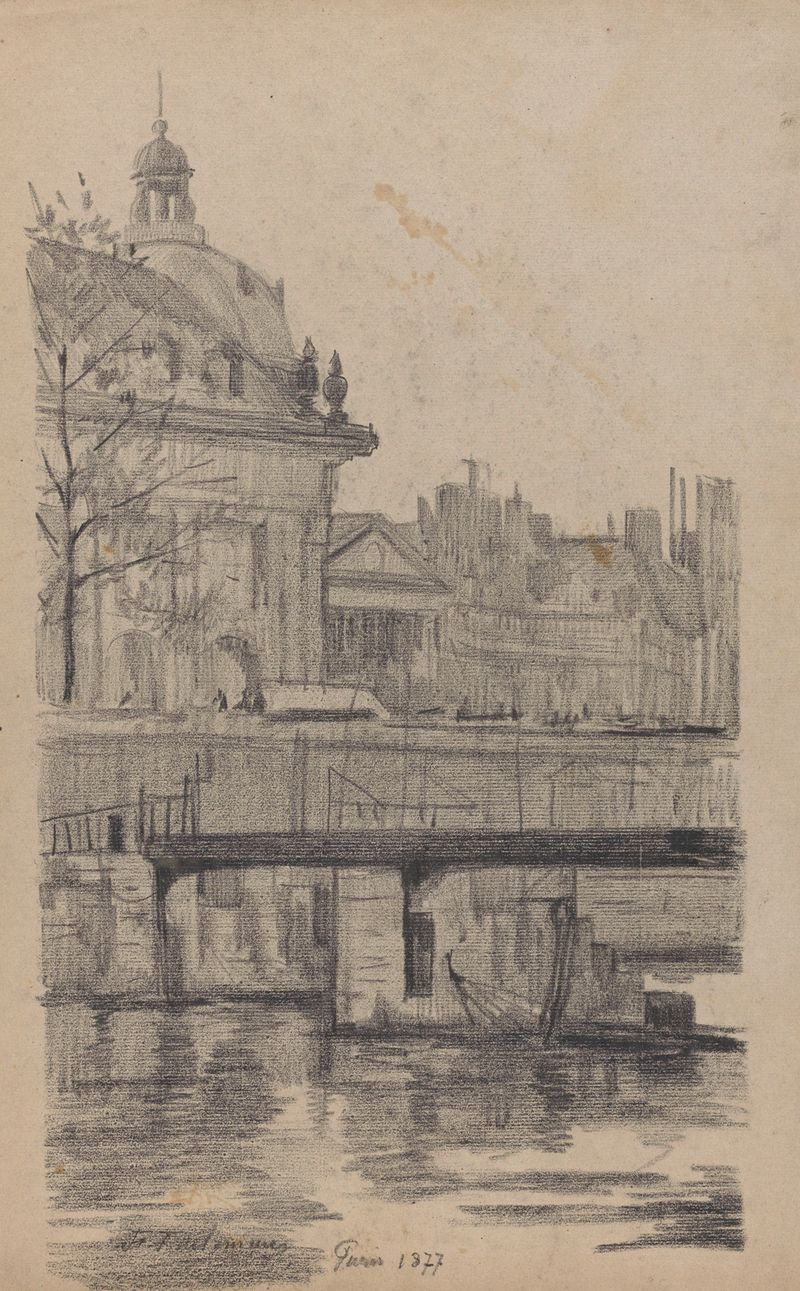
Paris (vue de la Seine et du Collège des Quatre Nations (actuellement siège de l’Institut de France)
Jean-François Taelemans
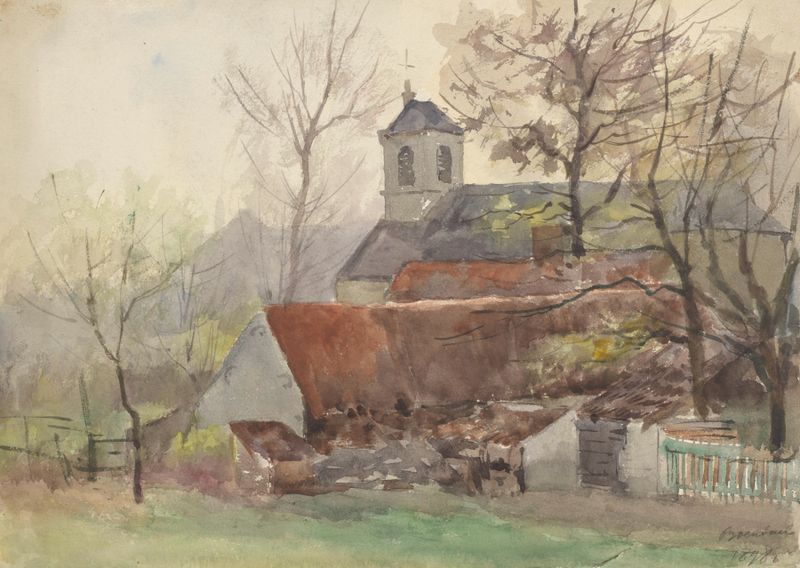
Boendael (église)
Jean-François Taelemans
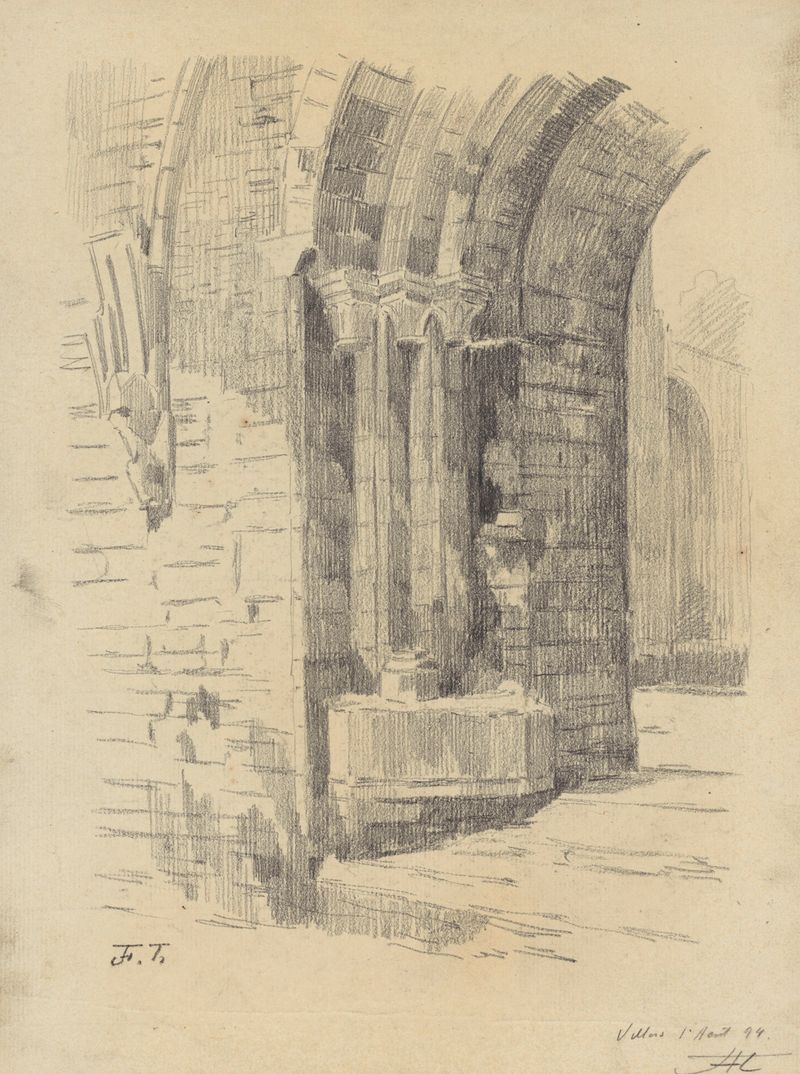
Ruines de l’abbaye de Villers-la-Ville – porche entre le cloître et l’église abbatiale (côté droit)
Jean-François Taelemans
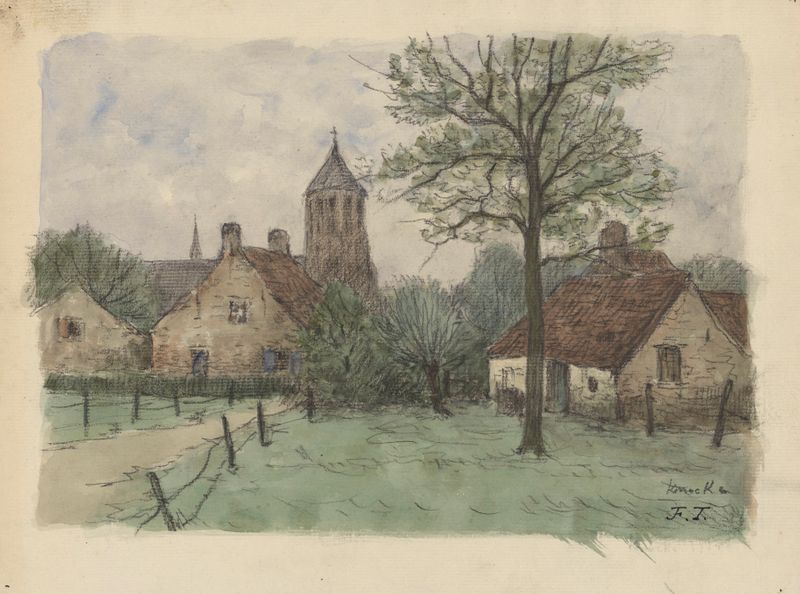
Village et église Sint Margaretha à Knocke
Jean-François Taelemans
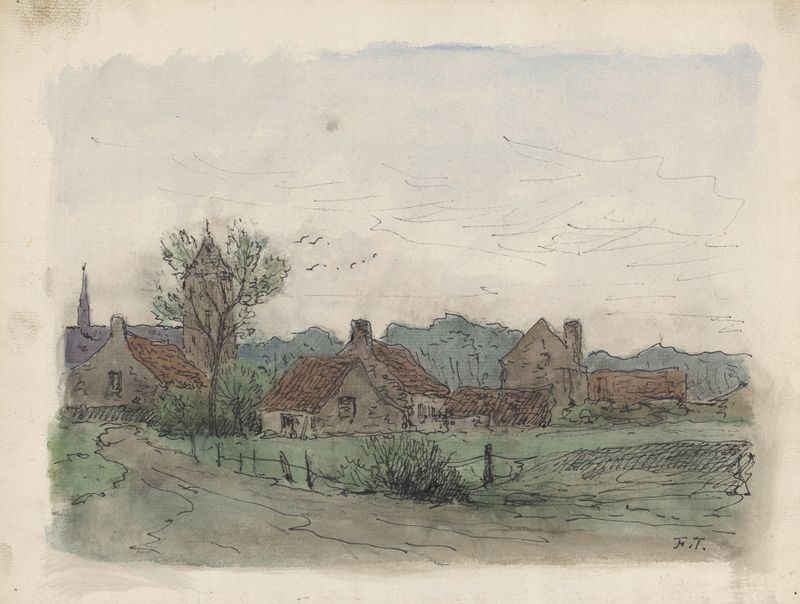
Village
Jean-François Taelemans
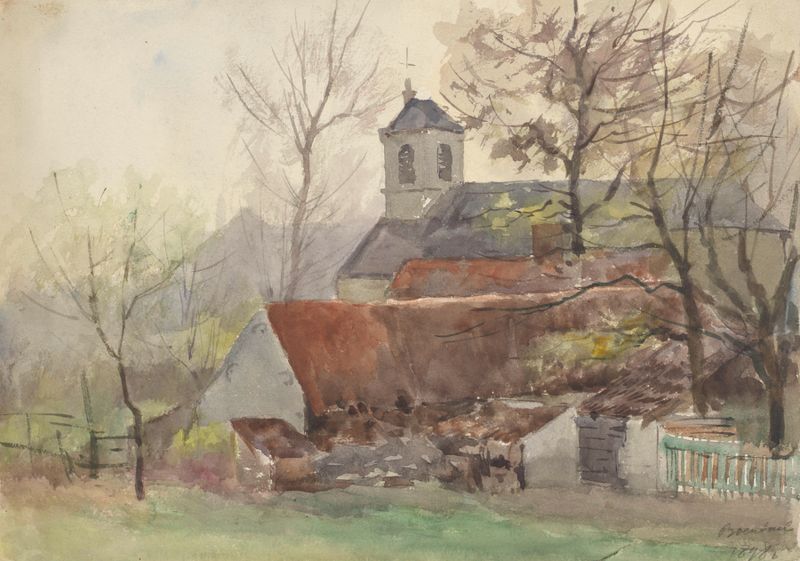
Boendael (église)
Jean-François Taelemans
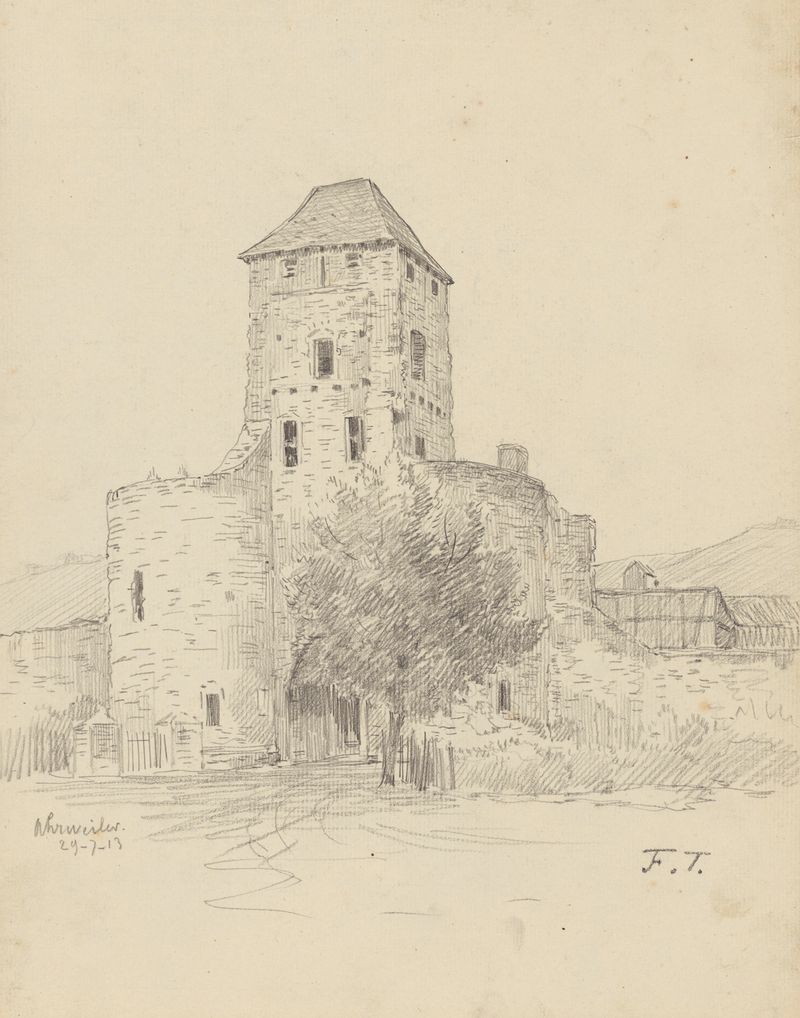
Vieille tour (porte) à Ahrweiler (Allemagne)
Jean-François Taelemans
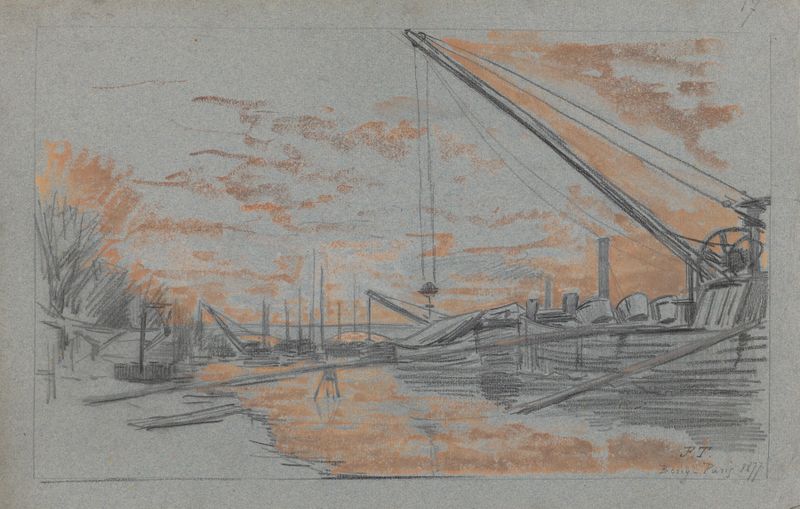
Bercy – Paris (bord de Seine avec chalands à l’ancre en cours de chargement, soleil couchant)
Jean-François Taelemans
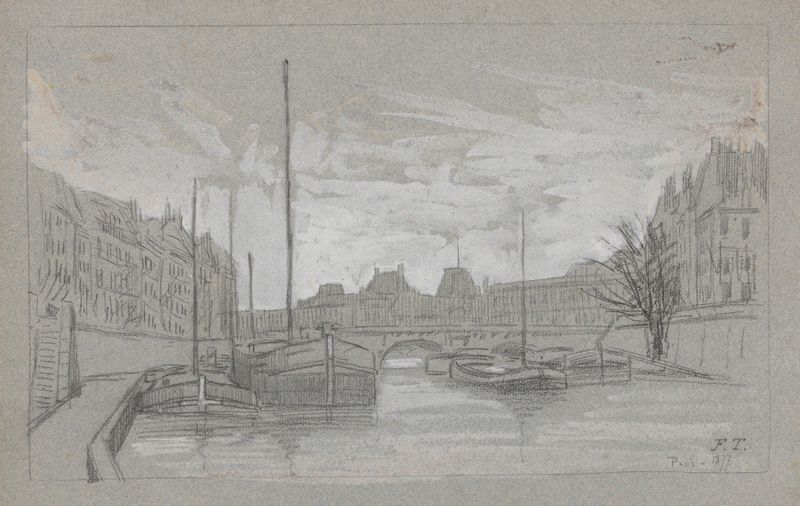
Paris (bateaux sur la Seine près d’un pont)
Jean-François Taelemans
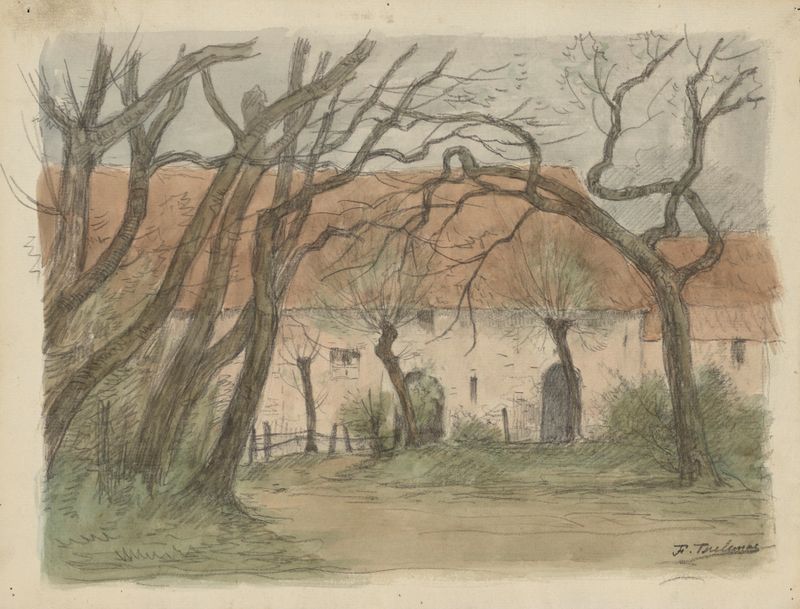
Grande maison campagnarde derrière un bouquet d’arbres
Jean-François Taelemans





