La cueillette des fleurs — History & Facts
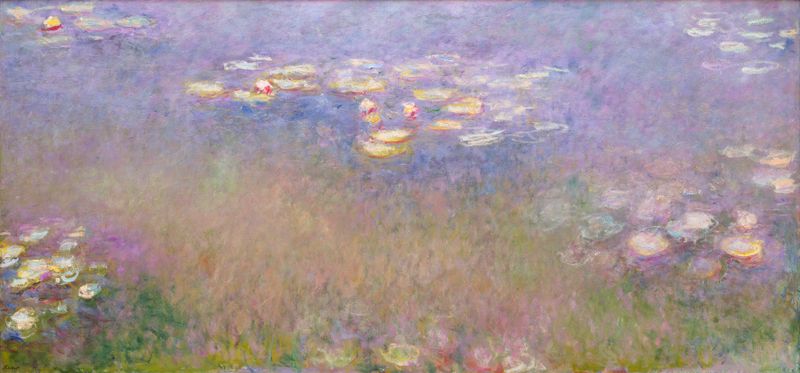
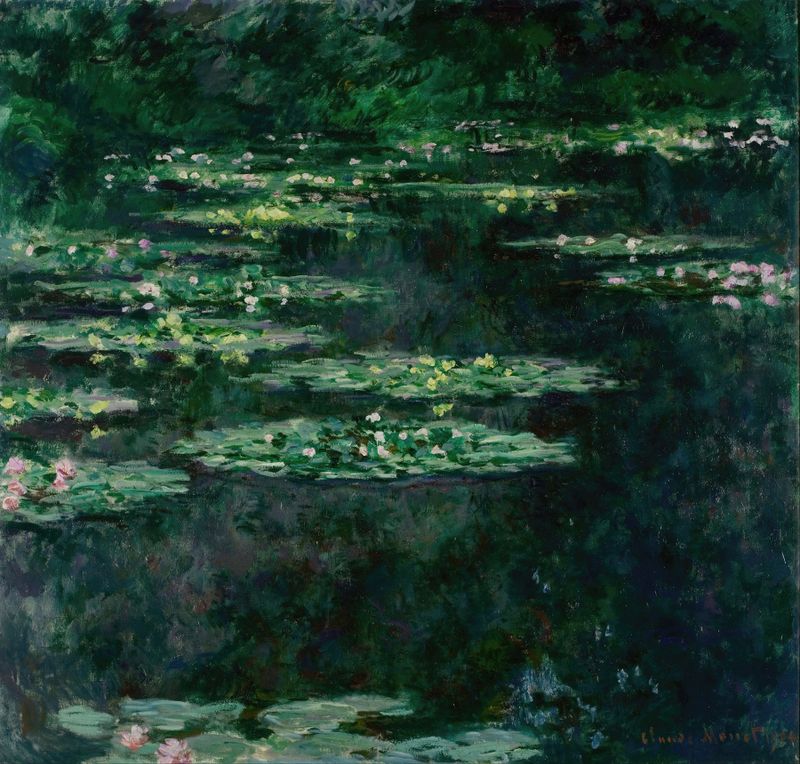
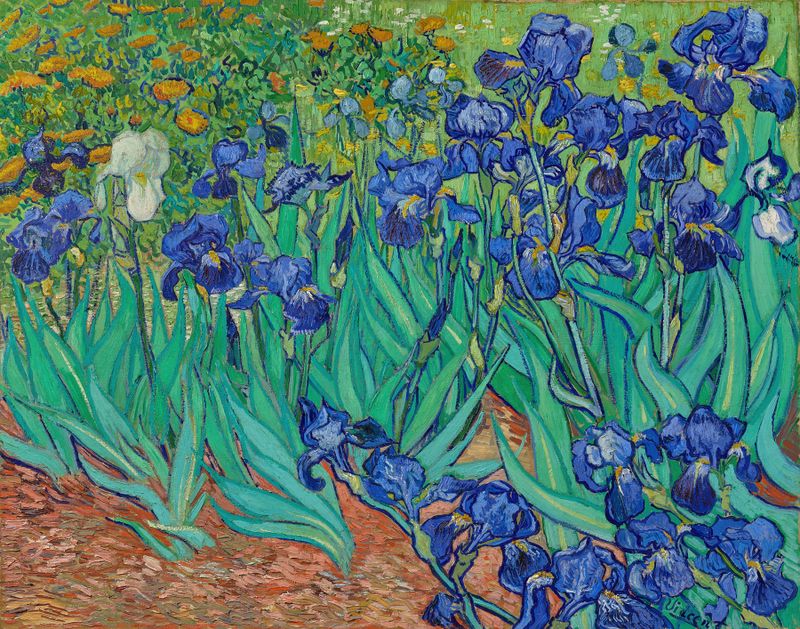
Could beauty survive in a century of chaos? In a world marked by disarray, the fragility of a flower can evoke profound melancholy, a reminder of fleeting moments amid turmoil. Focus first on the soft bouquet in the foreground, where petals unfurl in delicate hues of lavender and gold. The artist employs light strokes that create a sense of movement, as if the blossoms sway gently in an unseen breeze. Each flower seems to capture sunlight, illuminating the canvas with warmth against a muted backdrop, inviting the viewer into a serene yet transient scene. As you look deeper, notice the contrasting shadows in the background.
They resemble a haunting reminder of the chaos outside this moment of beauty—a silent echo of a world that threatens to intrude. The juxtaposition of vibrant flowers against the dim surroundings speaks volumes: it’s a tender yet poignant reflection on the resilience of beauty even in darker times. Each petal, a quiet rebellion against the bleakness of existence, resonates with the viewer's own experiences of loss and hope. Painted during an uncertain era, La cueillette des fleurs emerged from the artistic explorations of Gustave Cariot, who embraced both impressionism and post-impressionism in his work.
Though the exact date remains unknown, it is clear that the artist sought to encapsulate a moment of tenderness amidst the unrest of his time, navigating the shifting tides of modernity while searching for solace in nature’s ephemeral grace.
More Artworks by Gustave Cariot
Browse all →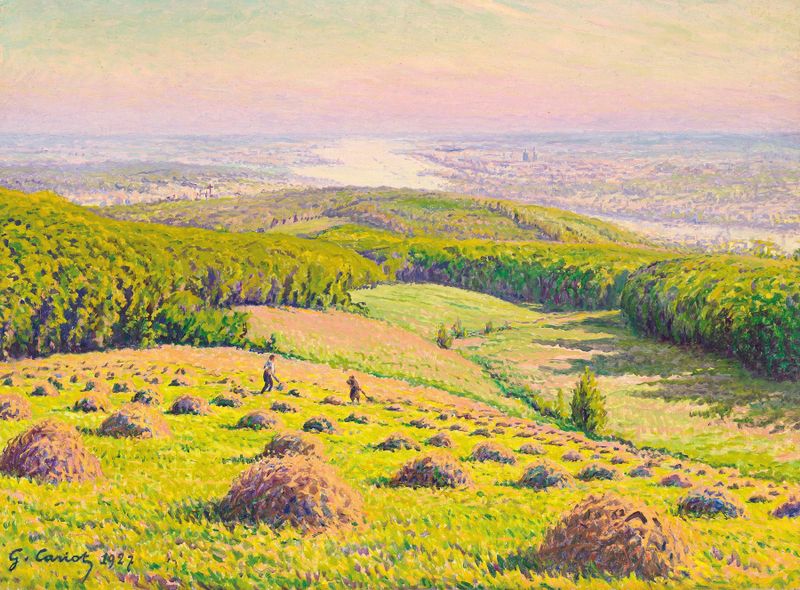
La vallée
Gustave Cariot

Le Jardin
Gustave Cariot

Les meules
Gustave Cariot
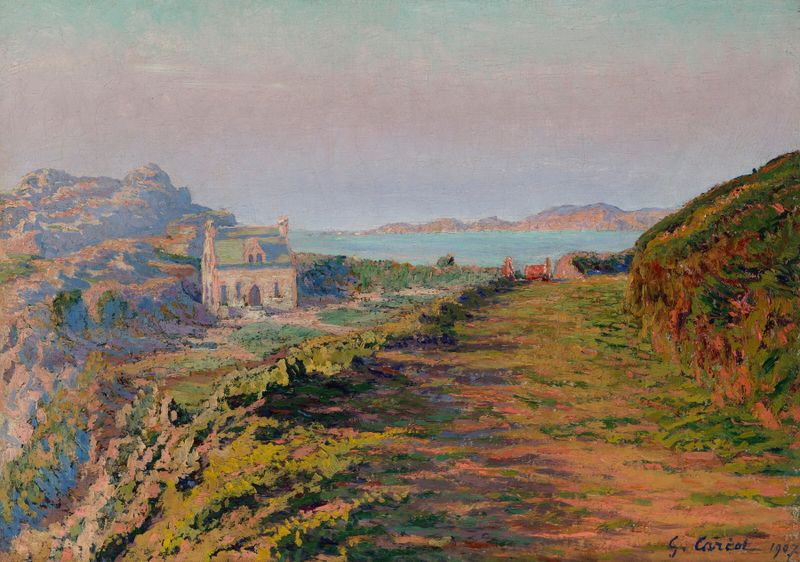
Maison Pen ar C’hastel à la pointe du Château, Perros-Guirrec
Gustave Cariot
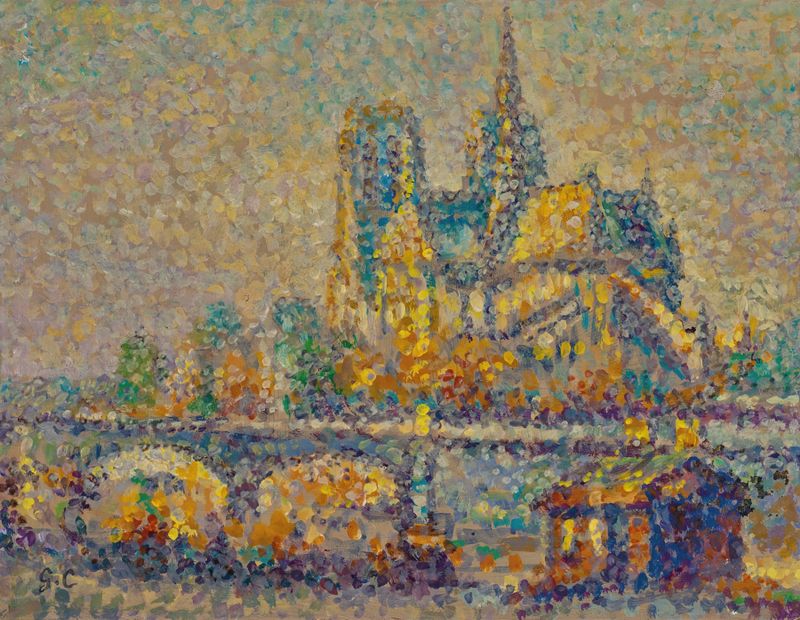
Notre-Dame de Paris
Gustave Cariot
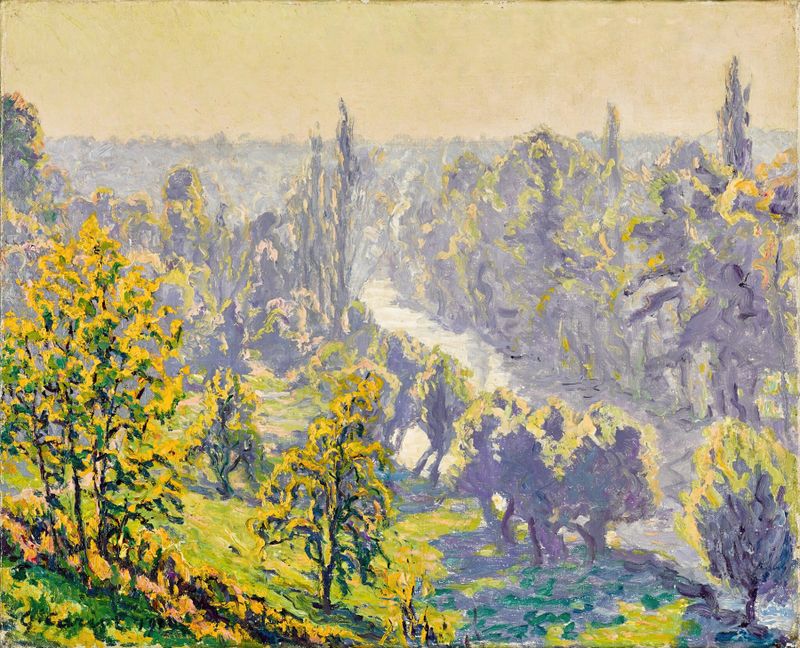
Périgny, automne, matinée sur l’Yerres
Gustave Cariot
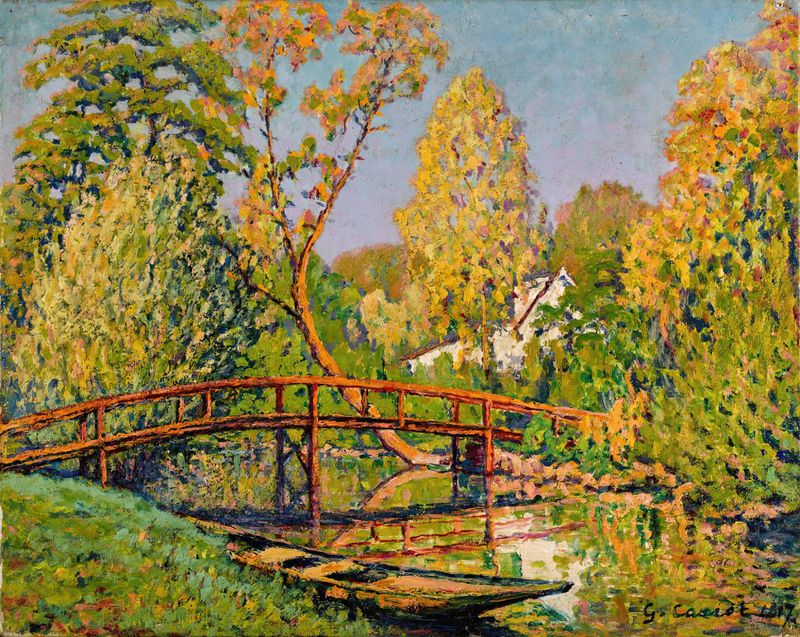
Périgny, pont sur l’Yerres
Gustave Cariot
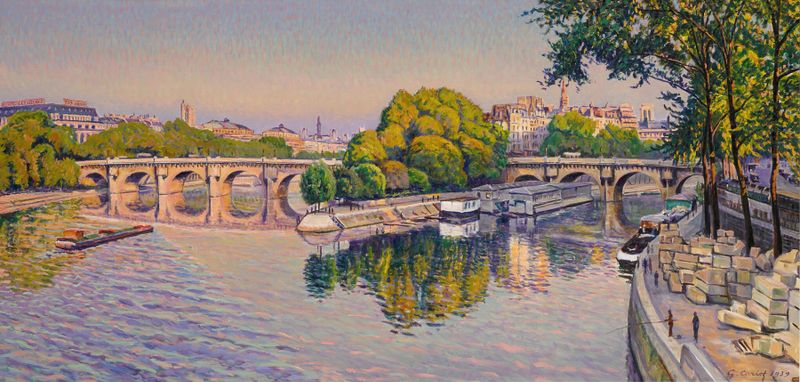
Le Pont-Neuf, eté, 20 heures
Gustave Cariot

Moulin de Périgny
Gustave Cariot

Le chemin à Mandres
Gustave Cariot