
Mountain Landscape — History & Facts
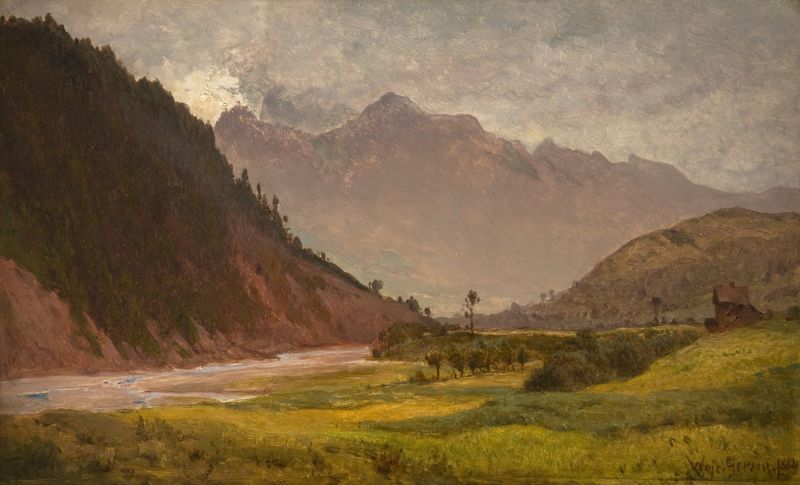
Where does light end, and longing begin? This question resonates deeply in the subtle interplay of shadow and radiance found in the landscape before us. Look to the horizon where gentle peaks rise to meet a vast sky, painted in soft hues of blue and gold. The foreground invites your gaze with lush greenery, vibrant and alive, while the distant mountains are rendered in a delicate haze, creating a sense of depth and distance. Gerson's brushstrokes are both meticulous and flowing, capturing the transient beauty of nature in a way that feels both intimate and expansive, as if time itself has paused to admire the view. Within this serene expanse lies an emotional tension — the juxtaposition of the vibrant foreground against the muted mountains suggests a yearning for connection to something greater than oneself.
The interplay between light and shadow evokes a sense of mortality, reminding us that beauty is fleeting, yet it compels us to seek solace in nature's enduring presence. Each element, from the rustling leaves to the distant peaks, holds a narrative of both life and inevitability. In 1855, during a period of artistic exploration in Poland, Gerson created this evocative work amidst the rise of Romanticism, which sought to capture the sublime beauty of nature. At this time, he was solidifying his reputation as a significant figure in Polish landscape painting, drawing inspiration from the world around him and reflecting on humanity's place within it.
His dedication to capturing the essence of landscapes marked an important evolution in the portrayal of the natural world in art.
More Artworks by Wojciech Gerson
Browse all →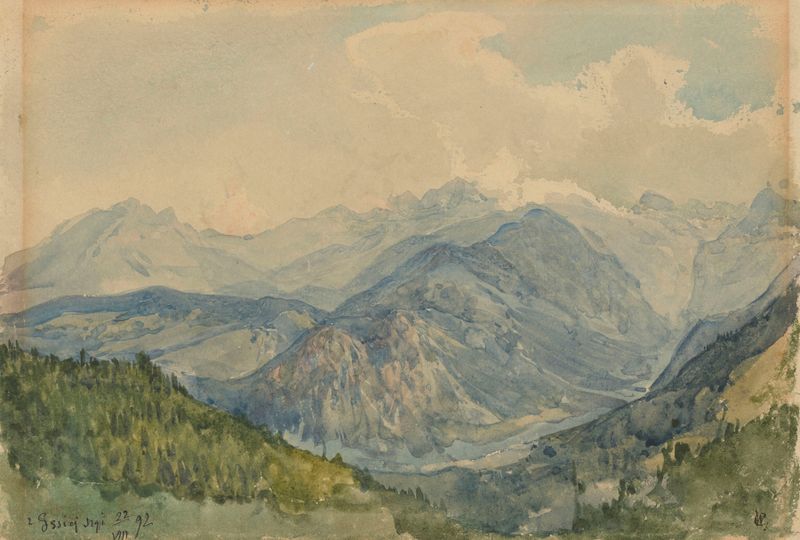
View from Gęsia Szyja Peak in the Tatra Mountains
Wojciech Gerson

View of Płock
Wojciech Gerson
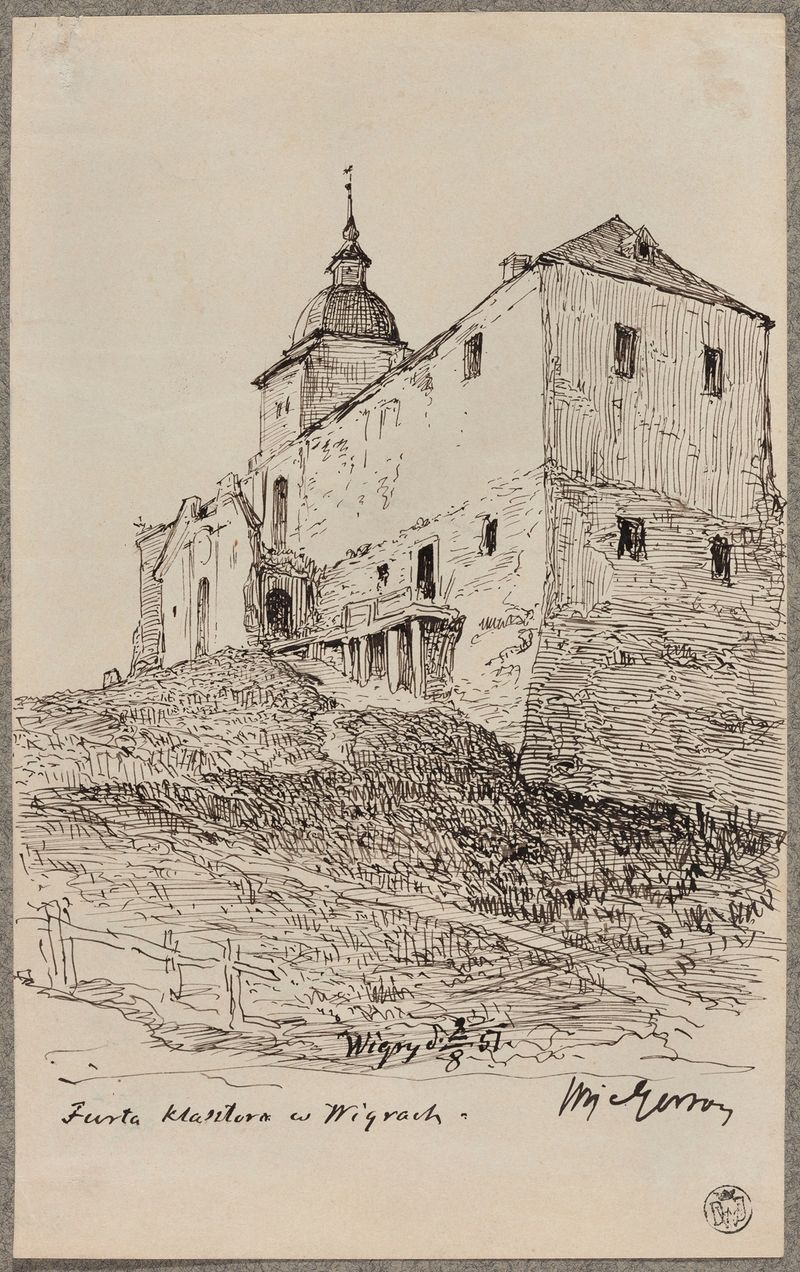
Furta klasztoru w Wigrach
Wojciech Gerson

Dom Długosza w Sandomierzu, tzw. Czerwona Kamienica
Wojciech Gerson
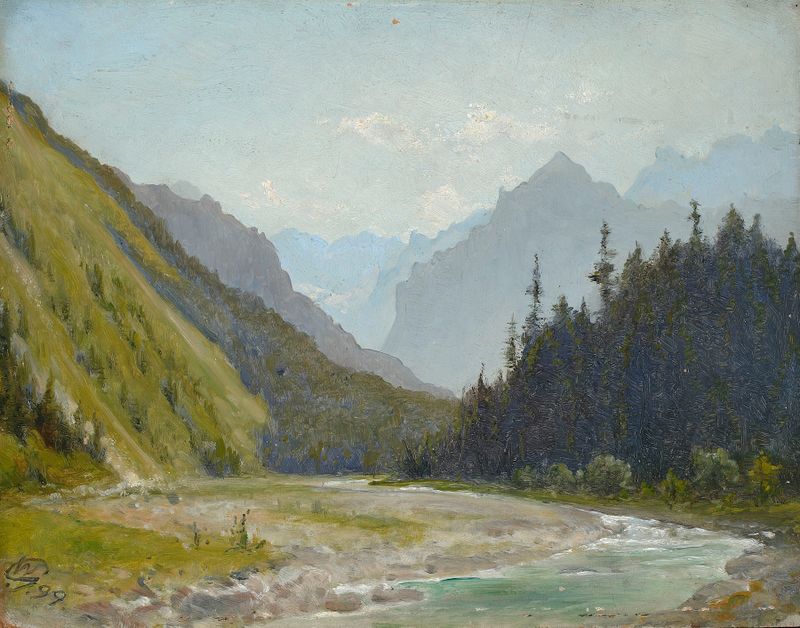
White Water Valley in the Tatra Mountains
Wojciech Gerson
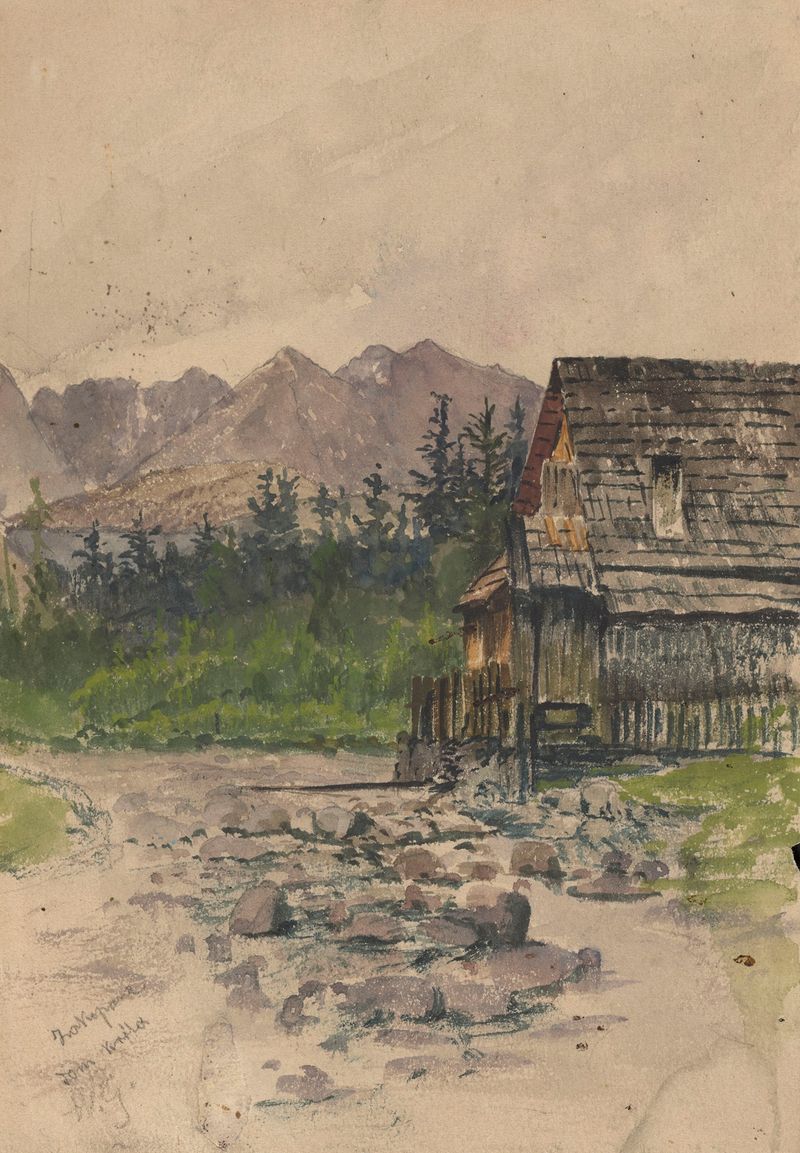
Landscape of the Tatra Mountains
Wojciech Gerson
Fair Weather in the Pieniny Mountains
Wojciech Gerson

Rockslide in the White Water Valley in the Tatra Mountains
Wojciech Gerson

Graveyard in the mountains
Wojciech Gerson

Mountain Landscape
Wojciech Gerson





