
Mountain with Cascade — History & Facts
The allure of nature often masks the sorrow that lies beneath its surface, a duality reflected in the serene yet haunting landscape before us. Focus on the majestic mountain range that dominates the canvas, the soft blues and greens breathing life into the scenery. Notice how the delicate brushstrokes create a sense of movement in the cascading water, flowing gracefully down the rocks, glistening in the light. The warm golden hues kiss the mountain tops, revealing the intricate textures and shadows that convey both majesty and melancholy, leaving viewers entranced by its beauty and complexity. Yet, beyond the idyllic representation lies a deep emotional resonance.
The cascading water can be seen as a metaphor for grief, flowing endlessly and yet transient, suggesting the inevitable passage of time and the scars it leaves behind. The contrast between the vibrant colors of the foliage and the muted tones of the rocks underscores the tensions between life and loss, presenting a landscape that is at once captivating and filled with hidden sorrow. William Stanley Haseltine painted this work amidst a period of personal and artistic exploration in the late 19th century, likely in the context of the Hudson River School's romanticism. As he sought to capture the sublime beauty of nature, Haseltine was influenced by the shifting ideals of American art, which increasingly embraced realism and emotional depth, reflecting the complexities of life itself.
More Artworks by William Stanley Haseltine
Browse all →
Mill Dam in Traunstein
William Stanley Haseltine
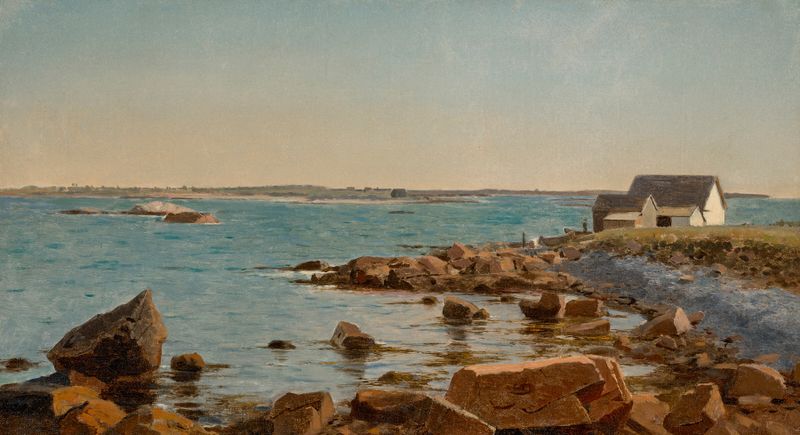
Nahant Coast
William Stanley Haseltine
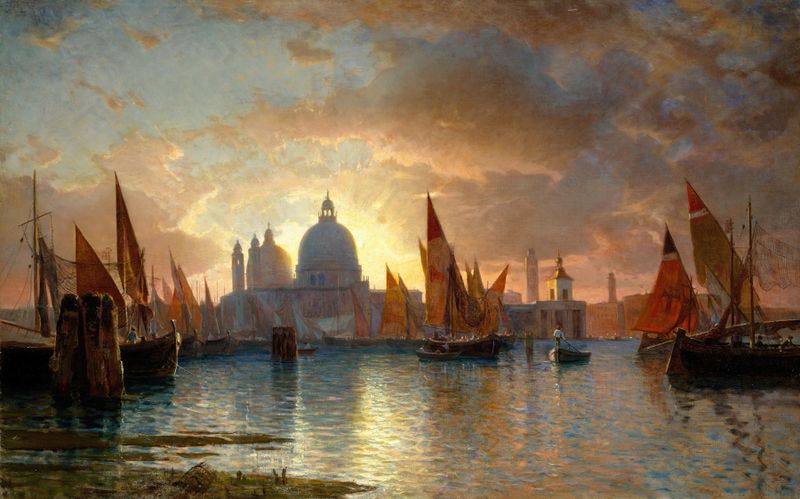
Santa Maria della Salute, Sunset
William Stanley Haseltine
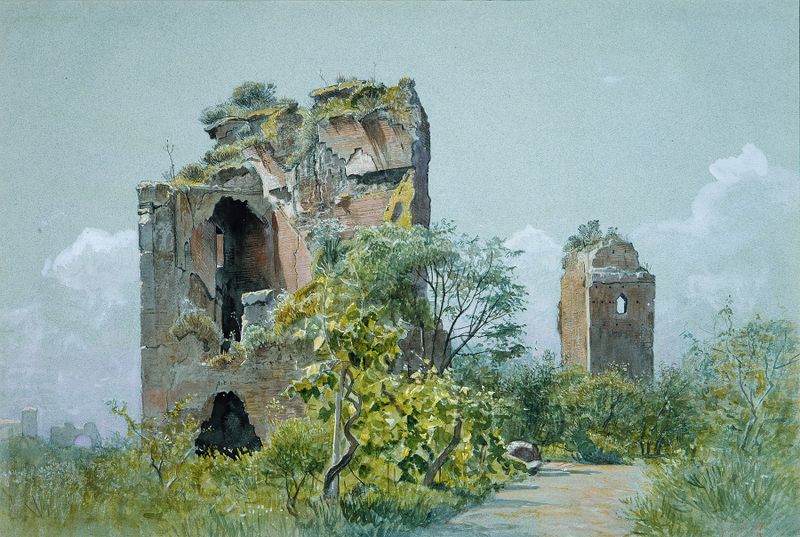
Baths of Trajan (Sette Sale, Villa Brancaccio, Rome)
William Stanley Haseltine
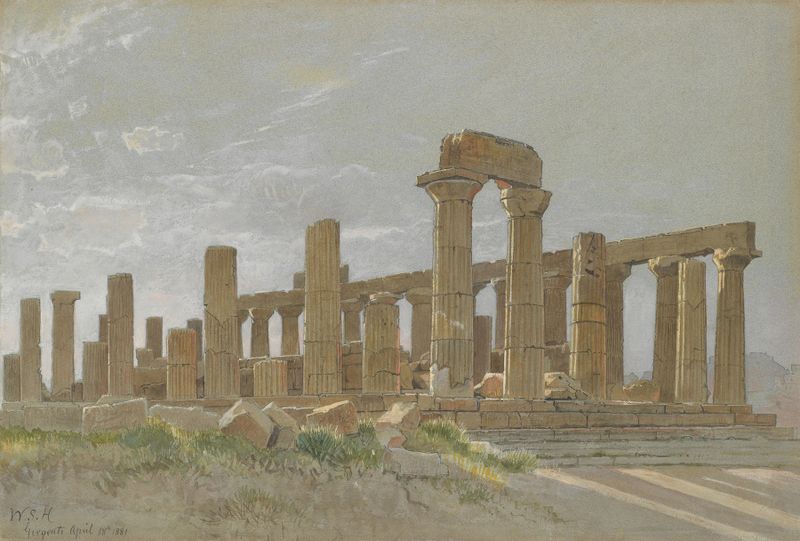
Girgenti (The Temple of Juno Lacinia at Agrigentum)
William Stanley Haseltine

Italian Hills
William Stanley Haseltine
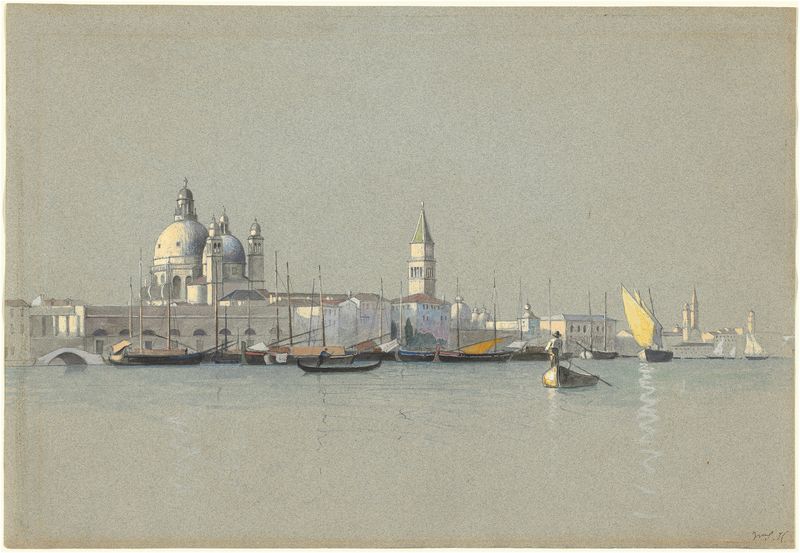
View across the Giudecca Canal toward the Salute and the Campanile of San Marco
William Stanley Haseltine
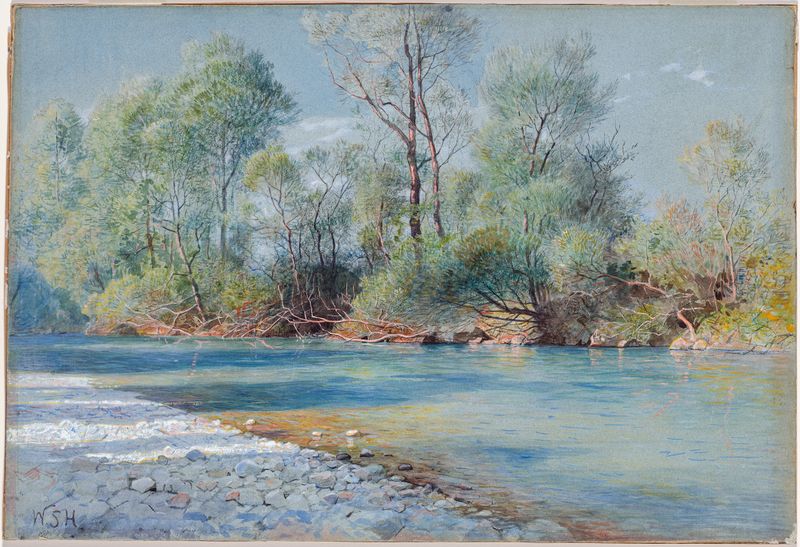
Traunstein River on the Road to Empfig, Bavaria
William Stanley Haseltine

Coast of Capri
William Stanley Haseltine
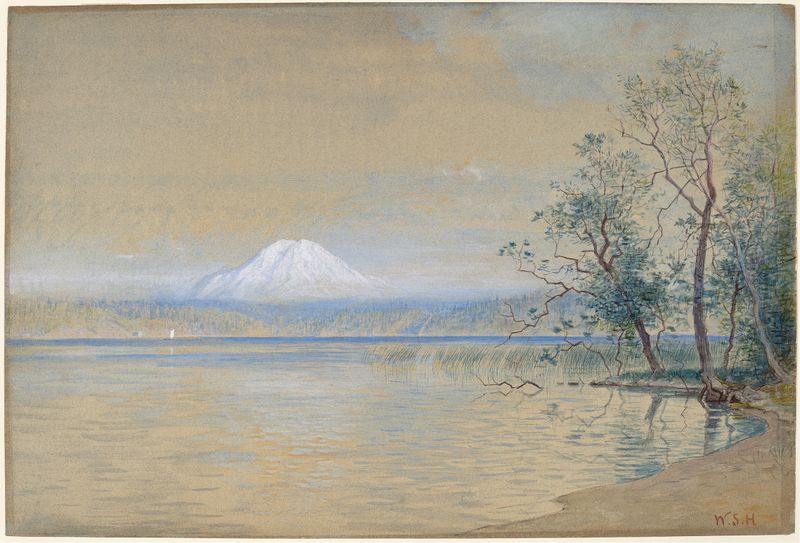
Mount Tacoma
William Stanley Haseltine





