
Mountainous Landscape — History & Facts
Where does light end, and longing begin? In the vast expanse of Mountainous Landscape, a quiet dialogue emerges between earth and sky, inviting contemplation of the sublime. Look to the horizon first, where the towering peaks pierce the blue, their jagged silhouettes softened by a gentle haze. Notice how the artist employs a delicate palette of greens and browns to evoke the lush valleys, contrasting them skillfully with the ethereal white clouds that drift lazily above. The brushwork, both intricate and fluid, creates a sense of movement, drawing your eyes across the sweeping landscape, as if you are journeying through the undulating terrain. Yet within this serene vista lies an underlying tension.
The brightness of the sunlit peaks suggests hope and aspiration, while the shadowed crags below hint at the trials of existence. The interplay of light and shadow symbolizes a deeper yearning for transcendence — the desire to rise above worldly concerns. Small details, like the solitary tree standing resolutely on a precipice, evoke resilience, while the distant mountains embody the human quest for meaning in the vast unknown. Guillam Dubois created this work between 1630 and 1660, a period marked by his exploration of landscapes that blend realism with a sense of the mystical.
Living in the Dutch Golden Age, when artists were increasingly turning to nature for inspiration, he reflected a world steeped in both beauty and philosophical inquiry, capturing the essence of humanity’s relationship with the natural world.
More Artworks by Guillam Dubois
Browse all →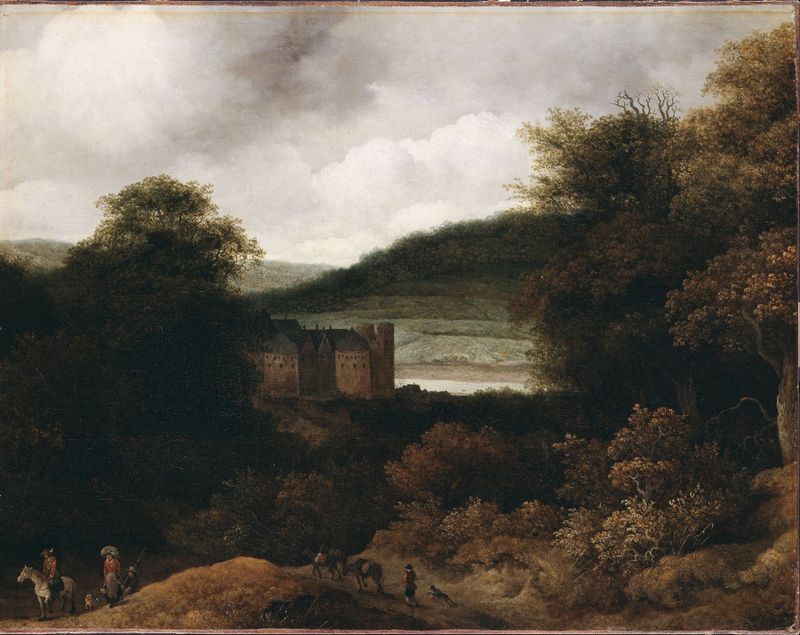
View on the Rhine
Guillam Dubois
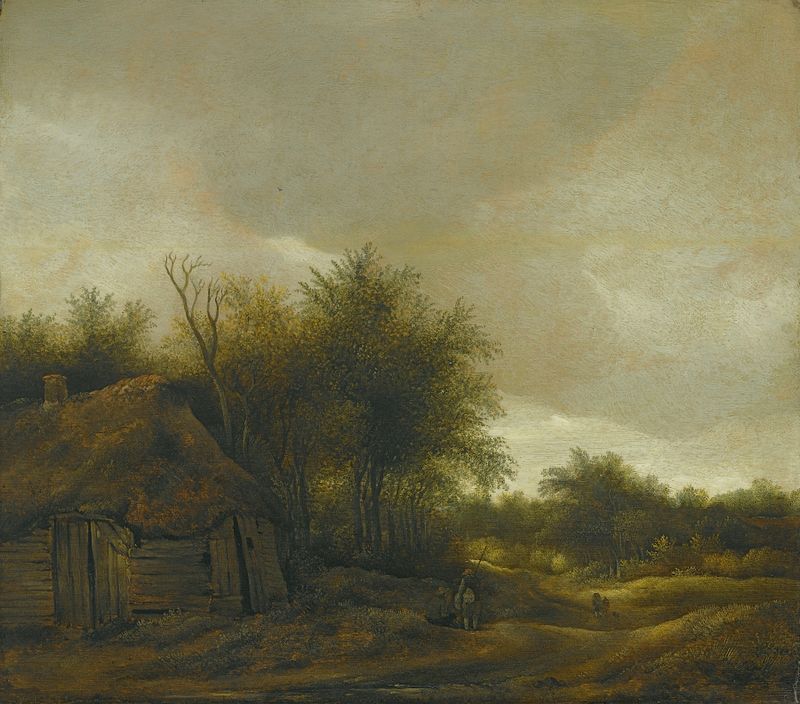
A Dune Landscape With Figures On A Sandy Path Near A Cottage
Guillam Dubois
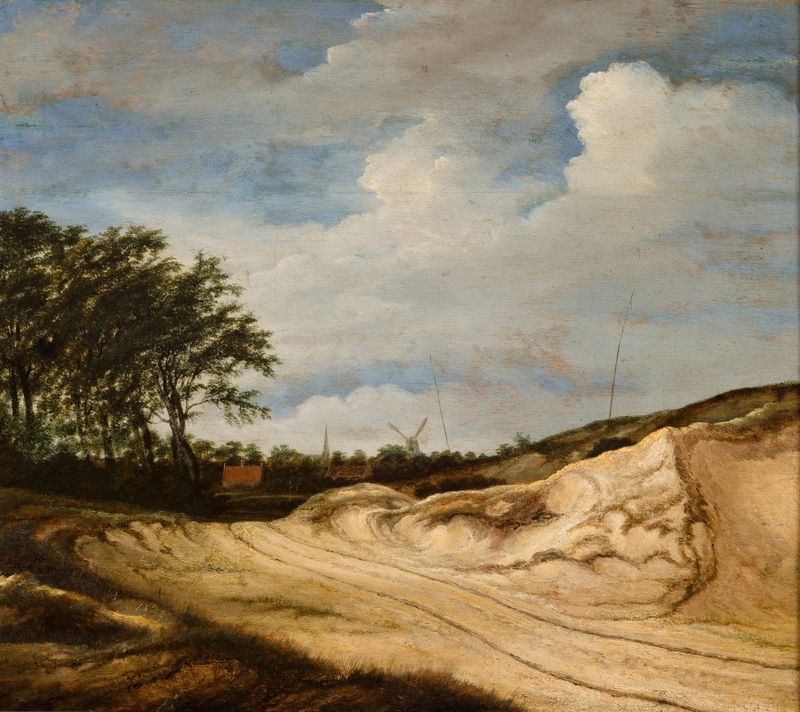
Landscape with the Dune
Guillam Dubois
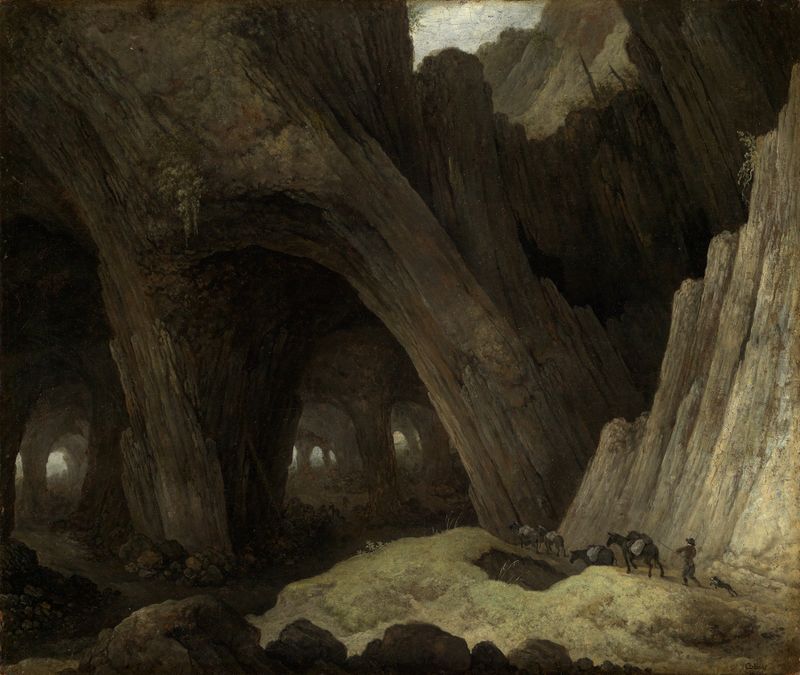
Felsenhöhle mit Maultiertreibern
Guillam Dubois
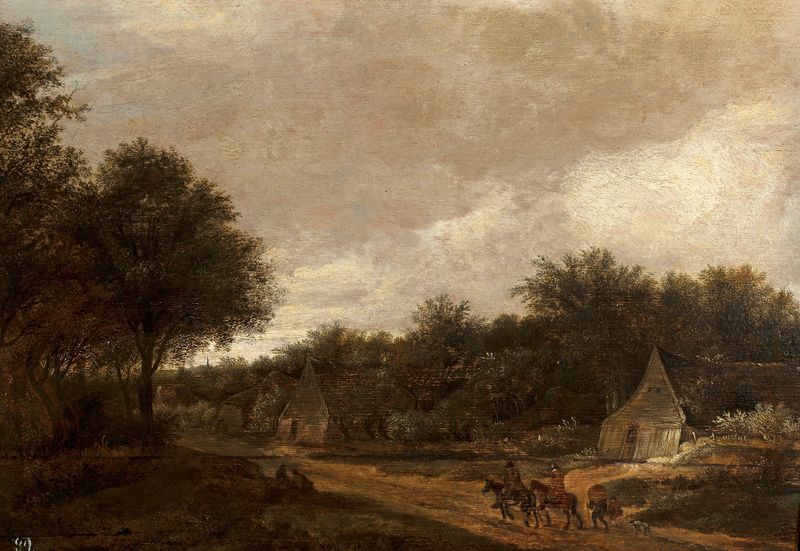
Road in the countryside
Guillam Dubois
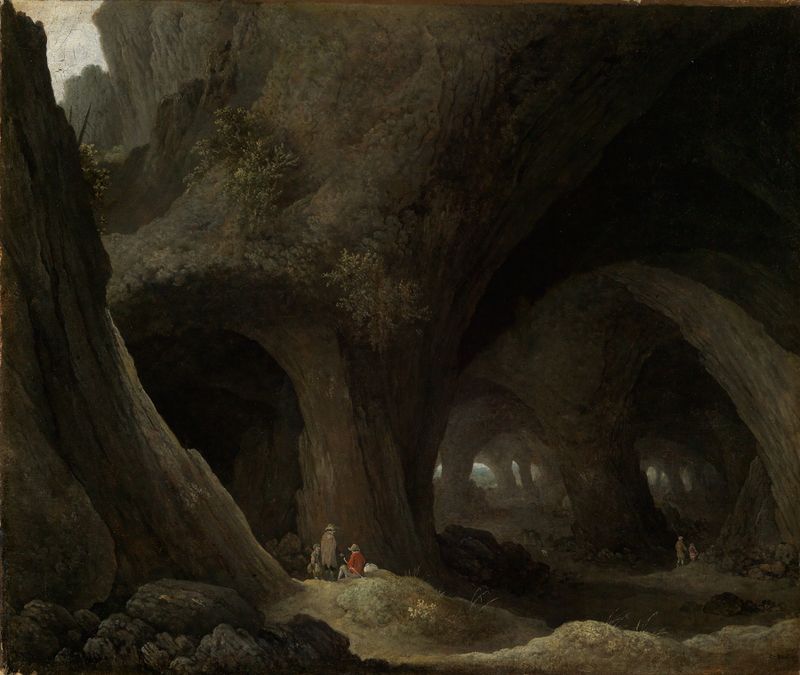
Felsenhöhle mit rastenden Hirten
Guillam Dubois
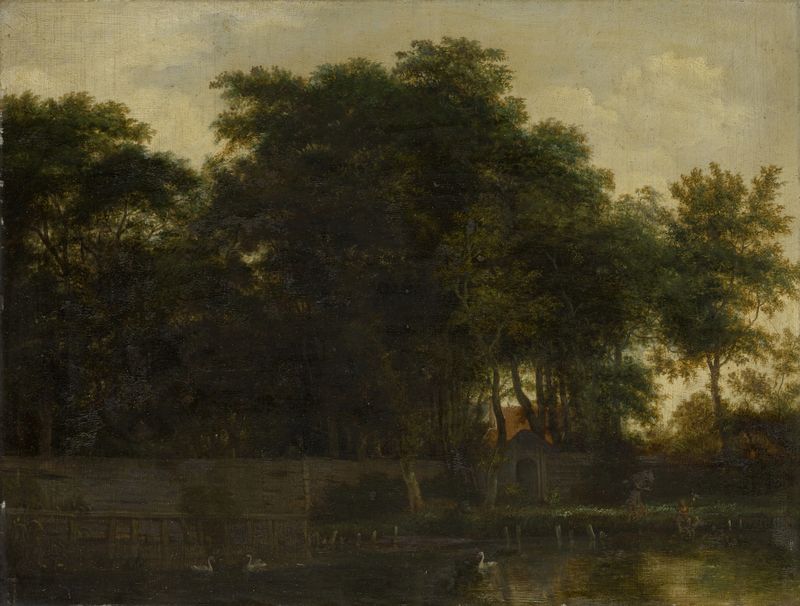
Swan Lake in a Park
Guillam Dubois





