
Road in the countryside — History & Facts
In the stillness of a verdant landscape, a two-lane road stretches into the horizon, inviting both wanderers and reflections on what has been lost. Each brushstroke holds a whisper of forgotten tales, where memories linger like shadows along the path. Look to the center of the composition, where the road meanders gently through a lush countryside, flanked by trees that sway with the breath of a soft breeze. The sunlight filters through the leaves, casting dappled patterns upon the earth, drawing the eye further along the winding route.
Notice the rich greens and earthy browns, colors that evoke a sense of both serenity and nostalgia, hinting at a journey that transcends time itself. Yet, amid this tranquil scene, a tension brews in the distance. The path seems to fade, suggesting an endless journey, where the destination remains elusive. The juxtaposition of vibrant life against the road’s inevitable solitude embodies the duality of existence — the joy of wandering intertwined with the sorrow of separation.
In each curve, one senses the weight of loss, echoing in the silence between the trees and the soft rustle of the leaves. Painted between 1646 and 1647, this work emerged during a transformative time for its creator. Guillam Dubois found himself in a dynamic art world, influenced by the burgeoning Baroque movement and the search for emotional depth. As he engaged with the landscape genre, this piece reflected not only his personal experiences but also the collective yearning for connection and belonging during a time of upheaval.
More Artworks by Guillam Dubois
Browse all →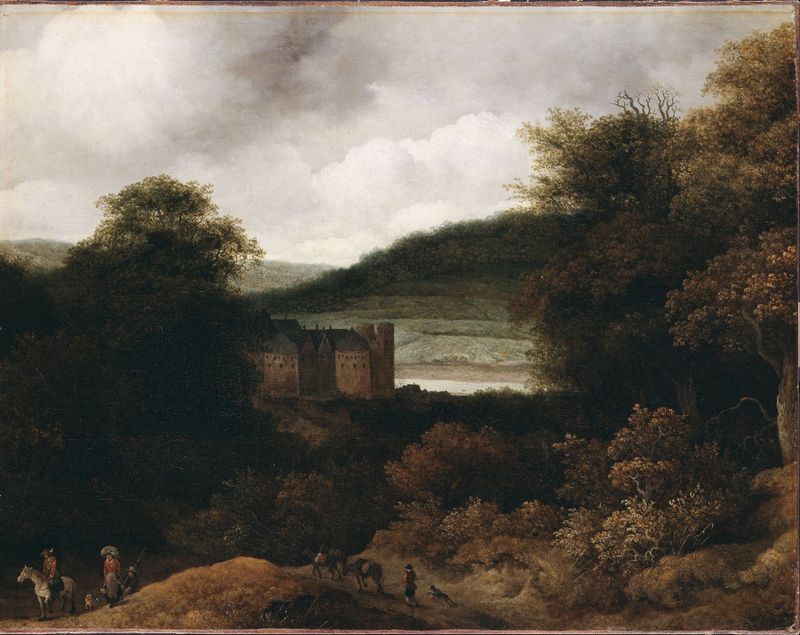
View on the Rhine
Guillam Dubois
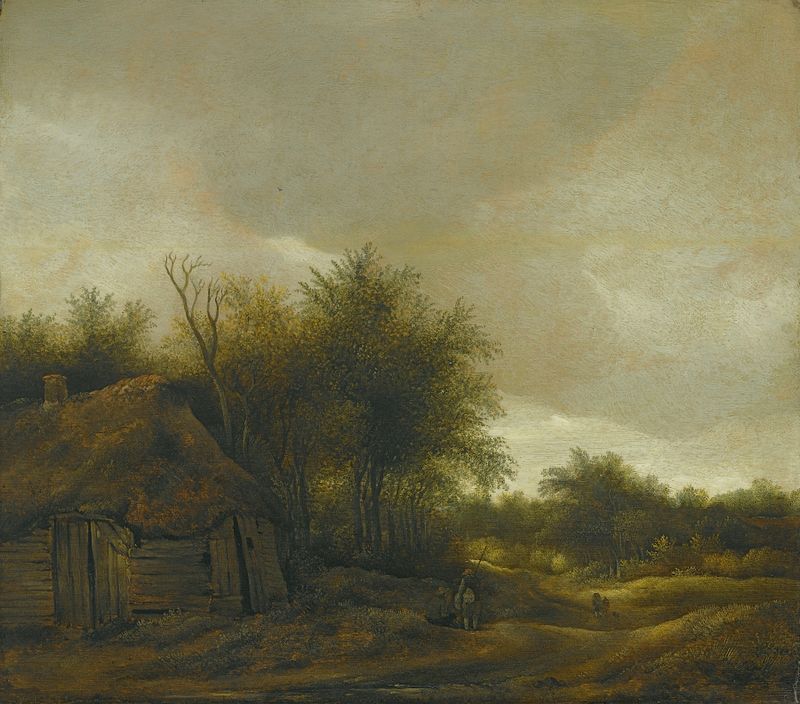
A Dune Landscape With Figures On A Sandy Path Near A Cottage
Guillam Dubois
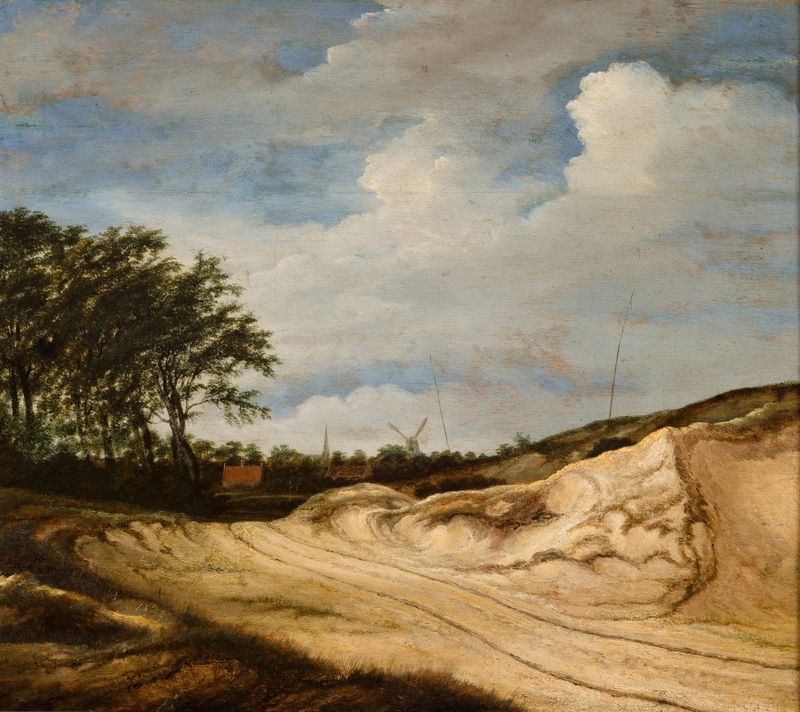
Landscape with the Dune
Guillam Dubois
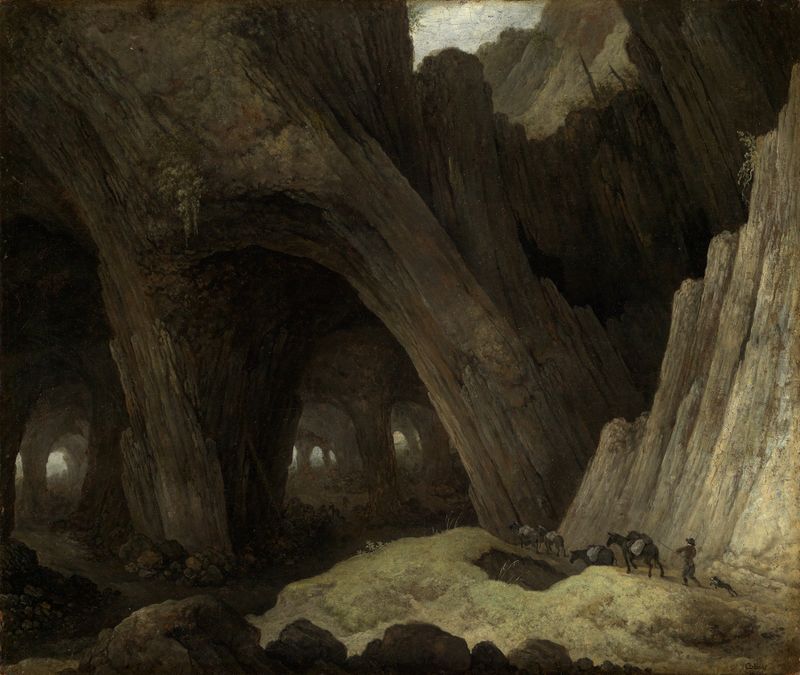
Felsenhöhle mit Maultiertreibern
Guillam Dubois
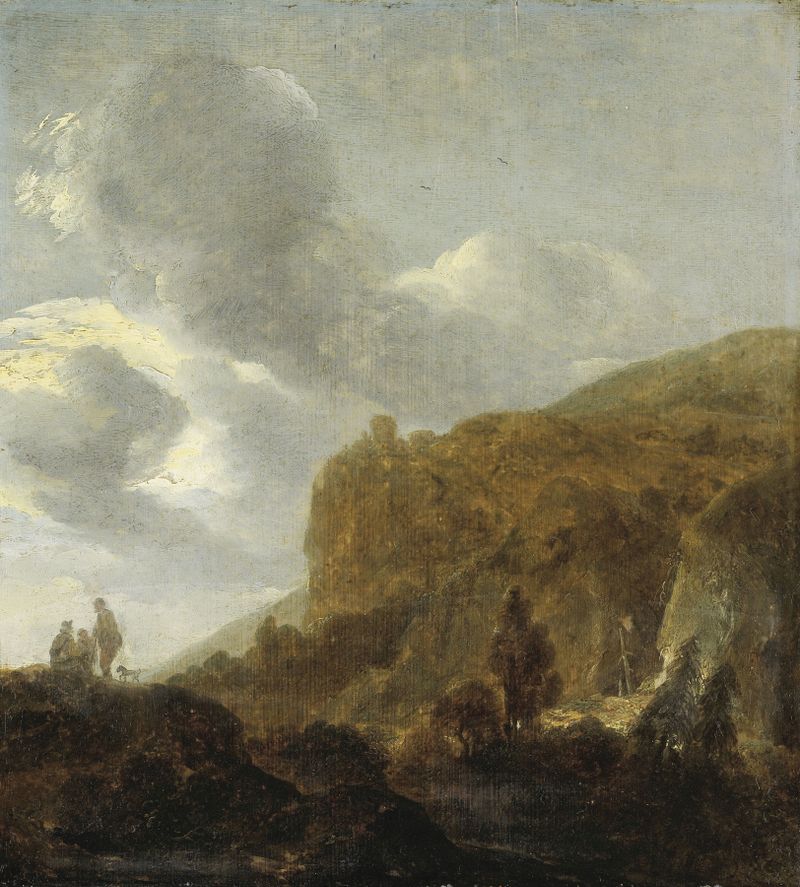
Mountainous Landscape
Guillam Dubois
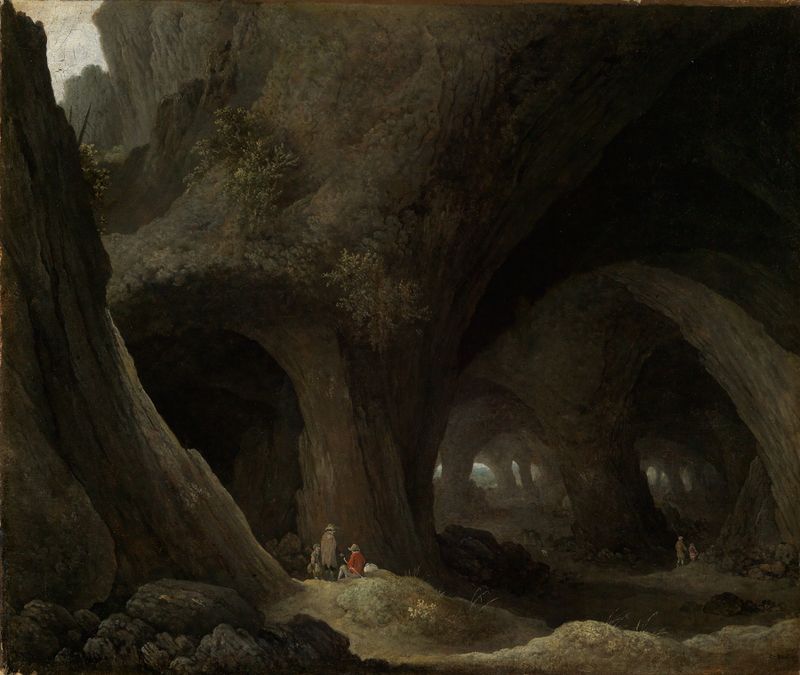
Felsenhöhle mit rastenden Hirten
Guillam Dubois
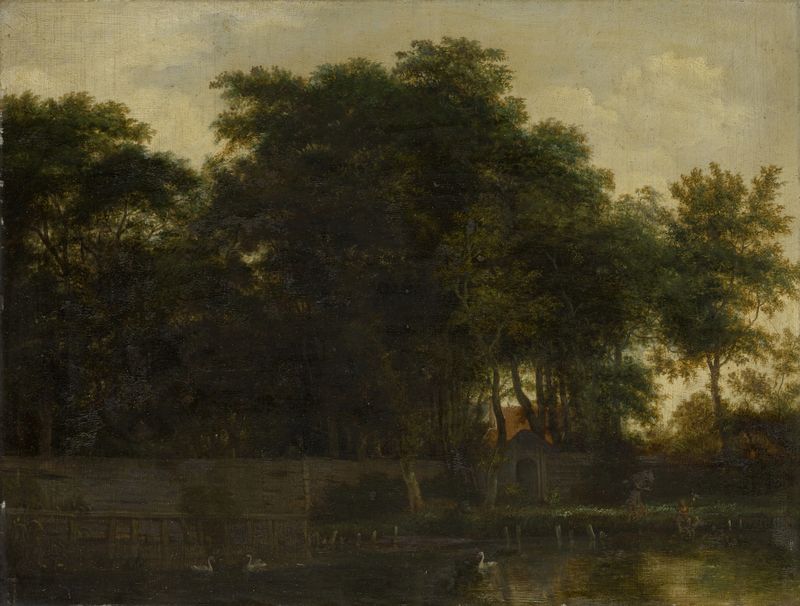
Swan Lake in a Park
Guillam Dubois





