A Dune Landscape With Figures On A Sandy Path Near A Cottage — History & Facts
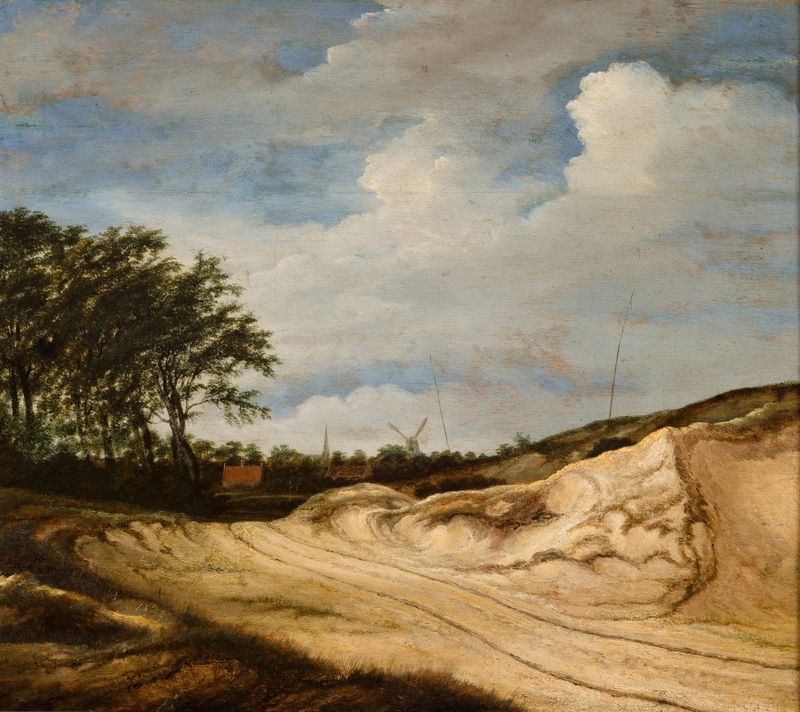
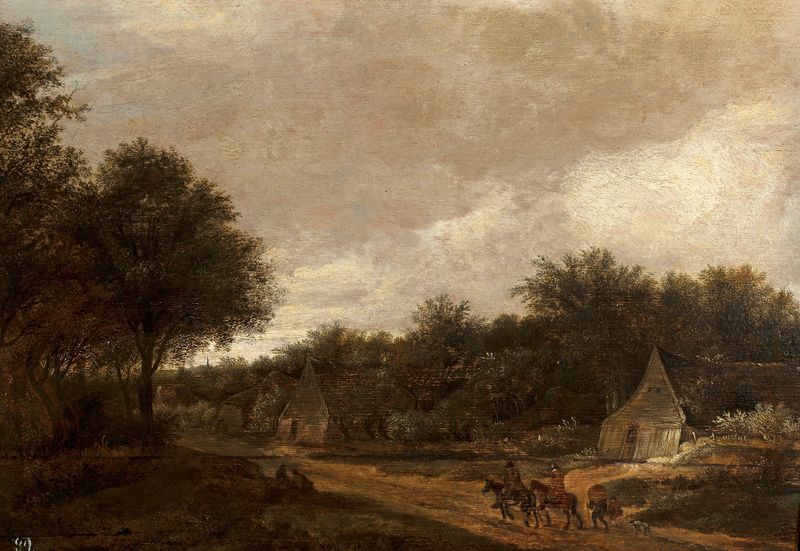
The essence of divinity breathes in every stroke, a testament to the silent dance between nature and humanity. Look to the left, where a quaint cottage nestles against the backdrop of rolling dunes. The earthy tones of ochre and green blend seamlessly, suggesting the soft embrace of the landscape. Notice how the figures, diminutive yet purposeful, traverse the sandy path, their movements echoing a quiet harmony with their surroundings.
The light filters gently, creating a play of shadows that beckons the viewer’s eye deeper into the scene, inviting contemplation. Delve into the subtle contrasts at play—the ruggedness of the sand juxtaposed with the delicate foliage surrounding the cottage. Each figure, whether moving or stationary, carries an unspoken narrative, hinting at the intersection of labor and leisure. The gentle undulation of the dunes suggests impermanence, while the sturdy structure of the cottage symbolizes permanence, a refuge amidst the transient landscape.
This tension between the fleeting and the eternal underscores a greater dialogue about humanity’s connection to the divine. Guillam Dubois painted this work in 1647 during a time of burgeoning artistic exploration in the Netherlands. Influenced by the naturalistic styles emerging from the Baroque period, Dubois sought to capture the delicate interactions between man and nature. It was a period marked by a desire for authenticity and emotional depth within the art world, mirroring broader societal shifts toward realism and introspection.