
Swan Lake in a Park — History & Facts
Can beauty exist without sorrow? In the delicate brushstrokes of Swan Lake in a Park, the answer whispers through the tranquil waters and lush foliage, revealing the obsession that often shadows elegance. Look to the center of the canvas, where the serene lake reflects a perfect symmetry, its stillness broken only by the graceful swans gliding across the surface. Notice how the light dances on the water, imbuing it with a silvery glow that contrasts starkly with the deep greens and browns of the surrounding trees. The composition draws your eye in, inviting contemplation of the idyllic scene while hinting at the underlying tension lurking beneath the surface. As you explore deeper, observe how the swans, symbols of beauty, are framed by shadows that suggest an unseen presence.
The delicate petals of flowers at the foreground evoke a fleeting sense of joy, yet their impending decay reminds us of life’s transient nature. This duality, woven seamlessly into the scene, speaks to the artist’s understanding of obsession—not just for the beauty of nature, but for the inevitable sorrow that lingers close by. Guillam Dubois painted Swan Lake in a Park during a period of significant personal exploration in the late 19th century, likely amid the tranquil landscapes of France. At a time when Impressionism was gaining momentum, he sought to capture the interplay of light and emotion, reflecting the shifts in society and art.
As he immersed himself in this picturesque setting, he was perhaps grappling with the delicate balance between beauty and the shadows of longing that often accompany it.
More Artworks by Guillam Dubois
Browse all →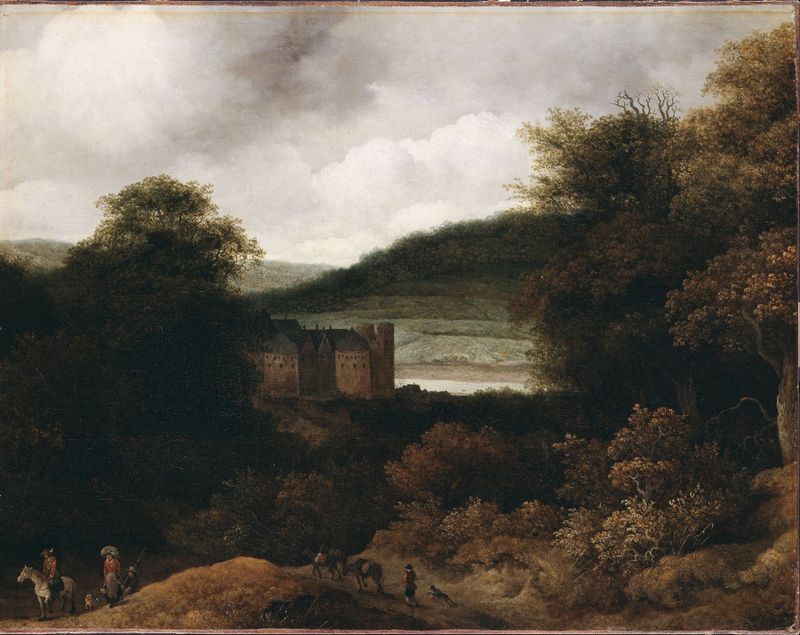
View on the Rhine
Guillam Dubois
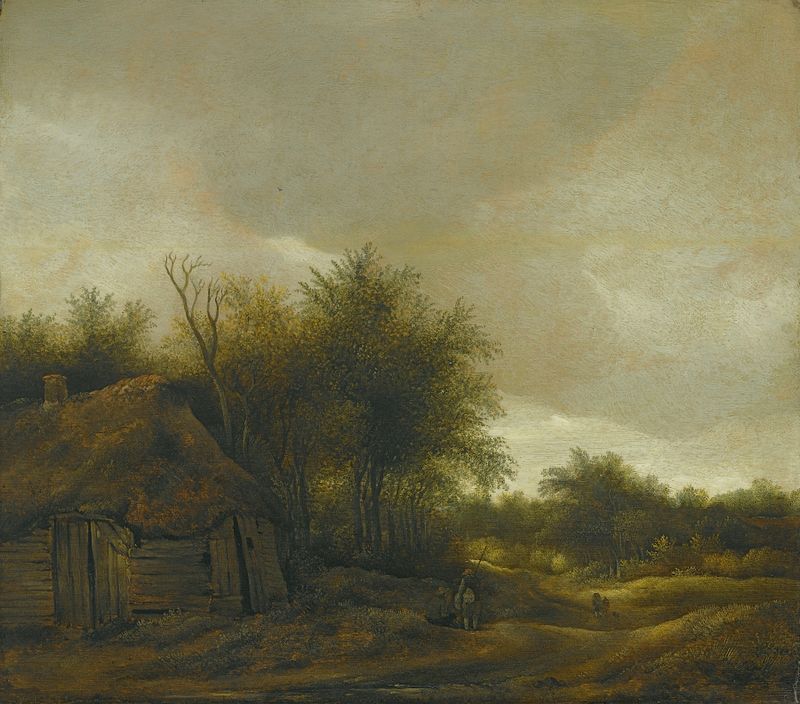
A Dune Landscape With Figures On A Sandy Path Near A Cottage
Guillam Dubois
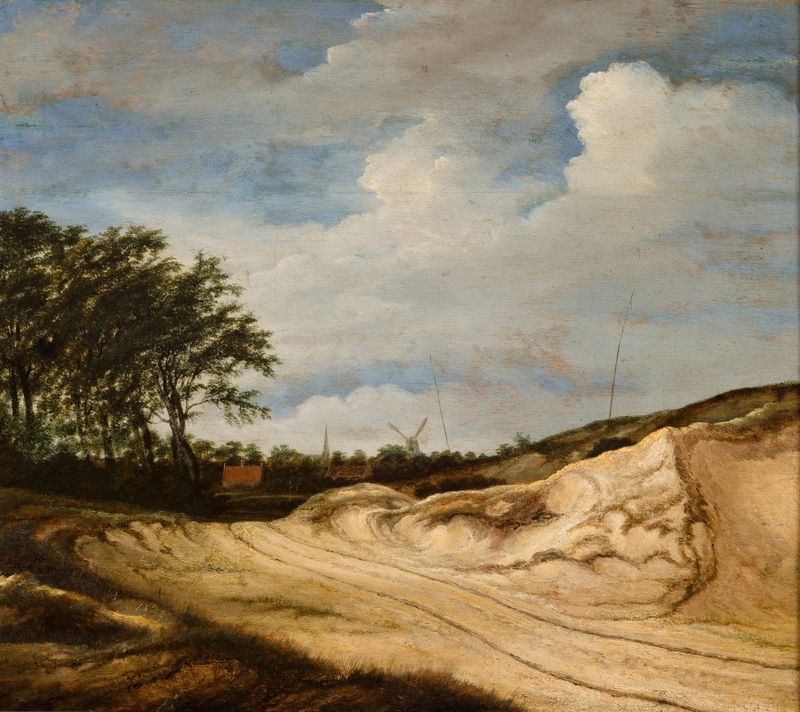
Landscape with the Dune
Guillam Dubois
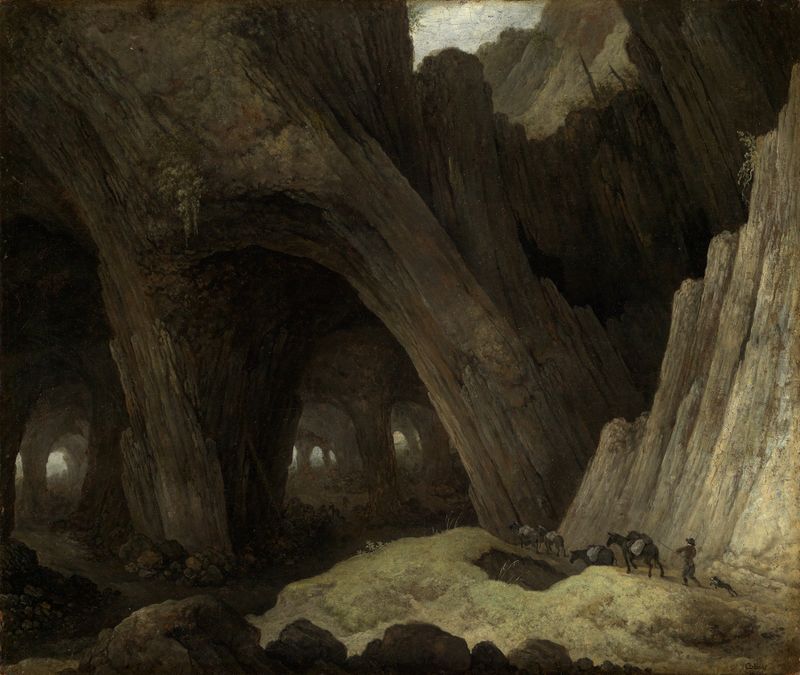
Felsenhöhle mit Maultiertreibern
Guillam Dubois
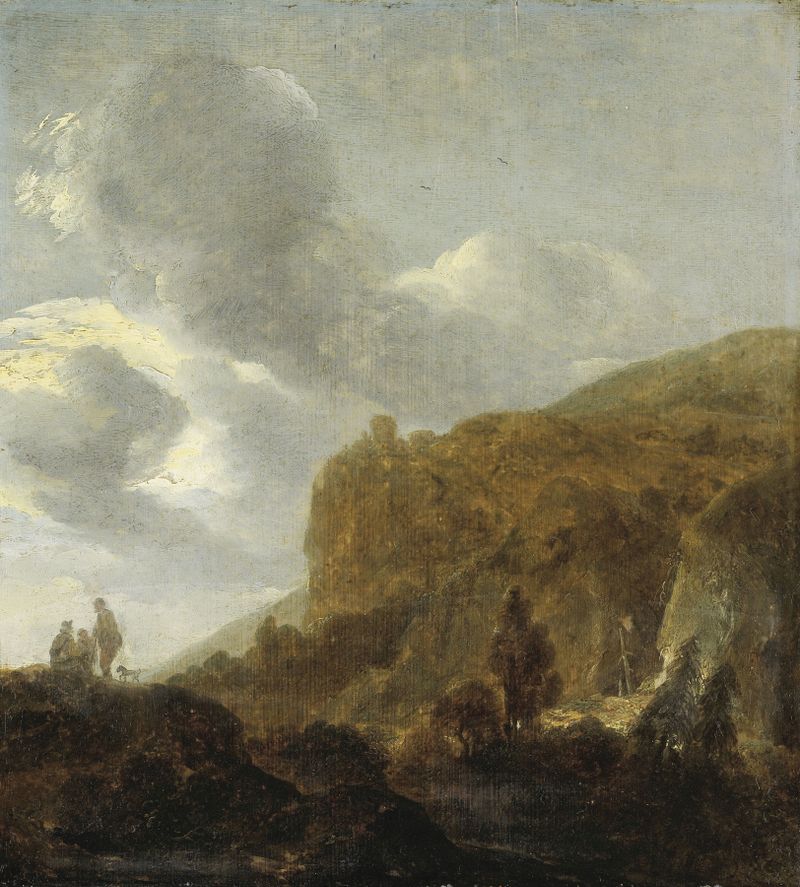
Mountainous Landscape
Guillam Dubois
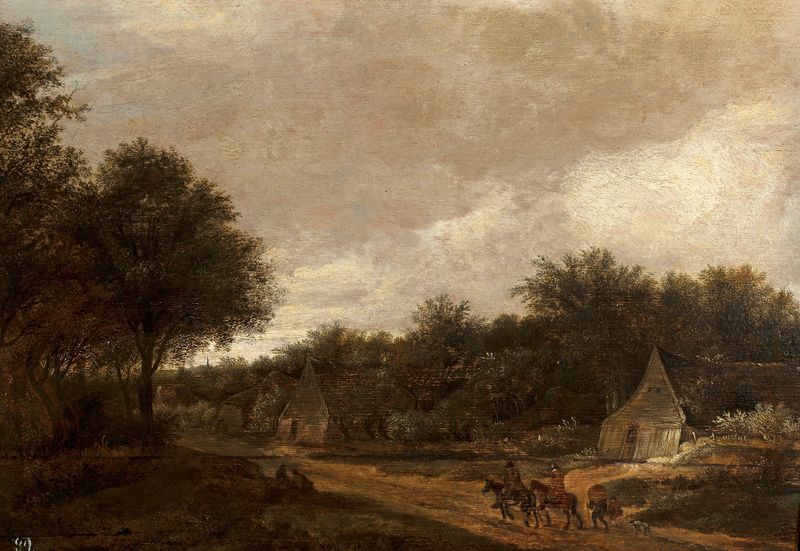
Road in the countryside
Guillam Dubois
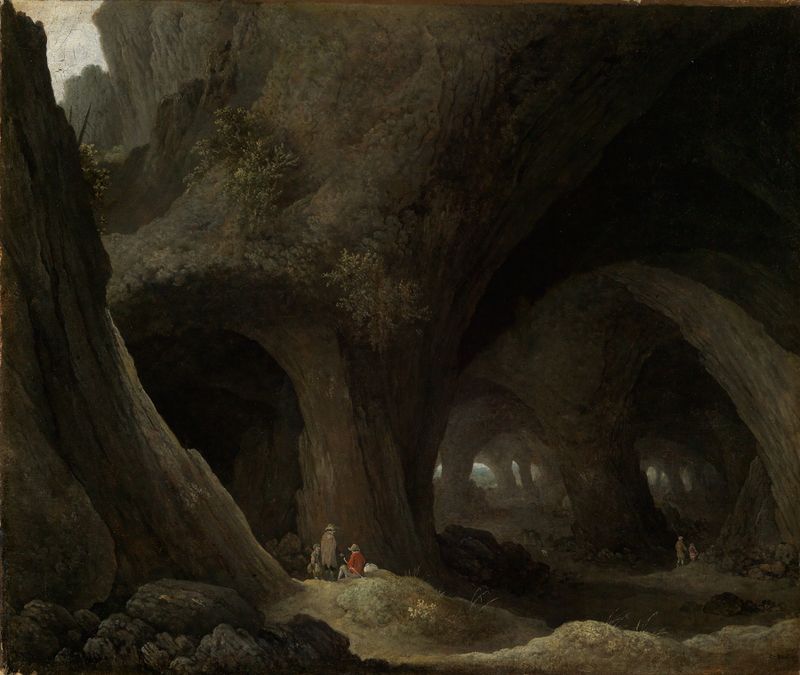
Felsenhöhle mit rastenden Hirten
Guillam Dubois





