
Mountainous landscape with waterfall — History & Facts
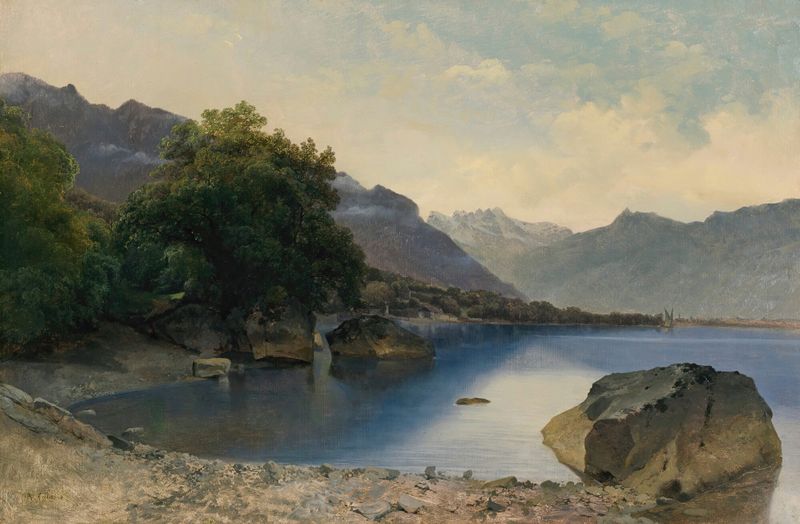
Is this a mirror — or a memory? In the breathtaking expanse of a mountainous landscape, one finds a transcendent interplay of nature's raw beauty and the soul's yearning for connection. Look to the left at the cascading waterfall, its white foam contrasting vividly against the deep greens and browns of the surrounding forest. Notice how the sunlight dances on the water's surface, creating a shimmering effect that draws the eye and invites contemplation. The towering peaks rise majestically in the background, their jagged edges softened by mist, while the delicate brushstrokes evoke the subtle variations of light, imbuing the scene with a palpable sense of serenity and ecstasy. Yet, beneath this idyllic surface, emotional tensions flicker.
The vibrant colors could symbolize joy, but their isolation hints at solitude — a reminder of the wilderness's duality. The rugged terrain speaks of both adventure and trepidation, nudging viewers to reflect upon their place within the vastness of nature. Each detail, from the gentle shadows to the luminous highlights, articulates a deep longing for harmony amidst life’s chaos. Between 1847 and 1852, Alexandre Calame painted this piece during a time of personal evolution and artistic exploration in Switzerland.
The Swiss Romantic movement was burgeoning, and Calame sought to encapsulate the spirit of his homeland's landscapes, merging the sublime with introspection. His work reflected not only his passion for nature but also a broader cultural shift towards valuing emotional resonance in art.
More Artworks by Alexandre Calame
Browse all →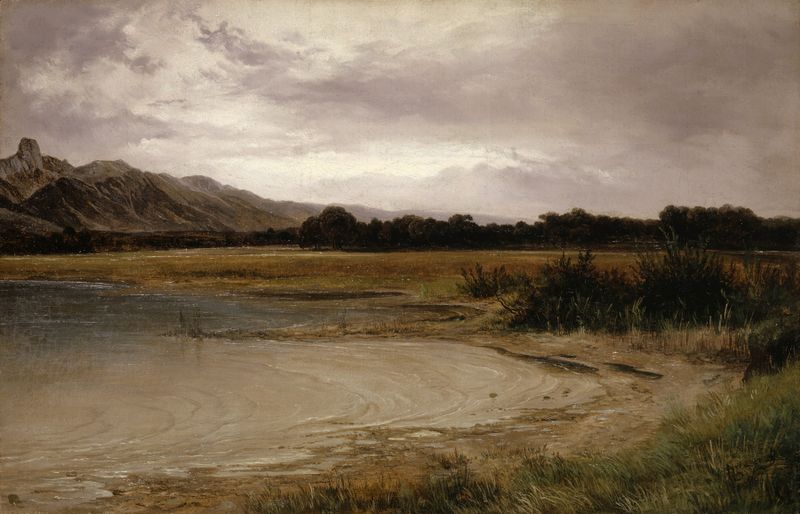
By the Lake of Thun
Alexandre Calame
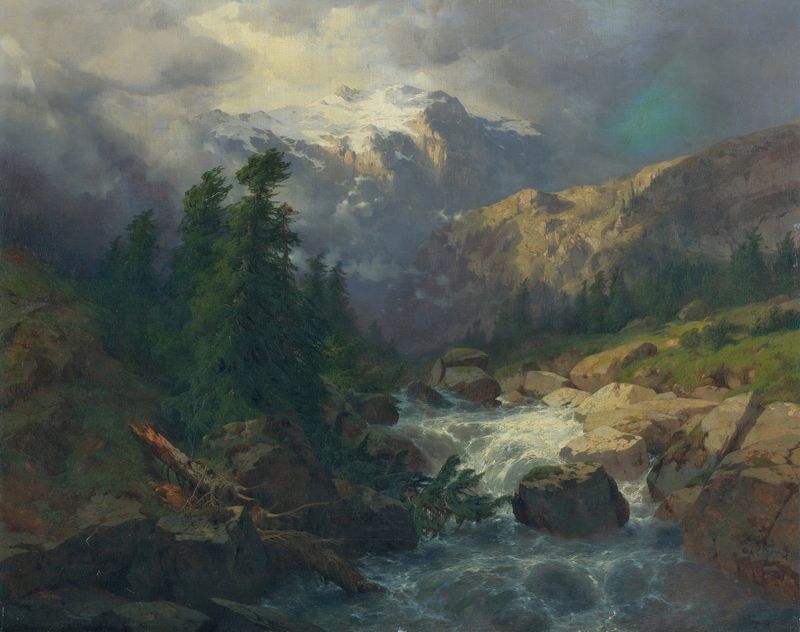
Souvenir Handeck, Stormy Weather
Alexandre Calame
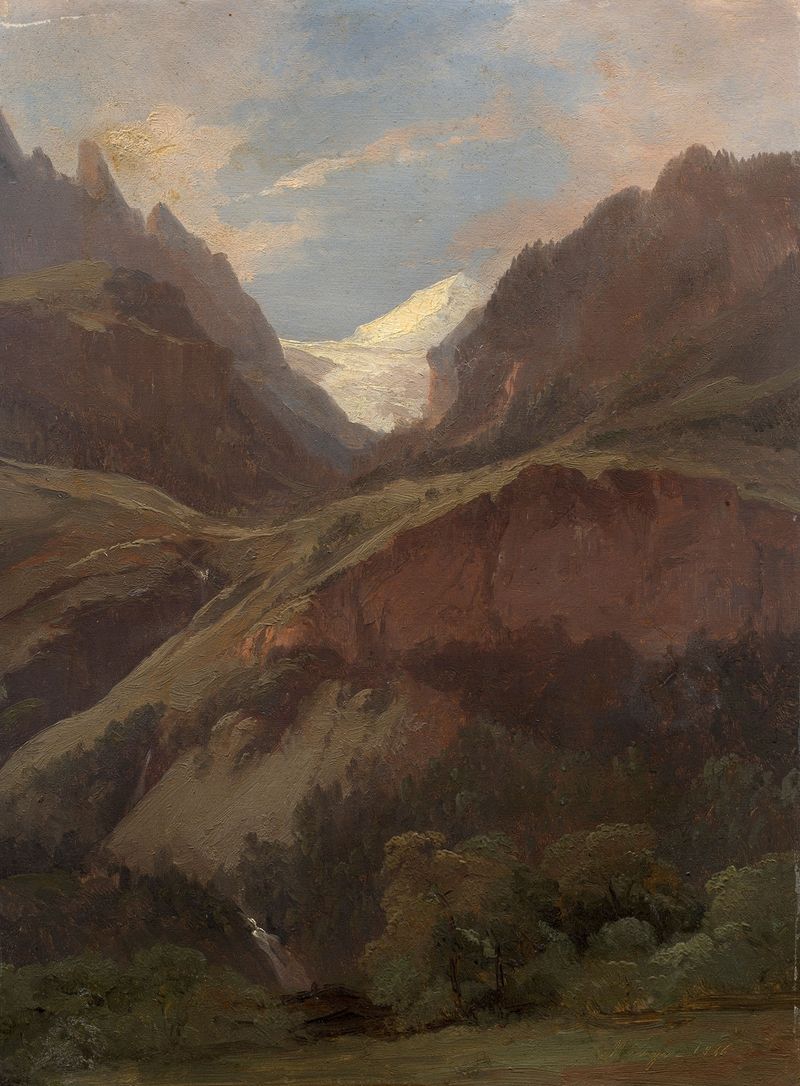
View of the Wetterhorn and the Reichenbach from Meiringen
Alexandre Calame
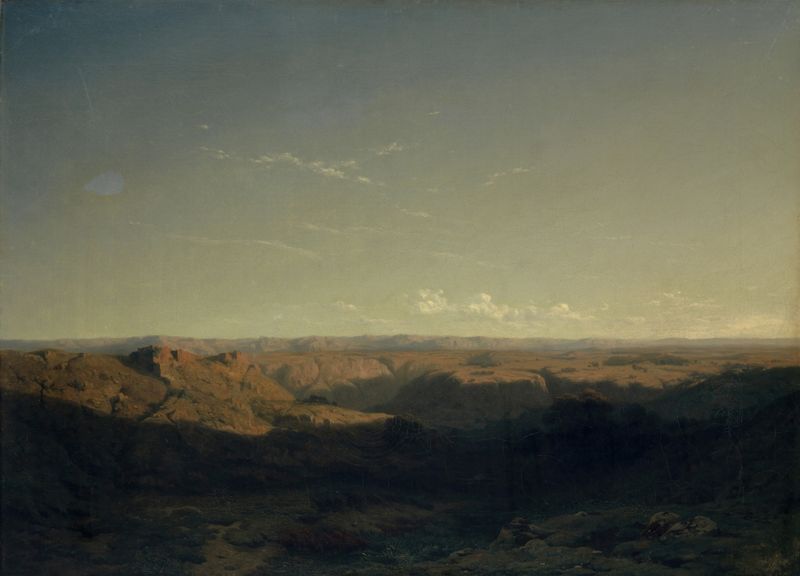
Southern Mountain Landscape
Alexandre Calame
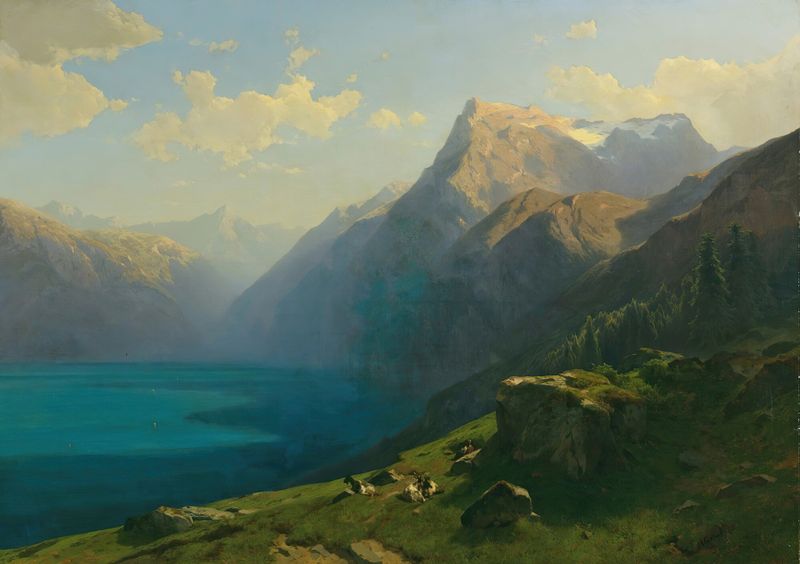
View Of Lake Lucerne From Seelisberg
Alexandre Calame
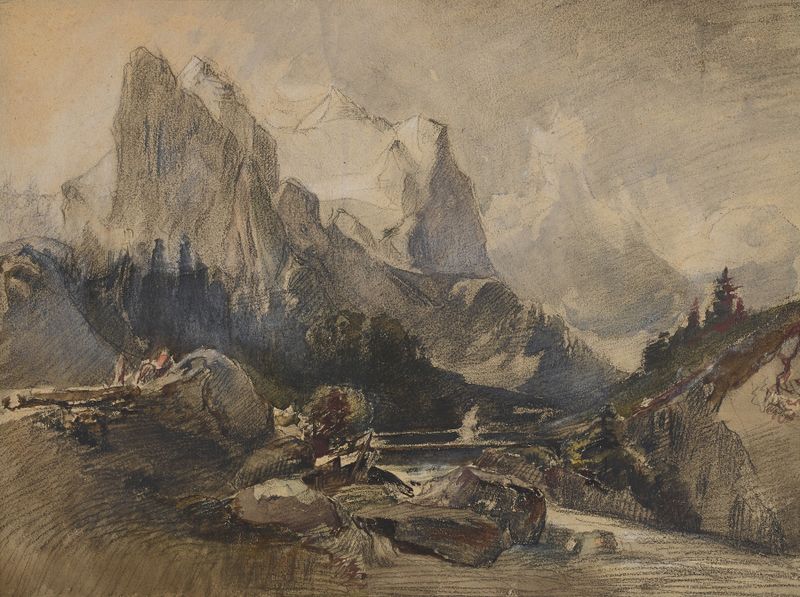
Das Wetterhorn im Berner Oberland
Alexandre Calame
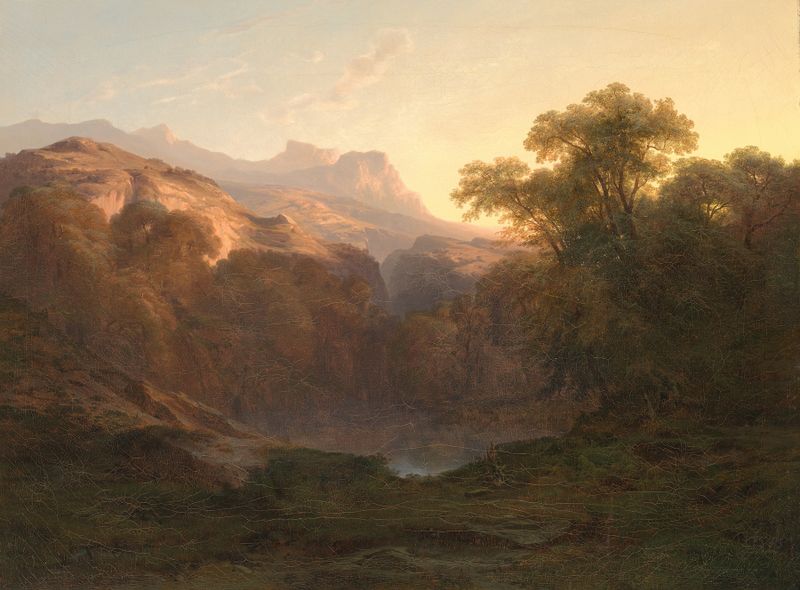
Mountain scenery
Alexandre Calame
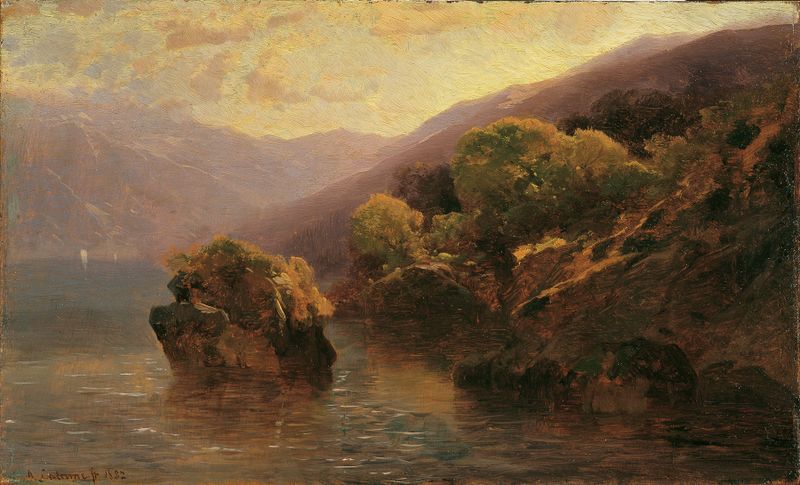
Partie vom Genfer See
Alexandre Calame
Petite Baie Du Lac Léman Près De Chillon
Alexandre Calame

Swiss Landscape
Alexandre Calame





