
Mozes en Aäron — History & Facts
Did the painter know this moment would outlive them? The delicate interplay of innocence and divinity captured in Mozes en Aäron invites us to ponder the weight of such a question, as it immortalizes a profound moment of sacred encounter. Focus your gaze on the luminous figures of Moses and Aaron at the center of the canvas. Their faces, etched with an exquisite blend of serenity and determination, draw you in. Notice how the light falls upon their garments, expertly rendered in rich hues that suggest both nobility and humility.
The meticulously detailed background, with its ethereal clouds, frames the figures, enhancing their significance while hinting at the divine presence that surrounds them. Yet, beyond the surface beauty lies a deeper emotional tension. The juxtaposition of the brothers’ poised expressions with their heavy responsibilities speaks to the struggle of leadership amidst divine calling. The innocence of their mission contrasts with the overwhelming challenges they face, symbolizing the delicate balance between faith and doubt.
Each brushstroke captures not only their physical form but also the profound moral weight of their actions. Created between 1757 and 1787, this work emerged during a period of artistic renewal in the Netherlands, where Anthonisz. was exploring themes of religion and morality. The era was marked by an enlightenment spirit, prompting artists to reflect on the human condition and its relationship with the divine.
As Anthonisz. navigated this cultural landscape, Mozes en Aäron stands as a testament to his quest for understanding, preserving an eternal moment of innocence within the complexities of faith.
More Artworks by Cornelis Anthonisz.
Browse all →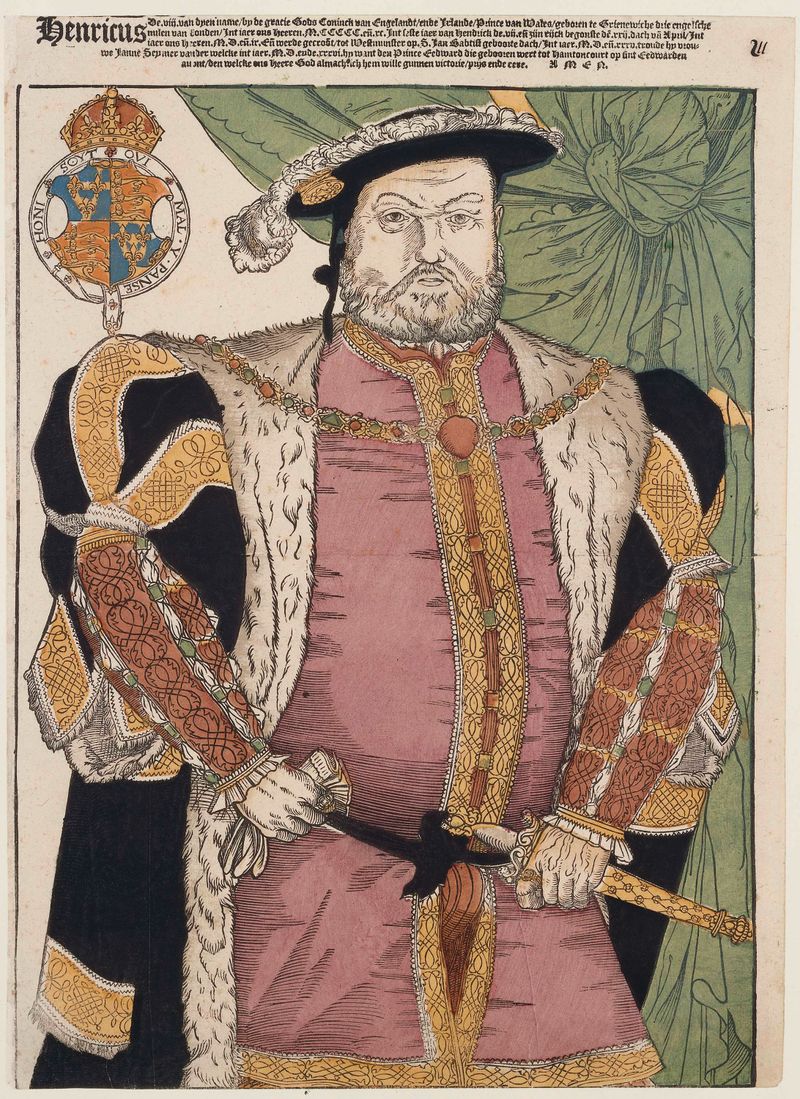
Portret van Hendrik VIII van Engeland
Cornelis Anthonisz.

Portret van Hendrik VIII van Engeland
Cornelis Anthonisz.

Portret van Maarten van Rossum te paard
Cornelis Anthonisz.
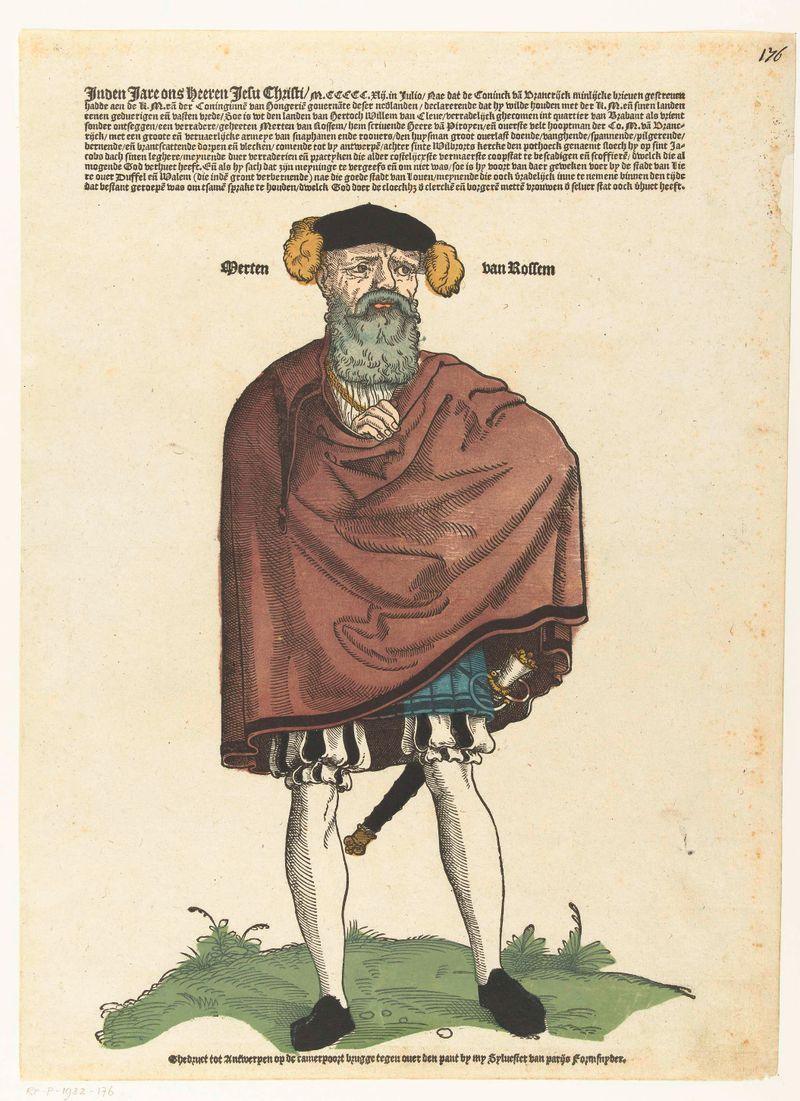
Portret van Maarten van Rossum
Cornelis Anthonisz.

De verloren zoon eet uit de varkenstrog
Cornelis Anthonisz.
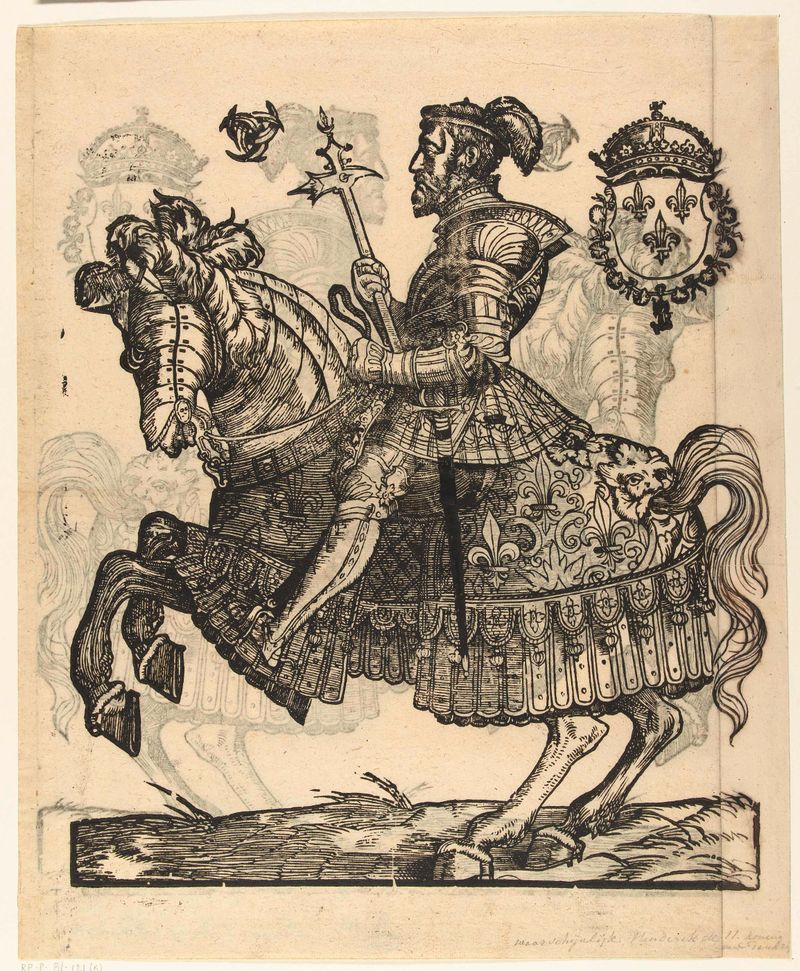
Portret van Hendrik II van Frankrijk te paard
Cornelis Anthonisz.

Portret van hertog Willem van Kleef, Gulik en Berg, graaf van Mark, heer van Ravenstein te paard
Cornelis Anthonisz.

Portret van Karel V te paard
Cornelis Anthonisz.

Portret van Maria van Hongarije te paard
Cornelis Anthonisz.
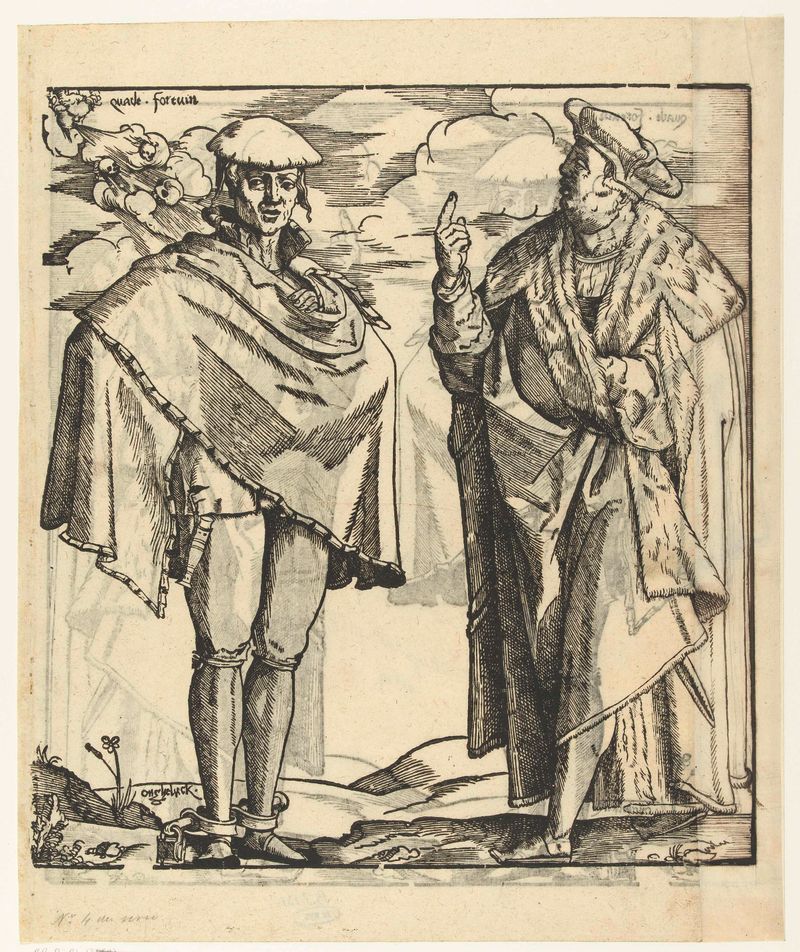
De lichtzinnige jeugd
Cornelis Anthonisz.
More Religious Art
Browse all →
The Return of the Prodigal Son
Rembrandt van Rijn

The Garden of Earthly Delights
El Bosco

Count Orgaz’ funeral
El Greco

The Hundred Guilder Print: the central piece with Christ preaching, the plate arched
Rembrandt van Rijn

The Descent from the Cross
Rogier van der Weyden

The return of the prodigal son
Rembrandt van Rijn