
Mt. Aetna from Taormina — History & Facts
Could beauty survive in a century of chaos? In Mt. Aetna from Taormina, the answer unfolds with serene resilience, inviting contemplation on nature’s unyielding grace amidst life's tumult. Look to the foreground, where the verdant slopes of Taormina cradle the viewer’s gaze. The lush greens and vibrant earth tones contrast sharply with the ethereal blue of the sky and the snowy peak of the volcano.
Notice how the delicate brushwork captures the play of light across the landscape, creating a luminous interaction that draws the eye upward toward Aetna’s majestic silhouette. The composition is masterfully balanced, with the mountain looming like a guardian over the town, blending the tranquility of rural life with the raw power of nature. The interplay between the serene beauty of Taormina and the formidable presence of Mt. Aetna evokes a sense of transformation — the passage of time and the forces of nature coexisting in harmony.
The quietude of the village stands in stark contrast to the potential chaos embodied by the volcano, hinting at the duality of existence. Each detail, from the flutter of trees to the distant hills, reflects a world where tranquility and upheaval are inseparable, inviting viewers to ponder their own place within this delicate balance. In 1871, William Stanley Haseltine was immersed in the artistic circles of America and Europe, influenced by the Romantic movement. Living in Italy, he painted this work during a time marked by both personal and political upheaval.
The unification of Italy was still fresh, and artists were exploring themes of identity and landscape, making this tranquil yet powerful depiction of Mt. Aetna a poignant metaphor for the resilience and beauty that can emerge even in turbulent times.
More Artworks by William Stanley Haseltine
Browse all →
Mill Dam in Traunstein
William Stanley Haseltine
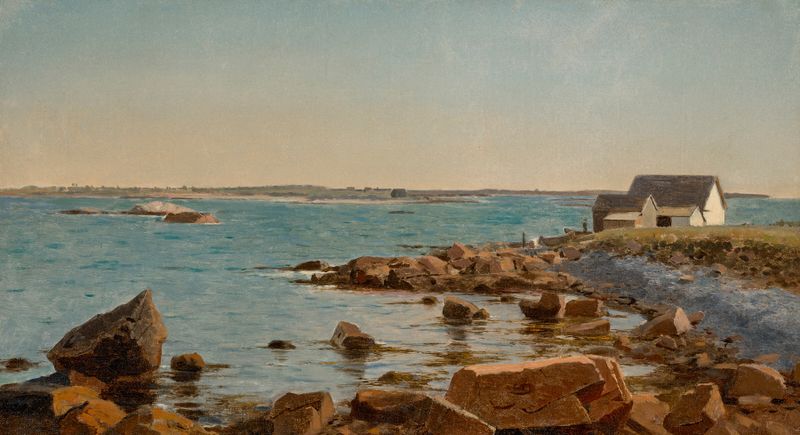
Nahant Coast
William Stanley Haseltine
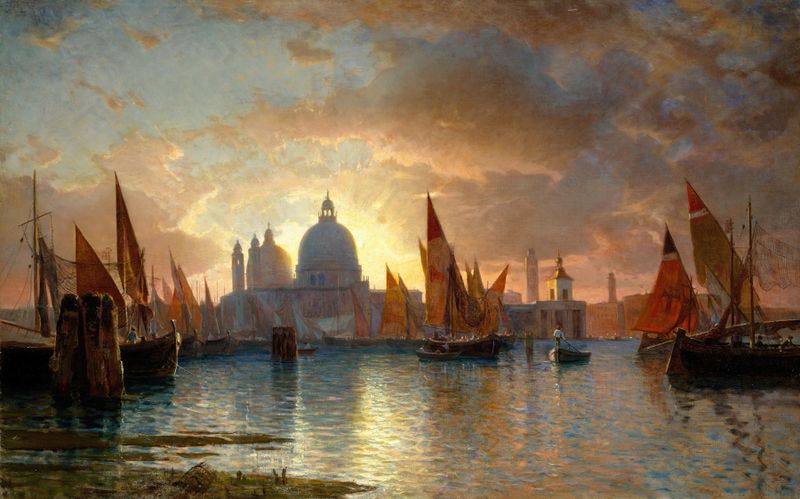
Santa Maria della Salute, Sunset
William Stanley Haseltine
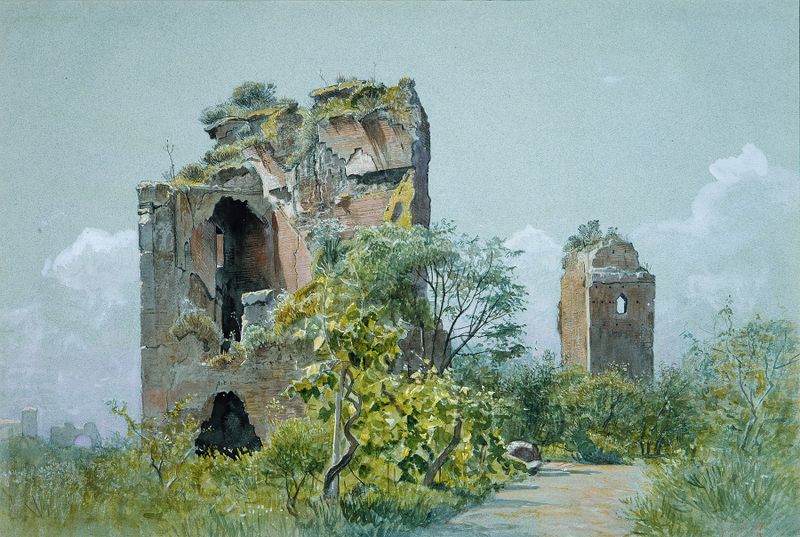
Baths of Trajan (Sette Sale, Villa Brancaccio, Rome)
William Stanley Haseltine
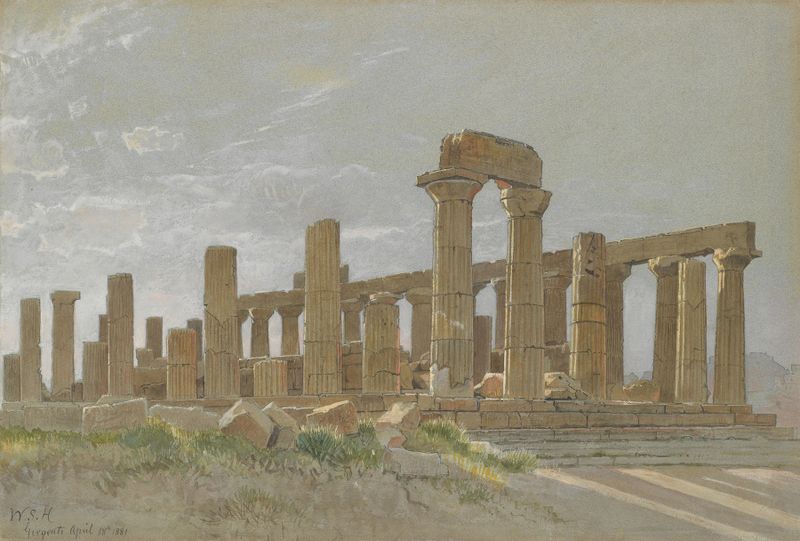
Girgenti (The Temple of Juno Lacinia at Agrigentum)
William Stanley Haseltine

Italian Hills
William Stanley Haseltine
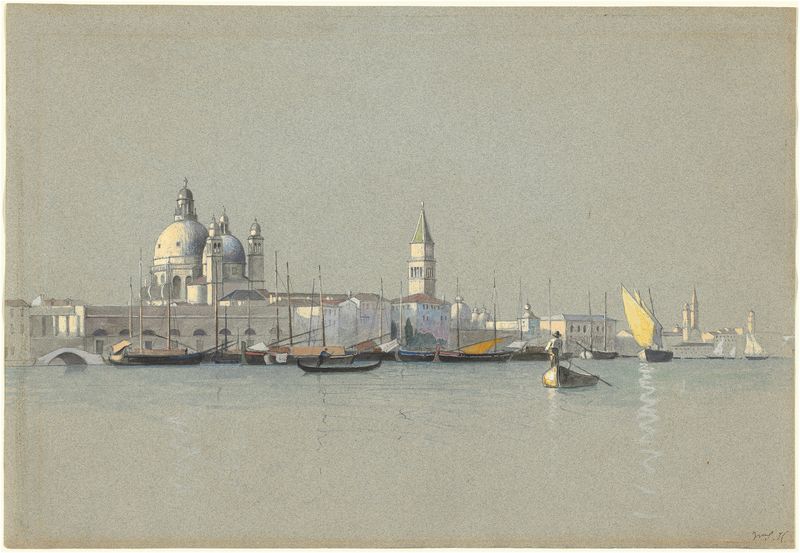
View across the Giudecca Canal toward the Salute and the Campanile of San Marco
William Stanley Haseltine
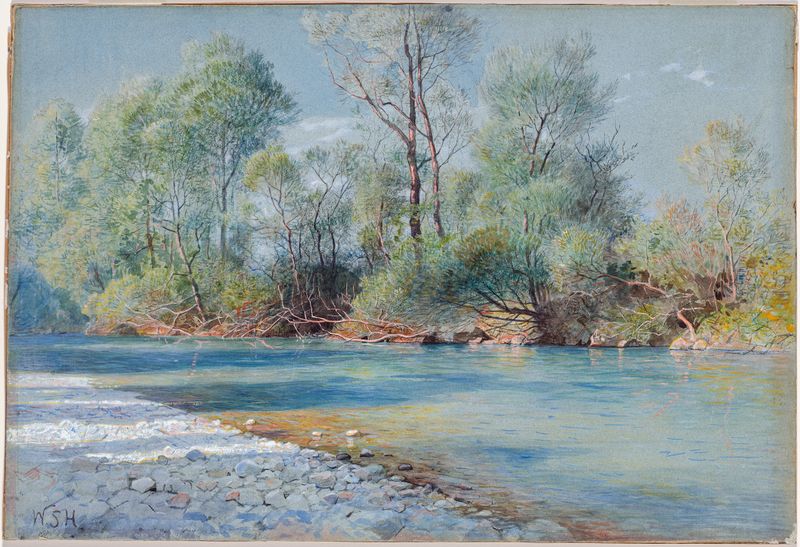
Traunstein River on the Road to Empfig, Bavaria
William Stanley Haseltine

Coast of Capri
William Stanley Haseltine
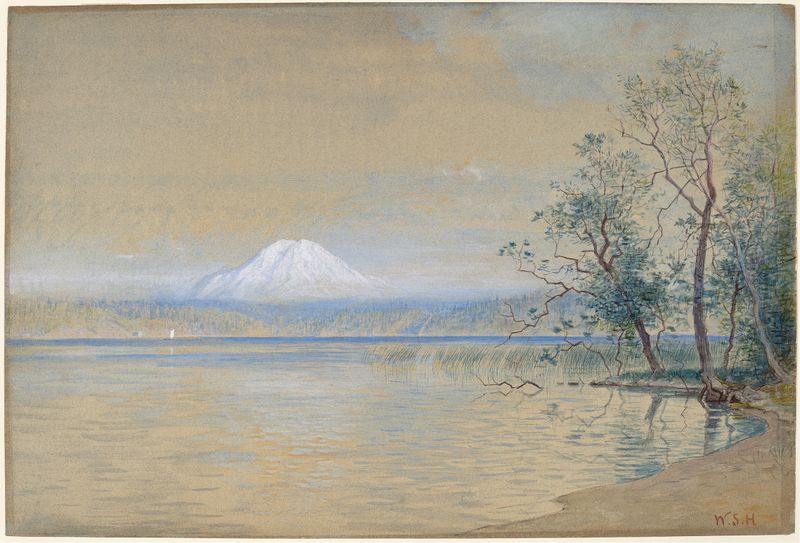
Mount Tacoma
William Stanley Haseltine





