
Mt. Cook — History & Facts
In the quiet majesty of the landscape, innocence whispers through the paint, evoking a world untouched by time. Look to the left, where the towering peak of Mt. Cook rises into the azure sky, its snow-capped summit gleaming in the daylight. The foreground is smoothly rendered, populated with lush greenery that seems to sway gently in an unseen breeze.
Notice how the light cascades over the mountain's rugged surfaces, creating a breathtaking contrast between the soft glades below and the harsh crags above. The palette of blues and greens, punctuated by dashes of white, maintains a serene harmony, inviting the viewer to breathe in the calm essence of nature. The juxtaposition of the mountain's permanence against the delicate tranquility of the foreground reflects a deeper tension—the fleeting nature of innocence in the face of grandeur. Each blade of grass sways, suggesting life and fragility beneath the awe-inspiring presence of the mountain, while the clear, crisp atmosphere evokes a sense of nostalgia.
The delicate brushwork encapsulates not just a scene, but a feeling, mirroring human vulnerability against the backdrop of nature’s infinite majesty. In 1884, the artist captured this work during a transformative period in New Zealand’s art scene, as European influences began blending with local themes. Barraud, immersed in the romantic ideals of landscape painting, was likely influenced by his surroundings, where the raw beauty of the land offered both inspiration and a deep reflection of innocence. The era was marked by burgeoning national identity, and through this painting, Barraud encapsulated the emotional and physical landscape of a nation coming into its own.
More Artworks by Charles Decimus Barraud
Browse all →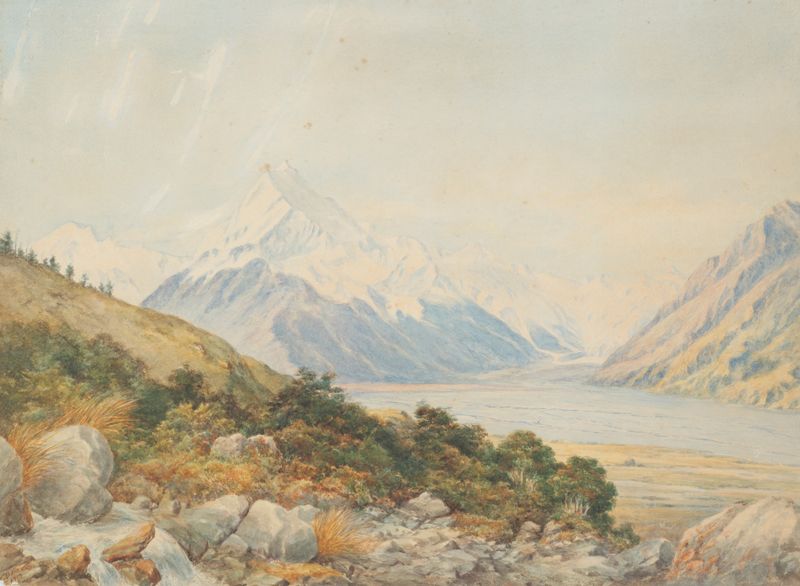
Mt. Cook from Tasman Valley
Charles Decimus Barraud
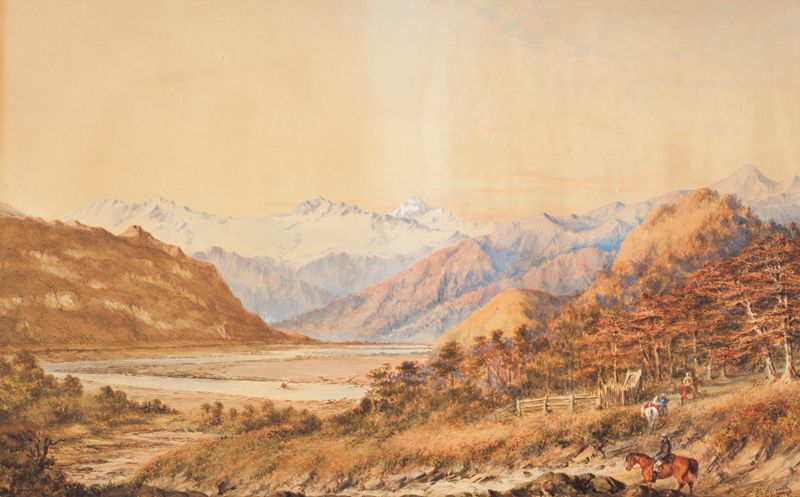
View of Mt. Aspiring, Province of Otago, looking north up the Valley of Matekitiki River from Dr Hector’s camp of 1863
Charles Decimus Barraud
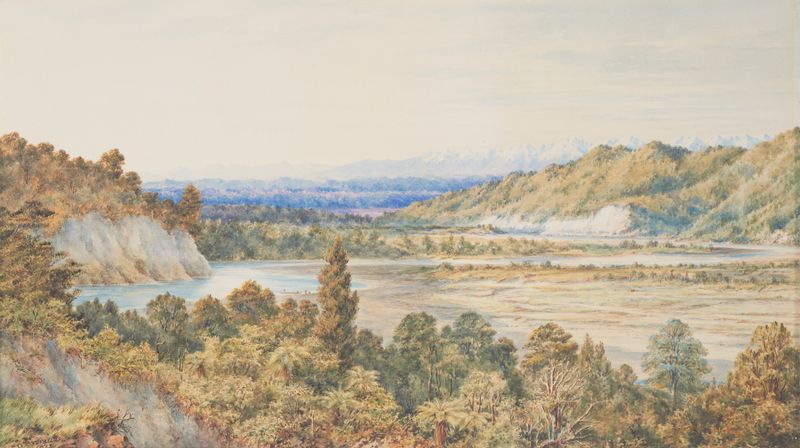
The Manawatu
Charles Decimus Barraud
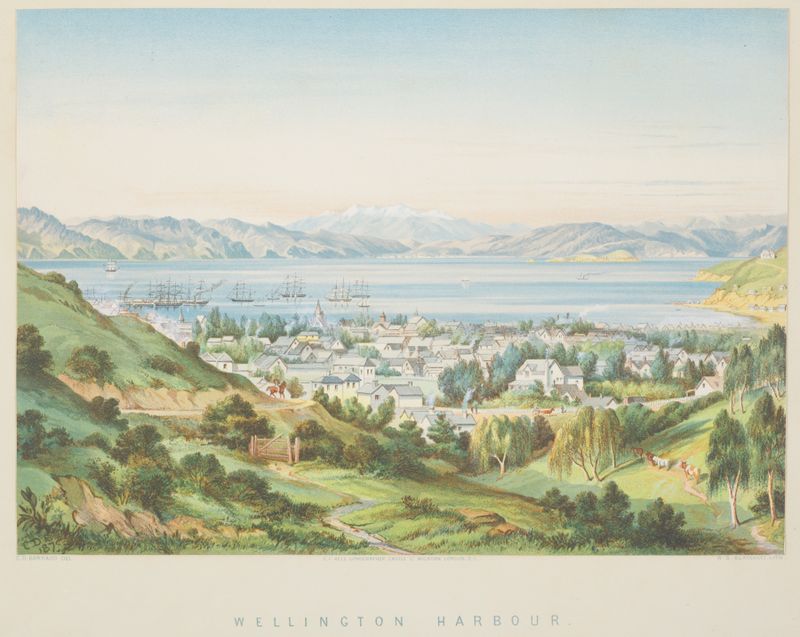
New Zealand Graphic and Descriptive. Wellington Harbour.
Charles Decimus Barraud
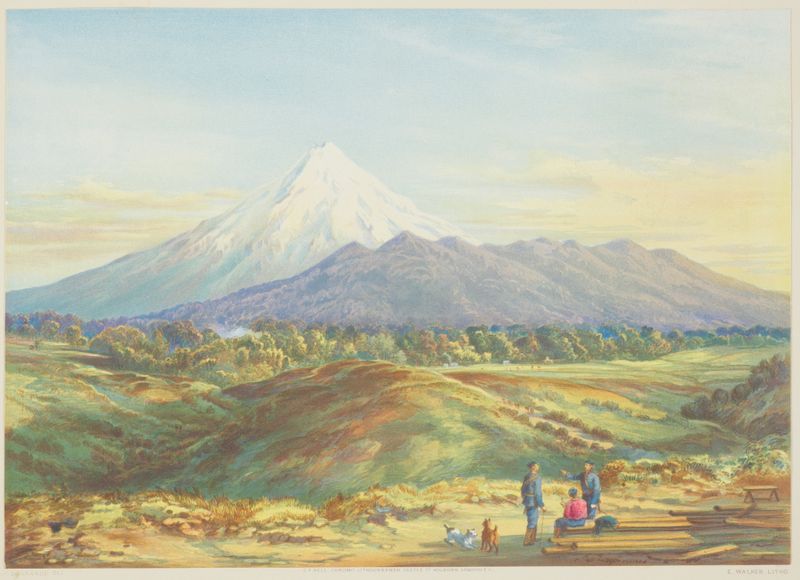
New Zealand Graphic and Descriptive. Mt Egmont.
Charles Decimus Barraud
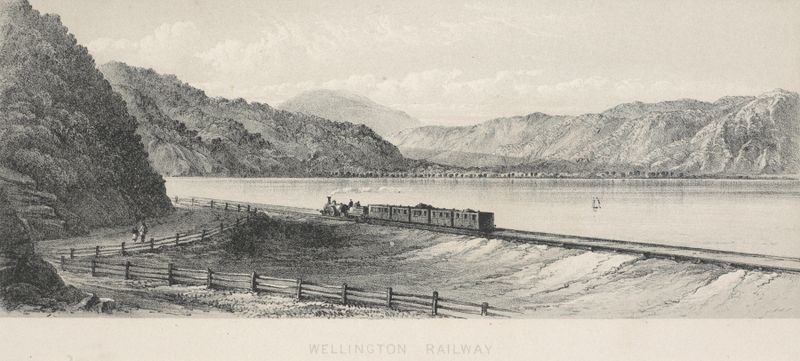
New Zealand Graphic and Descriptive. Plate I. Wellington Railway
Charles Decimus Barraud
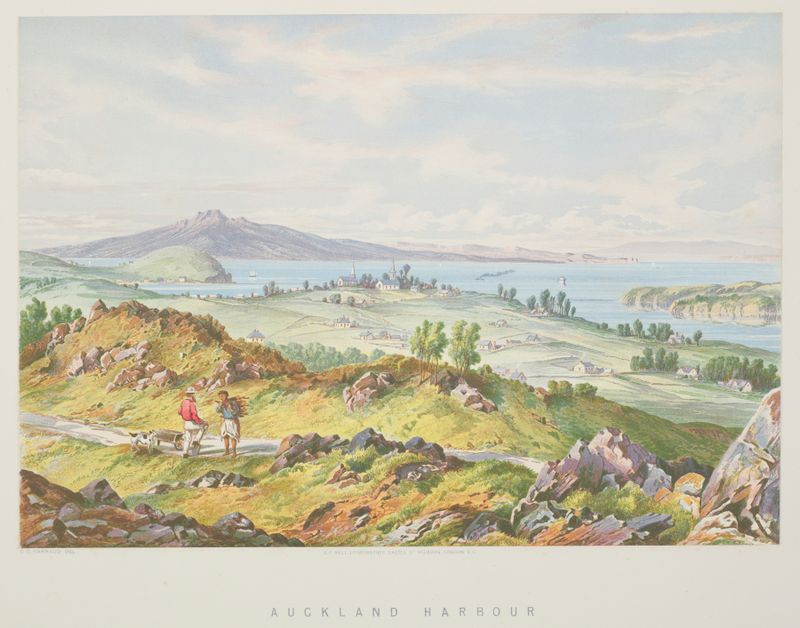
New Zealand Graphic and Descriptive. Auckland Harbour
Charles Decimus Barraud
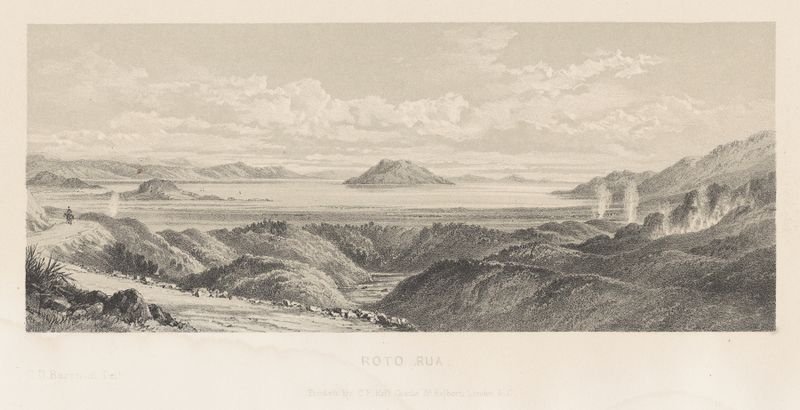
New Zealand Graphic and Descriptive. Plate III. Roto-rua
Charles Decimus Barraud
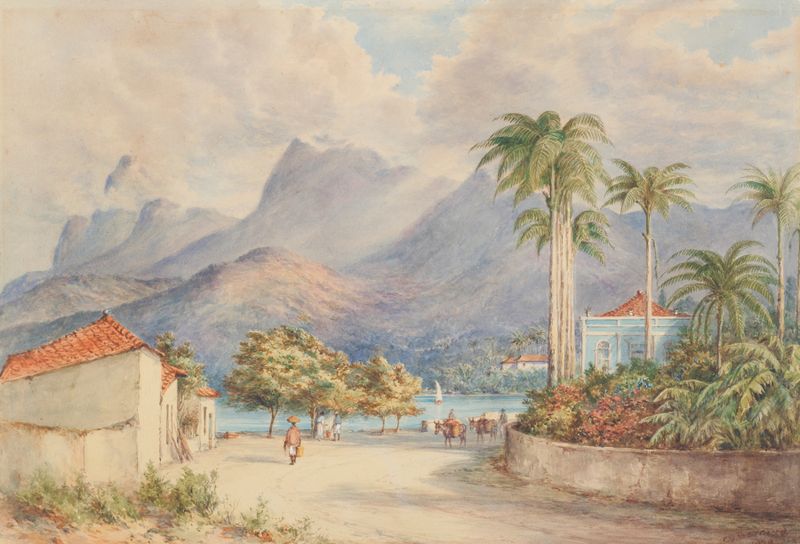
Rio de Janeiro
Charles Decimus Barraud
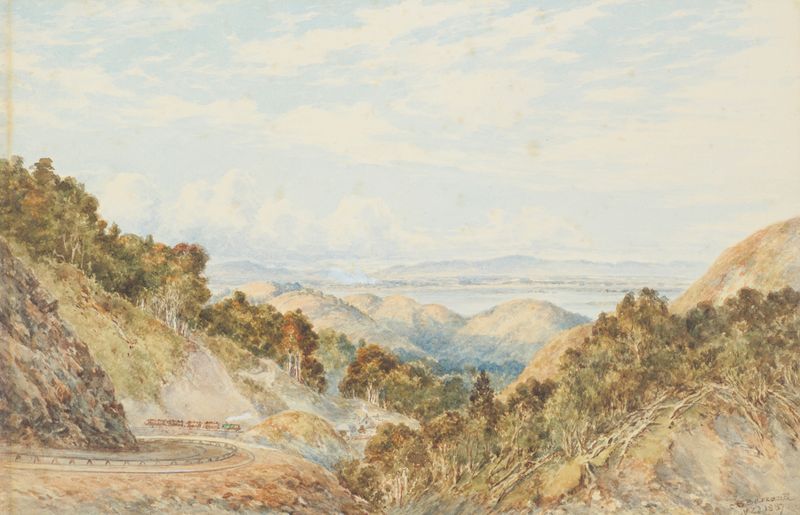
Rimutaka railway from above Cross Creek
Charles Decimus Barraud





