
New Zealand Graphic and Descriptive. Plate I. Wellington Railway — History & Facts
Could beauty survive in a century of chaos? In New Zealand Graphic and Descriptive. Plate I. Wellington Railway, the landscape emerges as a tranquil oasis, a gentle reminder of nature’s resilience amid the industrial tide. Look to the foreground, where lush green hills cradle the railway—a ribbon of steel cutting through the serene expanse.
The delicate brushwork captures the intricate details of foliage, while the soft, diffused light bathes the scene, creating an almost ethereal quality. Notice how the composition draws the eye toward the distant mountains, their majestic silhouettes painted in cool blues and grays, contrasting the vibrant greens below. This interplay of color and light invites viewers to experience a moment of stillness within a world on the brink of transformation. In this work, the juxtaposition of nature and the railway speaks volumes about progress and its impact on beauty.
The railway represents the march of civilization, but the surrounding landscape, alive with detailed flora, hints at the inherent struggle between expansion and preservation. There’s a subtle tension between the manmade and the natural, as if each brushstroke carries the weight of what might be lost—and what must be cherished. The gentle reflection of light off the waterway in the foreground serves as a metaphor for clarity and continuity, echoing the desire for harmony amid change. Charles Decimus Barraud painted this piece in 1877 while living in New Zealand, a time when the country was grappling with rapid colonial development.
The industrial revolution was reshaping landscapes worldwide, and the artist’s work served as both a record and an appreciation of his surroundings. Amidst this transformation, he captured the essence of a land still rich with beauty, leaving a visual legacy that resonates even today.
More Artworks by Charles Decimus Barraud
Browse all →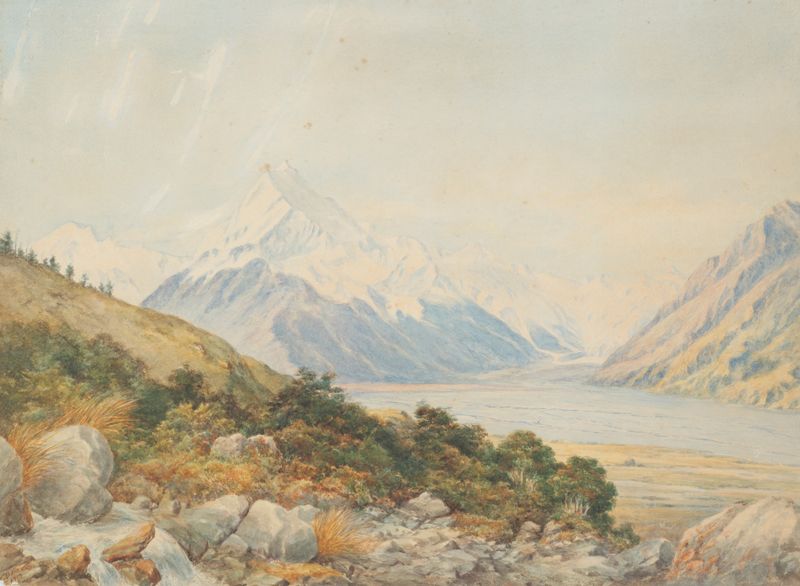
Mt. Cook from Tasman Valley
Charles Decimus Barraud
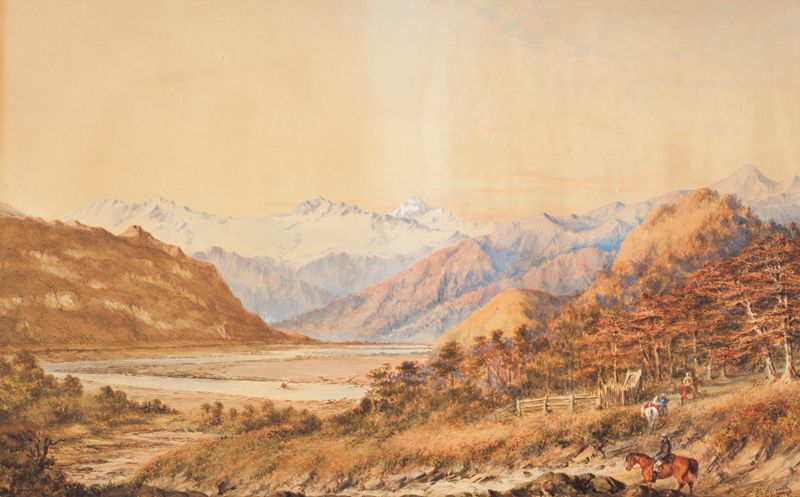
View of Mt. Aspiring, Province of Otago, looking north up the Valley of Matekitiki River from Dr Hector’s camp of 1863
Charles Decimus Barraud
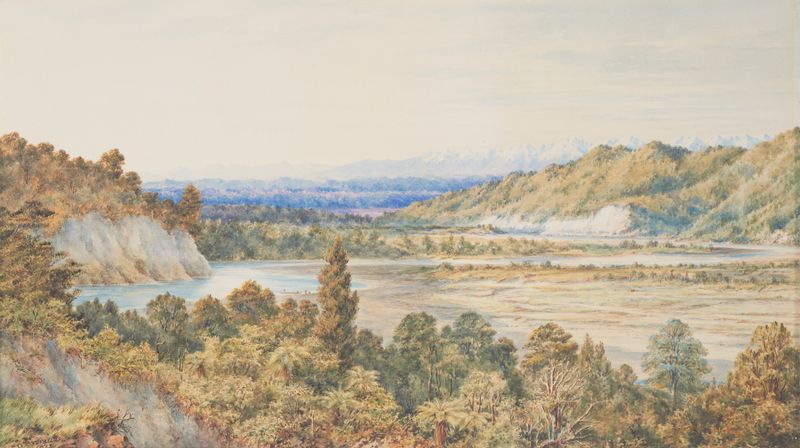
The Manawatu
Charles Decimus Barraud
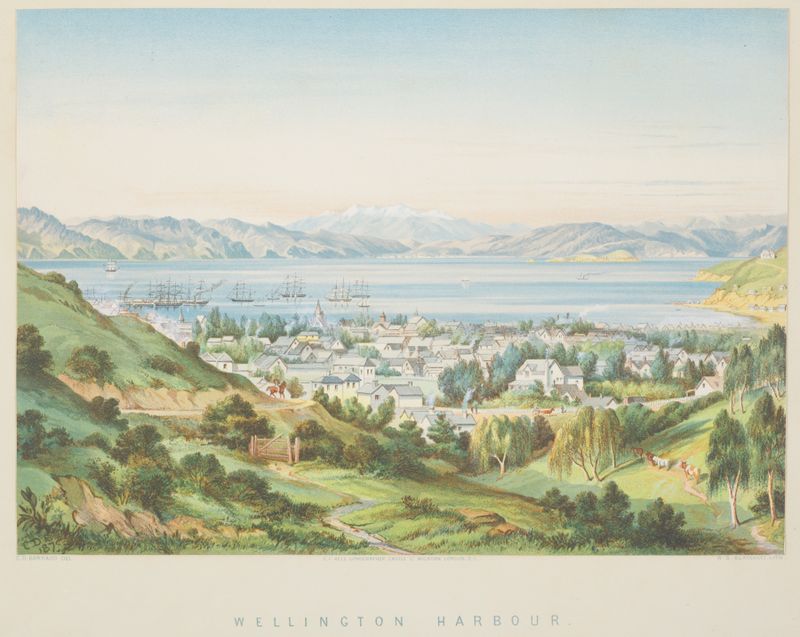
New Zealand Graphic and Descriptive. Wellington Harbour.
Charles Decimus Barraud
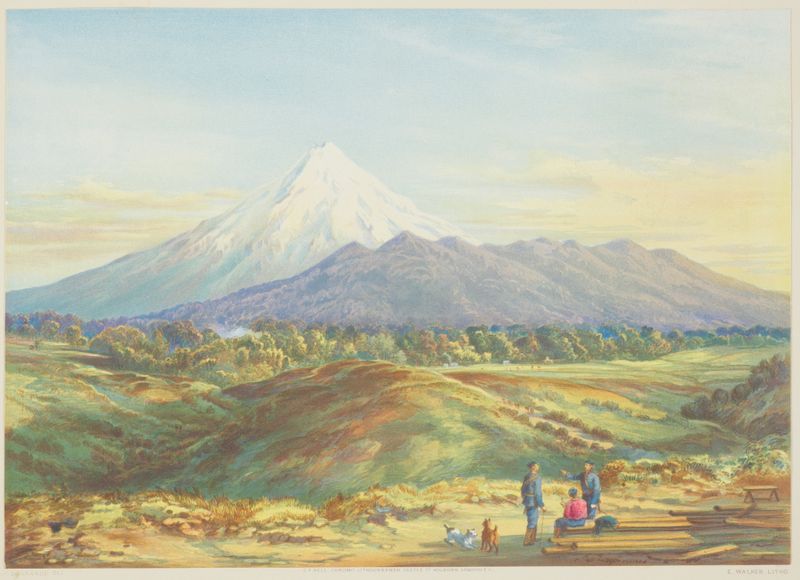
New Zealand Graphic and Descriptive. Mt Egmont.
Charles Decimus Barraud
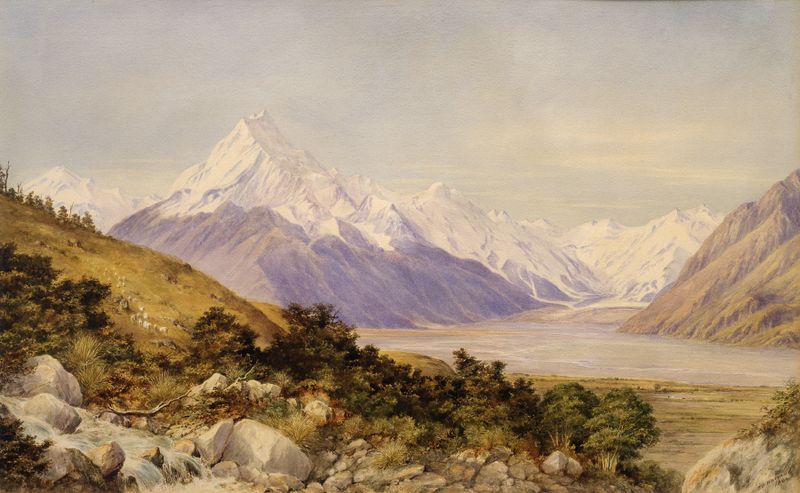
Mt. Cook
Charles Decimus Barraud
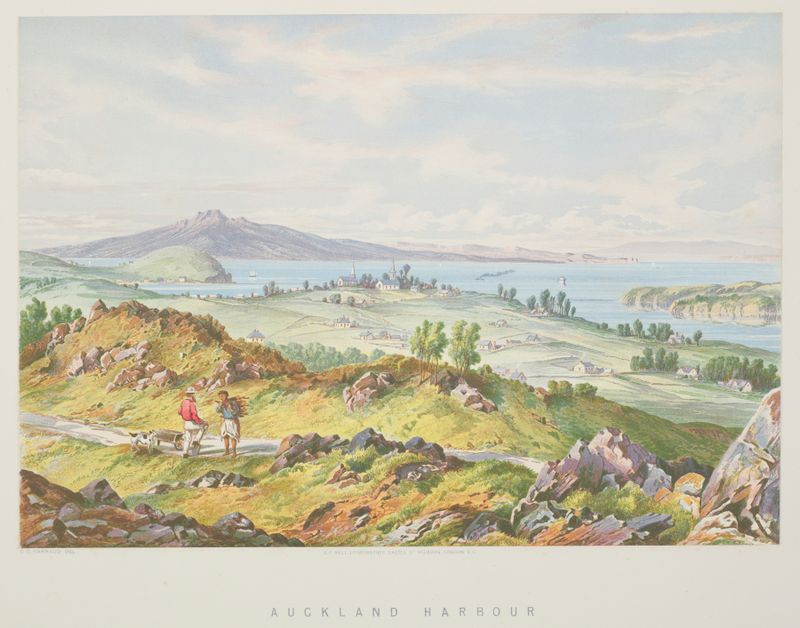
New Zealand Graphic and Descriptive. Auckland Harbour
Charles Decimus Barraud
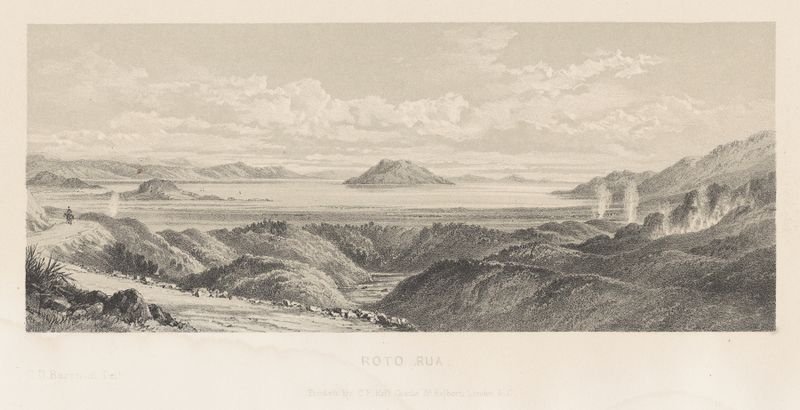
New Zealand Graphic and Descriptive. Plate III. Roto-rua
Charles Decimus Barraud
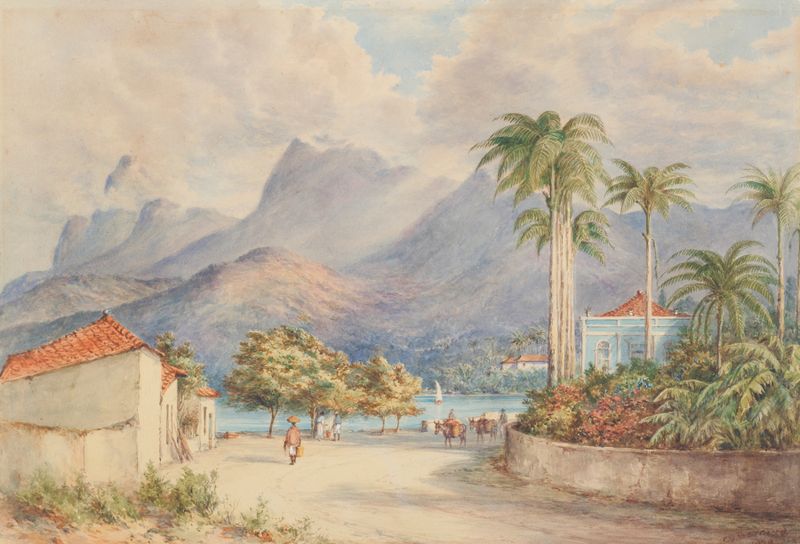
Rio de Janeiro
Charles Decimus Barraud
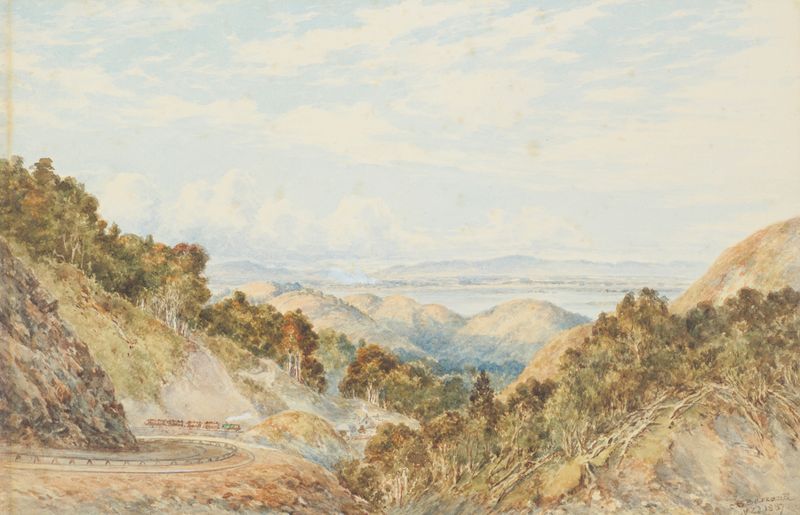
Rimutaka railway from above Cross Creek
Charles Decimus Barraud





