
New Zealand Graphic and Descriptive. Mt Egmont. — History & Facts
Where does light end, and longing begin? In the breathtaking landscape captured by Barraud, the question lingers like mist over the peak of Mt. Egmont, a site of violent beauty that evokes both awe and introspection. Look to the left where the mountain looms large, its snow-capped summit piercing through a blanket of clouds. The gentle pastel hues of the sky contrast with the ruggedness of the rocky terrain below, creating a stark dichotomy that draws the eye.
Notice how the artist employs delicate brushstrokes to depict the lush greenery that slopes gracefully toward the viewer, inviting exploration yet hinting at the untamed wilderness that can turn treacherous. As you delve deeper, observe the interplay of light and shadow across the landscape—a metaphor for the emotional tensions contained within this scene. The bright sunlight illuminates the north face of the mountain, while darker patches evoke a foreboding sense of isolation. This juxtaposition reflects the duality of nature's allure and danger; it whispers of the tempestuous forces that sculpt such majestic vistas, suggesting that even beauty can hold a trace of violence. In 1877, Barraud painted this piece during a period of significant exploration and appreciation of New Zealand's landscapes.
Living in a time when the natural world was both a subject of fascination and fear, the artist sought to document the grandeur of his homeland. The late 19th century was marked by a burgeoning national identity, and through this work, he contributed to a romanticized understanding of New Zealand's wild terrains, engaging with the spirit of an age that both celebrated and wrestled with nature's power.
More Artworks by Charles Decimus Barraud
Browse all →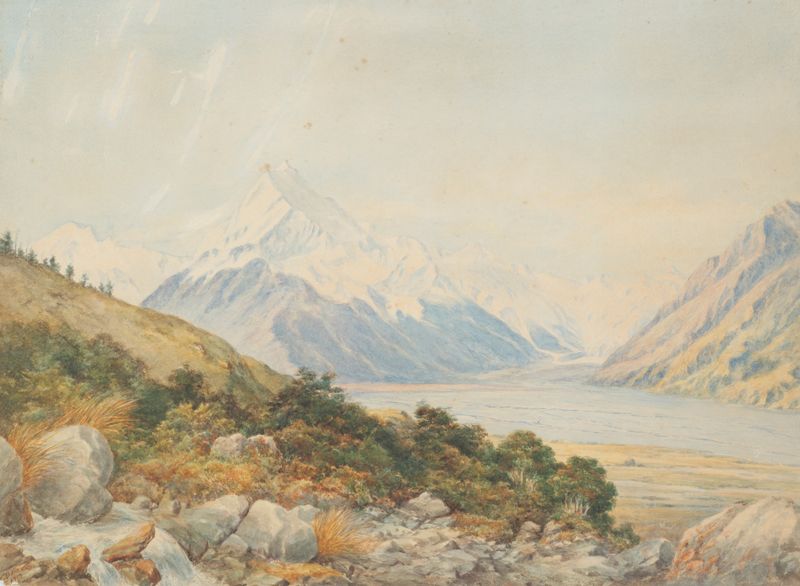
Mt. Cook from Tasman Valley
Charles Decimus Barraud
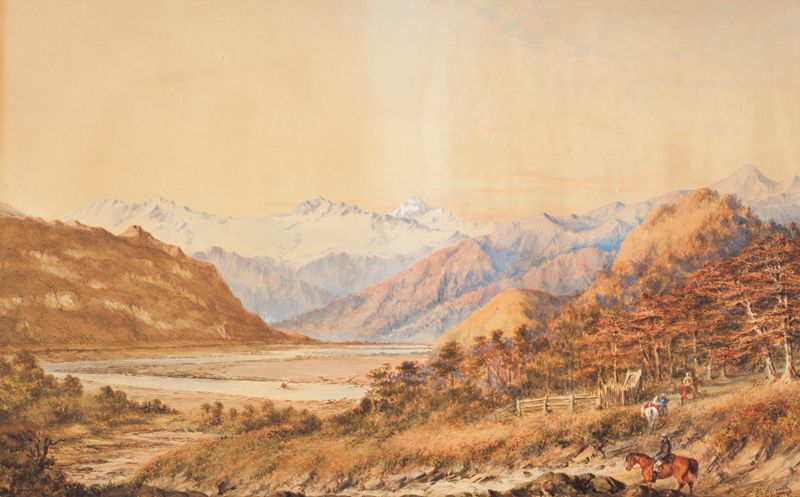
View of Mt. Aspiring, Province of Otago, looking north up the Valley of Matekitiki River from Dr Hector’s camp of 1863
Charles Decimus Barraud
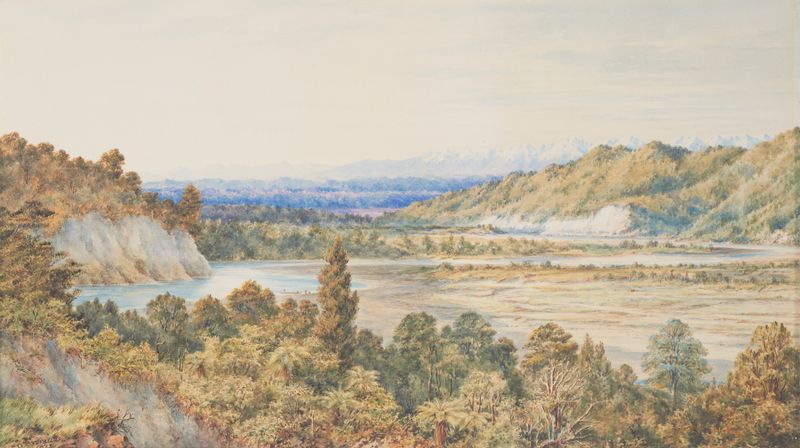
The Manawatu
Charles Decimus Barraud
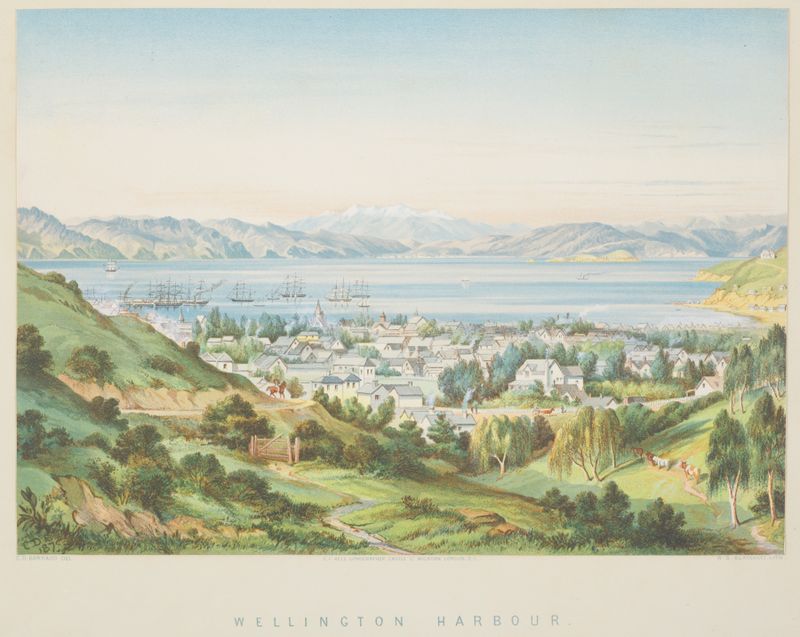
New Zealand Graphic and Descriptive. Wellington Harbour.
Charles Decimus Barraud
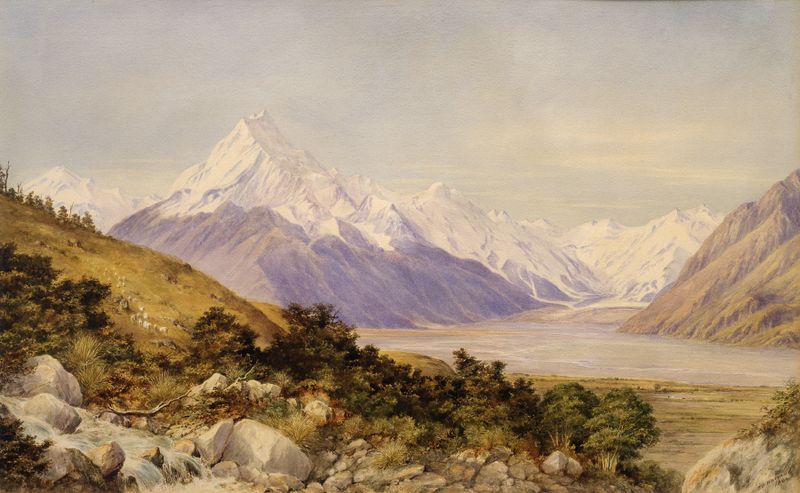
Mt. Cook
Charles Decimus Barraud
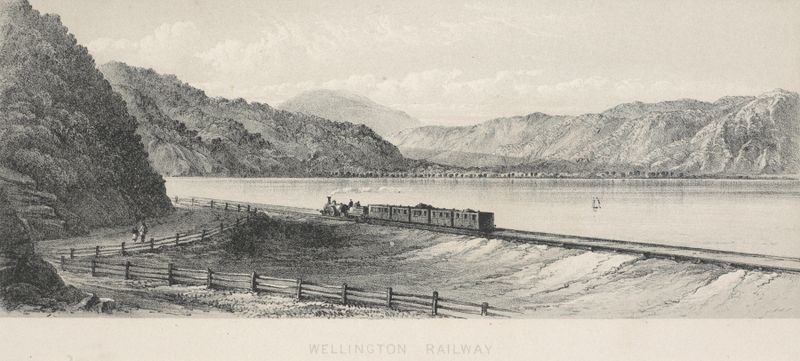
New Zealand Graphic and Descriptive. Plate I. Wellington Railway
Charles Decimus Barraud
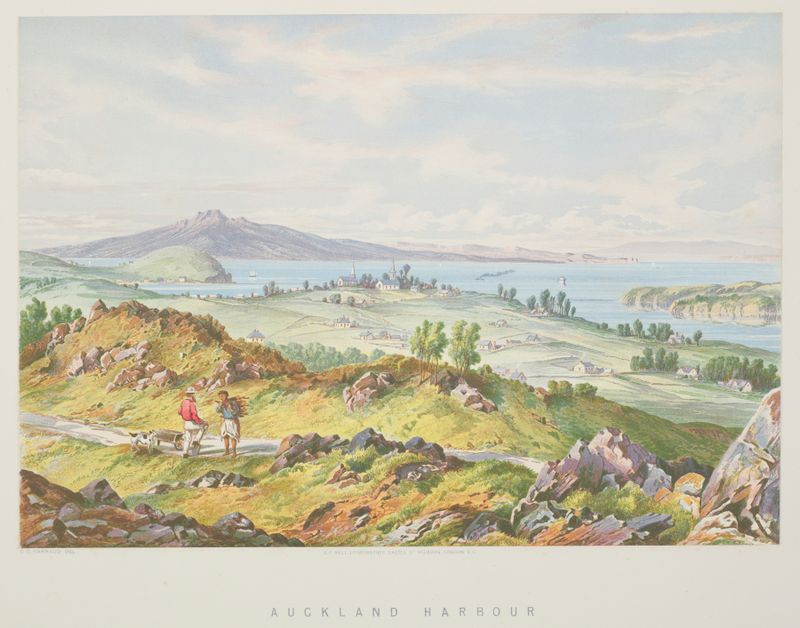
New Zealand Graphic and Descriptive. Auckland Harbour
Charles Decimus Barraud
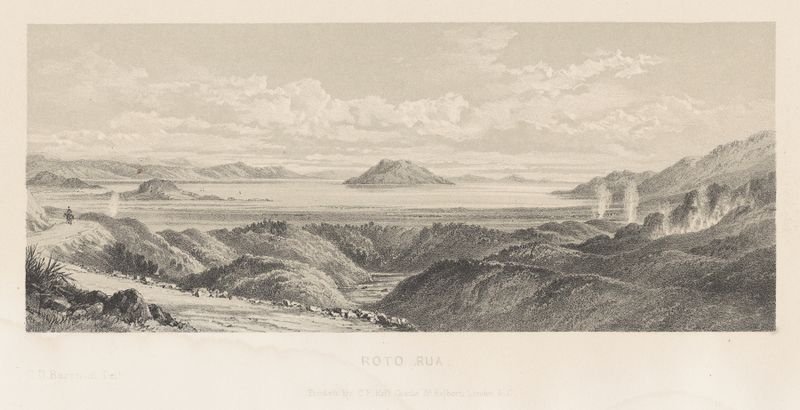
New Zealand Graphic and Descriptive. Plate III. Roto-rua
Charles Decimus Barraud
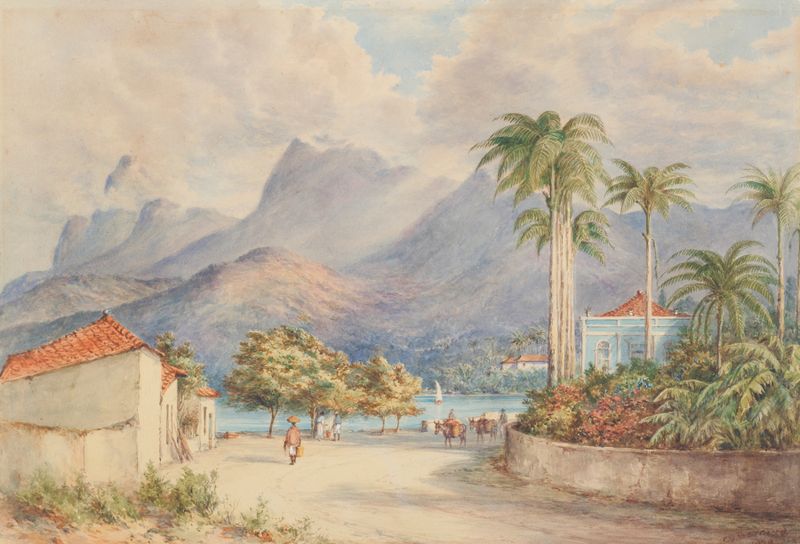
Rio de Janeiro
Charles Decimus Barraud
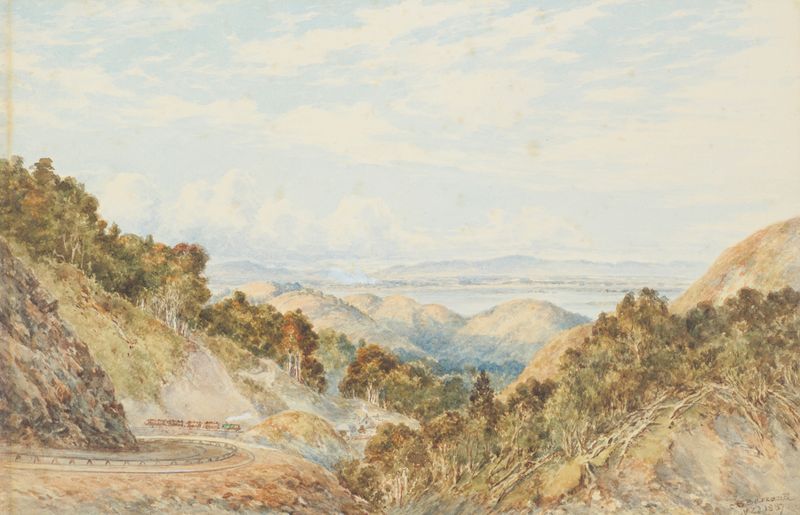
Rimutaka railway from above Cross Creek
Charles Decimus Barraud





