
Rio de Janeiro — History & Facts
Who listens when art speaks of silence? In Rio de Janeiro, the stillness resounds with an innocence that invites contemplation. Focus first on the gentle brushstrokes that capture the lush greenery, where foliage unfurls in shades of emerald and jade. Notice how the sunlight filters through the leaves, creating dappled patterns across the tranquil water below. The soft blues and warm earth tones blend harmoniously, suggesting a serene coexistence between nature and humanity.
The composition draws the viewer’s eye towards the horizon, where the skyline hints at the urban pulse beneath the idyllic surface. Delve deeper into the emotional nuances of this work. The juxtaposition of the vibrant landscape against the distant cityscape speaks to a tension between innocence and progress, a fleeting moment before the encroachment of modernity forever alters the scene. The figures at the water’s edge, seemingly lost in their reverie, evoke a sense of nostalgia and the ephemeral nature of peace.
Each element, from the rippling water to the distant mountains, resonates with stories of longing and the passage of time. In 1878, Barraud painted this piece while living in Brazil, a period marked by his exploration of the region’s lush landscapes. As an artist, he was influenced by the Romantic movement, which celebrated the beauty of nature and individual experience. This work, a testament to the era's artistic curiosity, reflects not only Barraud's personal journey but also the broader societal shifts occurring in Brazil as the country approached modernization.
More Artworks by Charles Decimus Barraud
Browse all →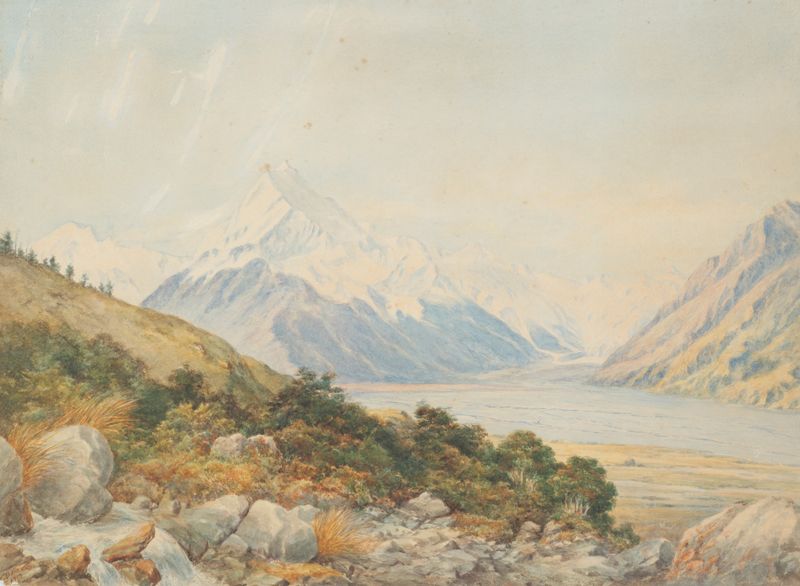
Mt. Cook from Tasman Valley
Charles Decimus Barraud
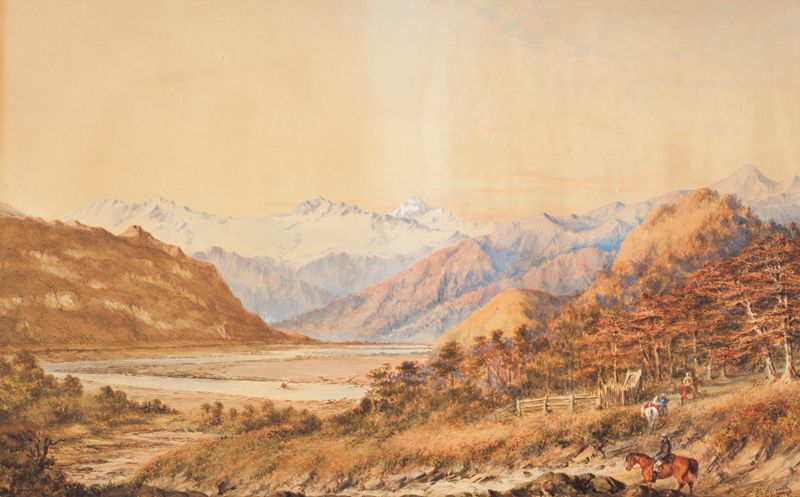
View of Mt. Aspiring, Province of Otago, looking north up the Valley of Matekitiki River from Dr Hector’s camp of 1863
Charles Decimus Barraud
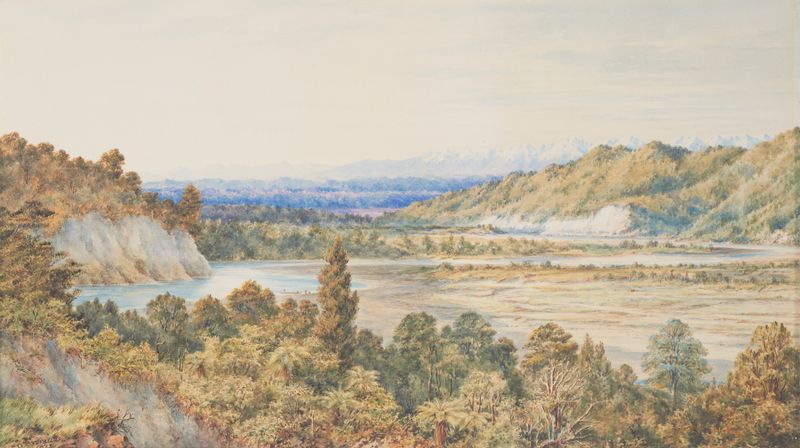
The Manawatu
Charles Decimus Barraud
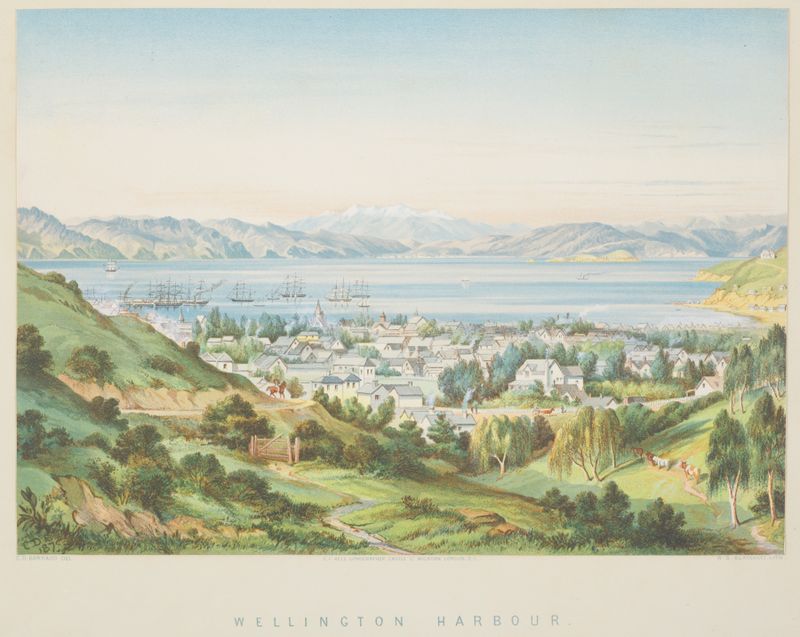
New Zealand Graphic and Descriptive. Wellington Harbour.
Charles Decimus Barraud
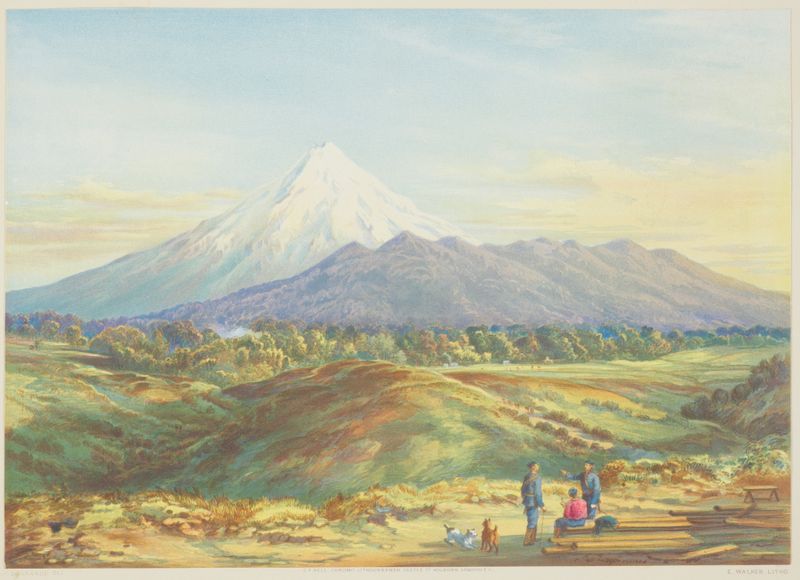
New Zealand Graphic and Descriptive. Mt Egmont.
Charles Decimus Barraud
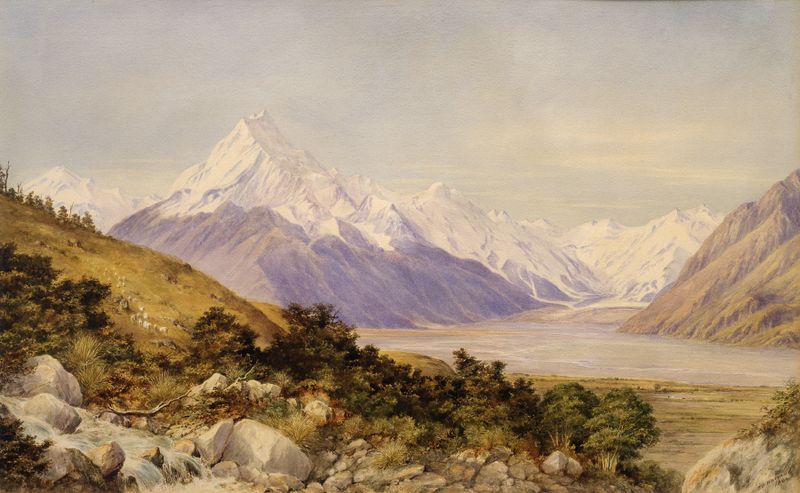
Mt. Cook
Charles Decimus Barraud
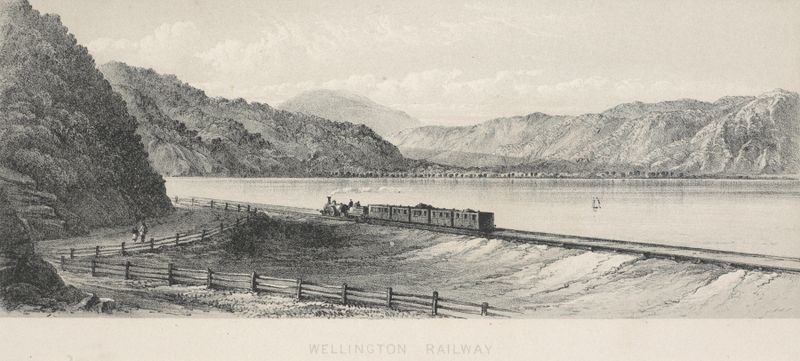
New Zealand Graphic and Descriptive. Plate I. Wellington Railway
Charles Decimus Barraud
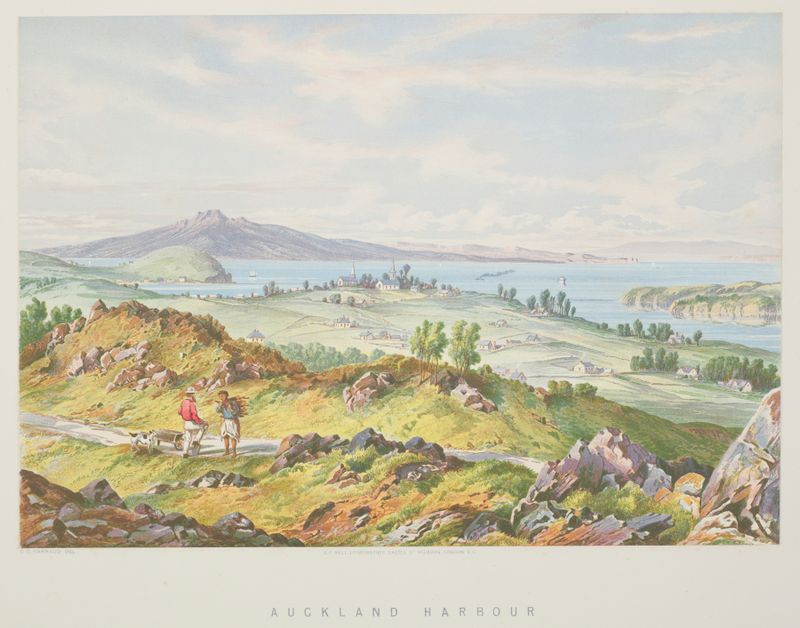
New Zealand Graphic and Descriptive. Auckland Harbour
Charles Decimus Barraud
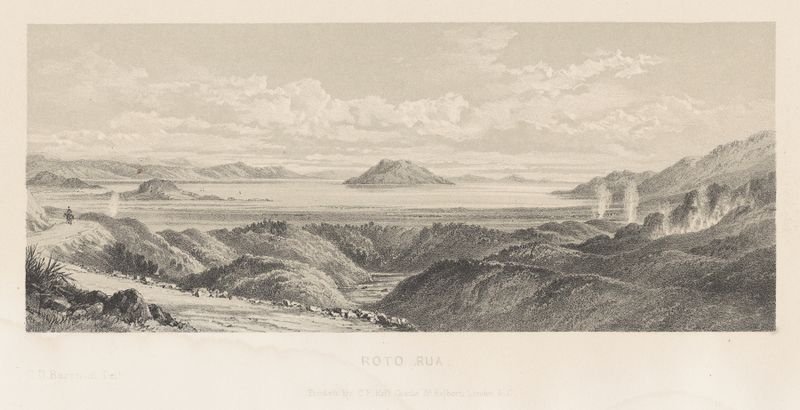
New Zealand Graphic and Descriptive. Plate III. Roto-rua
Charles Decimus Barraud
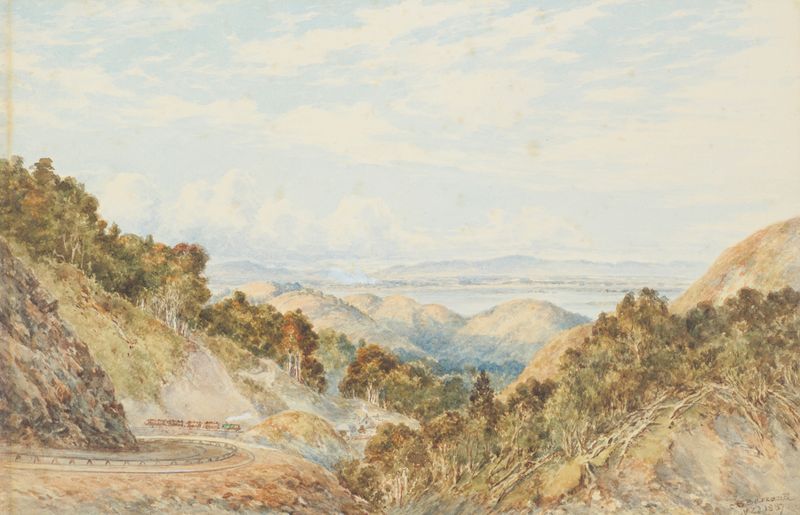
Rimutaka railway from above Cross Creek
Charles Decimus Barraud





