
The Manawatu — History & Facts
In the stillness of a moment captured on canvas, hope blooms amidst life’s relentless march. Look to the left at the gentle curve of the riverbank, where the soft strokes of green brush against the shimmering blue of the water. Notice how the light dances on the surface, reflecting the clouds above and inviting a deeper gaze into the tranquil scene. The composition draws the eye along the river, leading to the distant hills, painted in rich earth tones that hold a promise of peace and renewal. Beneath the serene surface lies a poignant contrast between the stillness of nature and the ever-flowing current of life.
The vibrant hues suggest not just a landscape, but a metaphor for resilience—the way nature thrives even in the face of challenges. Small details, like the rippling water and the delicate web of branches overhead, evoke a sense of interconnectedness, urging viewers to look more closely at the ordinary miracles surrounding them. In 1873, Charles Decimus Barraud was painting in New Zealand, a land that was both beautiful and fraught with change. Having emigrated from England, he was drawn to the native landscapes and communities, capturing their essence during a time of cultural transformation.
This period marked a growing interest in landscape paintings, as artists sought to express the unique beauty of their environments, serving as a testament to the hope embedded in the natural world.
More Artworks by Charles Decimus Barraud
Browse all →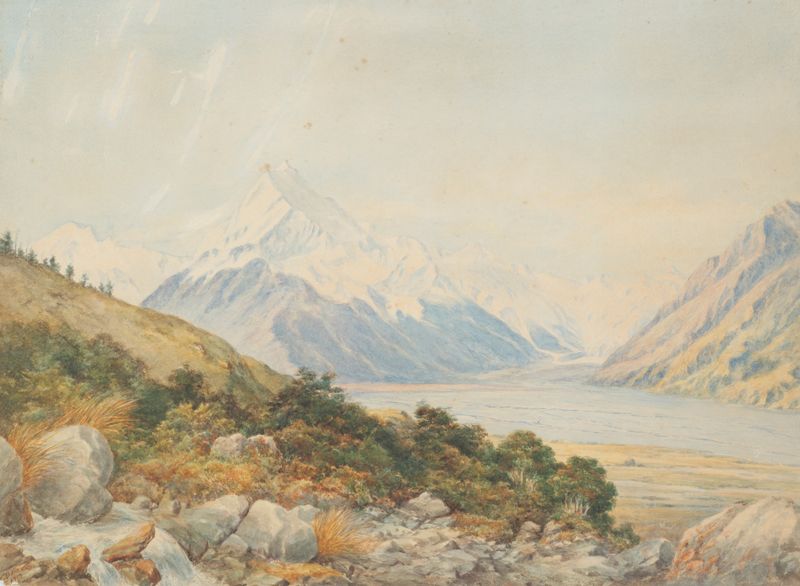
Mt. Cook from Tasman Valley
Charles Decimus Barraud
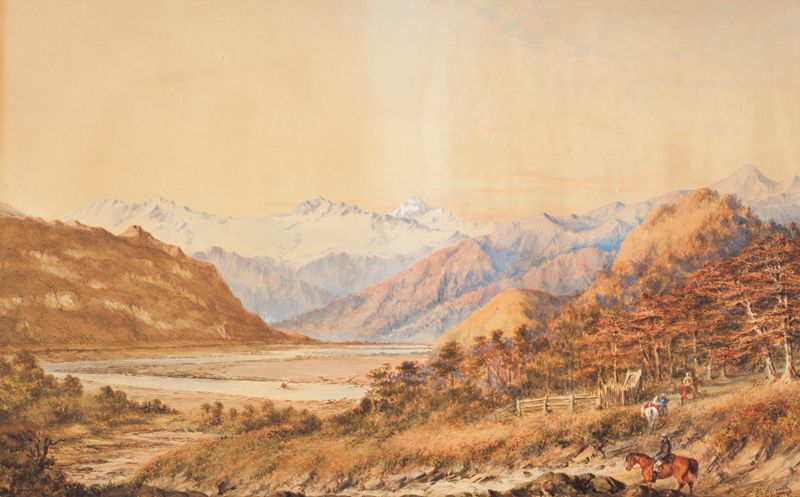
View of Mt. Aspiring, Province of Otago, looking north up the Valley of Matekitiki River from Dr Hector’s camp of 1863
Charles Decimus Barraud
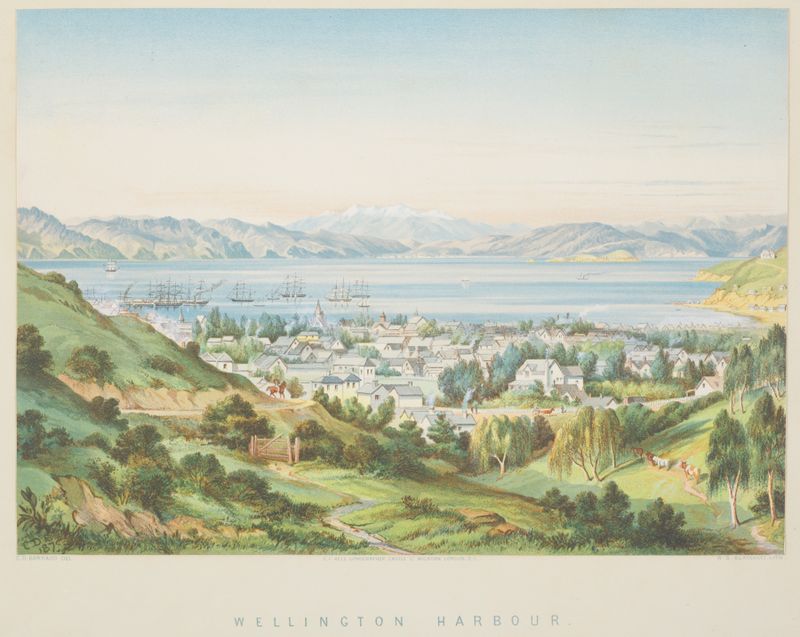
New Zealand Graphic and Descriptive. Wellington Harbour.
Charles Decimus Barraud
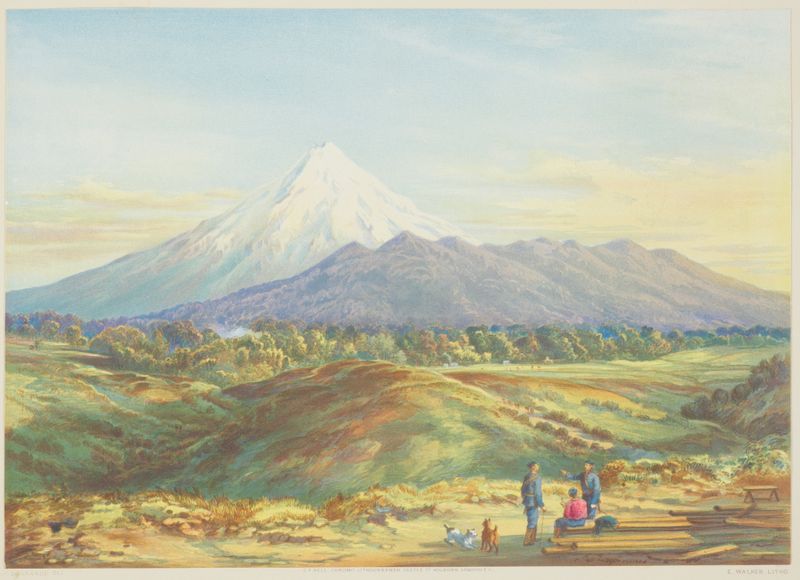
New Zealand Graphic and Descriptive. Mt Egmont.
Charles Decimus Barraud
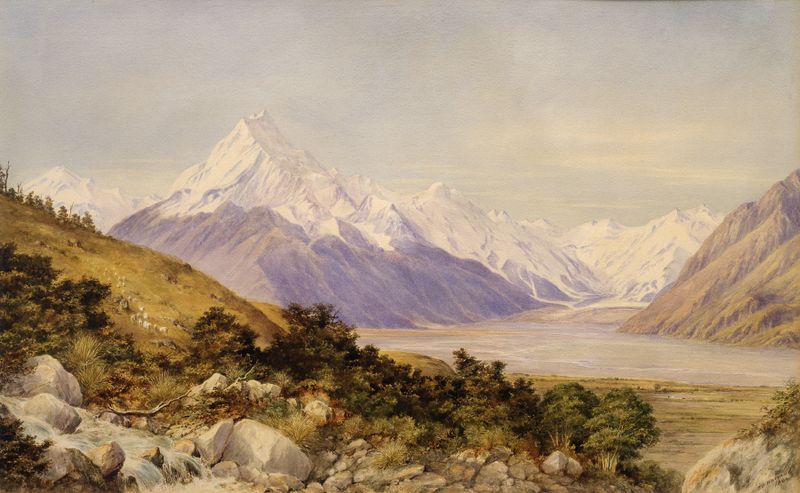
Mt. Cook
Charles Decimus Barraud
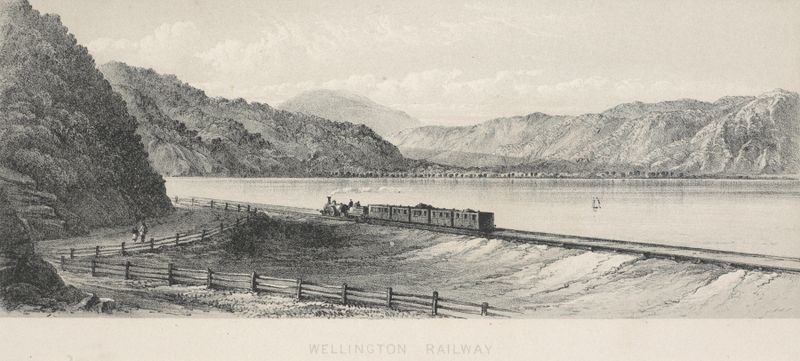
New Zealand Graphic and Descriptive. Plate I. Wellington Railway
Charles Decimus Barraud
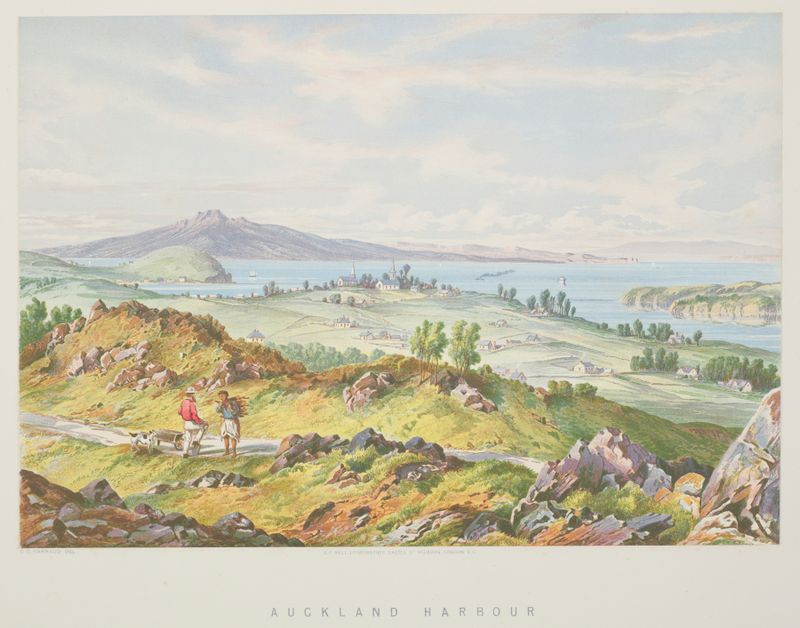
New Zealand Graphic and Descriptive. Auckland Harbour
Charles Decimus Barraud
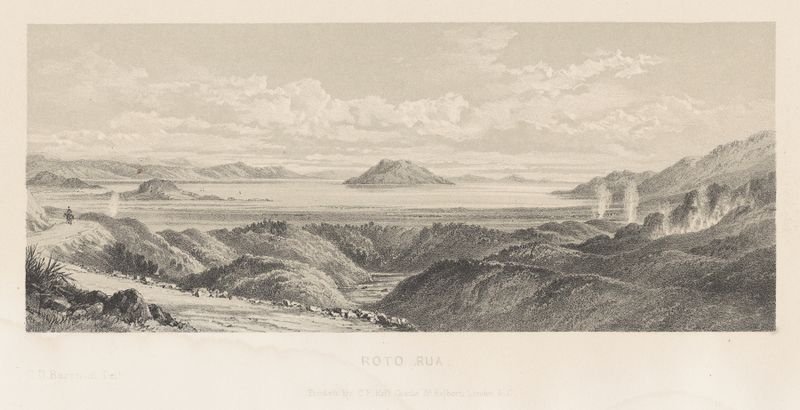
New Zealand Graphic and Descriptive. Plate III. Roto-rua
Charles Decimus Barraud
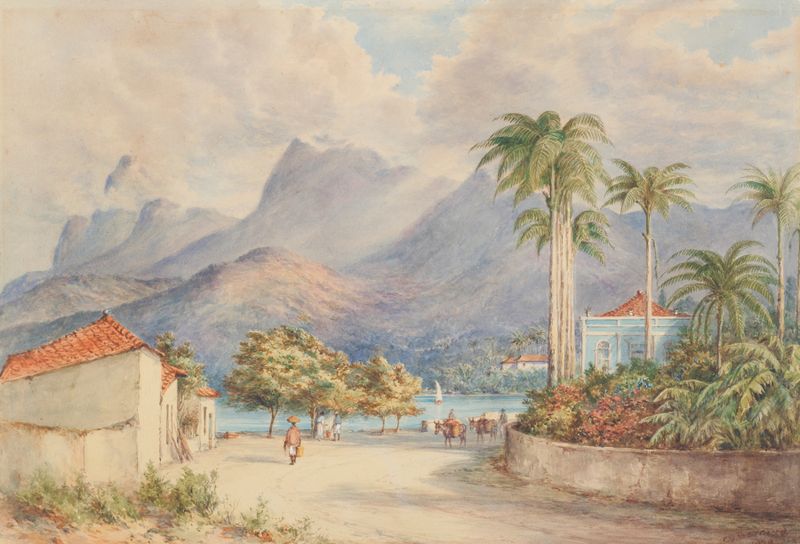
Rio de Janeiro
Charles Decimus Barraud
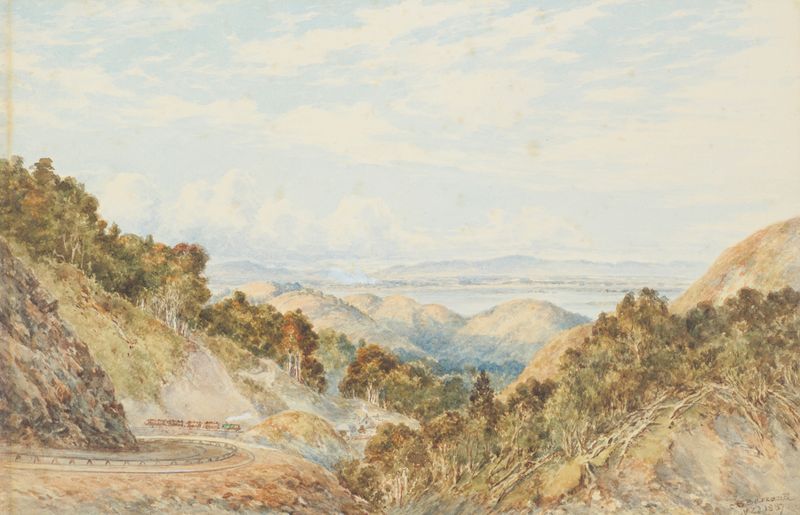
Rimutaka railway from above Cross Creek
Charles Decimus Barraud





