
Mud barge — History & Facts
In the stillness of decay, where life ebbs away, a truth emerges that is both haunting and beautiful. Look to the lower left where a solitary mud barge quietly settles into the earth, its weathered surface telling stories of relentless passage and neglect. Notice how the muted palette — subtle browns and deep greens — evokes a sense of time standing still, while soft light bathes the scene, highlighting the textures of rust and grime. This deliberate composition invites you to linger, capturing the essence of something once vital, now fading into the landscape. The contrasts in the painting resonate deeply; the sturdy strength of the barge juxtaposes the fragility of its surroundings.
We can see the interplay between the man-made and nature’s reclamation, a poignant reminder of impermanence. The languid water reflects not just the structure above but also an emotional landscape, suggesting loss and the passage of time — both a celebration and a lamentation of decay in a world that constantly renews itself. Albert Baertsoen painted this work in the early 20th century, a time when industrialization was transforming Europe. Residing in Belgium, he was influenced by the Impressionist movement, seeking to capture the essence of everyday life with a focus on light and atmosphere.
This piece exemplifies his interest in the interplay between nature and industry, revealing a world where human constructs, like the mud barge, are slowly surrendered back to the earth.
More Artworks by Albert Baertsoen
Browse all →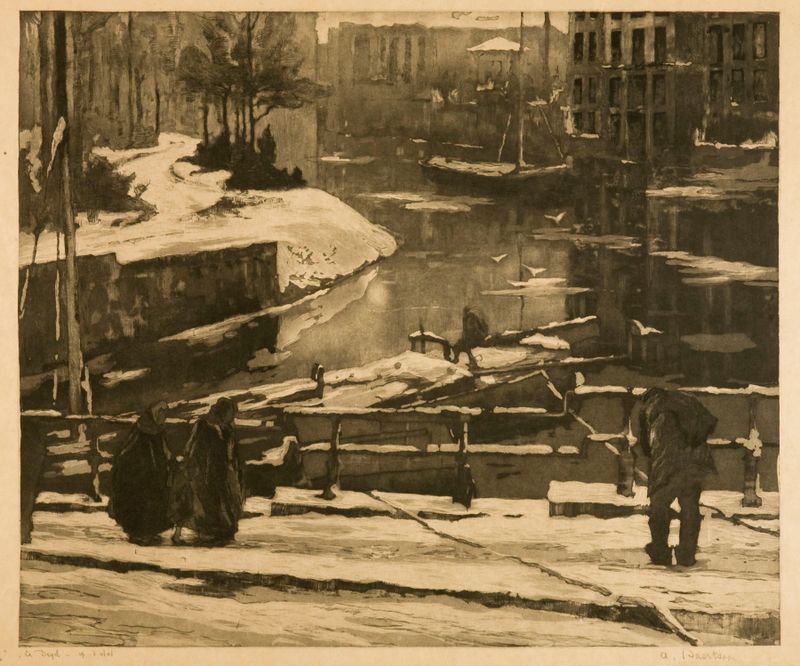
Thaw in Ghent
Albert Baertsoen
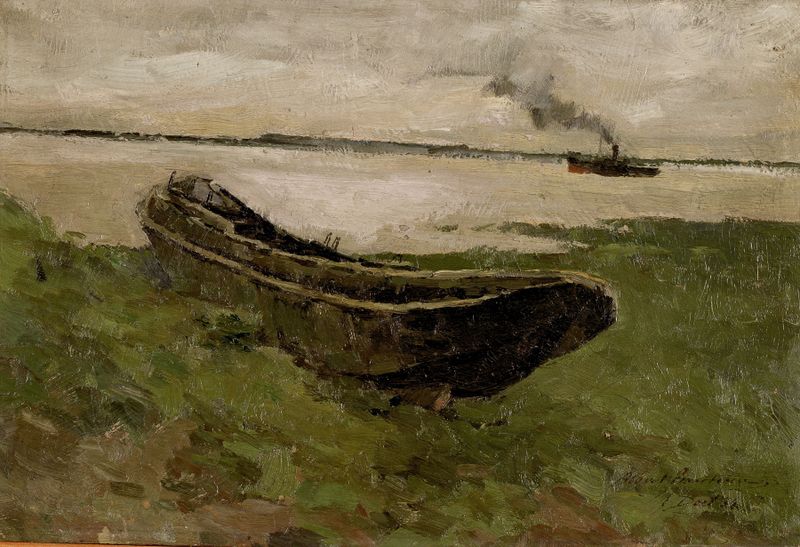
The River Scheldt at Doel
Albert Baertsoen
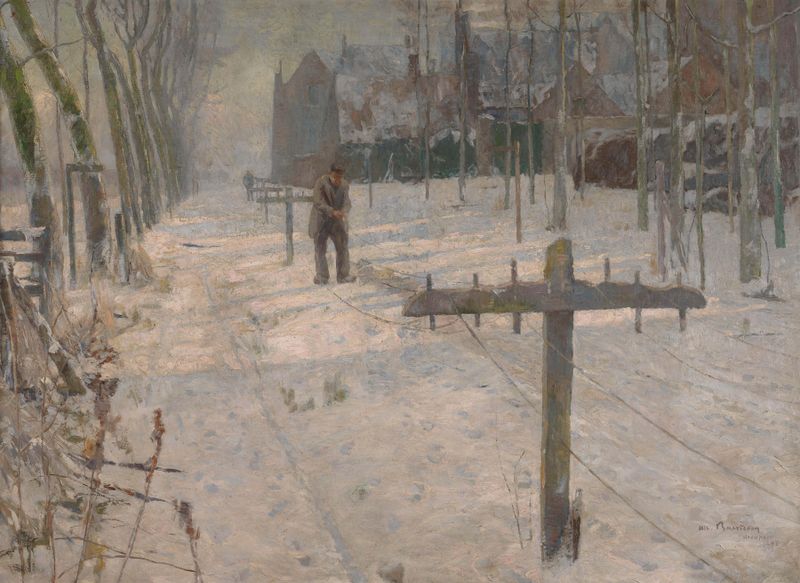
Rope-makers on The Ramparts
Albert Baertsoen
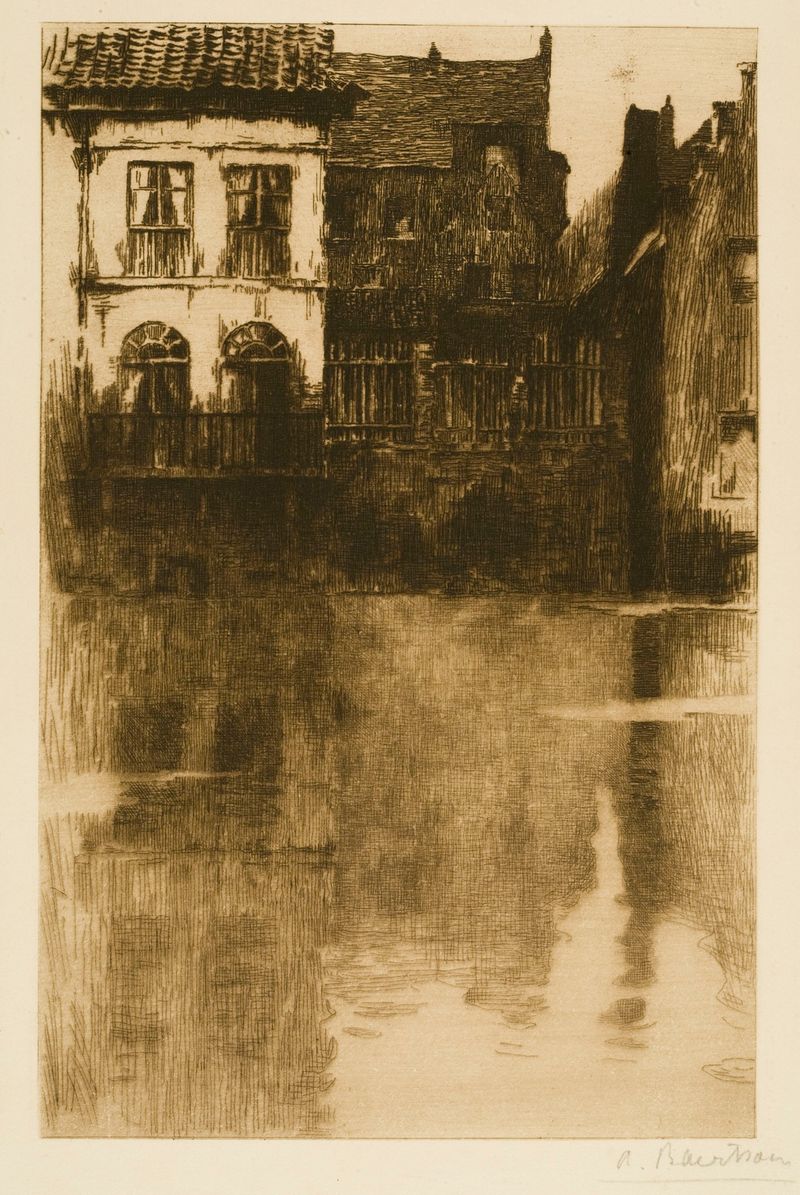
Old Houses on the Waterfront
Albert Baertsoen
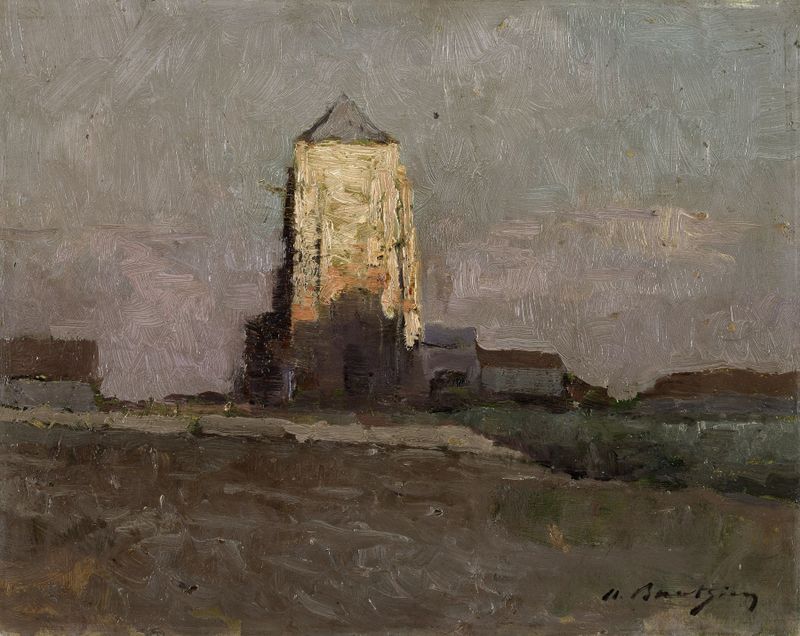
The Church of Mariakerke (Ostend)
Albert Baertsoen
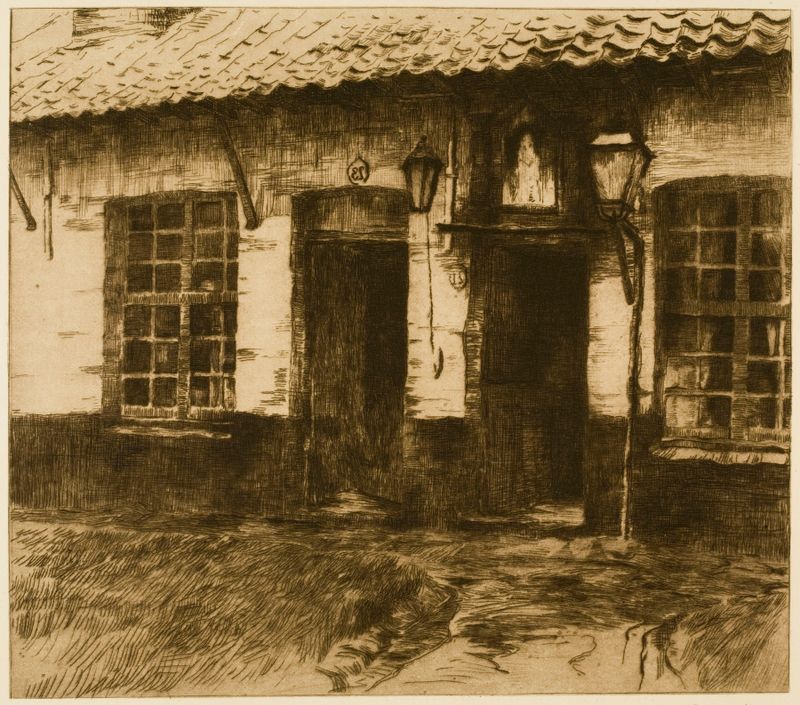
Houses of the Poor (Courtrai)
Albert Baertsoen
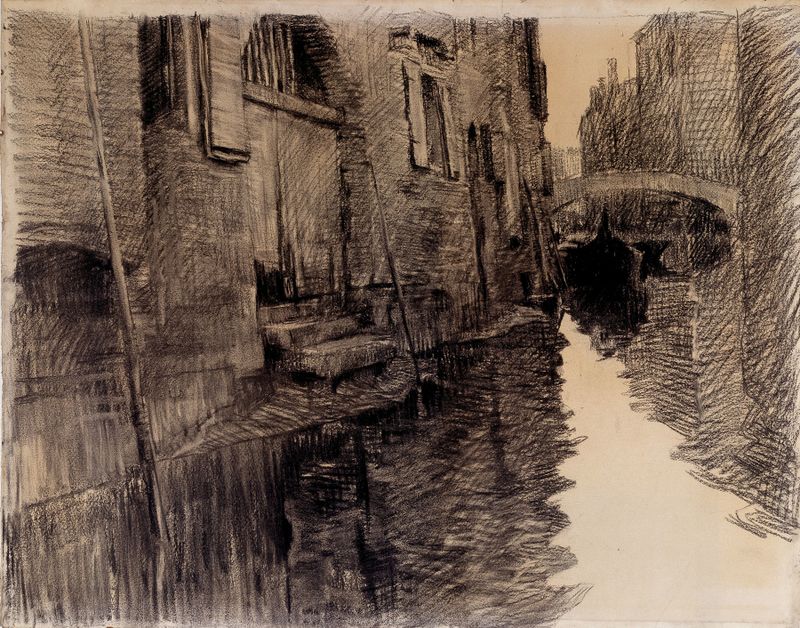
The San Francesco Bridge in Venice
Albert Baertsoen
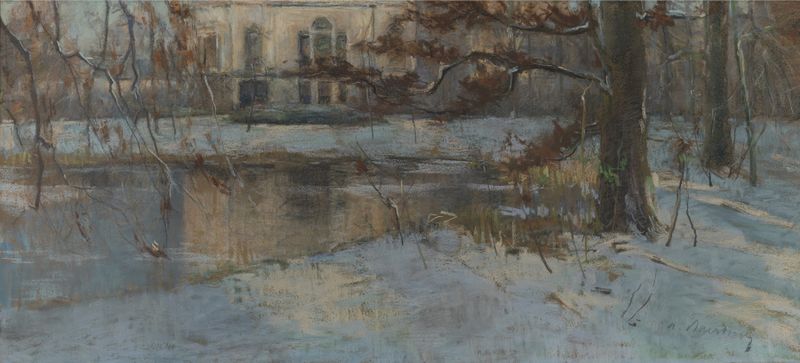
Landhuis en park onder de sneeuw
Albert Baertsoen
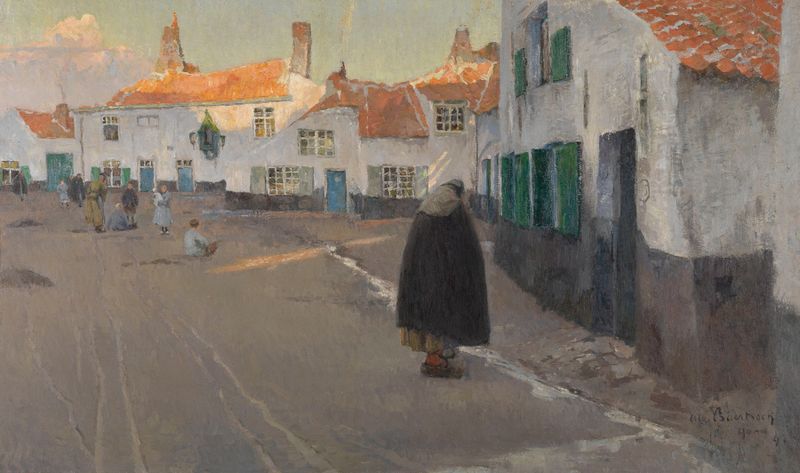
Square in Flanders
Albert Baertsoen
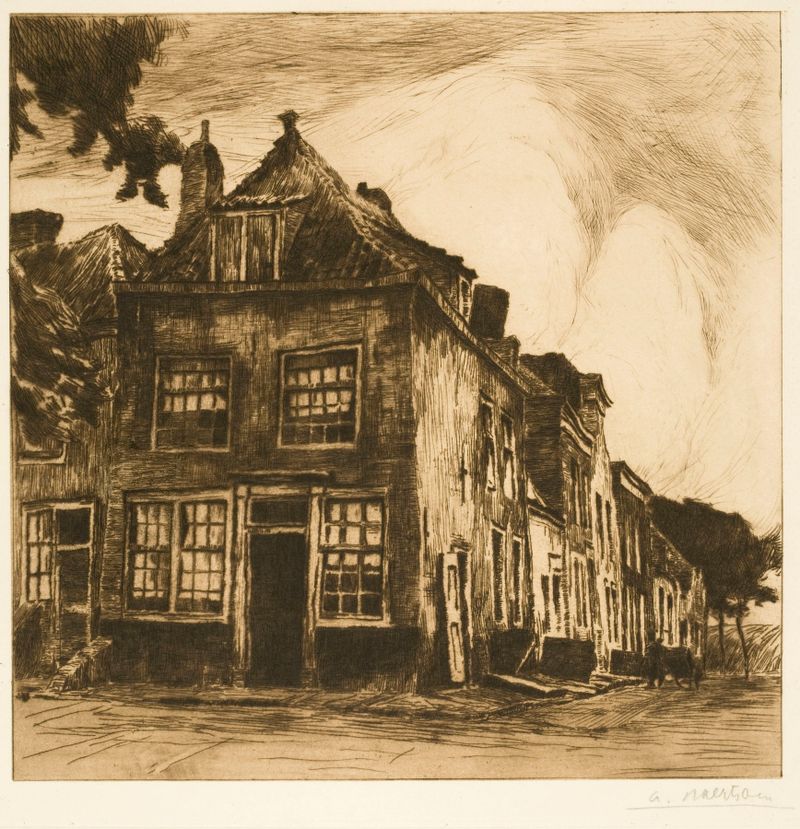
Zeeland Houses (Old Houses in Middelburg)
Albert Baertsoen





