
Mulier Anglica Habitans in Pago / Country woman — History & Facts
Did the painter know this moment would outlive them? The essence of existence captured in stillness, as if the passage of time is both a gift and a burden, hanging delicately in the air. Focus on the woman at the center of the composition, adorned in a simple yet poignant dress, her gaze steady and introspective. Notice how the soft light caresses her features, highlighting the contours of her face, while shadows deepen around her, creating a dichotomy between visibility and obscurity. The muted palette of earthy tones reflects her connection to the land, inviting viewers to contemplate her story, the life she leads, and the simplicity entwined with complexity. Hidden within the folds of her attire are the weight of tradition and expectation, intertwining destiny with her daily existence.
The subtle expression in her eyes suggests resilience, hinting at the untold narratives of countless women who have come before and will follow. The juxtaposition of her serene demeanor against the harsh realities of her environment paints a vivid picture of both vulnerability and strength, reminding us of the quiet battles faced in life’s routine. Wenceslaus Hollar created this work in 1643 while residing in London, a city buzzing with artistic evolution and societal change. At this time, Hollar was experimenting with etching techniques, reflecting the period's burgeoning interest in detailed representations of everyday life and figures.
This painting stands as a testament to not only his evolving craft but also the enduring spirit of the subjects he chose to immortalize.
More Artworks by Wenceslaus Hollar
Browse all →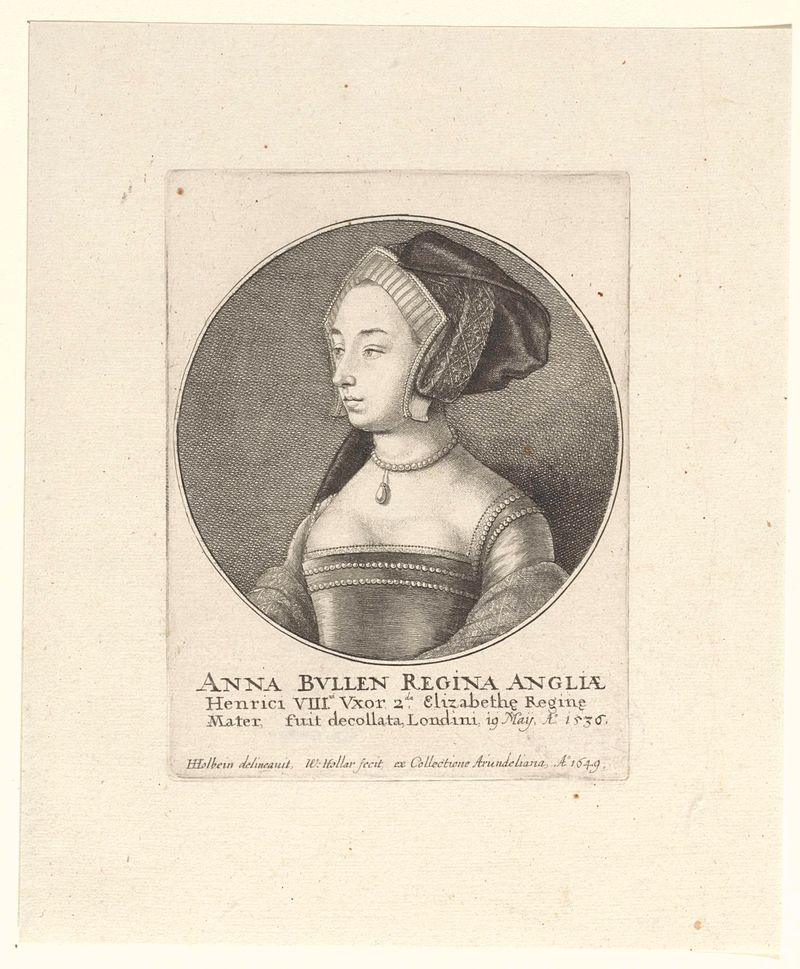
Portret van Anna Boleyn, koningin van Engeland
Wenceslaus Hollar
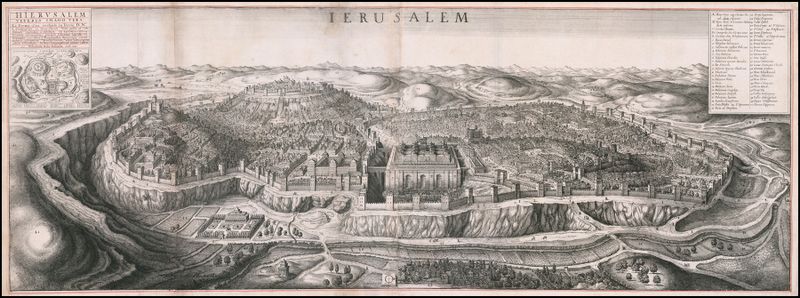
Bird’s eye view of Jerusalem
Wenceslaus Hollar
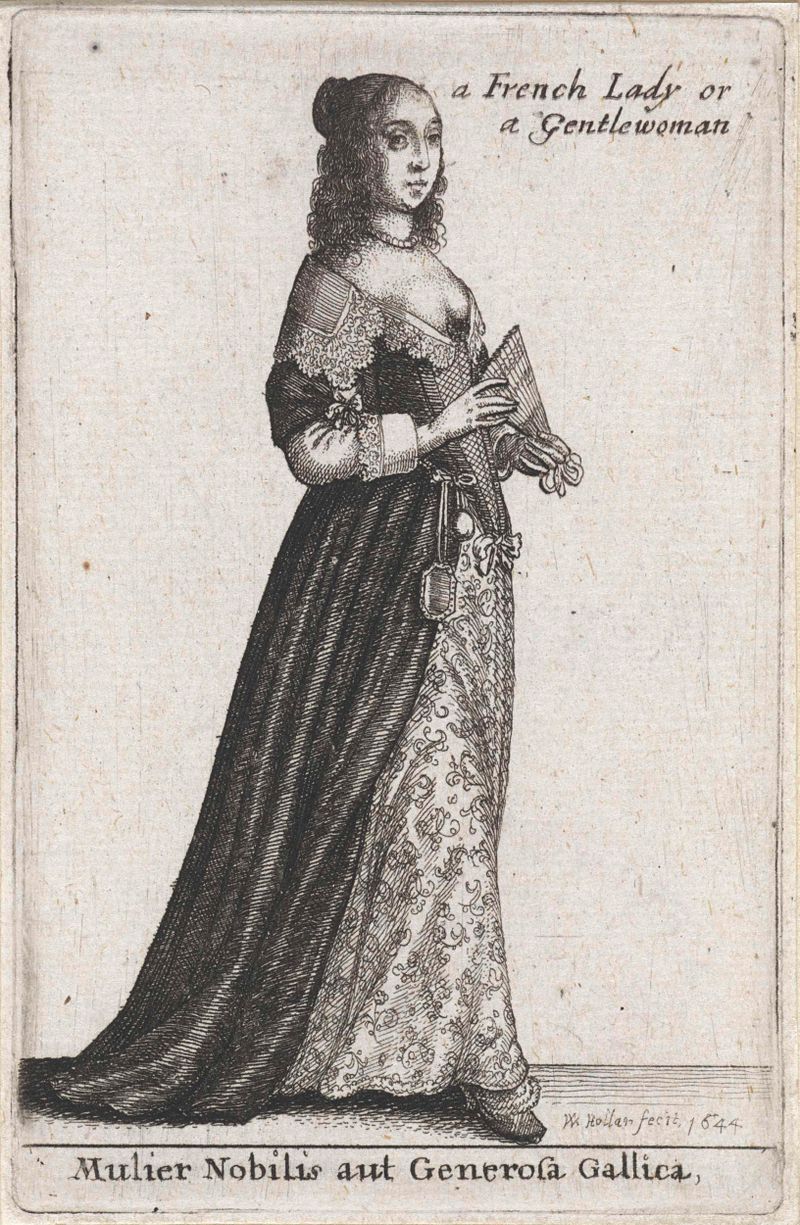
Mulier Nobilis aut Generosa Gallica / a French Lady or Gentlewoman
Wenceslaus Hollar
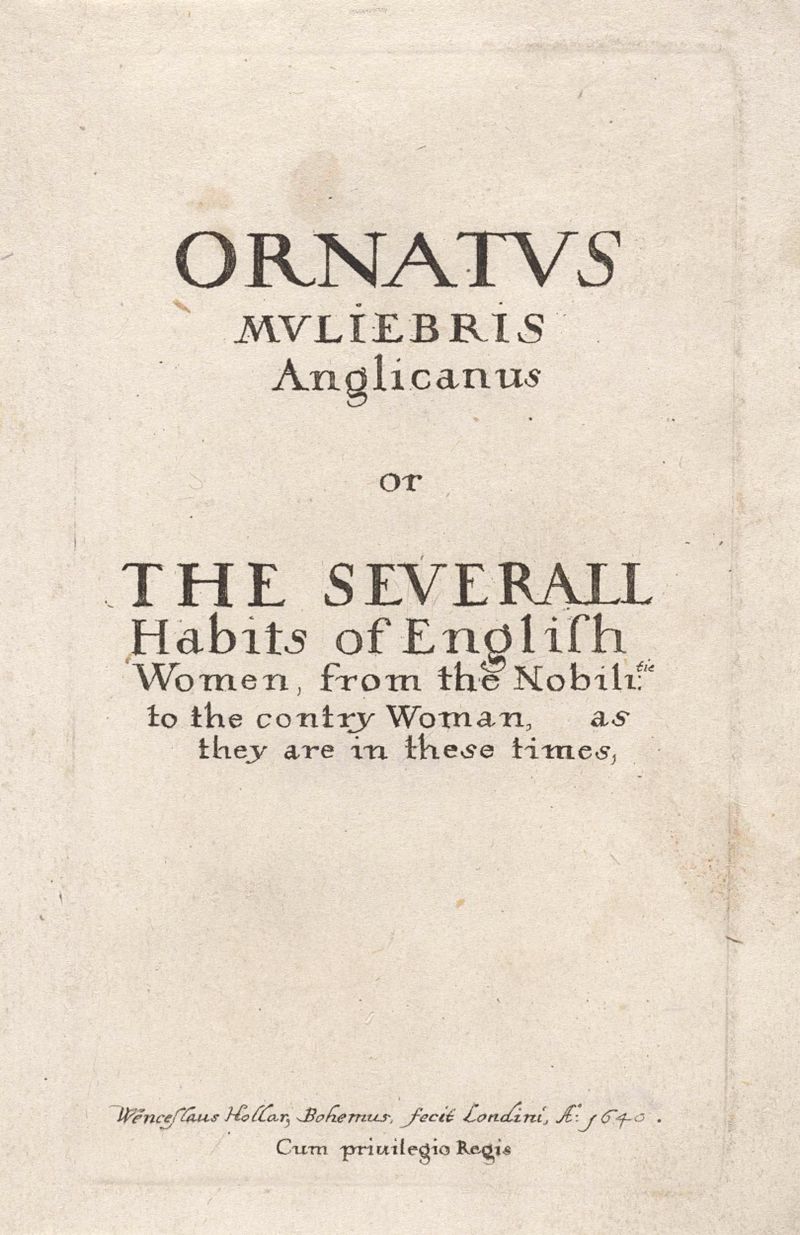
Titelprent voor: Ornatus Muliebris Anglicanus
Wenceslaus Hollar
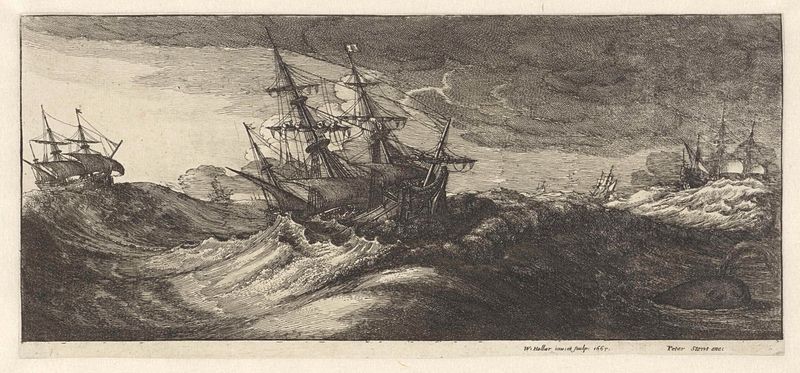
Oorlogsschepen en een walvis in een zeestorm
Wenceslaus Hollar
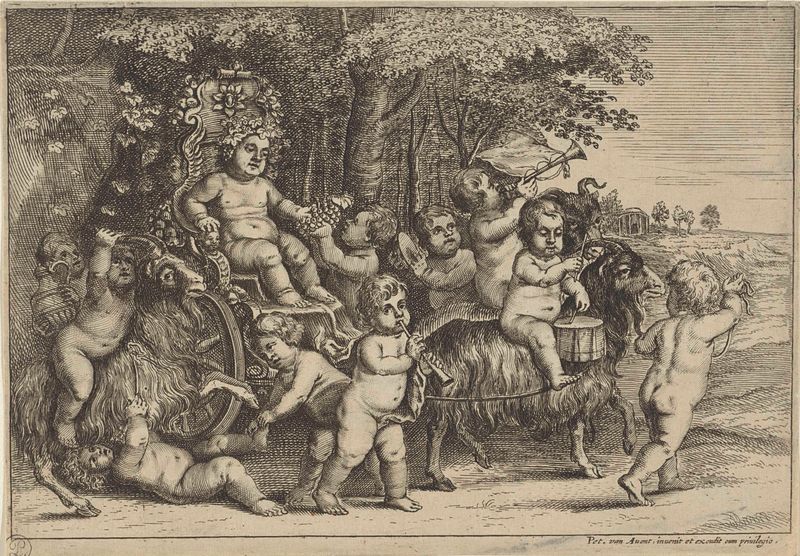
Optocht van bacchant en jongetjes op geiten
Wenceslaus Hollar
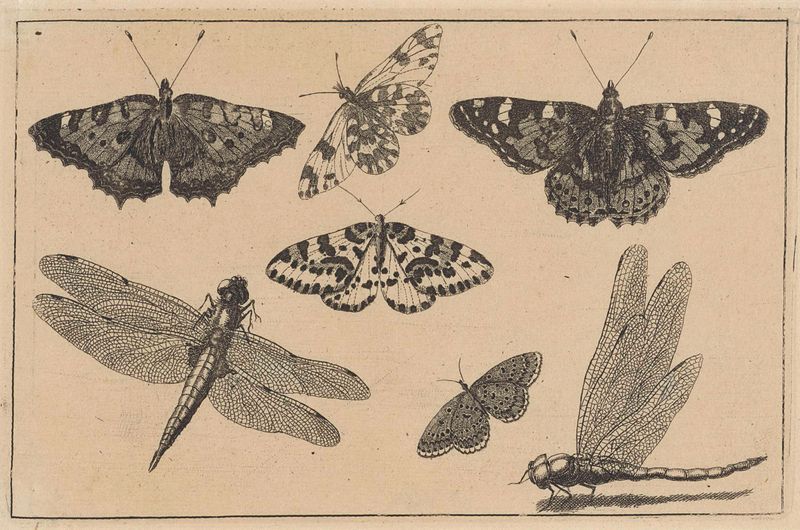
Twee libellen en vijf vlinders
Wenceslaus Hollar
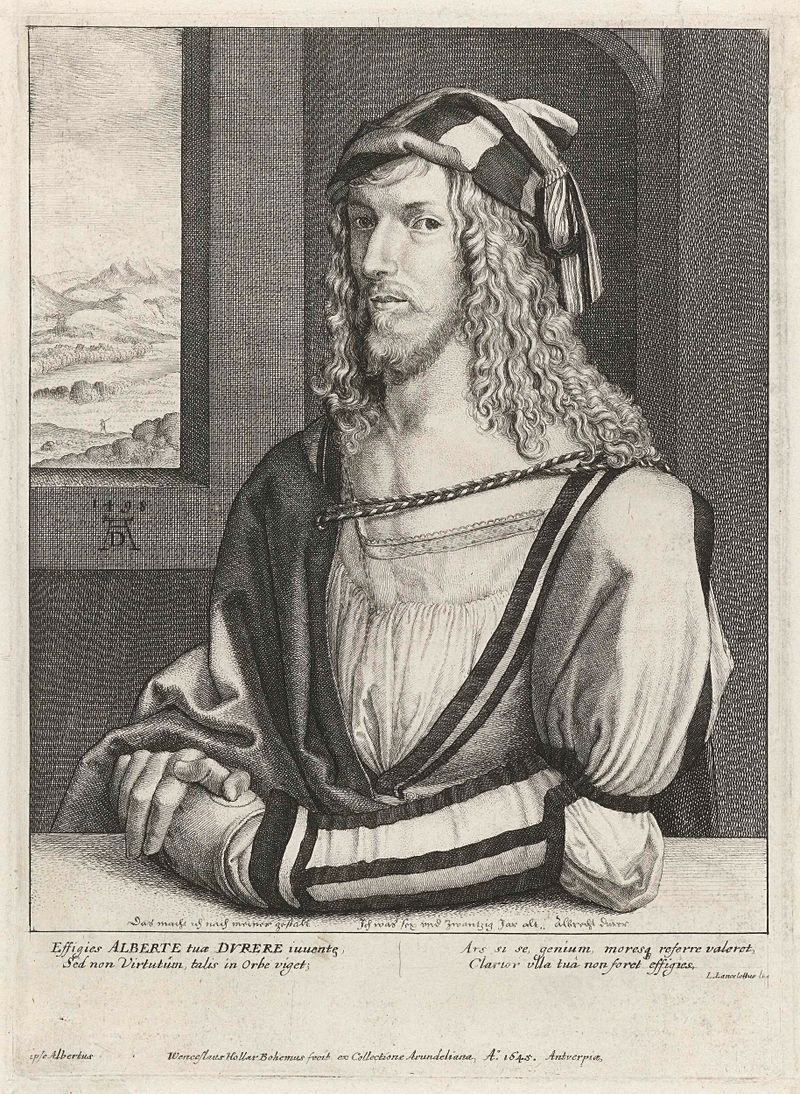
Portret van Albrecht Dürer
Wenceslaus Hollar
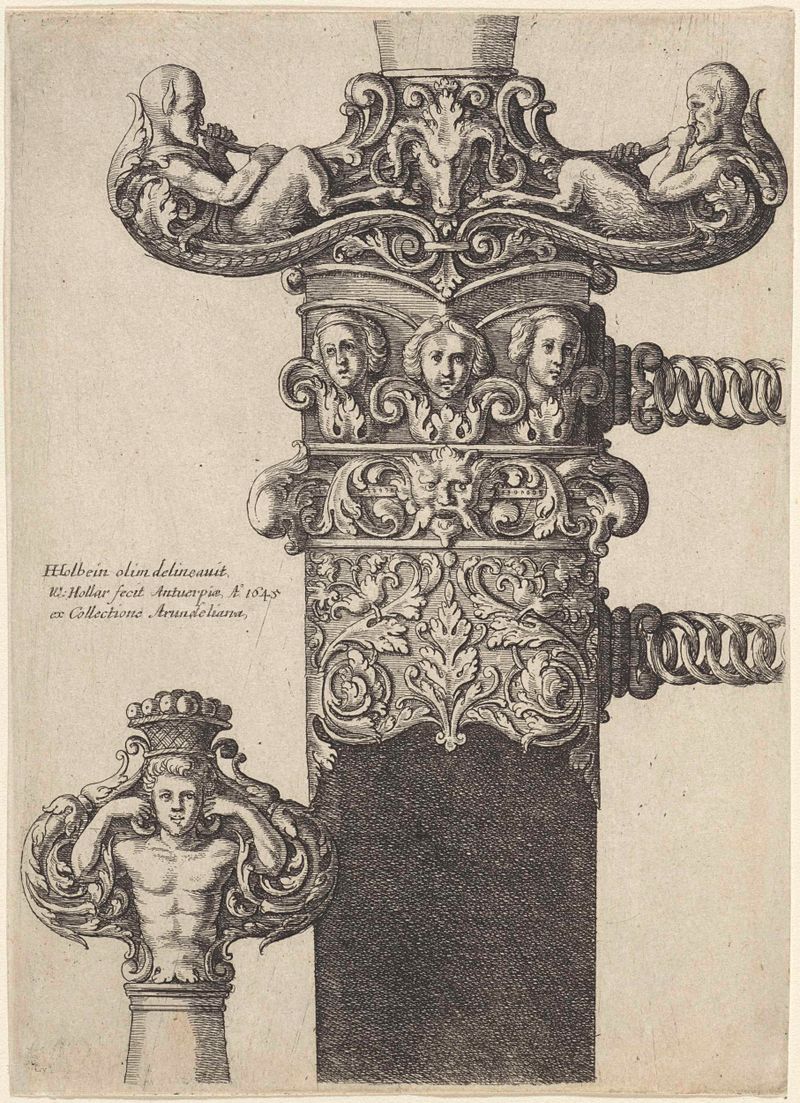
Ornamenteel ontwerp voor een dolk
Wenceslaus Hollar
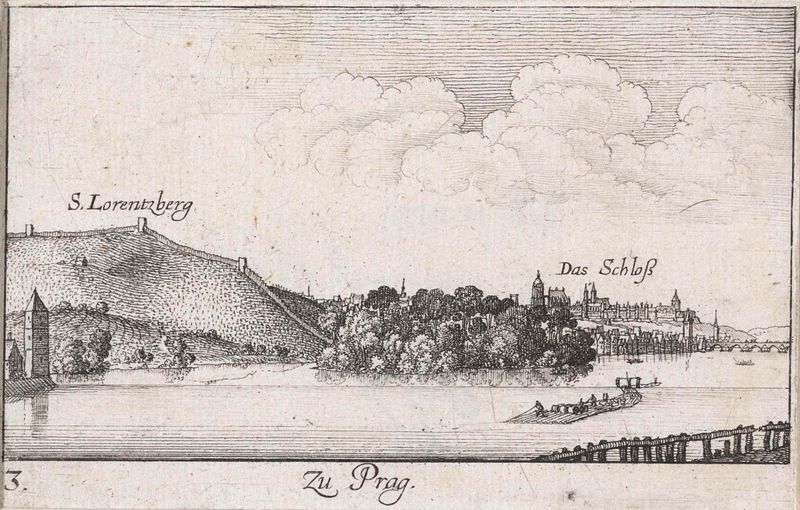
Gezicht op Praag vanaf de Moldau
Wenceslaus Hollar
More Portrait Art
Browse all →
Las meninas
Diego Velázquez

Self-portrait with a Bandaged Ear and Pipe
Unidentified artist

Girl with a Pearl Earring
Johannes Vermeer

The Sampling Officials of the Amsterdam Drapers’ Guild, Known as ‘The Syndics’
Rembrandt van Rijn

The Hundred Guilder Print: the man seen on the back in the lower left corner
Rembrandt van Rijn

Portrait of Dr Gachet
Vincent van Gogh