
Mulier Basiliensis — History & Facts
In the silence of the gallery, the viewer is drawn into a world captured in exquisite detail, where stillness unfolds into narrative and emotion. Look to the center of the composition, where a woman stands poised with a delicate yet resolute expression. The intricate lines and cross-hatching create a mesmerizing interplay of light and shadow, highlighting her features and the texture of her garments. The muted palette of sepia tones allows the viewer to focus on the subtle nuances of her posture and the quiet confidence that radiates from her.
Hollar’s mastery of engraving invites you to linger on the elegance of the figure, encapsulated within a frame that balances simplicity with complexity. Beneath the surface lies a profound commentary on womanhood, strength, and the societal roles of the time. The woman's attire, both ornate and somber, suggests a duality—celebration intertwined with restraint. Her gaze, directed outward, challenges the viewer to ponder the layers of her existence, evoking questions of identity and purpose.
The meticulous detail in her hands conveys a quiet determination, hinting at the narratives and histories encompassed in her very presence. Wenceslaus Hollar created Mulier Basiliensis in 1644 while residing in London, a city buzzing with artistic innovation and cultural exchange amidst the backdrop of the English Civil War. As a skilled engraver and draftsman, Hollar was influenced by both the Baroque style and the intricate aesthetics of earlier engravings. This piece reflects his unique ability to blend observation with artistry, capturing a moment that resonates deeply with the viewer.
More Artworks by Wenceslaus Hollar
Browse all →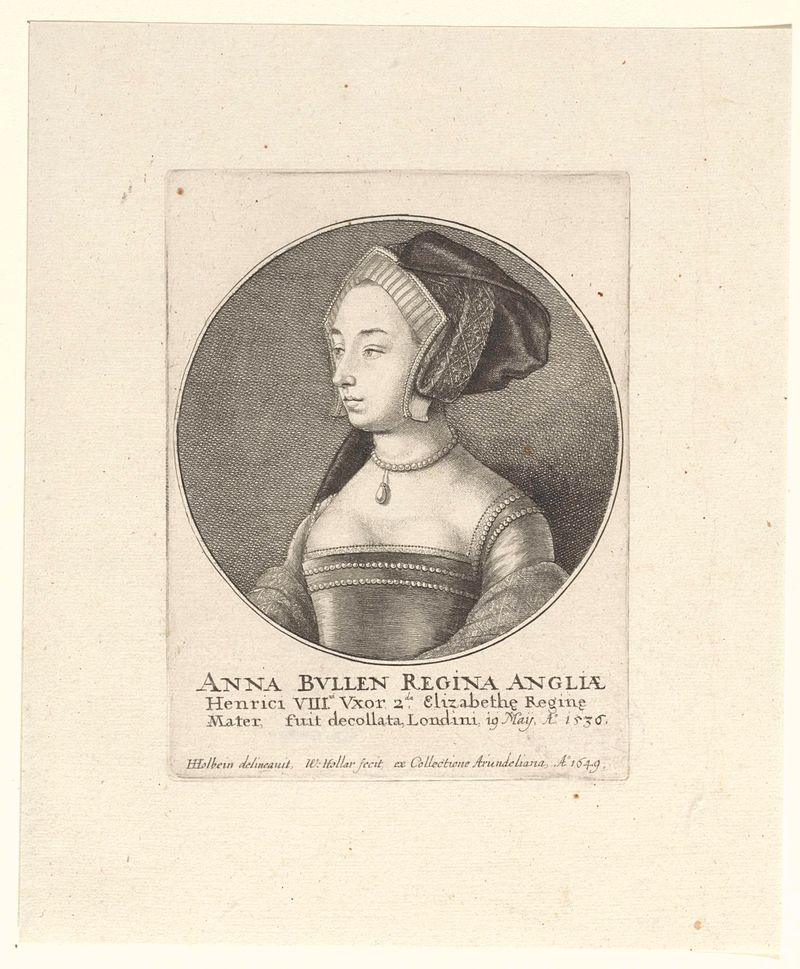
Portret van Anna Boleyn, koningin van Engeland
Wenceslaus Hollar
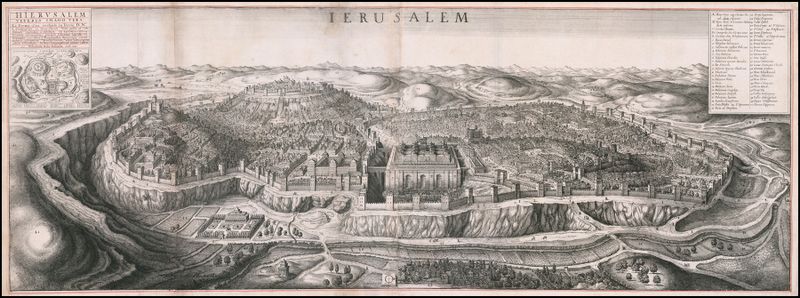
Bird’s eye view of Jerusalem
Wenceslaus Hollar
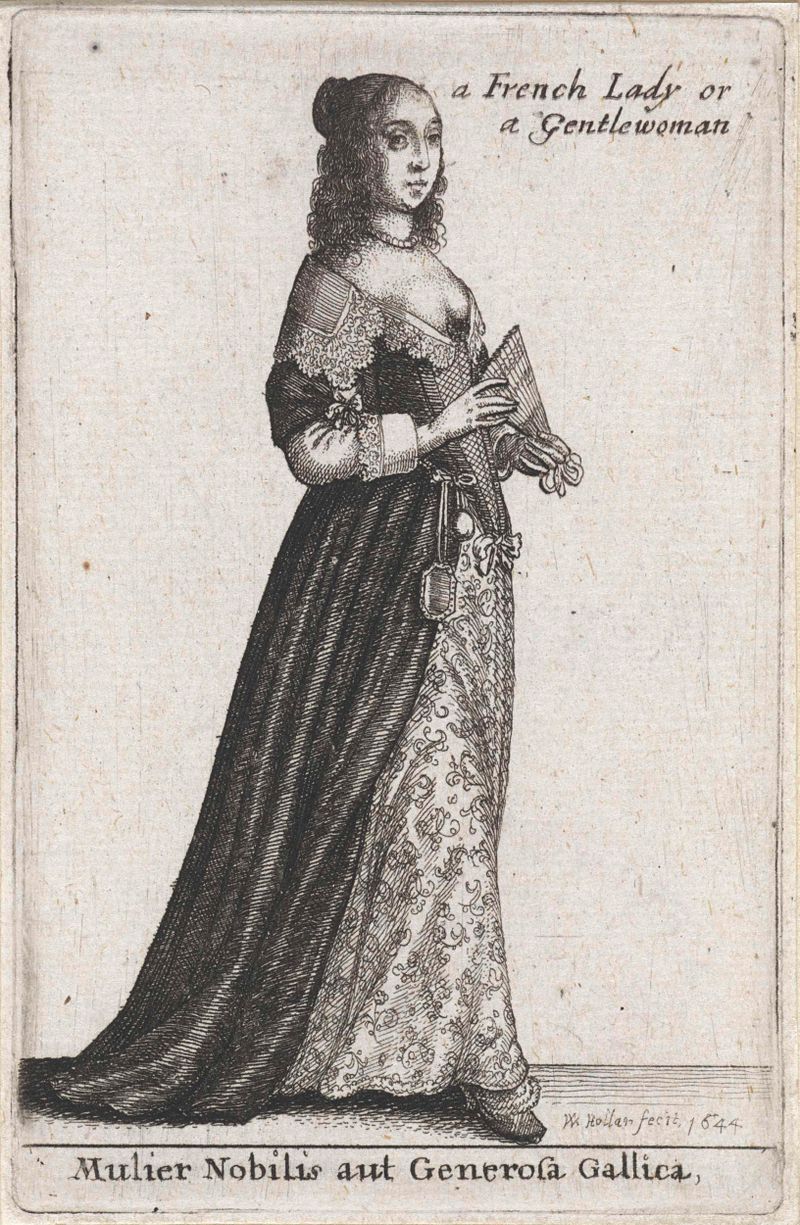
Mulier Nobilis aut Generosa Gallica / a French Lady or Gentlewoman
Wenceslaus Hollar
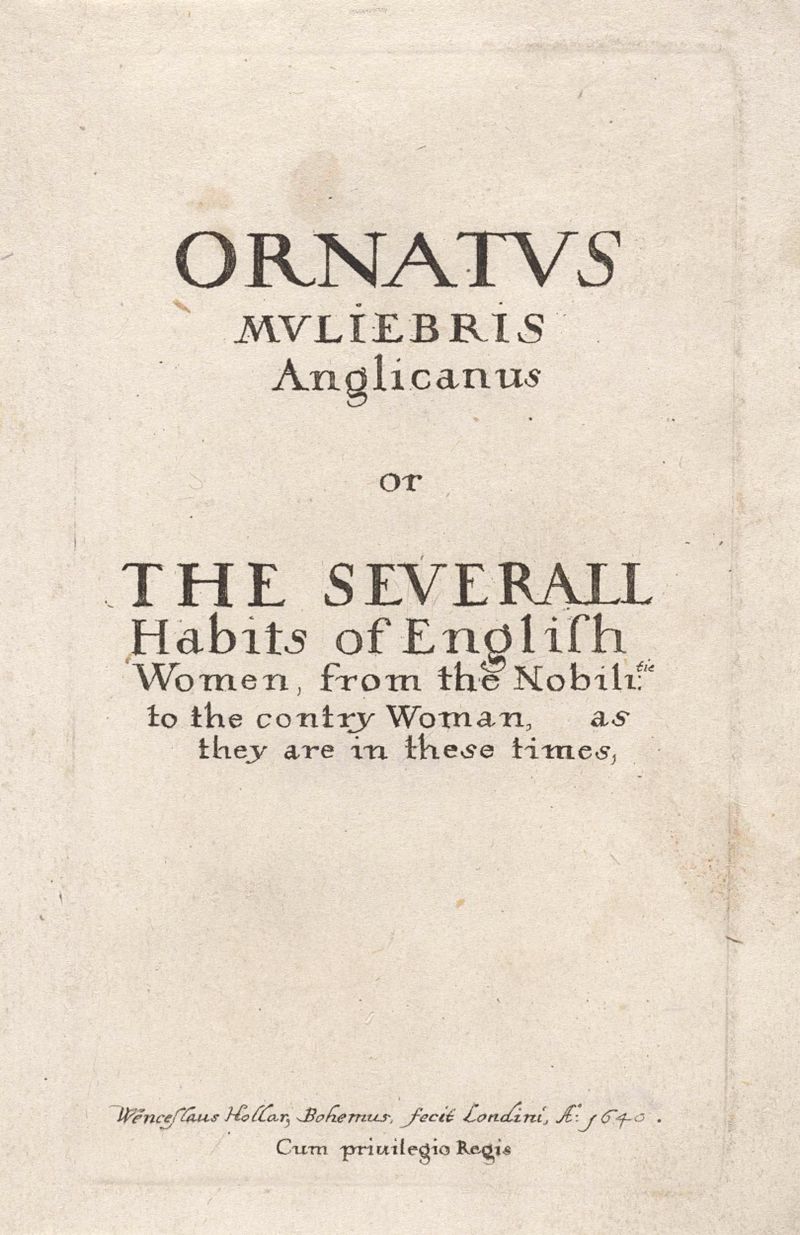
Titelprent voor: Ornatus Muliebris Anglicanus
Wenceslaus Hollar
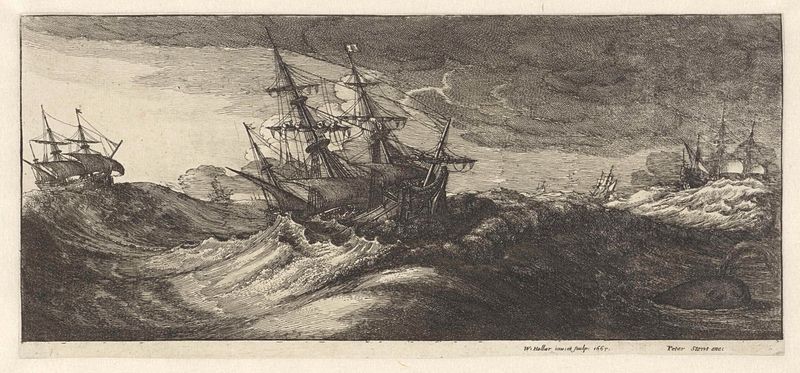
Oorlogsschepen en een walvis in een zeestorm
Wenceslaus Hollar
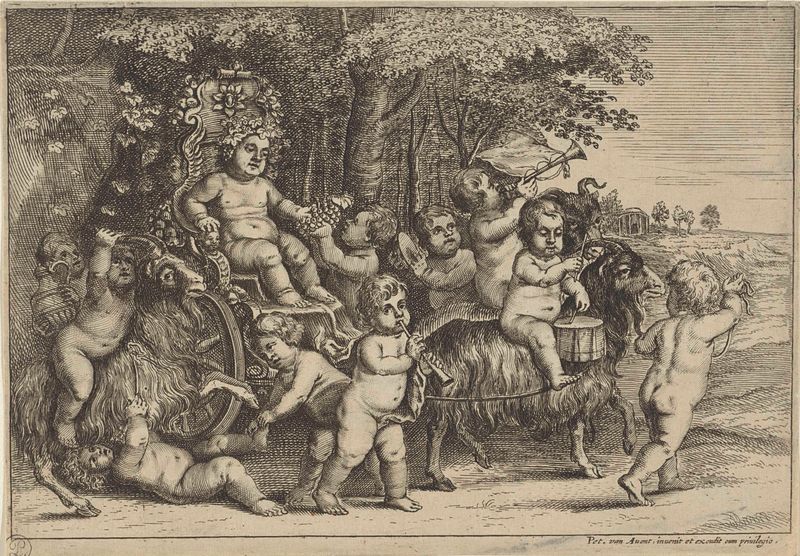
Optocht van bacchant en jongetjes op geiten
Wenceslaus Hollar
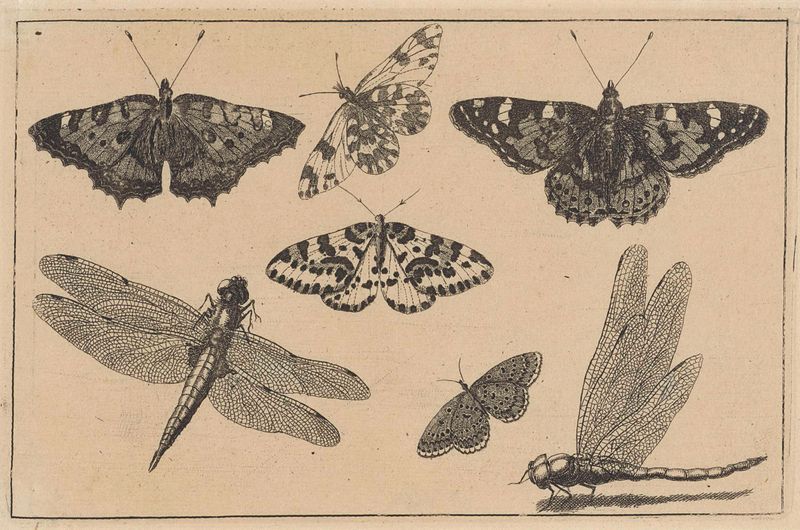
Twee libellen en vijf vlinders
Wenceslaus Hollar
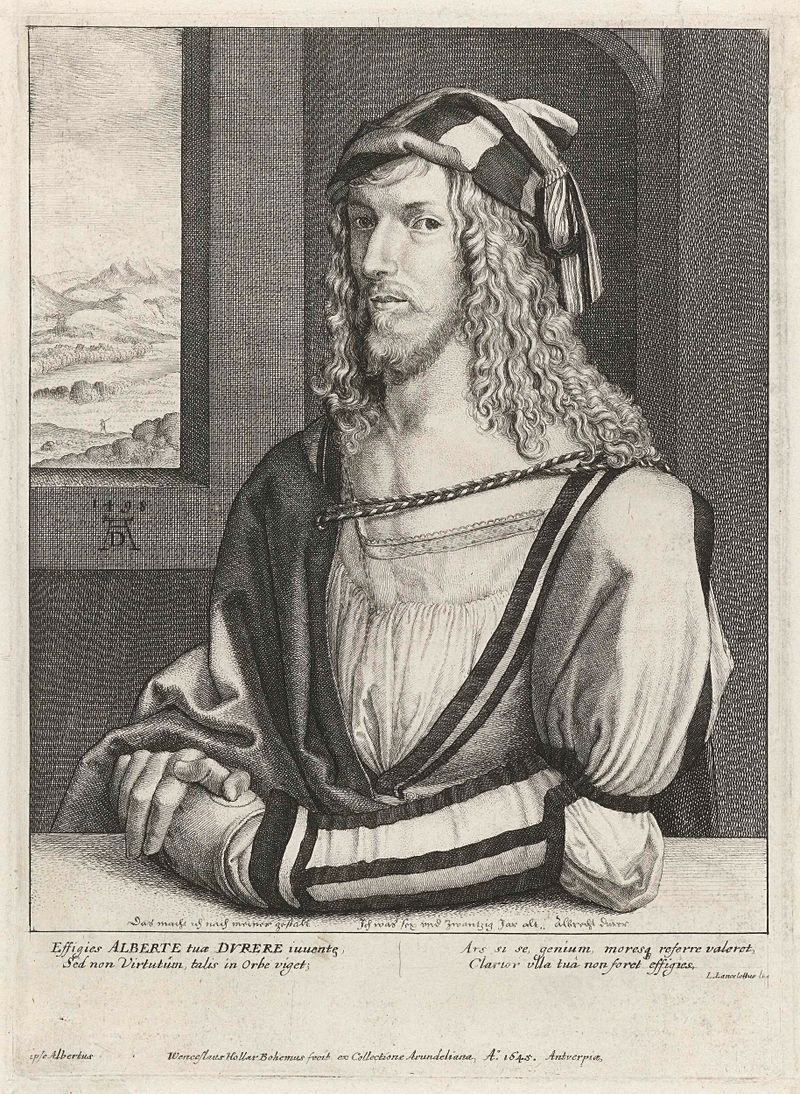
Portret van Albrecht Dürer
Wenceslaus Hollar
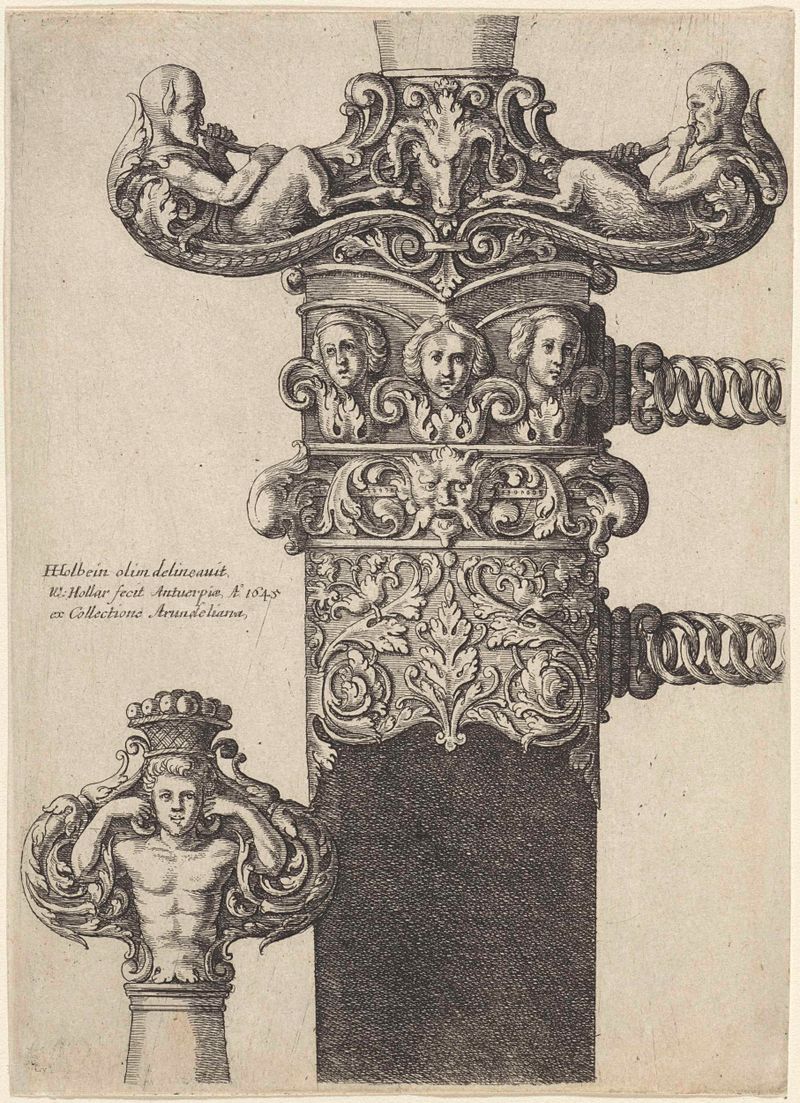
Ornamenteel ontwerp voor een dolk
Wenceslaus Hollar
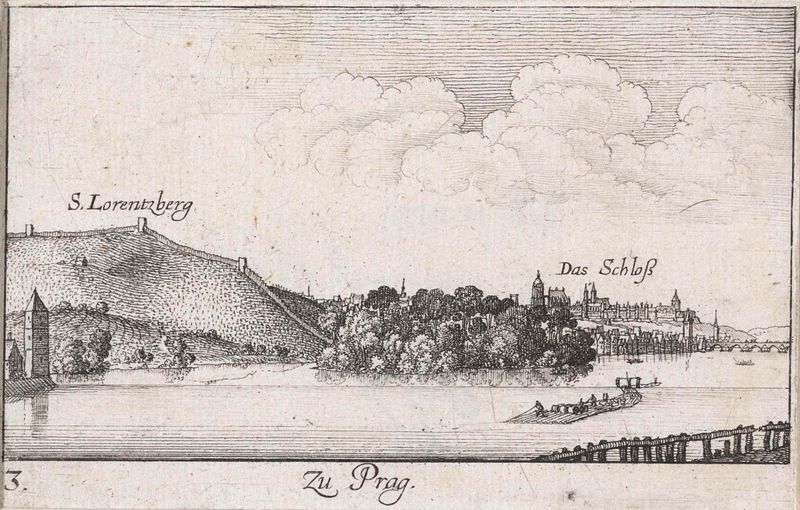
Gezicht op Praag vanaf de Moldau
Wenceslaus Hollar
More Portrait Art
Browse all →
Las meninas
Diego Velázquez

Self-portrait with a Bandaged Ear and Pipe
Unidentified artist

Girl with a Pearl Earring
Johannes Vermeer

The Sampling Officials of the Amsterdam Drapers’ Guild, Known as ‘The Syndics’
Rembrandt van Rijn

The Hundred Guilder Print: the man seen on the back in the lower left corner
Rembrandt van Rijn

Portrait of Dr Gachet
Vincent van Gogh