
Mulier Generosa Anglica / English gentle woman — History & Facts
What secret hides in the quiet of the canvas? In the stillness of Mulier Generosa Anglica, the viewer is invited to unravel the narrative woven into the fabric of a woman’s presence. Look to the center, where the figure of the gentlewoman stands poised, her elegant attire adorned with intricate lace and rich fabrics that hint at her status. Notice how the soft light illuminates her face, revealing a serene expression that speaks volumes, yet whispers of untold stories. The subtle interplay of shadows adds depth to her silhouette, while the muted palette of warm earth tones enhances the intimate atmosphere, drawing the eye to her delicate features and the quiet confidence she exudes. Beneath her composed exterior lies a contrast between the gentility of her attire and the resilience suggested by her stance.
The careful draping of her garments might reflect societal expectations, yet her slight tilt of the head and the firm grip of her hands on the edges of her dress signal strength and resolve. This duality captures the essence of womanhood in a patriarchal society, inviting the viewer to ponder her inner world amidst the constraints of her outwardly refined existence. Wenceslaus Hollar painted this portrait in 1643, during a time when he was residing in London after fleeing the turmoil of the Thirty Years’ War in Europe. The art scene was marked by a burgeoning interest in portraiture and the exploration of identity, which profoundly influenced Hollar's work.
This period of his life, filled with both change and adaptation, reflects in the gentlewoman’s composed yet complex character, emblematic of the shifting societal roles for women in 17th-century England.
More Artworks by Wenceslaus Hollar
Browse all →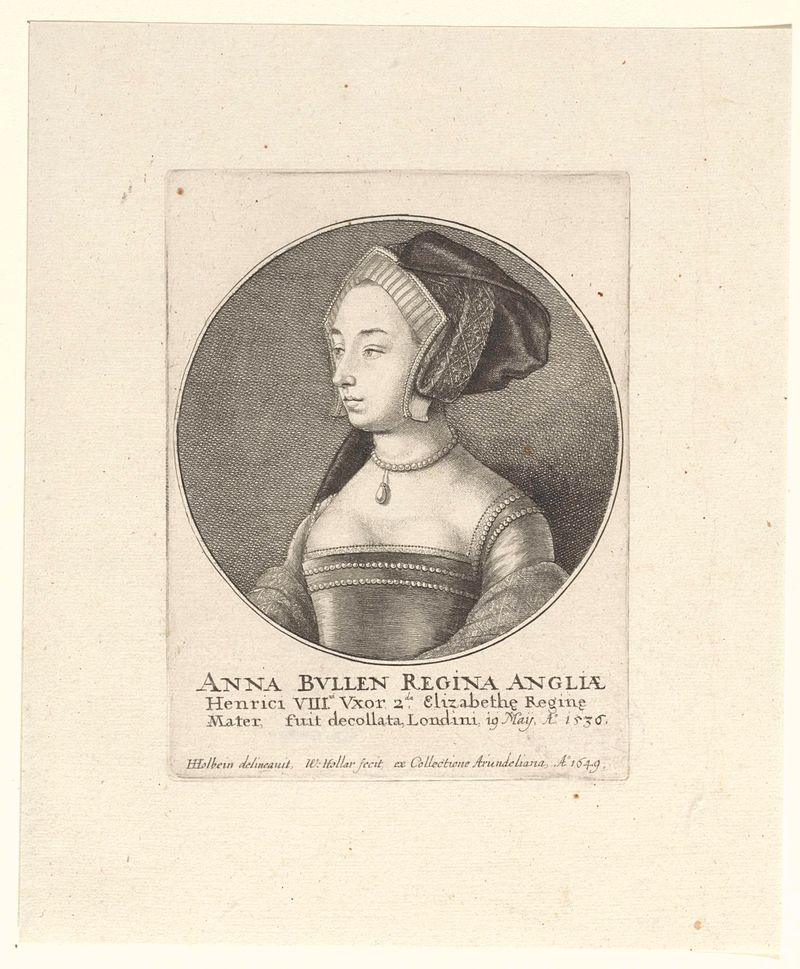
Portret van Anna Boleyn, koningin van Engeland
Wenceslaus Hollar
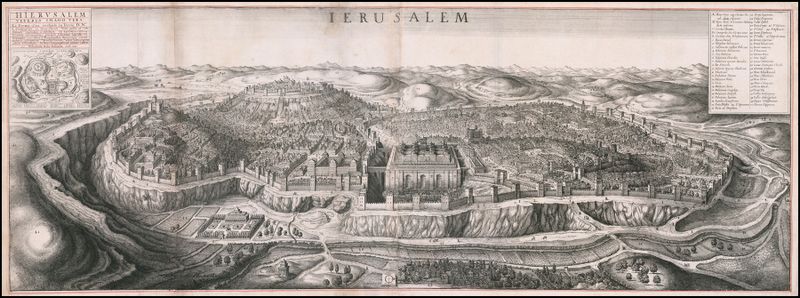
Bird’s eye view of Jerusalem
Wenceslaus Hollar
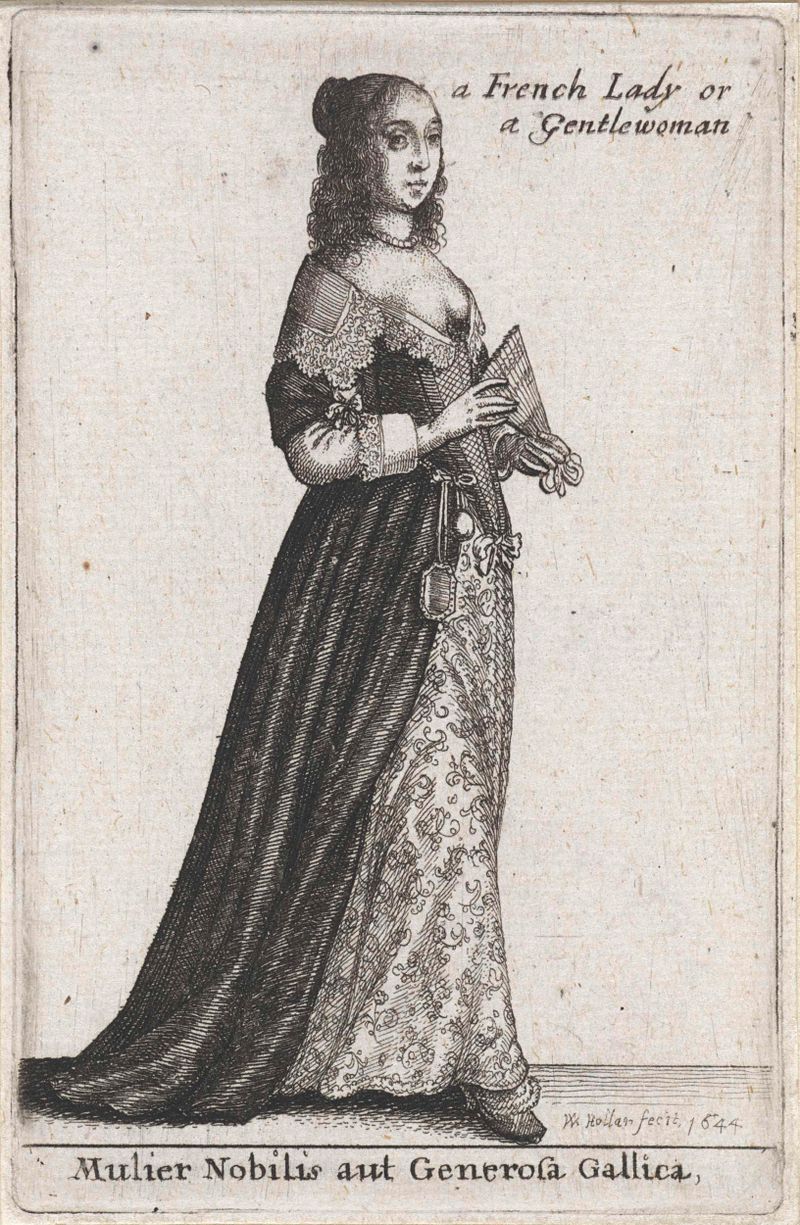
Mulier Nobilis aut Generosa Gallica / a French Lady or Gentlewoman
Wenceslaus Hollar
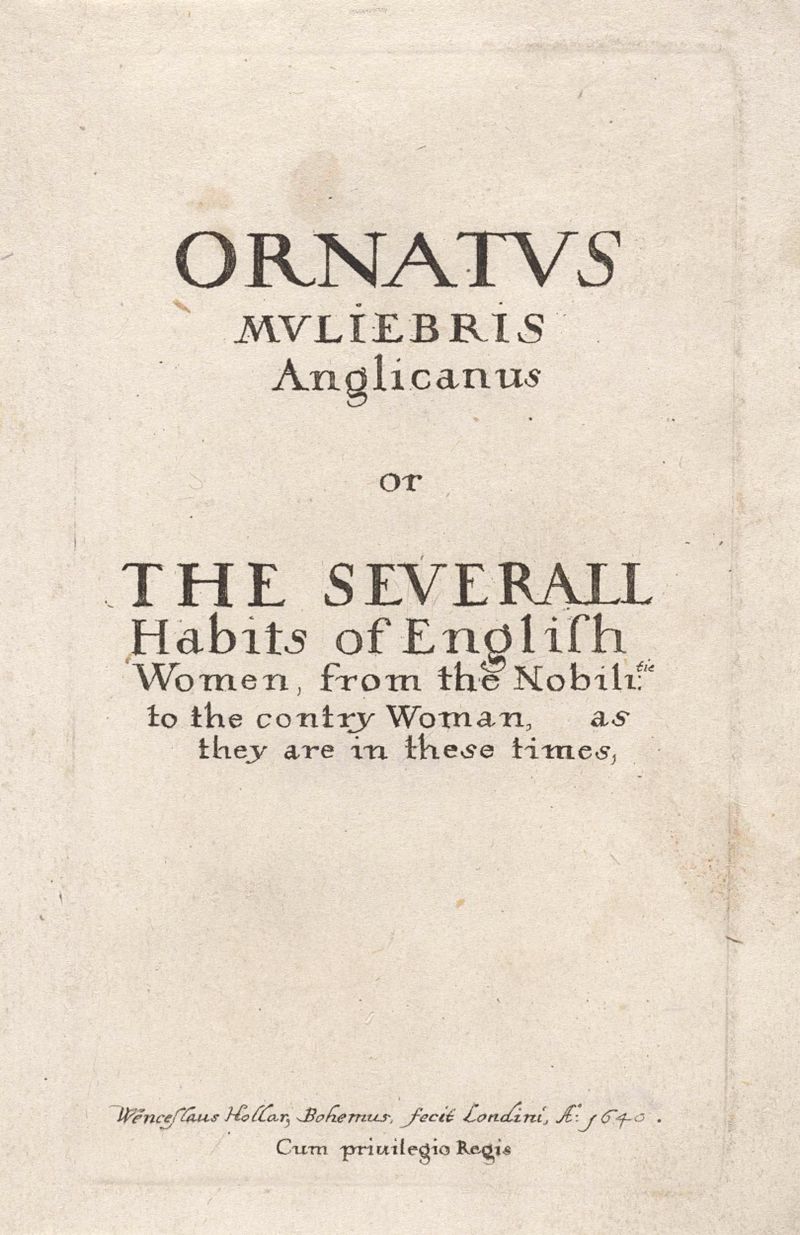
Titelprent voor: Ornatus Muliebris Anglicanus
Wenceslaus Hollar
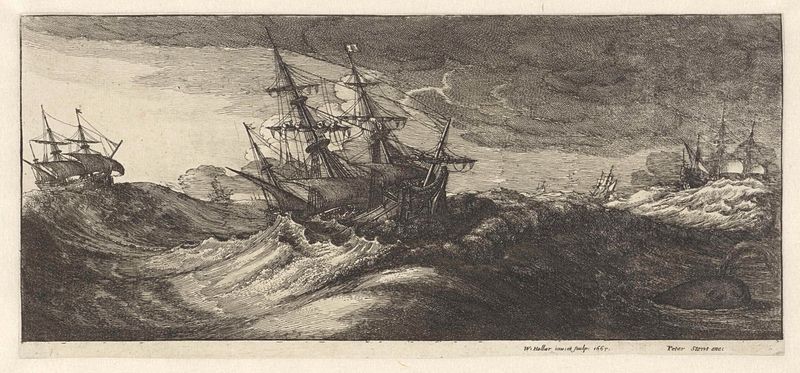
Oorlogsschepen en een walvis in een zeestorm
Wenceslaus Hollar
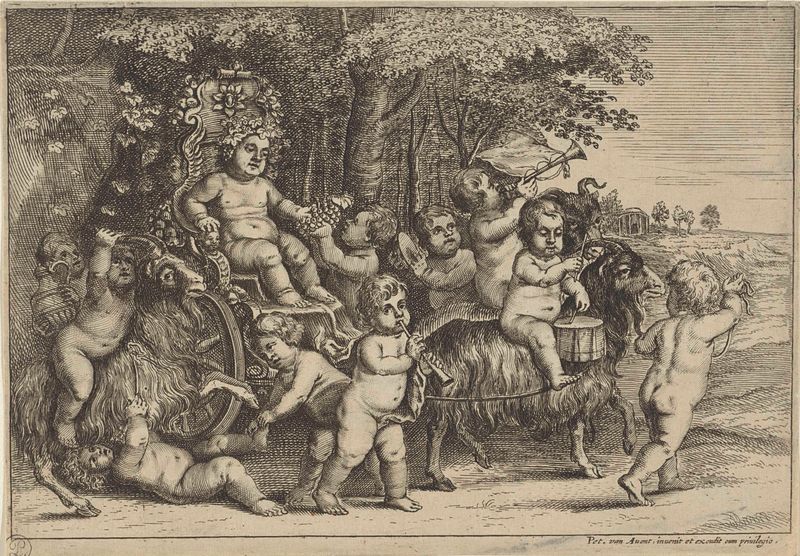
Optocht van bacchant en jongetjes op geiten
Wenceslaus Hollar
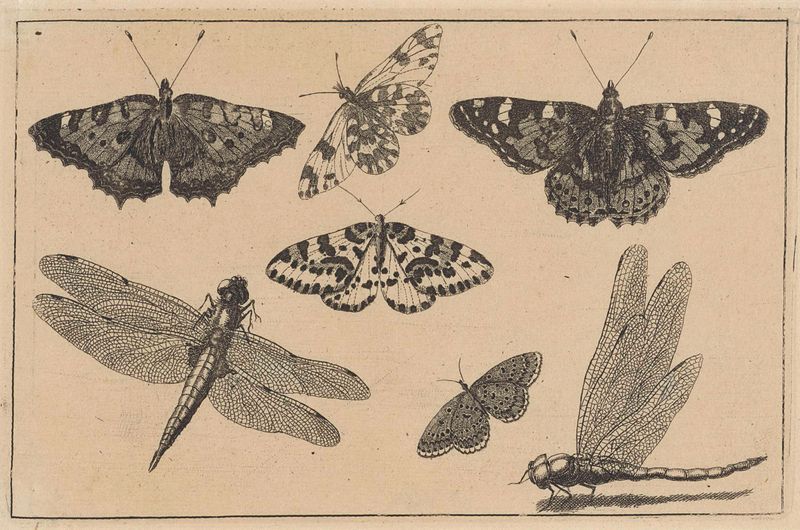
Twee libellen en vijf vlinders
Wenceslaus Hollar
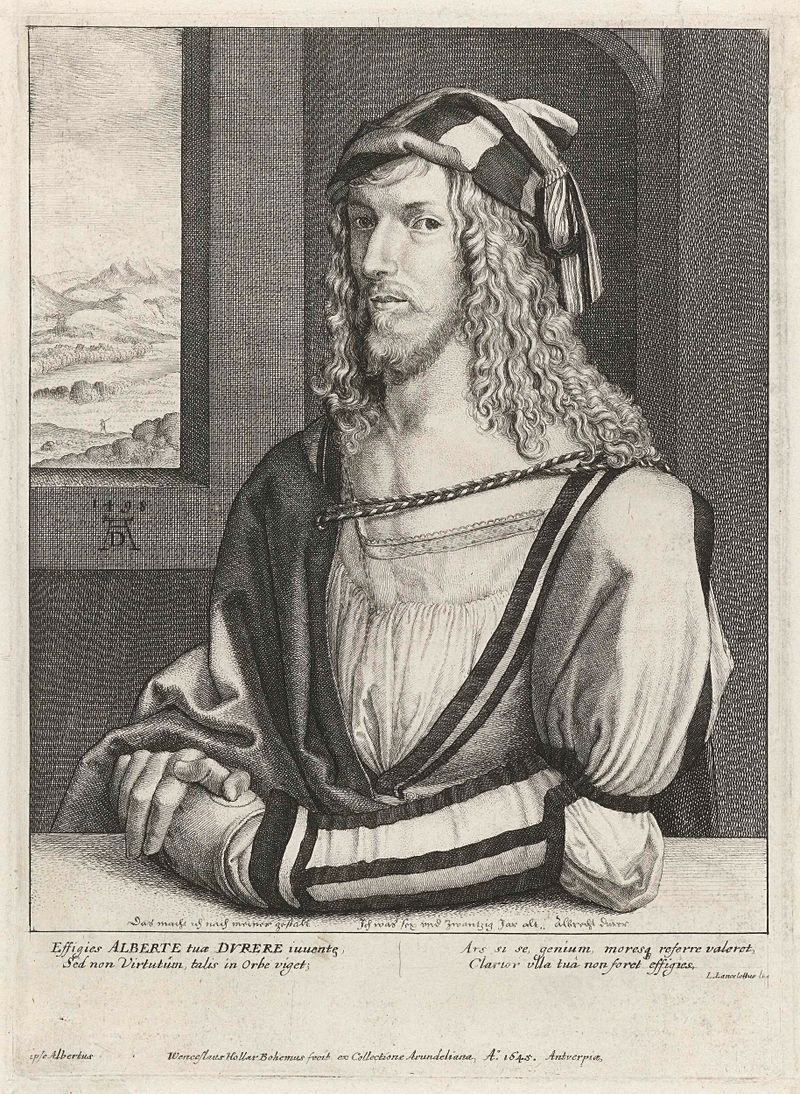
Portret van Albrecht Dürer
Wenceslaus Hollar
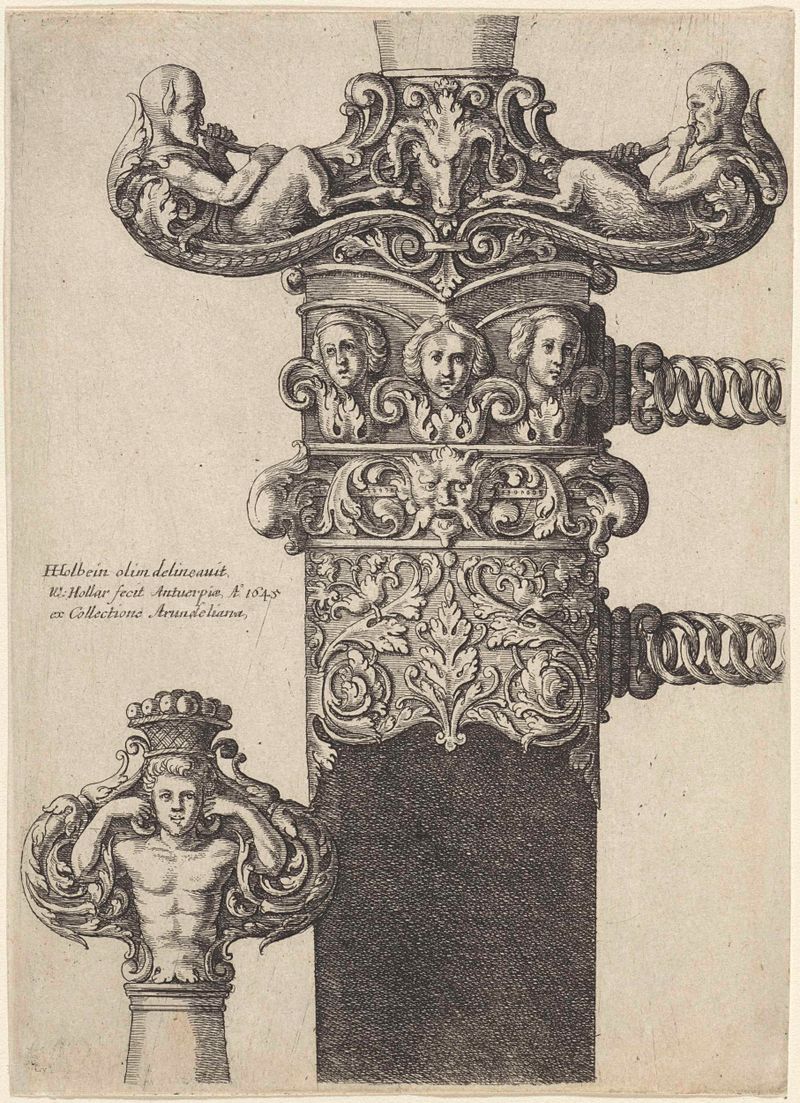
Ornamenteel ontwerp voor een dolk
Wenceslaus Hollar
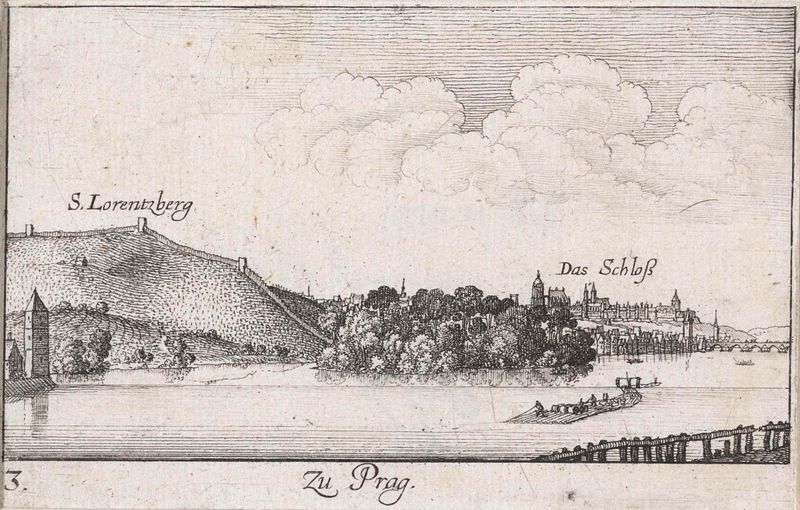
Gezicht op Praag vanaf de Moldau
Wenceslaus Hollar
More Portrait Art
Browse all →
Las meninas
Diego Velázquez

Self-portrait with a Bandaged Ear and Pipe
Unidentified artist

Girl with a Pearl Earring
Johannes Vermeer

The Sampling Officials of the Amsterdam Drapers’ Guild, Known as ‘The Syndics’
Rembrandt van Rijn

The Hundred Guilder Print: the man seen on the back in the lower left corner
Rembrandt van Rijn

Portrait of Dr Gachet
Vincent van Gogh