
Mulier Generosa Gallica — History & Facts
What if silence could speak through light? In Mulier Generosa Gallica, the stillness of the moment is palpable, inviting contemplation and reverence. Focus on the central figure, the noblewoman draped in a flowing garment that seems to dance around her with an elegant grace. Notice how the delicate play of light accentuates the textures of her attire, creating a harmonious balance between shadow and illumination. The soft contours of her face convey a quiet strength, framed by the gentle fall of her hair, which catches the light in a way that suggests both allure and resilience.
Every brushstroke and detail is meticulously rendered, reflecting Hollar's mastery of etching and his keen eye for realism. Delve deeper into the contrasts present within this work. The woman’s poised demeanor juxtaposes her vivid surroundings—lush draperies and ornate decor—that suggest both opulence and confinement. This balance between grandeur and restraint invites viewers to ponder the duality of her existence: a figure of authority and yet, perhaps, bound by societal expectations.
Each detail, from the finery of her attire to the ornamental elements in the background, opens a dialogue about femininity, power, and the quiet strength that often goes unacknowledged. In 1643, Wenceslaus Hollar was in London after fleeing the turmoil of the Thirty Years' War on the continent. He was deeply engaged with the artistic community, producing works that illustrated the complexity and richness of life in a turbulent era. His dedication to capturing the nobility’s essence through finely detailed etchings signaled his pivotal role in the evolution of printmaking during this period, while Mulier Generosa Gallica stands as a testament to his artistic vision and technical prowess.
More Artworks by Wenceslaus Hollar
Browse all →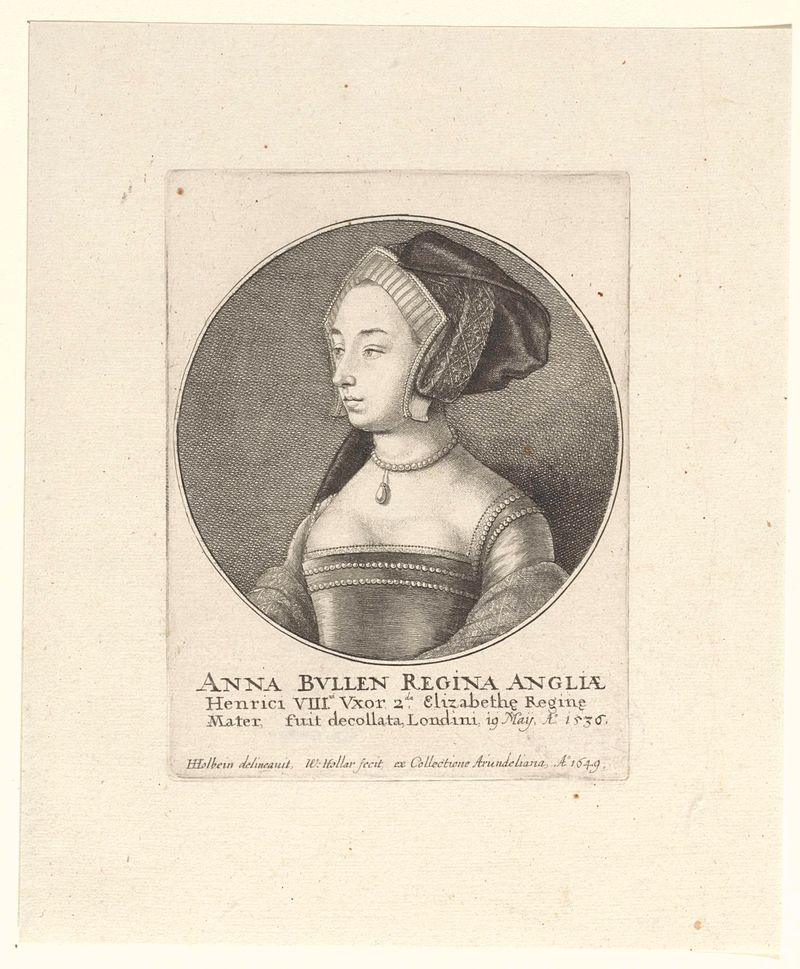
Portret van Anna Boleyn, koningin van Engeland
Wenceslaus Hollar
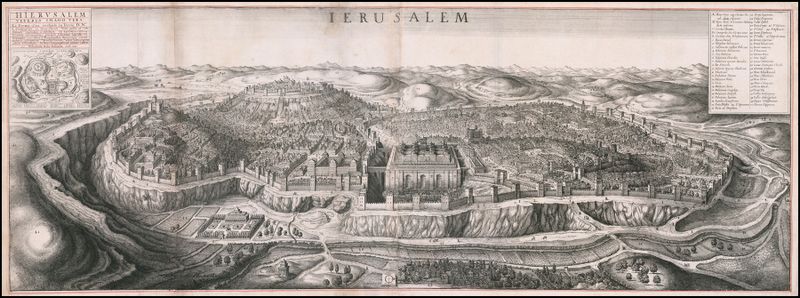
Bird’s eye view of Jerusalem
Wenceslaus Hollar
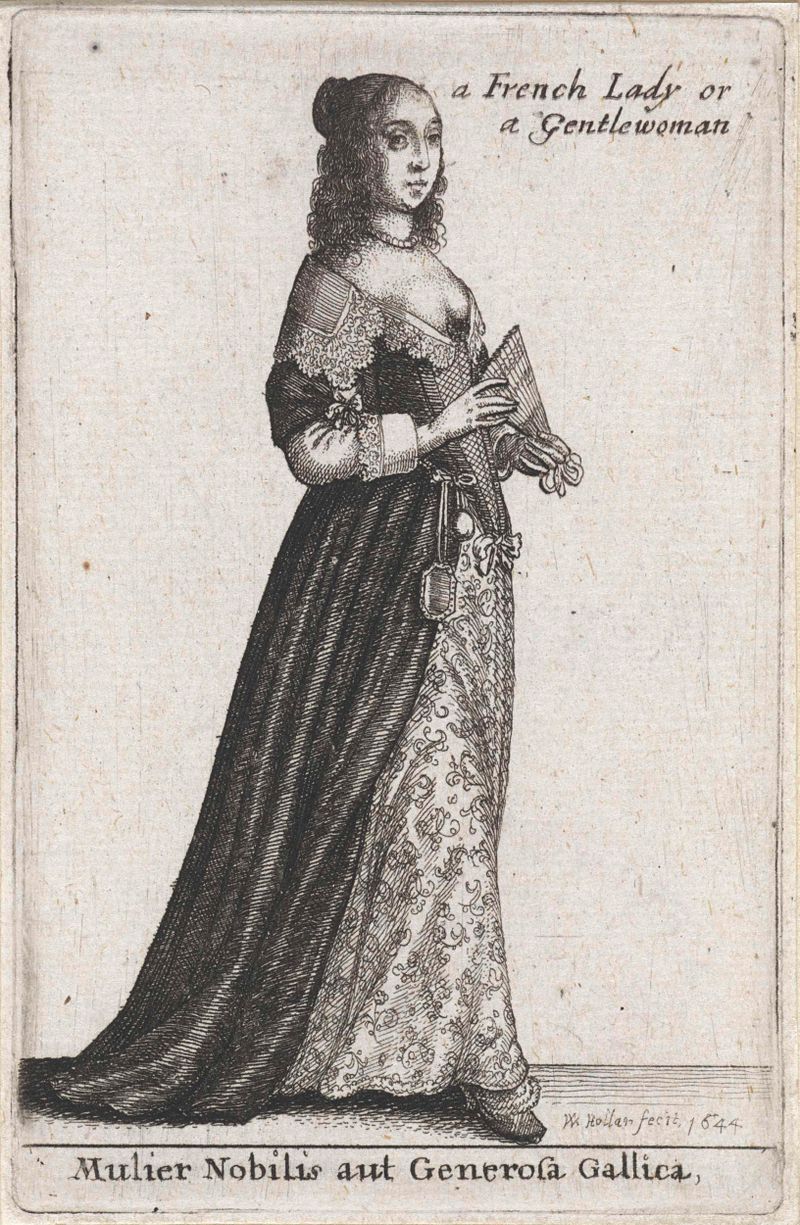
Mulier Nobilis aut Generosa Gallica / a French Lady or Gentlewoman
Wenceslaus Hollar
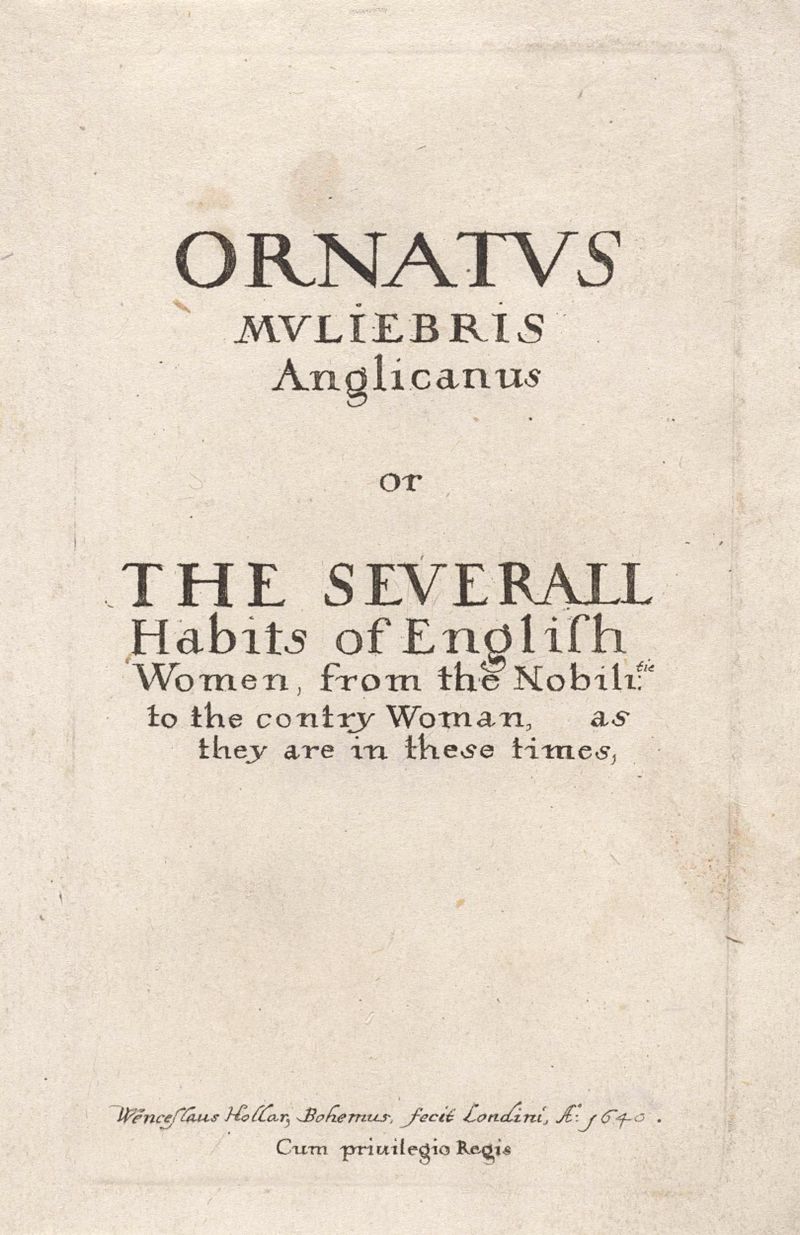
Titelprent voor: Ornatus Muliebris Anglicanus
Wenceslaus Hollar
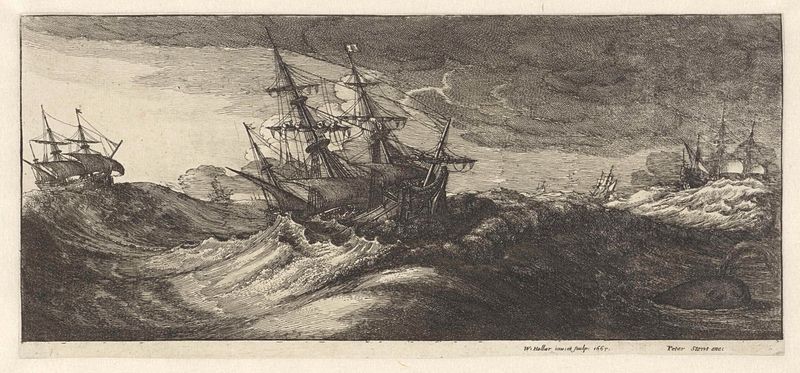
Oorlogsschepen en een walvis in een zeestorm
Wenceslaus Hollar
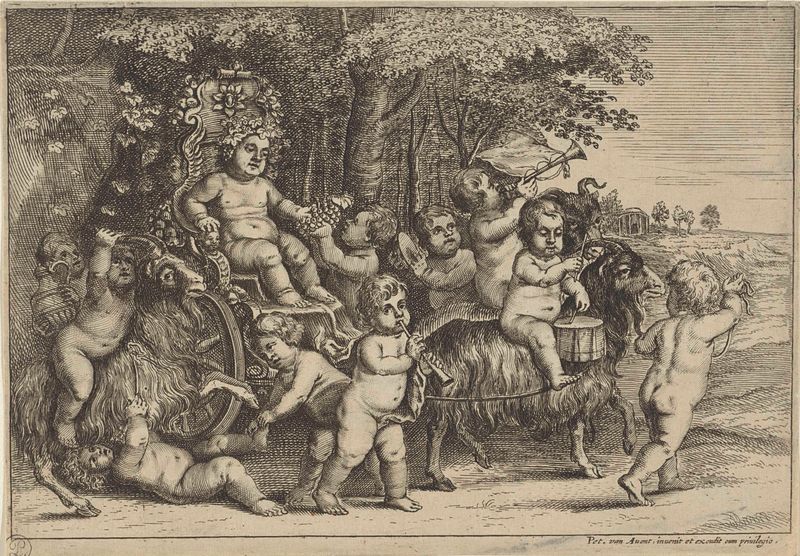
Optocht van bacchant en jongetjes op geiten
Wenceslaus Hollar
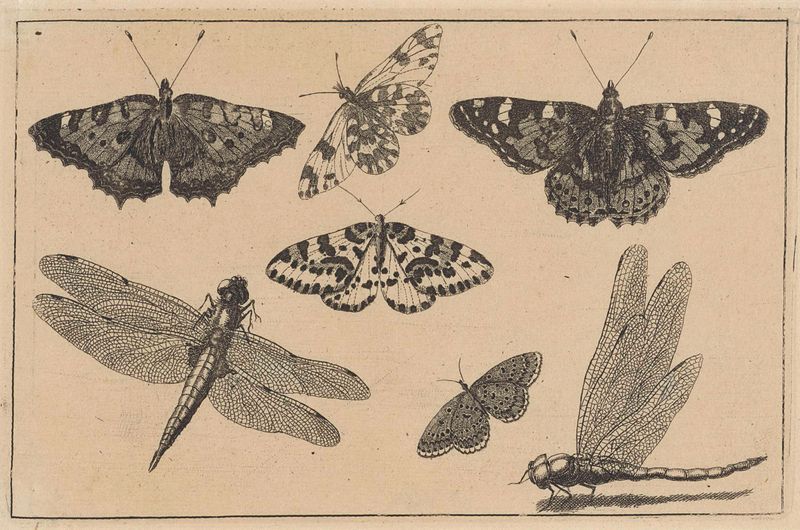
Twee libellen en vijf vlinders
Wenceslaus Hollar
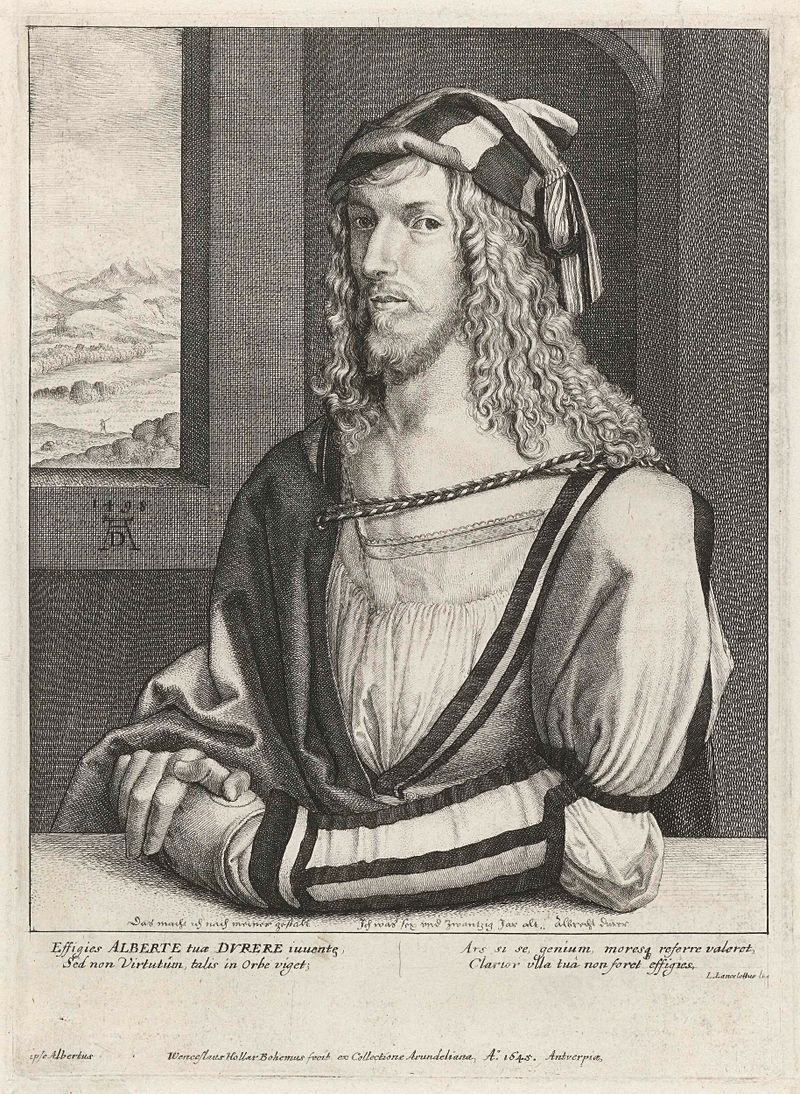
Portret van Albrecht Dürer
Wenceslaus Hollar
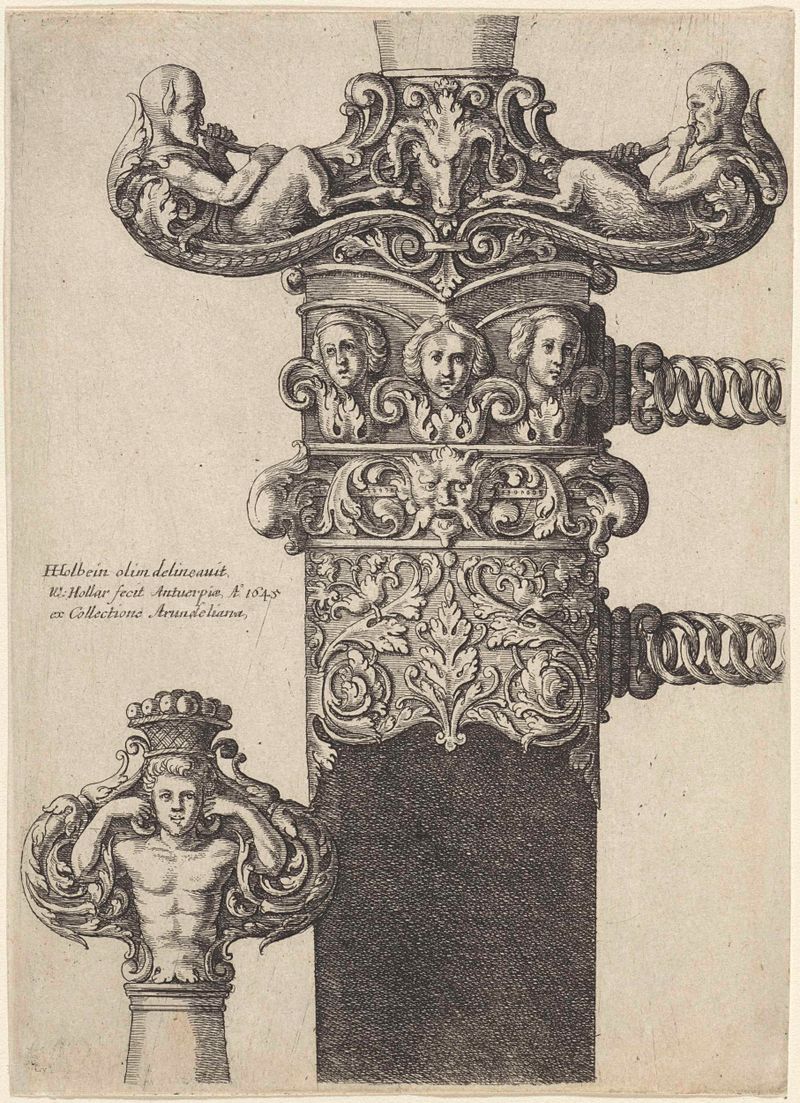
Ornamenteel ontwerp voor een dolk
Wenceslaus Hollar
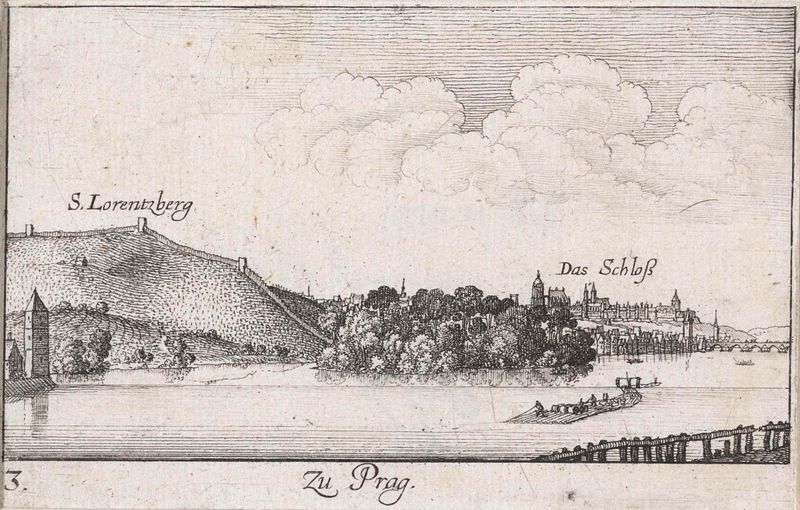
Gezicht op Praag vanaf de Moldau
Wenceslaus Hollar
More Portrait Art
Browse all →
Las meninas
Diego Velázquez

Self-portrait with a Bandaged Ear and Pipe
Unidentified artist

Girl with a Pearl Earring
Johannes Vermeer

The Sampling Officials of the Amsterdam Drapers’ Guild, Known as ‘The Syndics’
Rembrandt van Rijn

The Hundred Guilder Print: the man seen on the back in the lower left corner
Rembrandt van Rijn

Portrait of Dr Gachet
Vincent van Gogh