
Mulier Generosa Graeca in Civitate Pera — History & Facts
Could a single brushstroke hold eternity? In Wenceslaus Hollar's Mulier Generosa Graeca in Civitate Pera, the chaos of existence is distilled into a moment that transcends time and space. Look to the center where a noblewoman stands resplendent, her elaborate attire shimmering under the artist's meticulous linework. The delicate folds of her gown create a sense of movement, while the rich hues of blue and gold draw the viewer's eye, contrasting sharply with the stark background. The intricate details of her elaborate headdress and jewelry reveal Hollar's stunning craftsmanship, reflecting not only the wealth of the figure but also the artist's ability to capture the essence of his subject with precision. As the image unfolds, consider the tension between opulence and vulnerability.
The nobility of her attire juxtaposes with the uncertainty lurking in her gaze, suggesting a world rife with chaos beneath the surface of elegance. The architectural elements flanking her serve as a reminder of the societal structures that confine her, while the shimmering gold hues evoke both beauty and the transience of power. The artwork encapsulates a moment of stillness amidst the potential tumult of the 17th-century world. Hollar created this piece in 1644 while living in Amsterdam, having fled his native Prague during the Thirty Years' War.
This period marked a significant moment in his career, as he engaged with the burgeoning Dutch art scene, integrating the styles of his contemporaries while maintaining his own distinctive approach to printmaking and drawing. As a result, this work not only reflects his artistic prowess but also serves as a commentary on the shifting dynamics of power and identity during an era marked by chaos.
More Artworks by Wenceslaus Hollar
Browse all →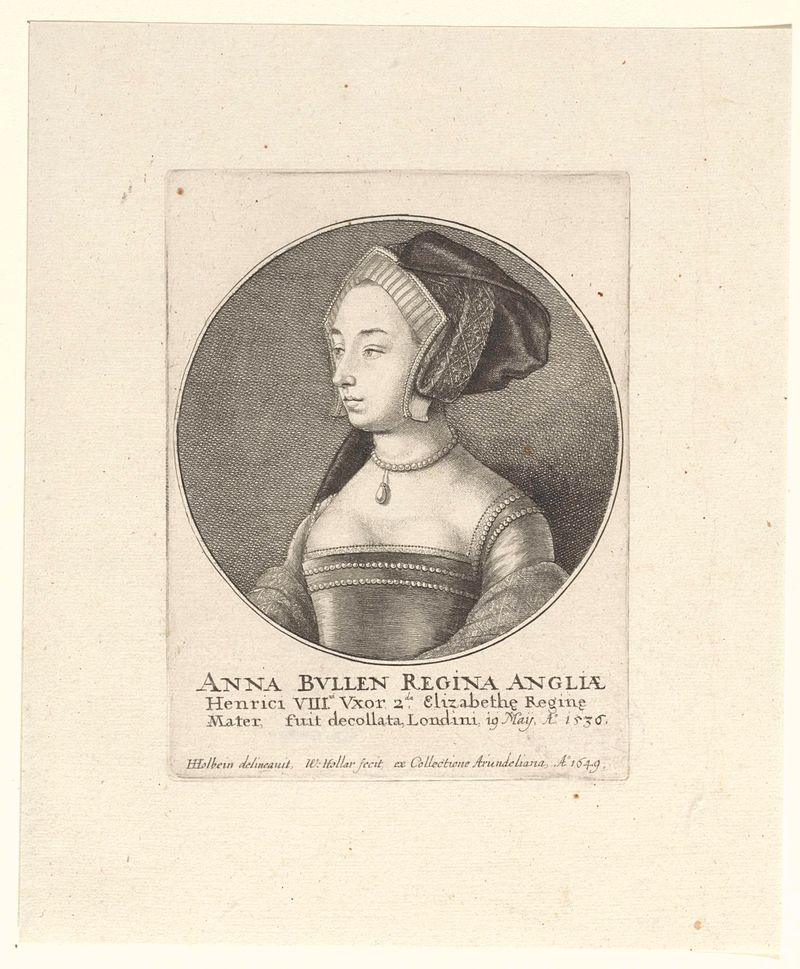
Portret van Anna Boleyn, koningin van Engeland
Wenceslaus Hollar
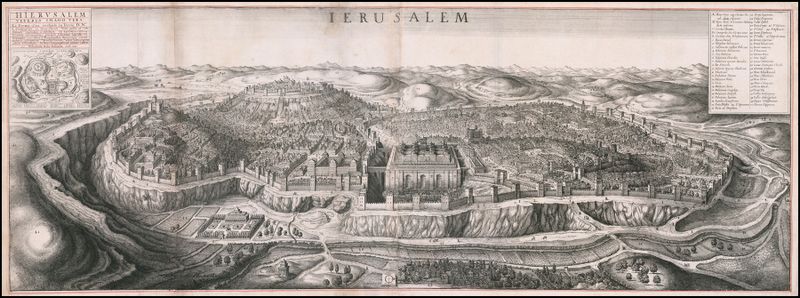
Bird’s eye view of Jerusalem
Wenceslaus Hollar
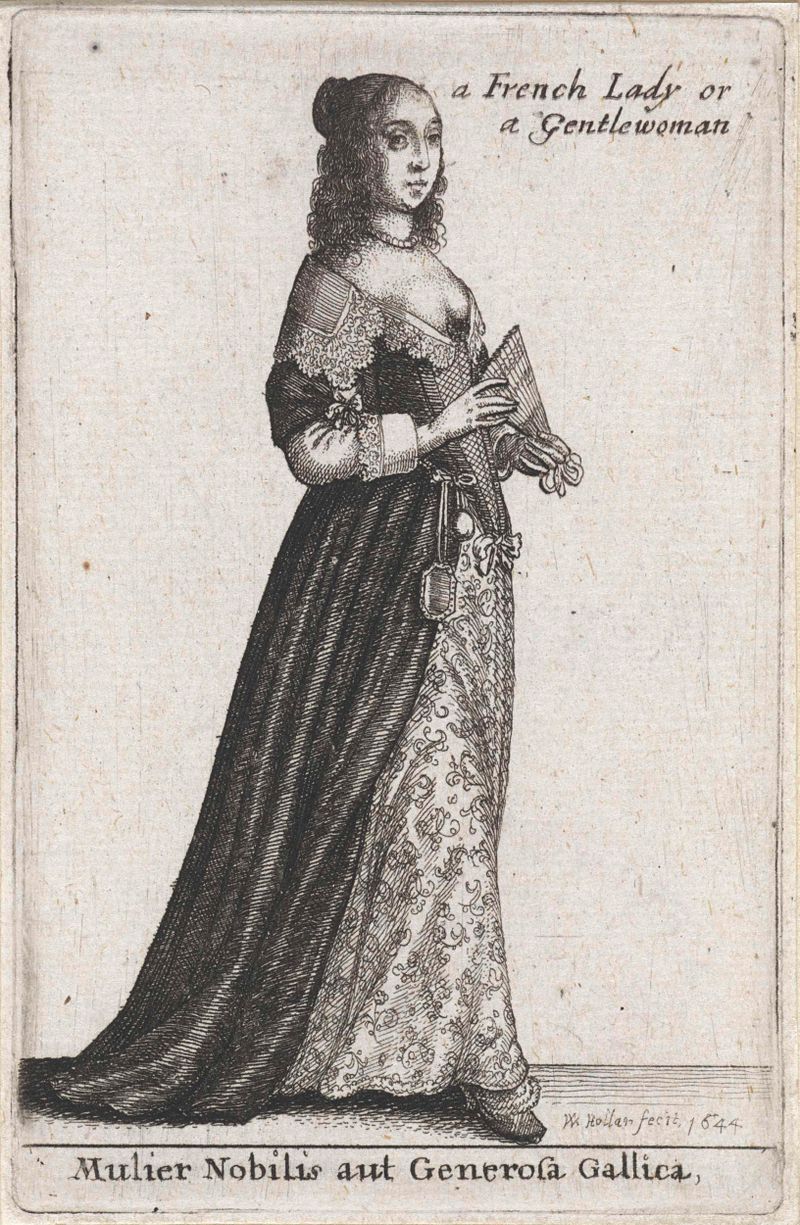
Mulier Nobilis aut Generosa Gallica / a French Lady or Gentlewoman
Wenceslaus Hollar
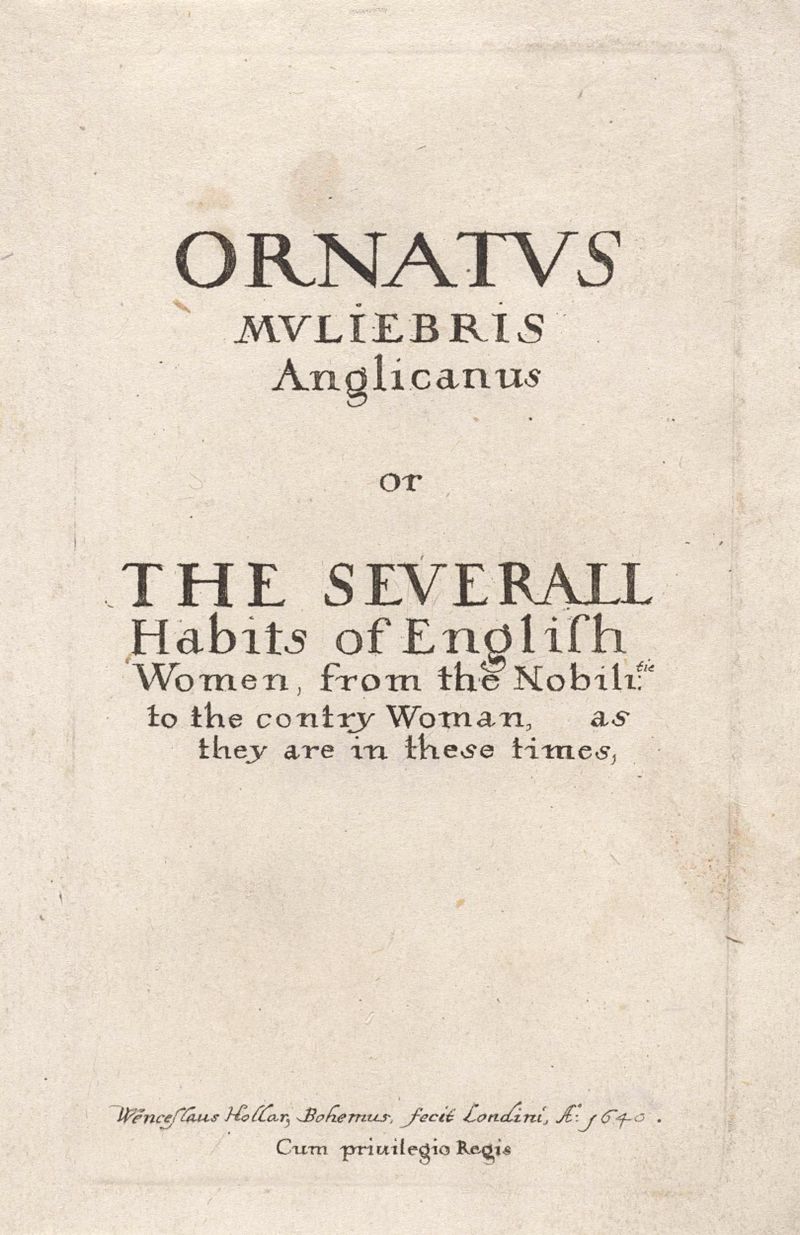
Titelprent voor: Ornatus Muliebris Anglicanus
Wenceslaus Hollar
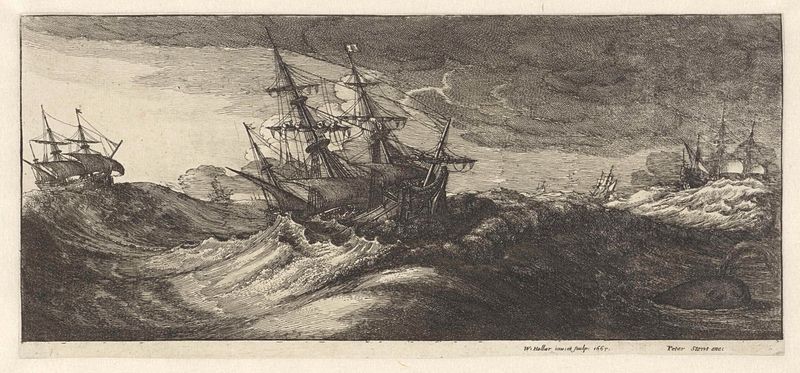
Oorlogsschepen en een walvis in een zeestorm
Wenceslaus Hollar
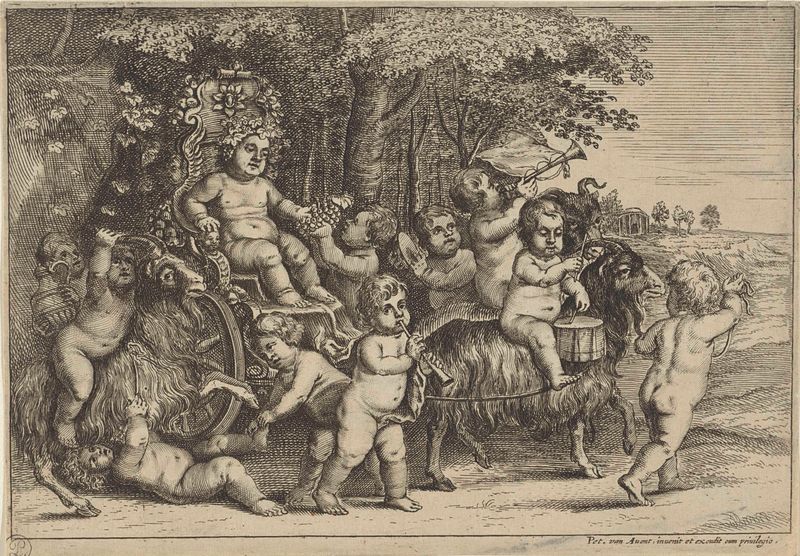
Optocht van bacchant en jongetjes op geiten
Wenceslaus Hollar
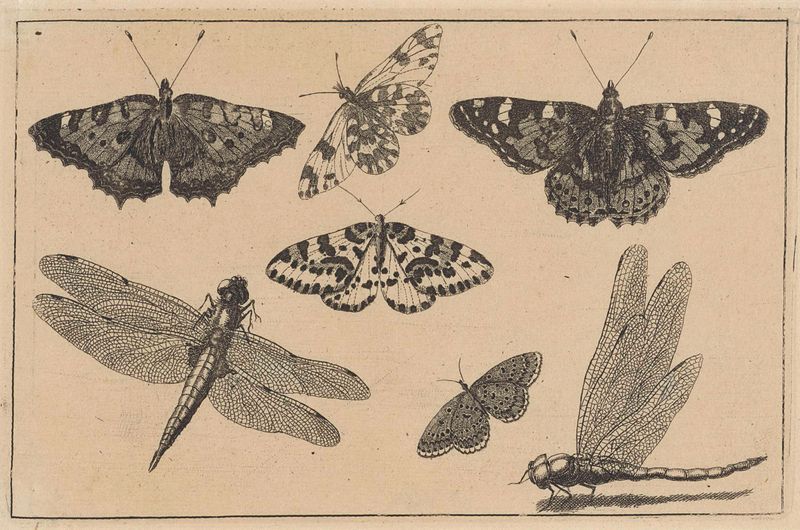
Twee libellen en vijf vlinders
Wenceslaus Hollar
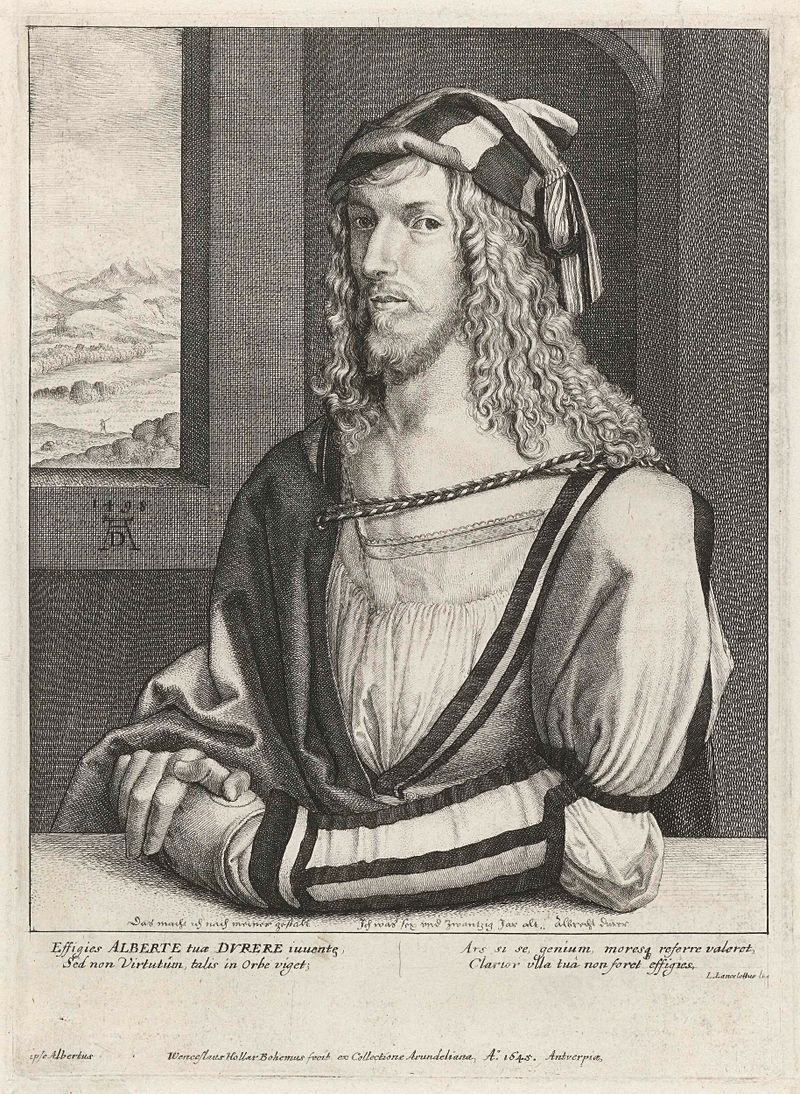
Portret van Albrecht Dürer
Wenceslaus Hollar
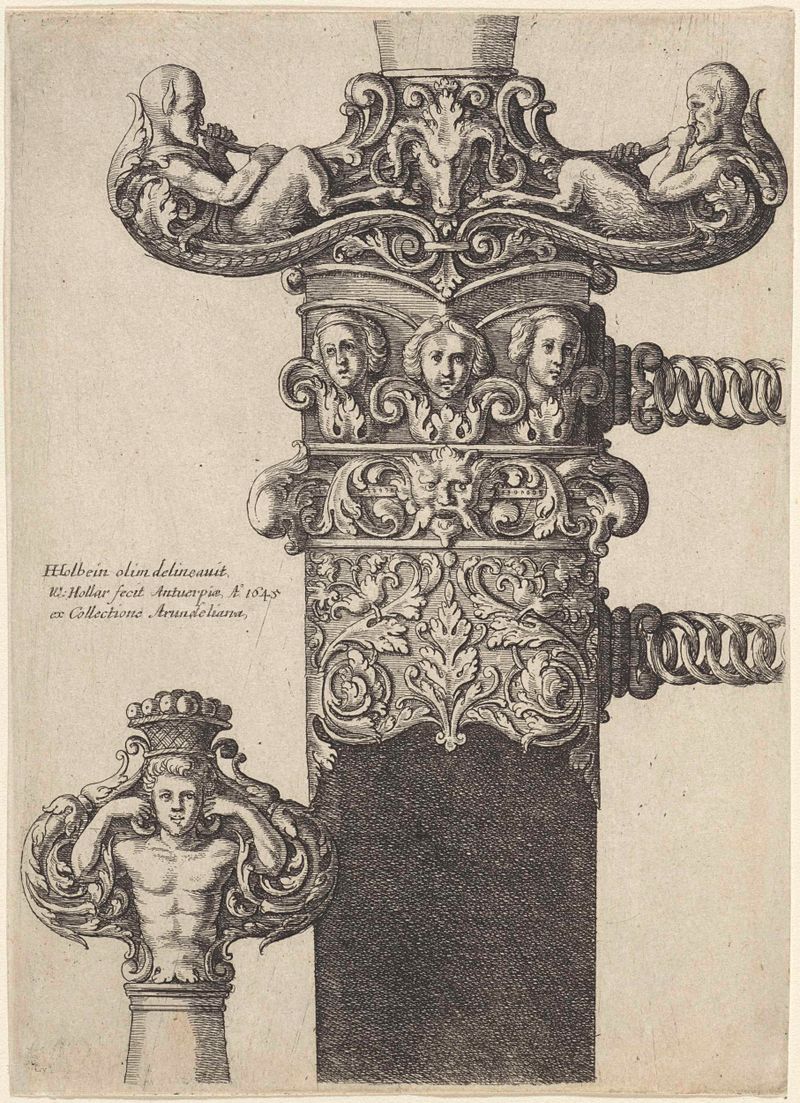
Ornamenteel ontwerp voor een dolk
Wenceslaus Hollar
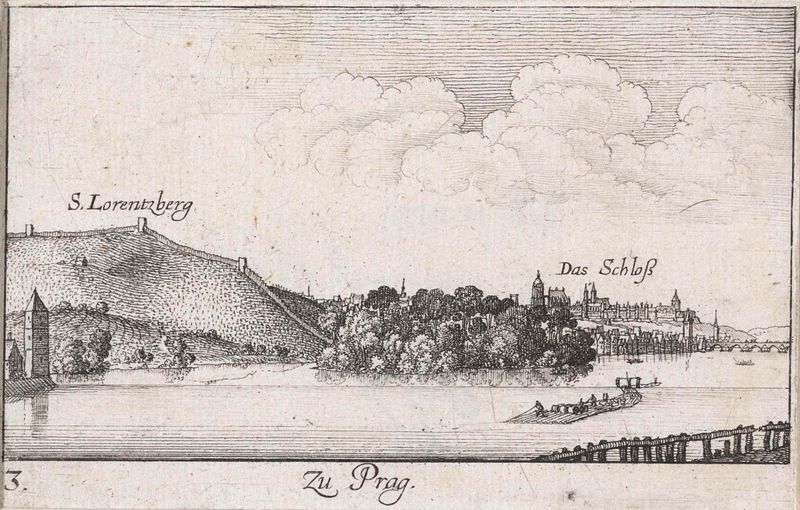
Gezicht op Praag vanaf de Moldau
Wenceslaus Hollar
More Portrait Art
Browse all →
Las meninas
Diego Velázquez

Self-portrait with a Bandaged Ear and Pipe
Unidentified artist

Girl with a Pearl Earring
Johannes Vermeer

The Sampling Officials of the Amsterdam Drapers’ Guild, Known as ‘The Syndics’
Rembrandt van Rijn

The Hundred Guilder Print: the man seen on the back in the lower left corner
Rembrandt van Rijn

Portrait of Dr Gachet
Vincent van Gogh