
Mulier Hebrea, in Thracia — History & Facts
Did the painter know this moment would outlive them? In Mulier Hebrea, in Thracia, a poignant portrayal of a woman emerges, suspended between the realms of life and decay, echoing the transient nature of existence itself. Look at the figure in the center, draped in sumptuous fabrics that gleam with the richness of earthly hues. Notice how the folds of her attire wrap around her form, adorned with intricate patterns that invite the eye to wander. The soft light cascades from above, illuminating her serene expression while casting shadows that evoke an atmosphere of somber introspection.
The contrast between the vibrancy of her clothing and the muted tones of the background reflects a delicate balance between vitality and the inevitable passage of time. Delve deeper into the subtleties of her pose; her hands cradle a scroll, perhaps a symbol of knowledge or history, yet also a reminder of the weight of memory that weaves through generations. The decay hinted at in the details—a weathered texture in the fabric and the slightly worn edges of the scroll—suggests not just the fragility of life, but also the endurance of the stories we carry. It captures the tension between the ephemeral nature of human endeavors and the lasting impact of cultural legacies. Wenceslaus Hollar created this artwork in 1644 during a time of profound change in Europe.
Settling in England after fleeing the Thirty Years' War, he was part of a vibrant artistic community that sought to depict the complexities of human experience. This painting reflects not only his personal journey but also the shifting tides of history, showcasing his unique ability to blend realism with a sense of timelessness.
More Artworks by Wenceslaus Hollar
Browse all →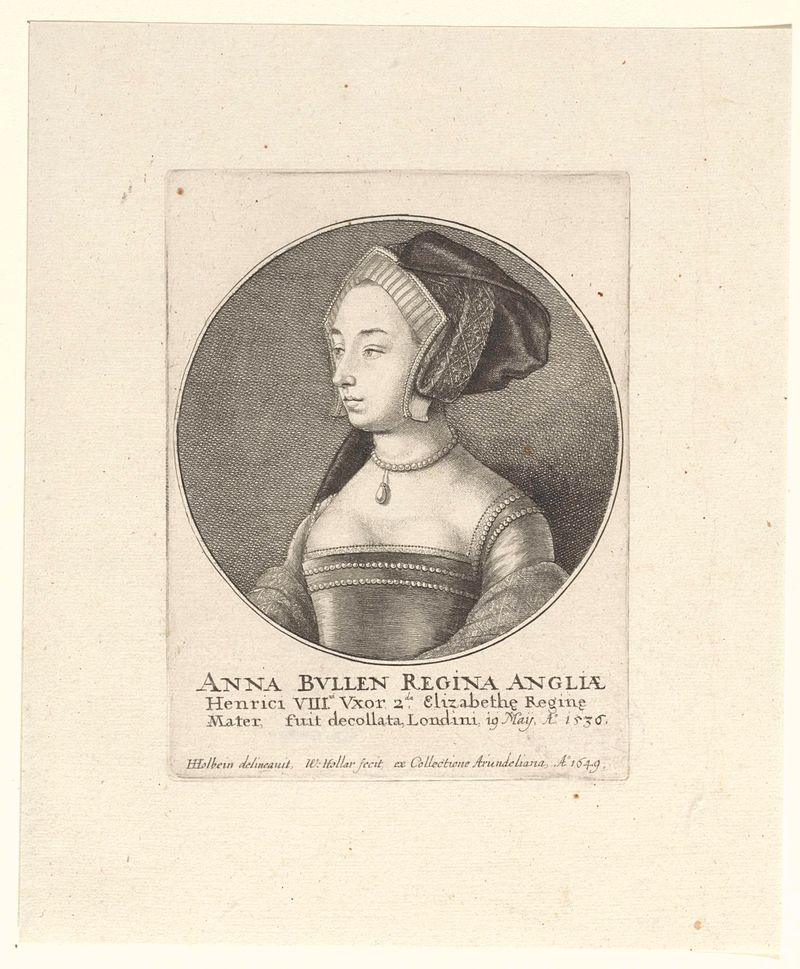
Portret van Anna Boleyn, koningin van Engeland
Wenceslaus Hollar
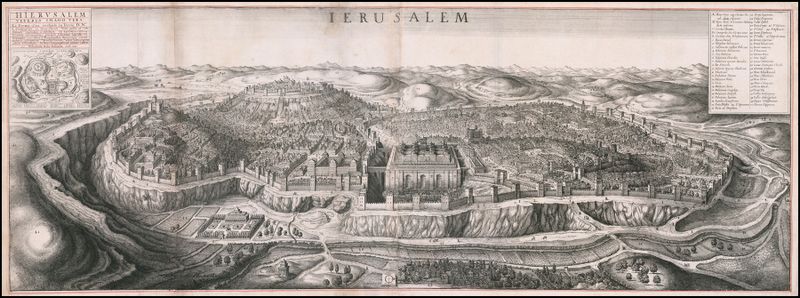
Bird’s eye view of Jerusalem
Wenceslaus Hollar
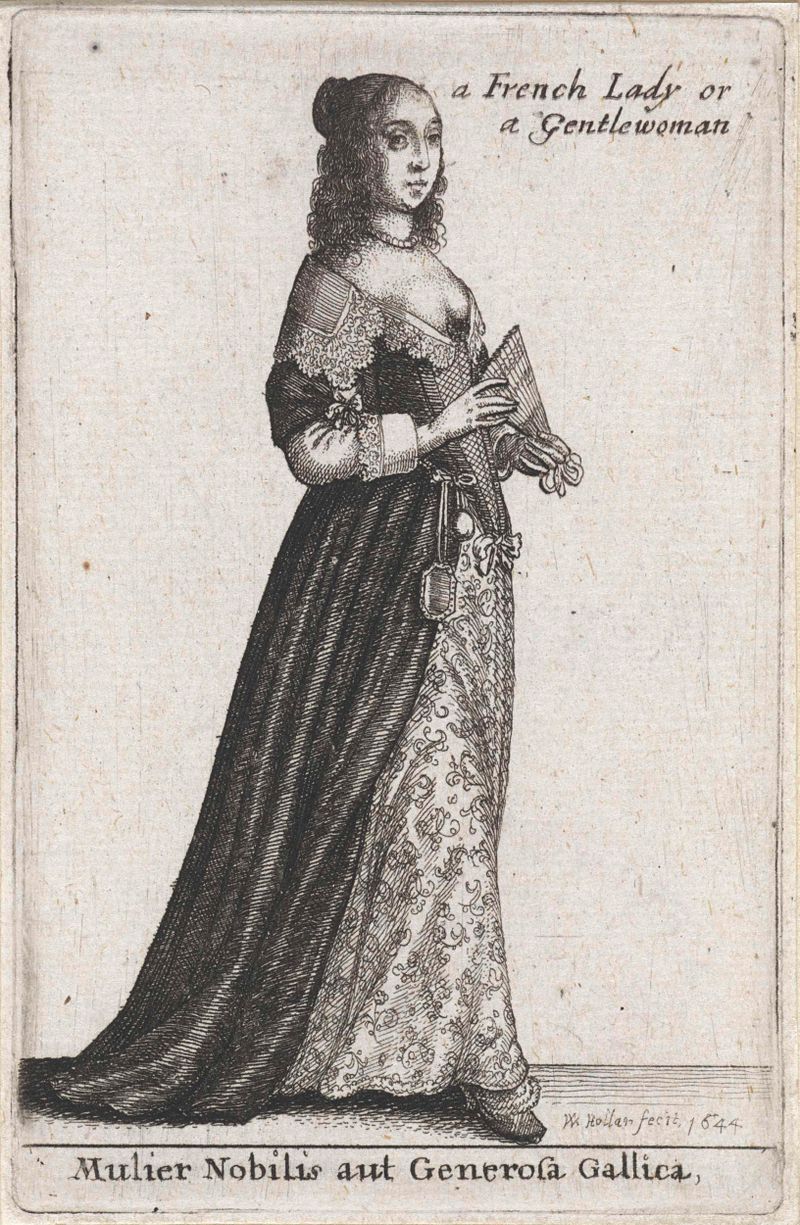
Mulier Nobilis aut Generosa Gallica / a French Lady or Gentlewoman
Wenceslaus Hollar
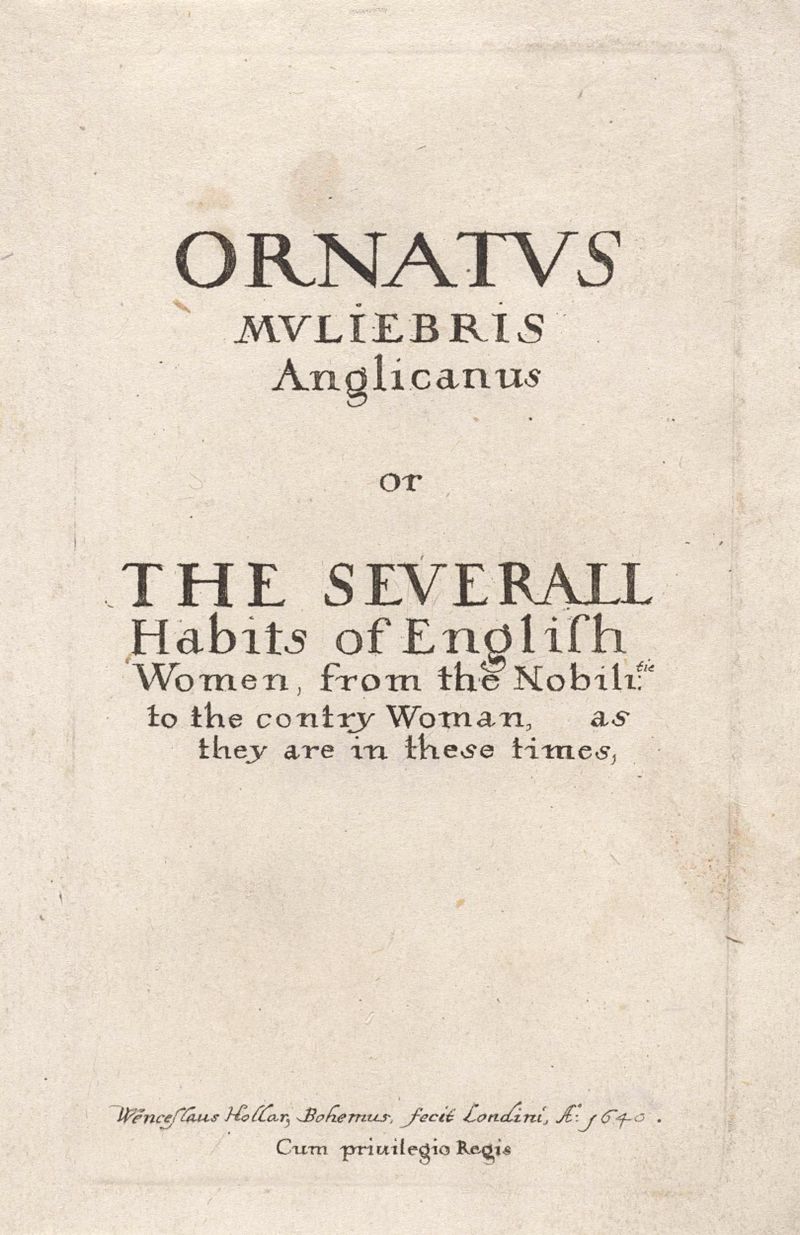
Titelprent voor: Ornatus Muliebris Anglicanus
Wenceslaus Hollar
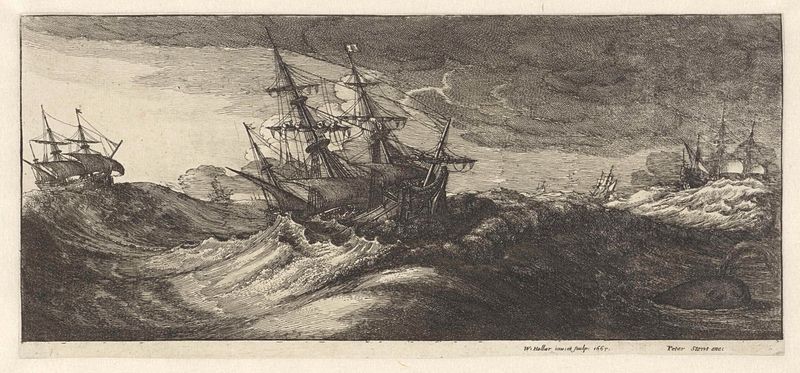
Oorlogsschepen en een walvis in een zeestorm
Wenceslaus Hollar
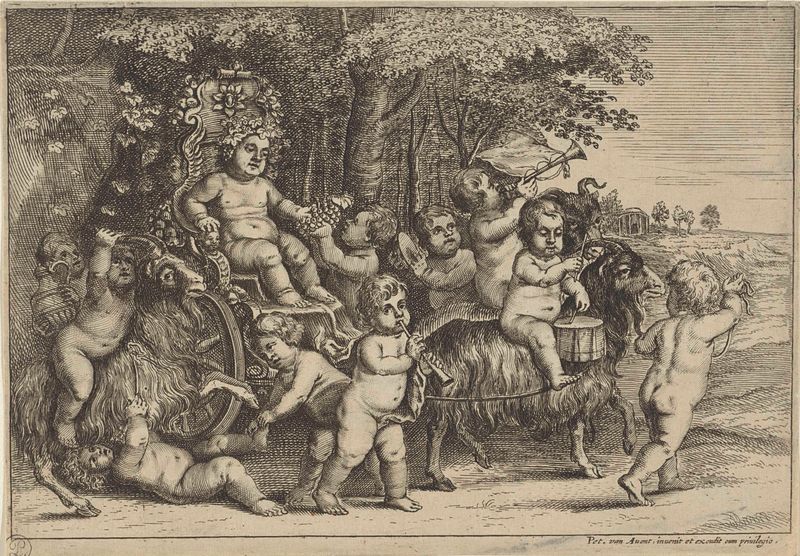
Optocht van bacchant en jongetjes op geiten
Wenceslaus Hollar
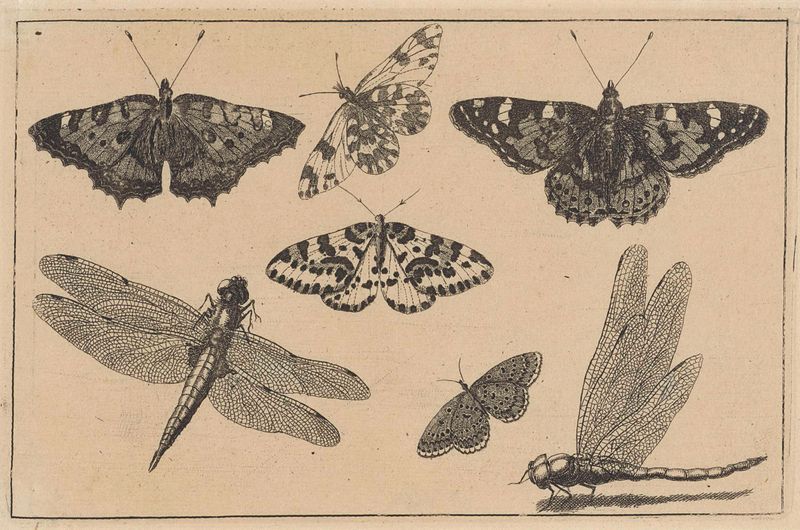
Twee libellen en vijf vlinders
Wenceslaus Hollar
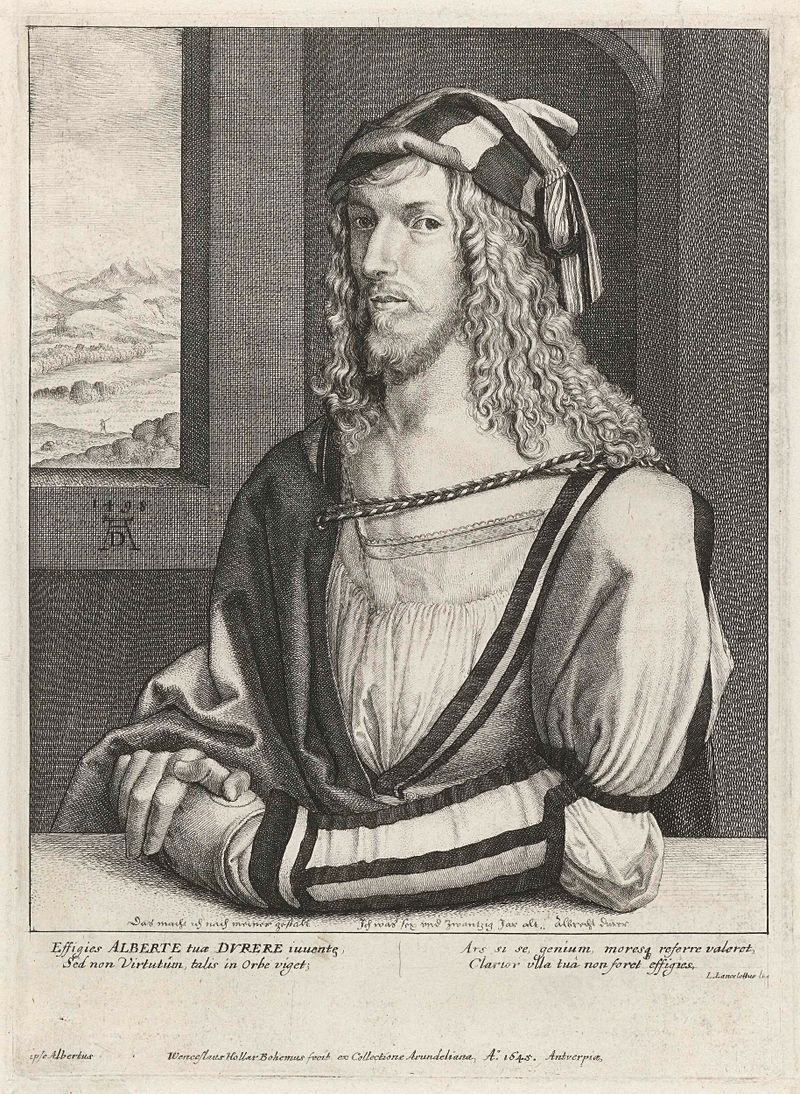
Portret van Albrecht Dürer
Wenceslaus Hollar
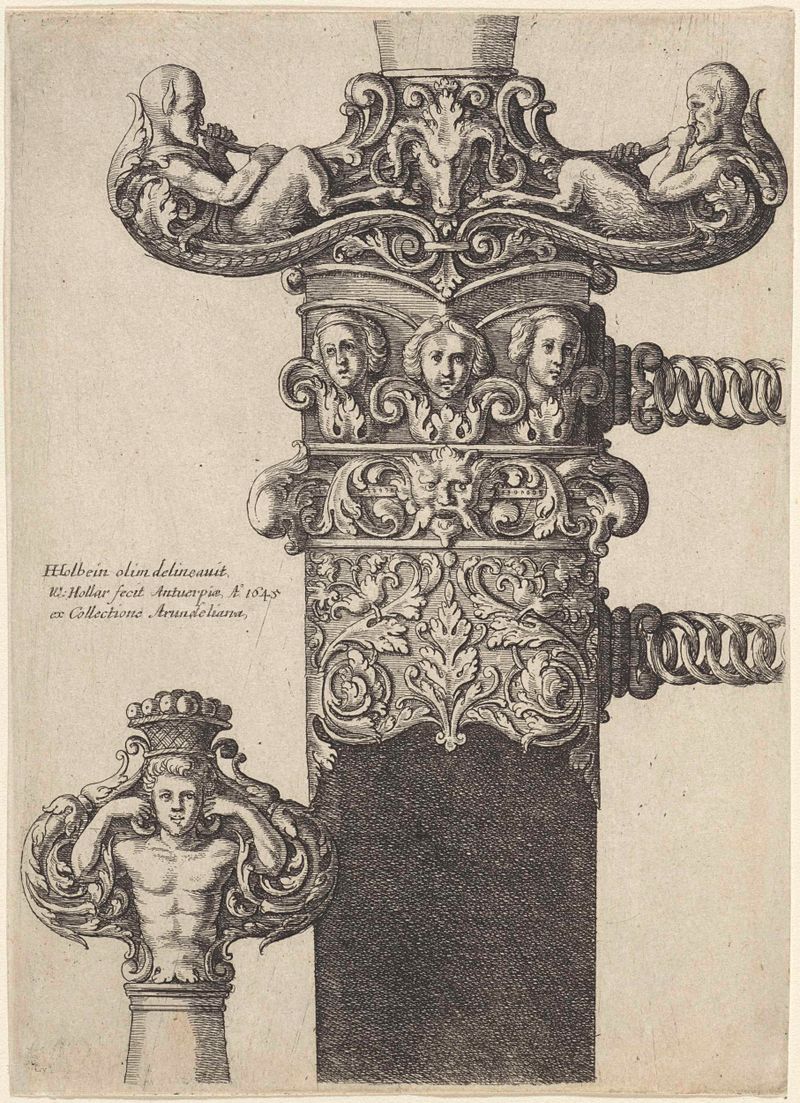
Ornamenteel ontwerp voor een dolk
Wenceslaus Hollar
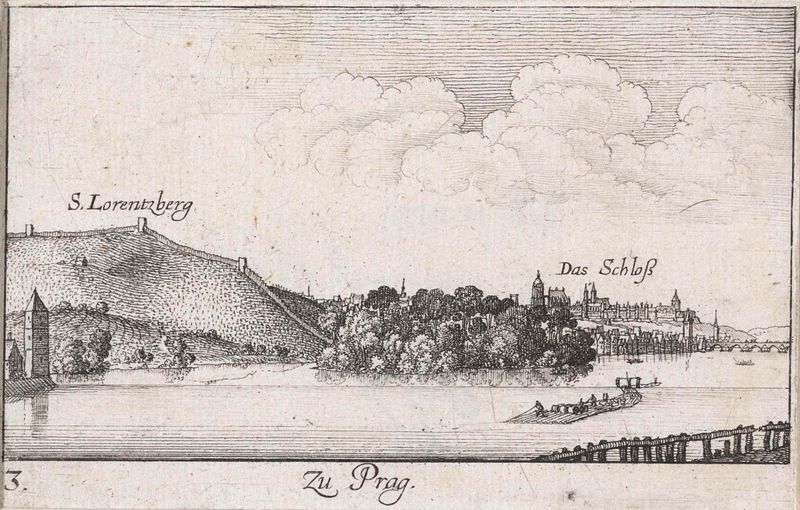
Gezicht op Praag vanaf de Moldau
Wenceslaus Hollar
More Portrait Art
Browse all →
Las meninas
Diego Velázquez

Self-portrait with a Bandaged Ear and Pipe
Unidentified artist

Girl with a Pearl Earring
Johannes Vermeer

The Sampling Officials of the Amsterdam Drapers’ Guild, Known as ‘The Syndics’
Rembrandt van Rijn

The Hundred Guilder Print: the man seen on the back in the lower left corner
Rembrandt van Rijn

Portrait of Dr Gachet
Vincent van Gogh