
Mulier Nobilis aut Generosa Anglica / Noble Gentle woman of England — History & Facts
When did color learn to lie? In the realm of portraiture, truth and artifice dance in a delicate balance, a tension that Wenceslaus Hollar masterfully navigates in this striking representation. The figure before us exudes an air of both nobility and enigma, beckoning the viewer to explore the depths beneath her composed exterior. Look to the intricate lacework framing the noble woman's face, highlighting her serene expression. The soft, muted colors of her gown contrast beautifully with the delicate details of her headdress, inviting the eye to trace the contours of her silhouette.
Notice how the light plays across the fabric, revealing subtle variations in texture and depth. Hollar's technique—a blend of precise line work and gentle shading—imbues the portrait with a lifelike quality that transcends mere representation. Yet, beneath the surface of her grace lies a profound complexity. The stiffness of her pose hints at a societal expectation she must uphold, while the slight tilt of her head suggests a questioning of her own identity.
The background, a swirling amalgamation of color, serves as a reminder that within the confines of nobility, one often grapples with personal truth and public persona. This contrast speaks to the universal struggle for authenticity amidst societal constraints. In 1643, Hollar was residing in London, having fled his native Prague due to the Thirty Years' War. The art world was evolving rapidly, embracing the Baroque’s emotional depth and realism.
Amidst this cultural transformation, Hollar's work reflected not only the ideals of his time but also his personal journey, capturing the essence of a noble woman whose story resonates through centuries, challenging perceptions of identity and existence.
More Artworks by Wenceslaus Hollar
Browse all →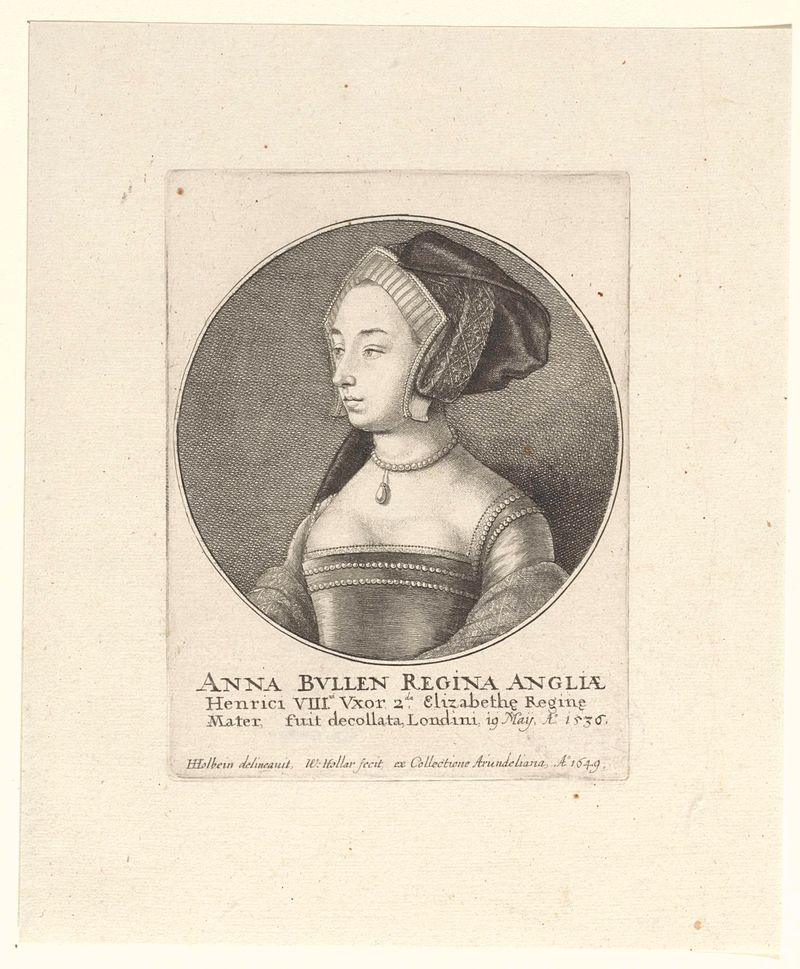
Portret van Anna Boleyn, koningin van Engeland
Wenceslaus Hollar
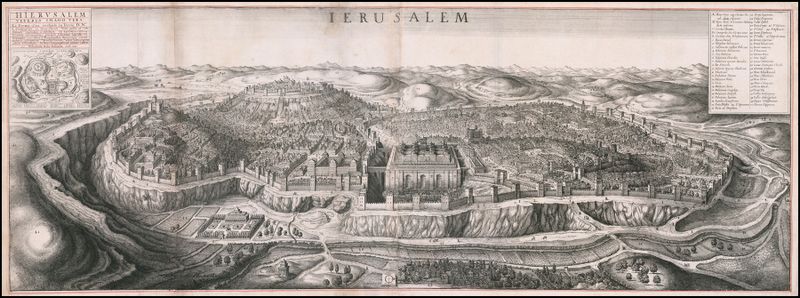
Bird’s eye view of Jerusalem
Wenceslaus Hollar
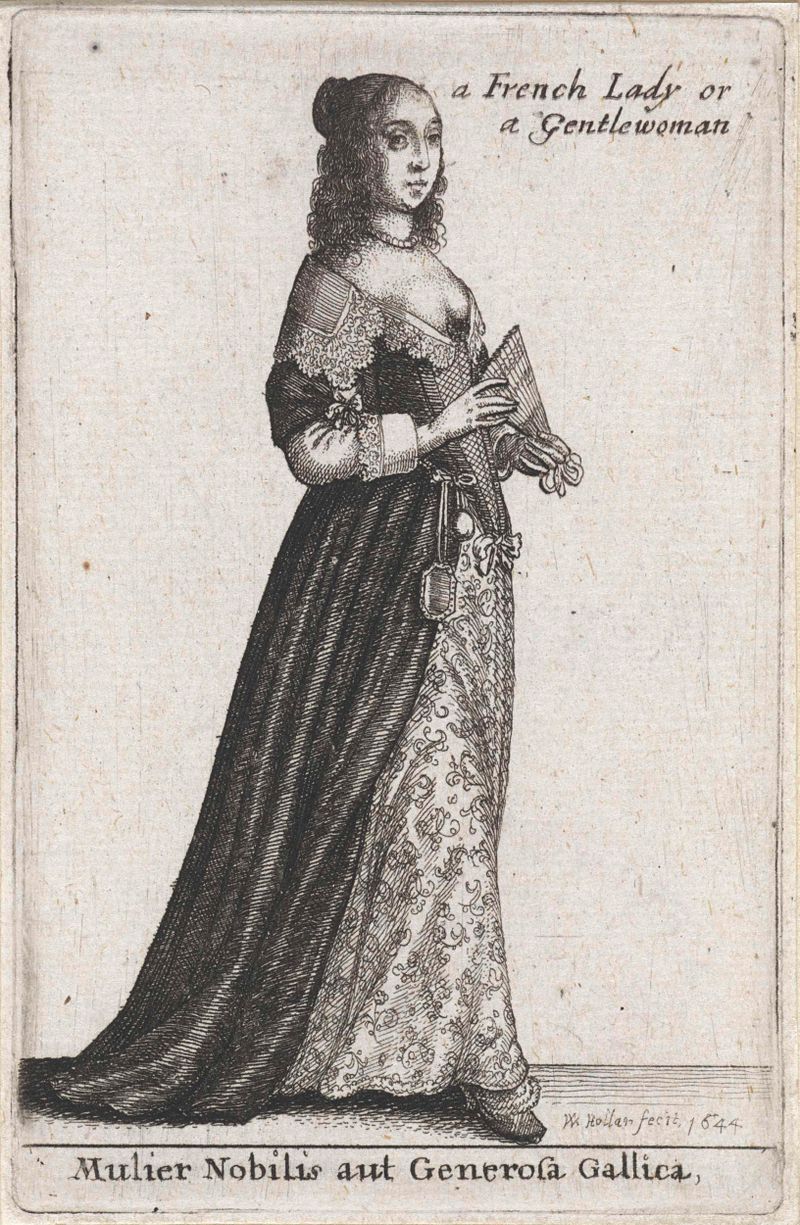
Mulier Nobilis aut Generosa Gallica / a French Lady or Gentlewoman
Wenceslaus Hollar
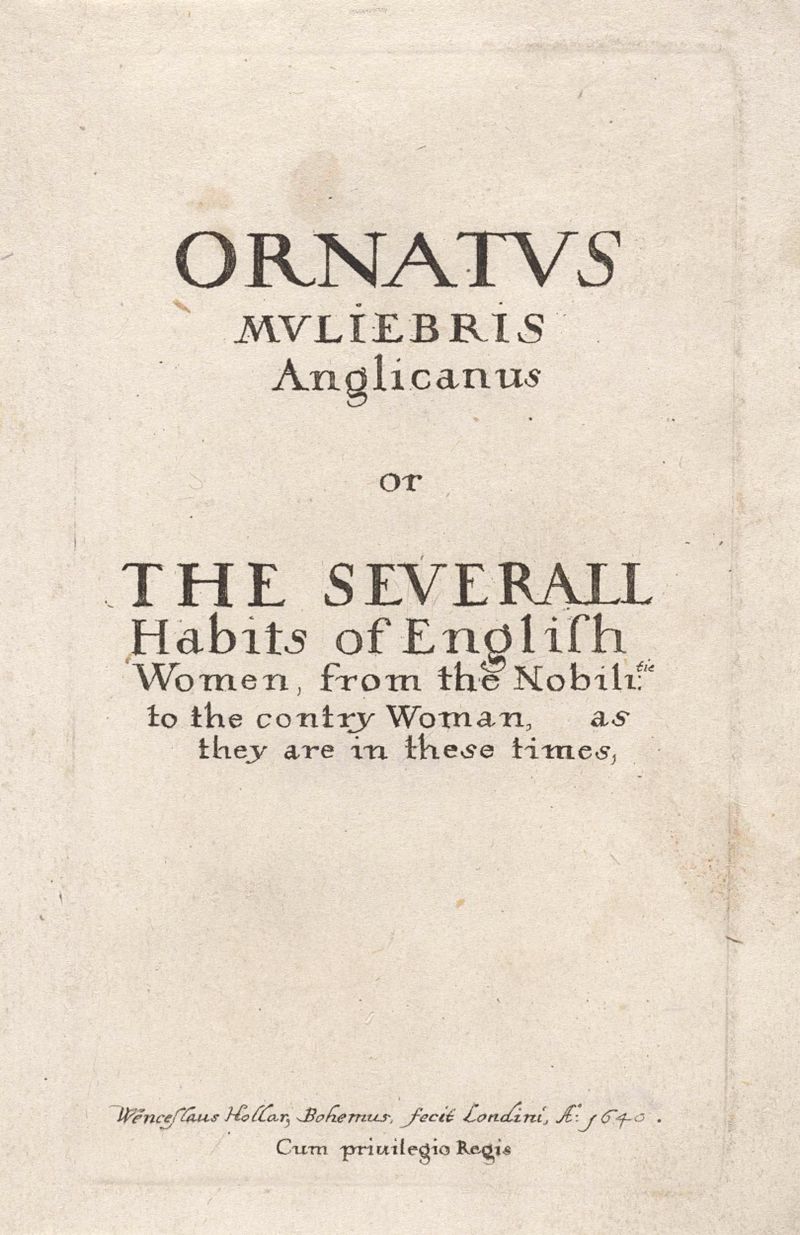
Titelprent voor: Ornatus Muliebris Anglicanus
Wenceslaus Hollar
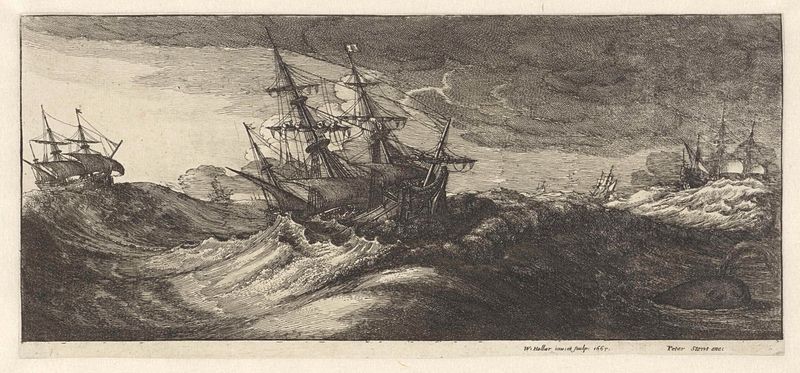
Oorlogsschepen en een walvis in een zeestorm
Wenceslaus Hollar
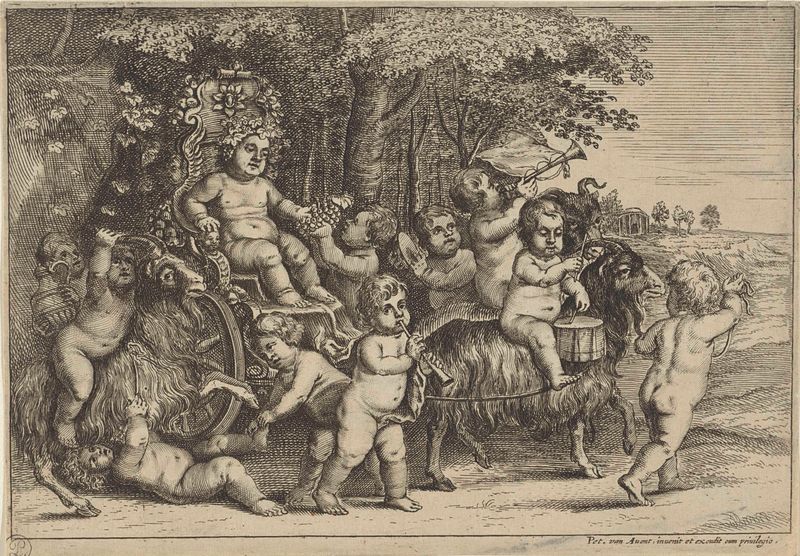
Optocht van bacchant en jongetjes op geiten
Wenceslaus Hollar
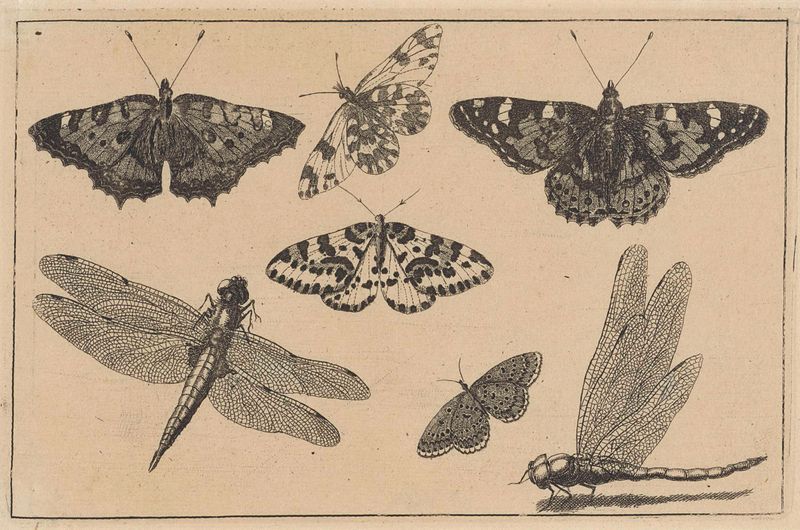
Twee libellen en vijf vlinders
Wenceslaus Hollar
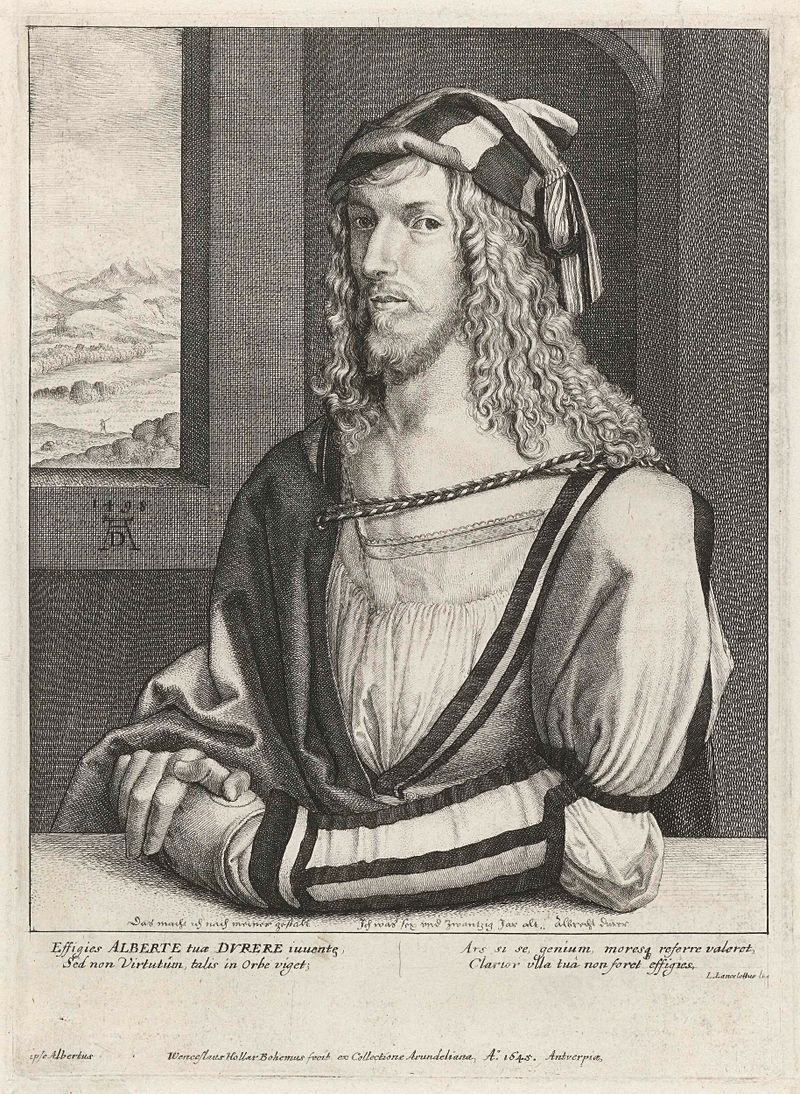
Portret van Albrecht Dürer
Wenceslaus Hollar
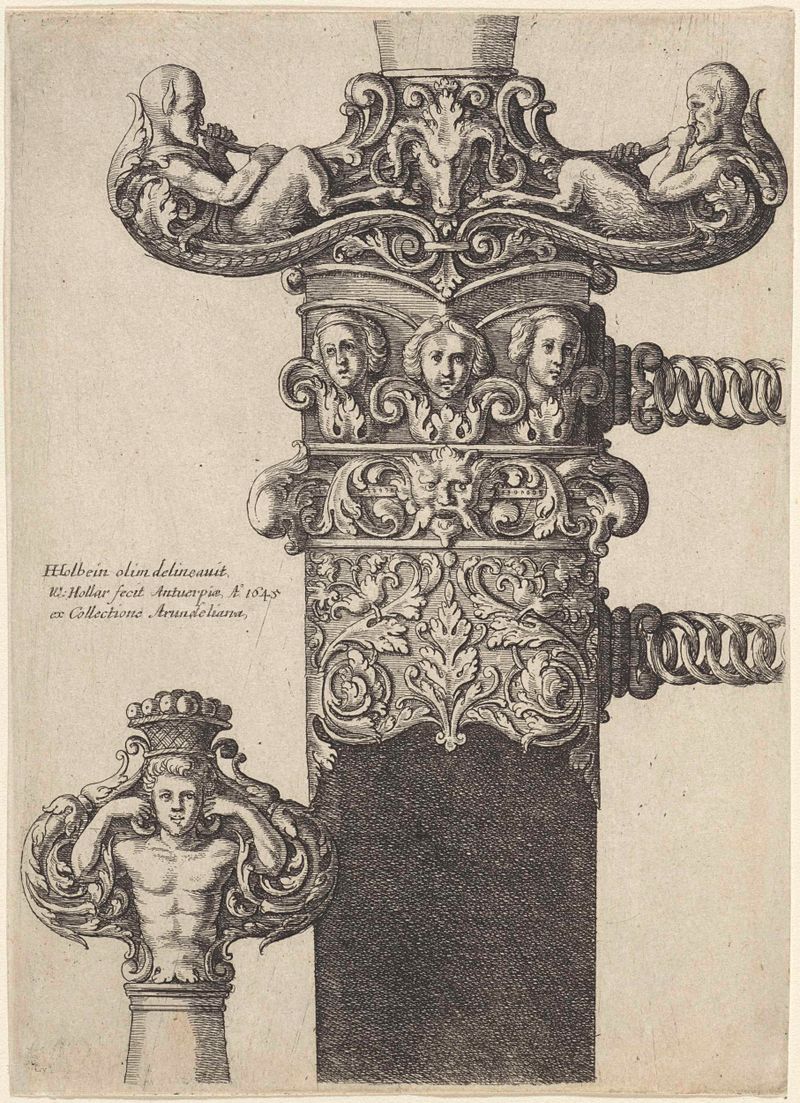
Ornamenteel ontwerp voor een dolk
Wenceslaus Hollar
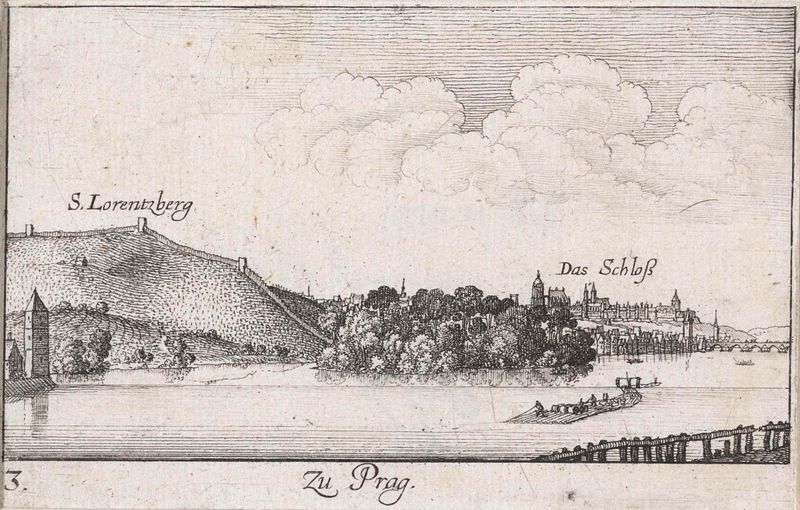
Gezicht op Praag vanaf de Moldau
Wenceslaus Hollar
More Portrait Art
Browse all →
Las meninas
Diego Velázquez

Self-portrait with a Bandaged Ear and Pipe
Unidentified artist

Girl with a Pearl Earring
Johannes Vermeer

The Sampling Officials of the Amsterdam Drapers’ Guild, Known as ‘The Syndics’
Rembrandt van Rijn

The Hundred Guilder Print: the man seen on the back in the lower left corner
Rembrandt van Rijn

Portrait of Dr Gachet
Vincent van Gogh