
Mulier Nobilis Hispanica / Ein Schpanische Dame — History & Facts
This sentiment resonates deeply within Mulier Nobilis Hispanica, a portrait that invites us to peer into the serene yet complex world of its subject. The woman's expression, though tranquil, hints at stories untold, where grace intertwines with unacknowledged struggles. Look to the left at her delicate hand, draped elegantly over the edge of a plush chair, showcasing a finely embroidered sleeve that speaks of her noble status. Notice how the light captures the intricate details of her attire, illuminating the deep hues of crimson and gold that echo both wealth and restraint.
The soft shadows form a halo around her, emphasizing the stillness and poise that define her character. Each brushstroke exudes meticulous craftsmanship, revealing Hollar’s skill in capturing the fabric’s texture and the subtle interplay of light and dimension. Yet, beneath the serene surface lies a tapestry of contrasts. The opulence of her dress juxtaposes with the sadness in her eyes, suggesting that beauty can carry the weight of expectation and longing.
The choice of a dark background allows the subject to emerge like a beacon, yet it also enshrouds her in an air of mystery—who is this noblewoman? What thoughts linger behind that placid gaze? Hollar’s work invites viewers to grapple with these questions, evoking empathy for her concealed narrative. Created in 1649, during his time in England, Wenceslaus Hollar was deeply engaged with the Baroque style, yet his vision diverged into a more intimate portrayal of his subjects. This period of his life was marked by personal upheaval and artistic exploration, as he sought to bridge the gap between detailed representation and emotional resonance in his portraits. Hollar’s ability to convey serenity, while subtly hinting at deeper truths, is what distinguishes his work in this era of artistic transition.
More Artworks by Wenceslaus Hollar
Browse all →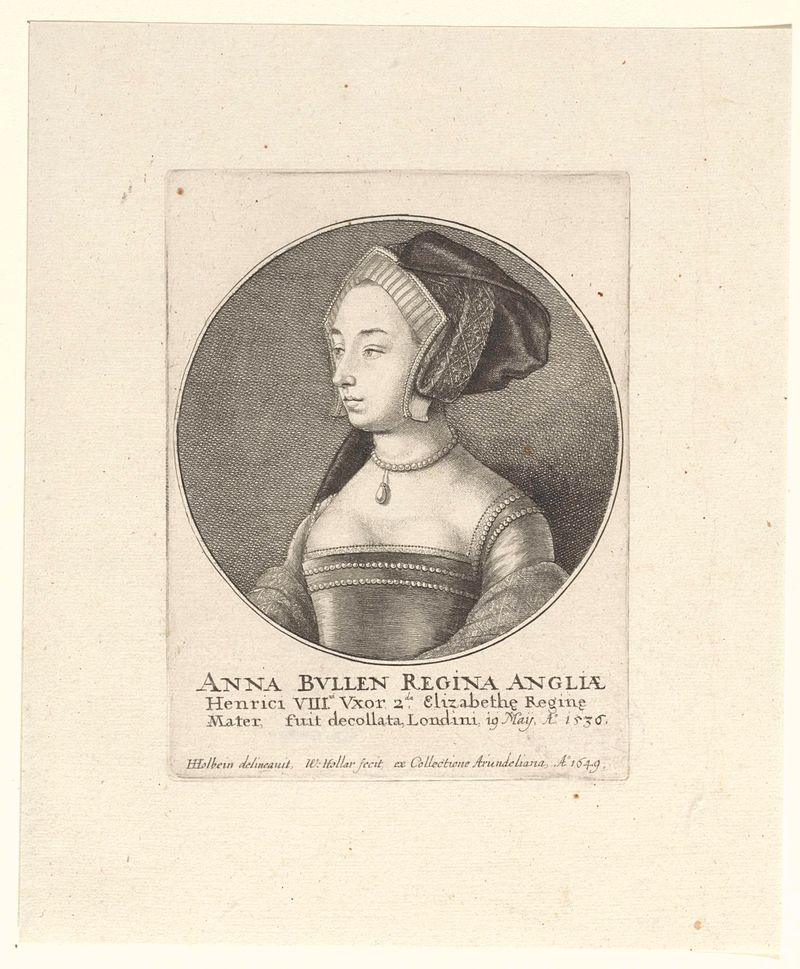
Portret van Anna Boleyn, koningin van Engeland
Wenceslaus Hollar
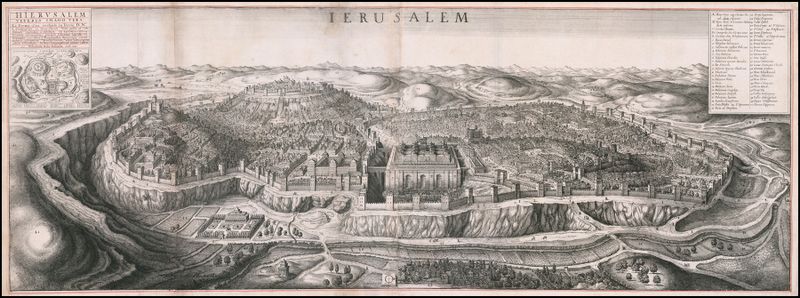
Bird’s eye view of Jerusalem
Wenceslaus Hollar
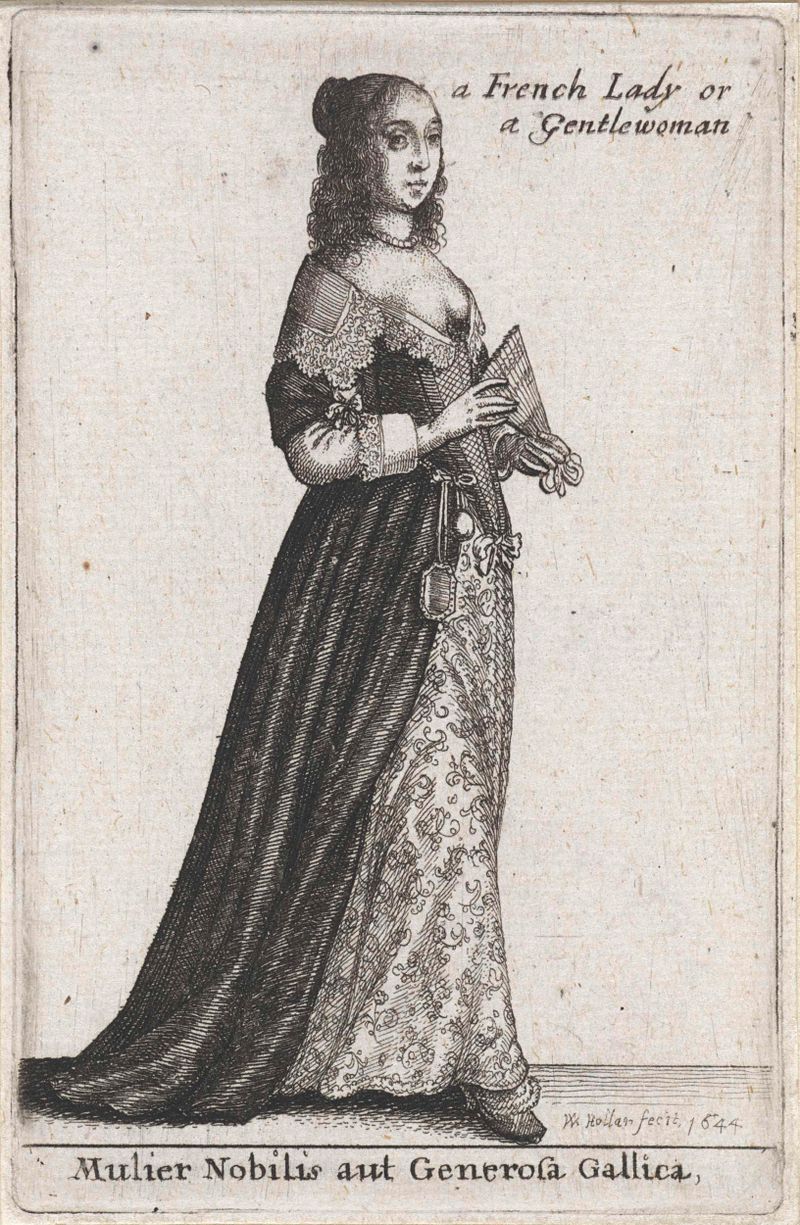
Mulier Nobilis aut Generosa Gallica / a French Lady or Gentlewoman
Wenceslaus Hollar
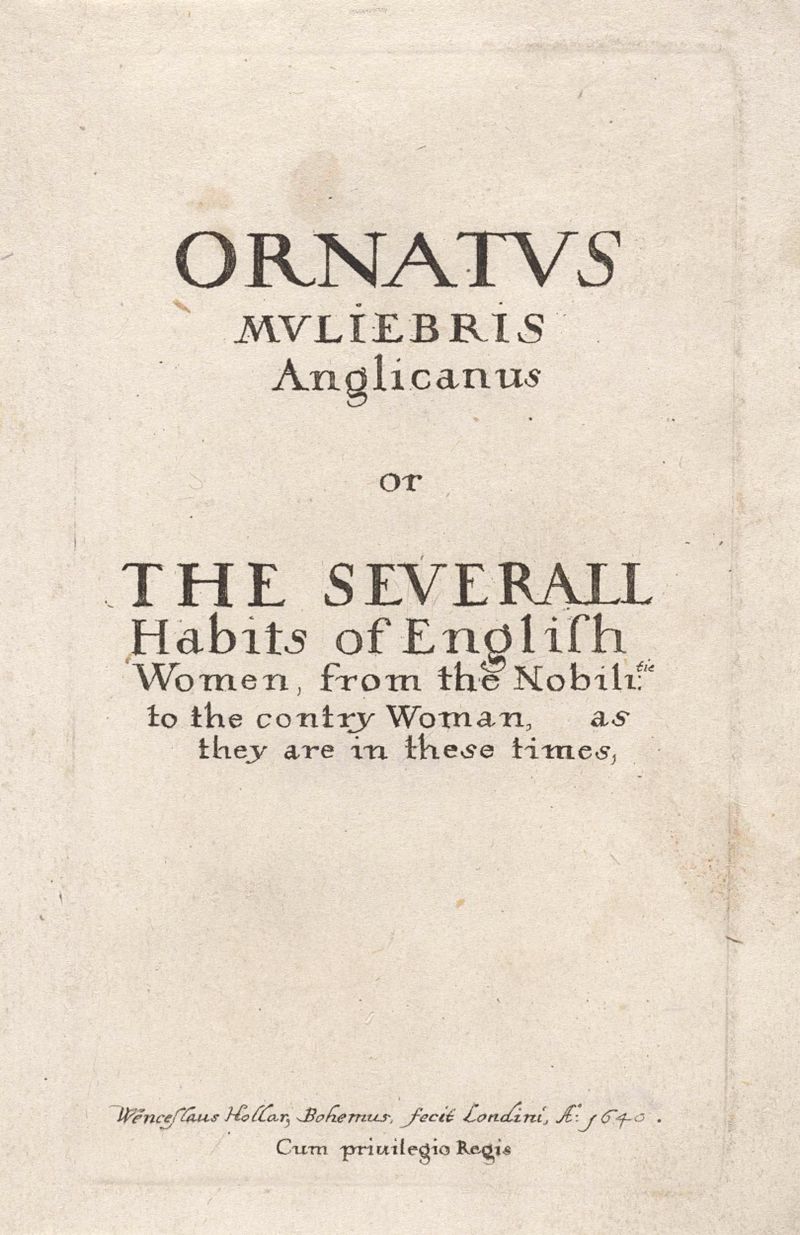
Titelprent voor: Ornatus Muliebris Anglicanus
Wenceslaus Hollar
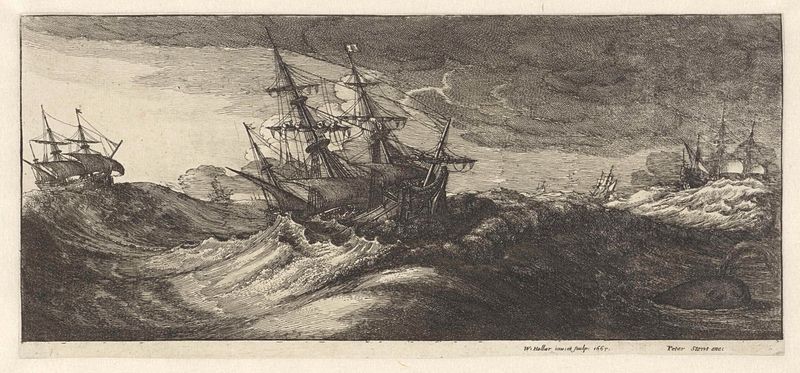
Oorlogsschepen en een walvis in een zeestorm
Wenceslaus Hollar
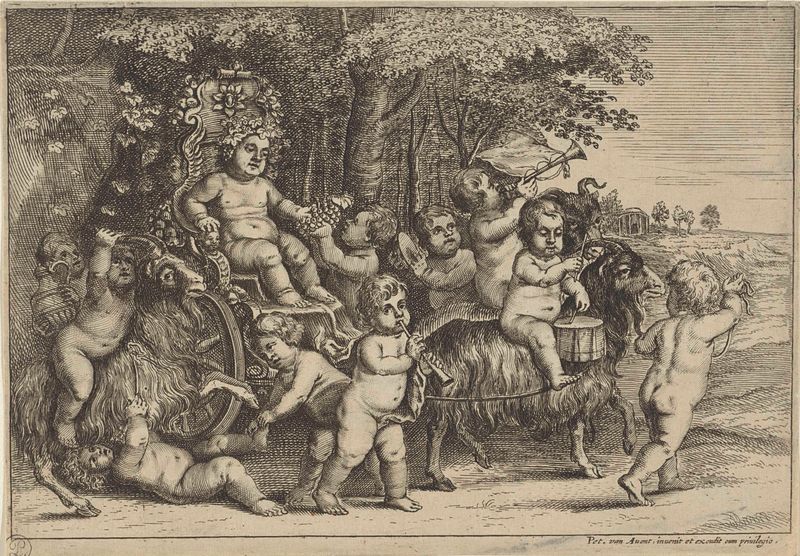
Optocht van bacchant en jongetjes op geiten
Wenceslaus Hollar
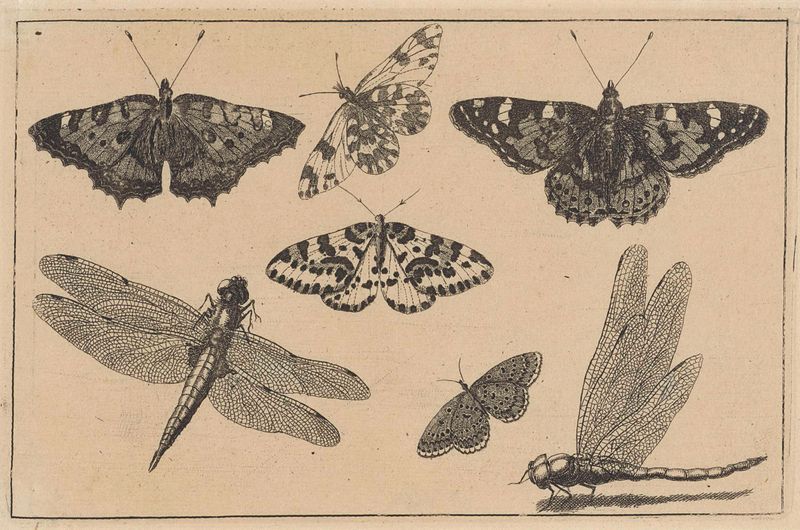
Twee libellen en vijf vlinders
Wenceslaus Hollar
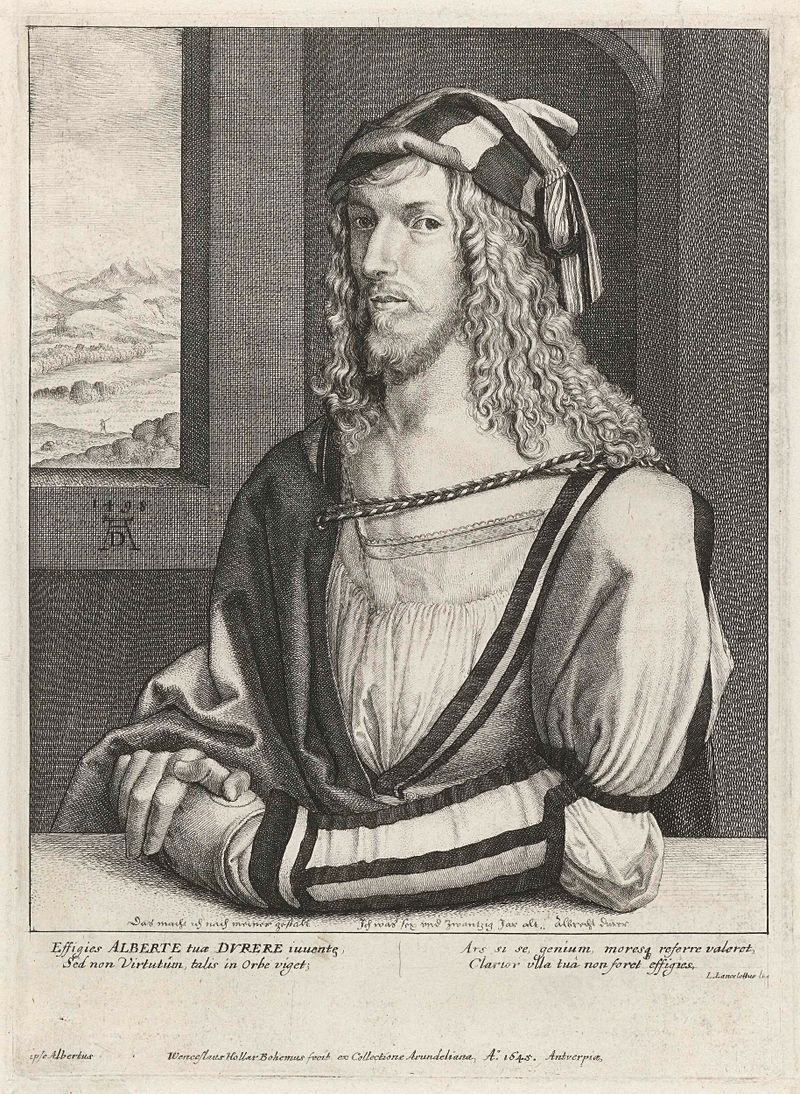
Portret van Albrecht Dürer
Wenceslaus Hollar
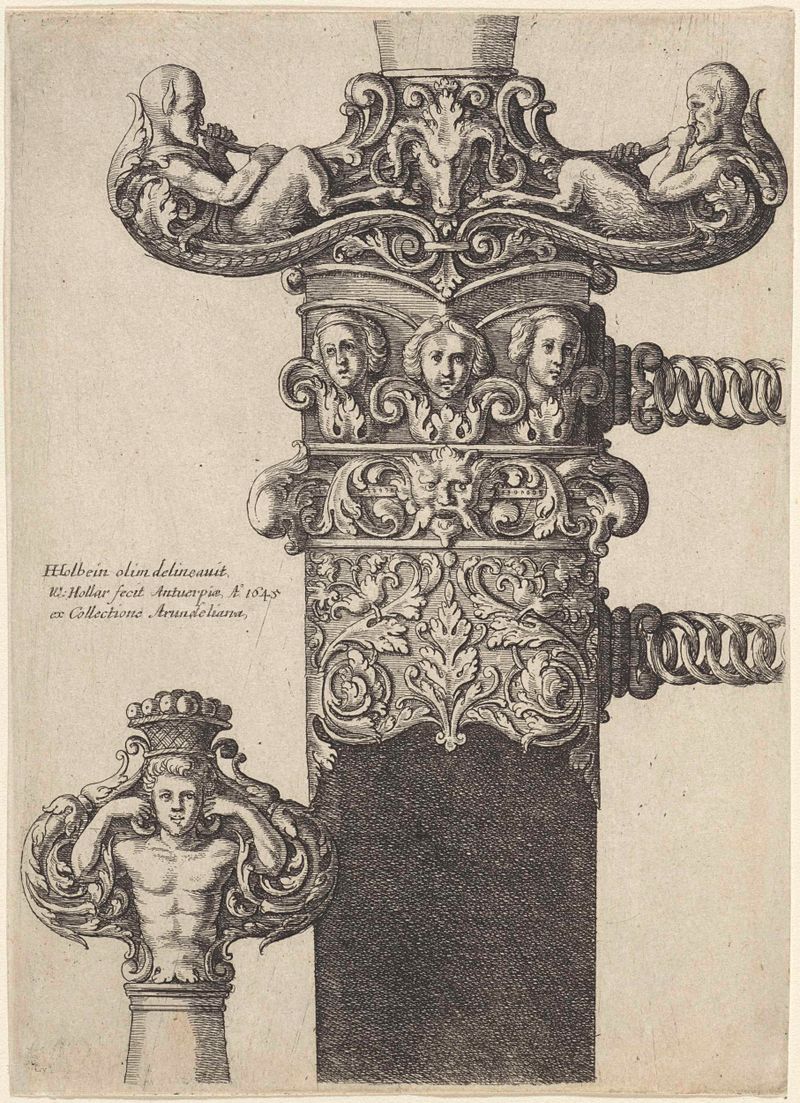
Ornamenteel ontwerp voor een dolk
Wenceslaus Hollar
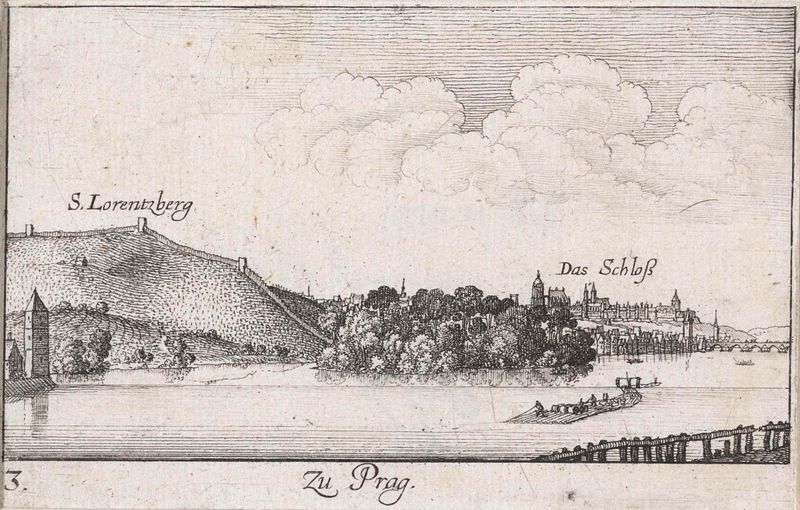
Gezicht op Praag vanaf de Moldau
Wenceslaus Hollar
More Portrait Art
Browse all →
Las meninas
Diego Velázquez

Self-portrait with a Bandaged Ear and Pipe
Unidentified artist
Girl with a Pearl Earring
Johannes Vermeer

The Sampling Officials of the Amsterdam Drapers’ Guild, Known as ‘The Syndics’
Rembrandt van Rijn

The Hundred Guilder Print: the man seen on the back in the lower left corner
Rembrandt van Rijn

Portrait of Dr Gachet
Vincent van Gogh