
My cabin, Long Gulch — History & Facts
In a world where moments dissolve into the ether, how does one capture the essence of solitude and timelessness? Focus on the cabin at the center of the composition, its wooden structure standing resolutely against the backdrop of nature. The textures of the weathered logs invite you to trace each line, while the surrounding foliage, with its rich greens and warm browns, creates a harmonious dialogue with the earth. Notice the way the light filters through the trees, illuminating patches of ground and transforming them into transient spots of gold, emphasizing the stillness of the scene while evoking a sense of warmth and comfort. As you delve deeper, the painting reveals a juxtaposition between the permanence of the cabin and the fleeting shadows of the trees.
The calmness of the landscape suggests a sanctuary away from the chaos of the outside world, inviting reflections on isolation and the human condition. Amidst the tranquility lurks an undercurrent of nostalgia, hinting at the ephemeral nature of memory and the weight of time that lingers in this serene refuge. In 1860, during a period of westward expansion in America, the artist painted this representation of a secluded life. Daniel A.
Jenks, influenced by the burgeoning Romantic movement, sought to reflect both the beauty and the solitude found in nature. His work embodies the longing for connection to the land, a sentiment felt deeply during a transformative era in the country’s history.
More Artworks by Daniel A. Jenks
Browse all →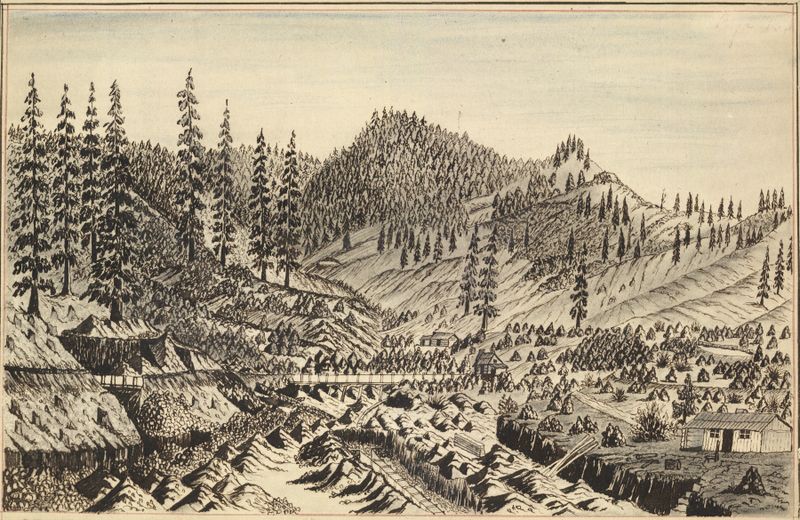
View of the mine at Long Gulch
Daniel A. Jenks
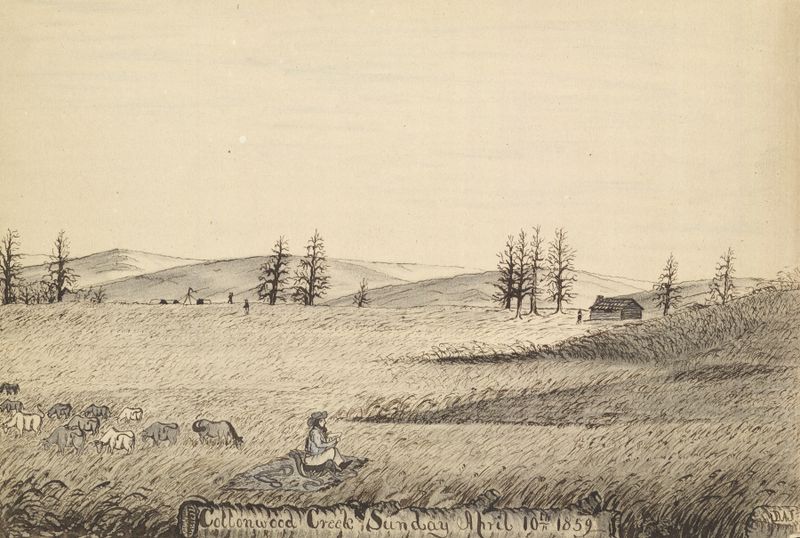
Cottonwood Creek, Sunday April 10th 1859
Daniel A. Jenks
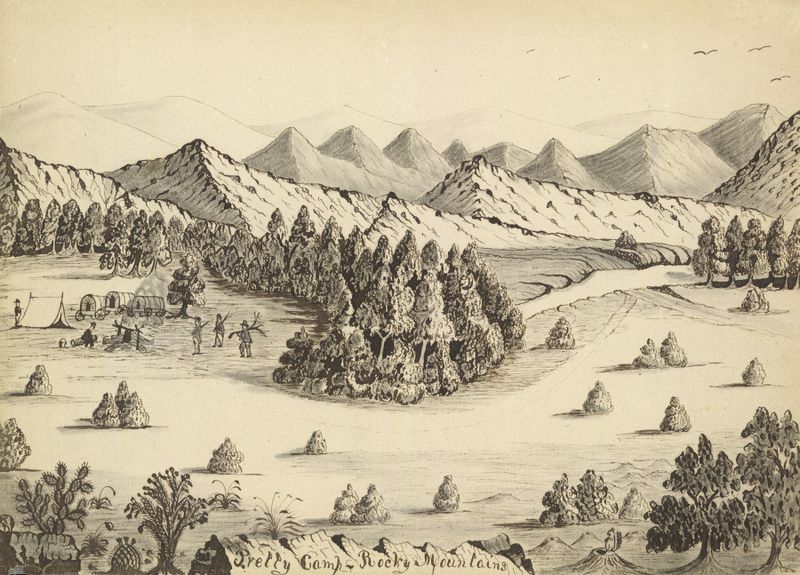
Pretty camp – Rocky Mountains
Daniel A. Jenks
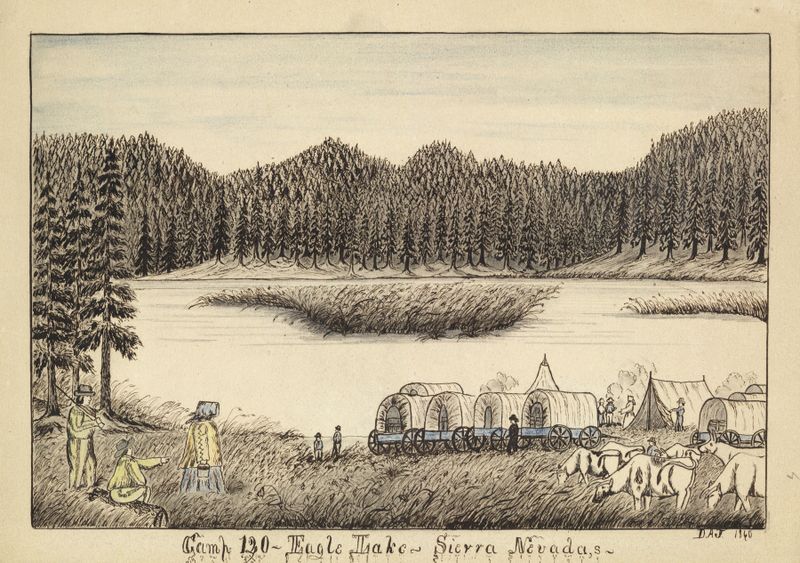
Camp 120, Eagle Lake, Sierra Nevadas
Daniel A. Jenks

Chavis Creek, camp 14th
Daniel A. Jenks
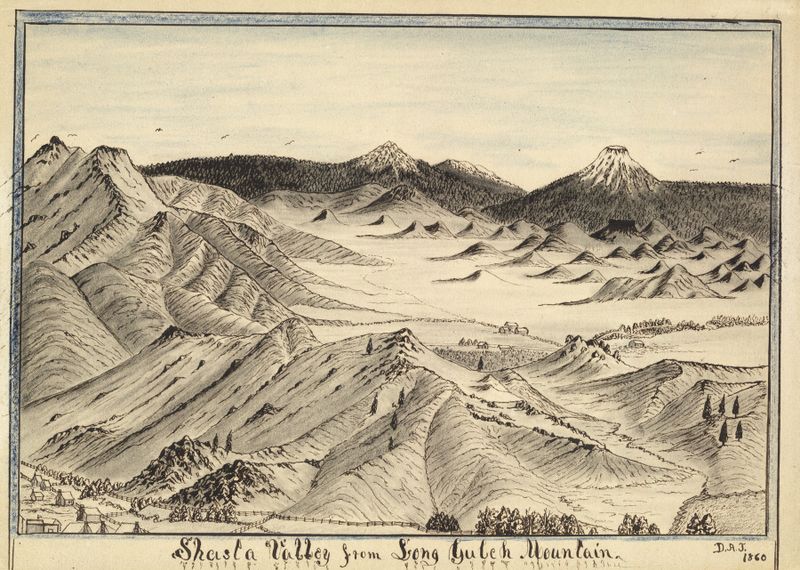
Shasta Valley from Long Gulch Mountain
Daniel A. Jenks
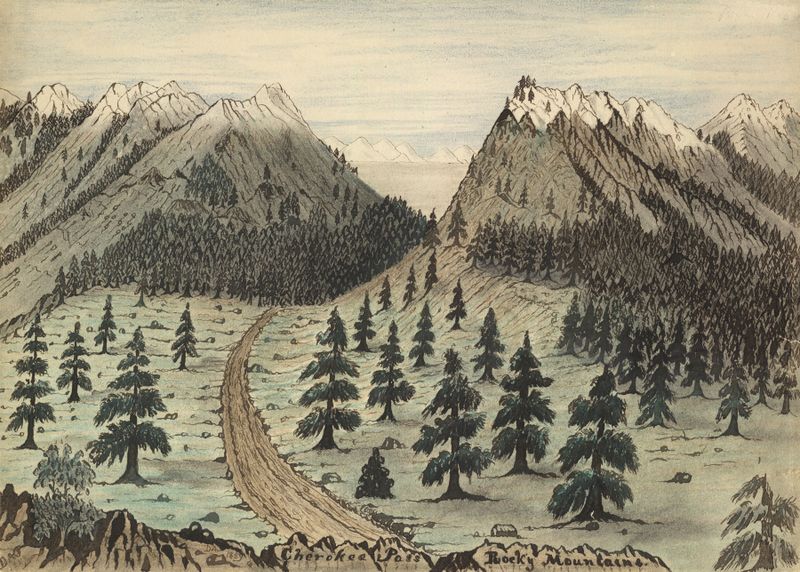
Cherokee Pass, Rocky Mountains
Daniel A. Jenks

Camp 100 – Humbolt River
Daniel A. Jenks
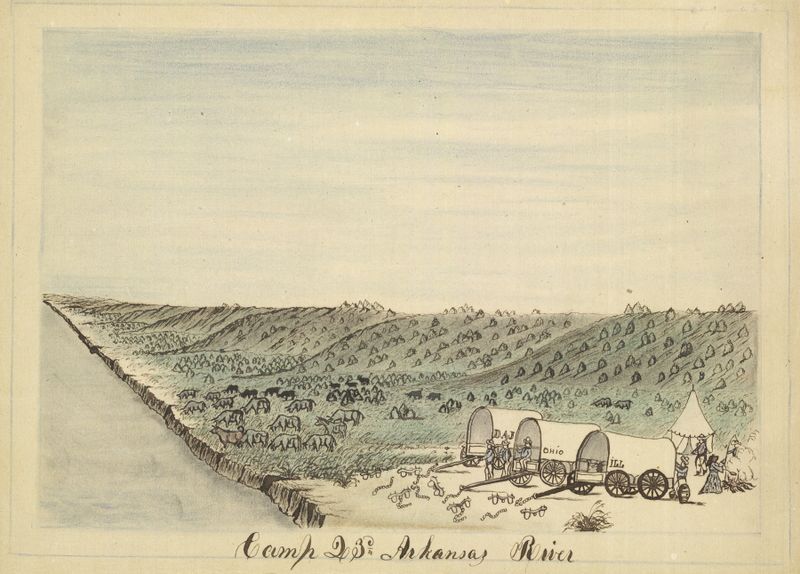
Camp 23rd Arkansas River
Daniel A. Jenks
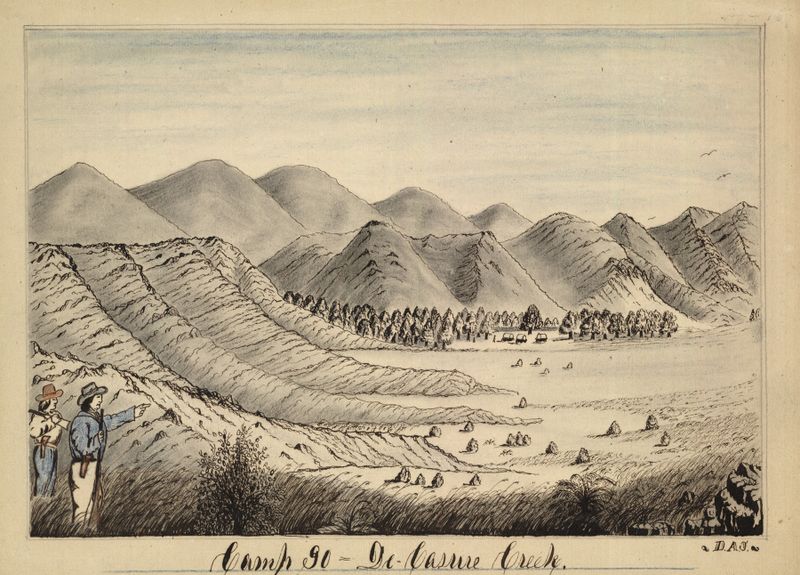
Camp 90, De Casure Creek
Daniel A. Jenks





