
My Children — History & Facts
What grips the eye first in My Children is the commanding presence of the central figure, whose gaze meets the viewer with a quiet, unwavering intensity. The composition draws you in by placing this figure—dressed in luminous white—squarely at the heart of the canvas, her hands gently clasping a cluster of green leaves. Flanking her, two younger faces emerge from the shadows, their expressions more guarded, almost spectral, as if they are half-rooted in the world of the painting and half in memory.
The unfinished lower section, raw and yellowed, is not a flaw but a window into the artist’s process, inviting us to imagine what might have been. The brushwork above, loose and atmospheric, sets the trio against a backdrop of dark foliage and a sky that shifts from verdant green to dusky blue, lending the scene a sense of suspended time. Painted between the late 1890s and circa 1910, this work stands at the crossroads of American portraiture and the era’s fascination with allegory and family. In these decades, artists like Abbott Handerson Thayer often turned to intimate subjects, blending the personal with the symbolic—sometimes for private devotion, sometimes as statements of lineage or virtue.
The unfinished state and the haunting, almost iconic arrangement of the children recall the period’s shifting attitudes toward childhood, innocence, and the role of the family in a rapidly modernizing world. Now in the collection identified as UgGKbNFkTsoUyg and digitized at the highest clarity by the Google Cultural Institute, the painting’s incompleteness makes it all the more immediate, urging us to look closer at what is revealed—and what is left unsaid.
More Artworks by Abbott Handerson Thayer
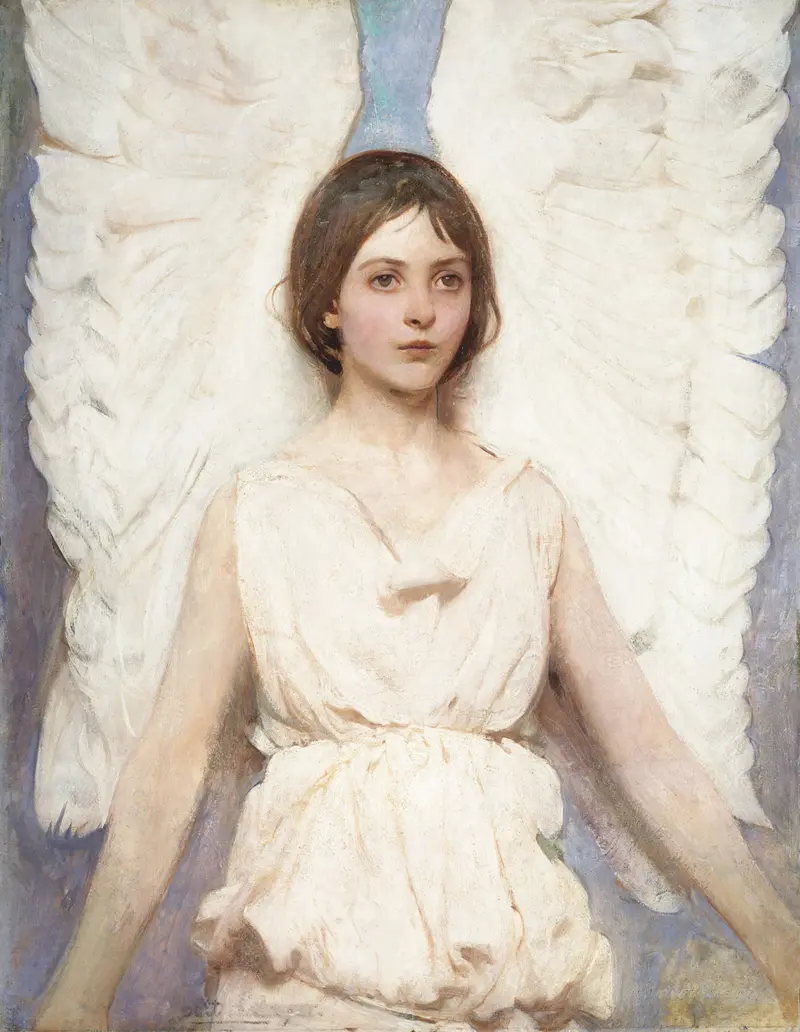
Angel
Abbott Handerson Thayer

Mount Monadnock
Abbott Handerson Thayer
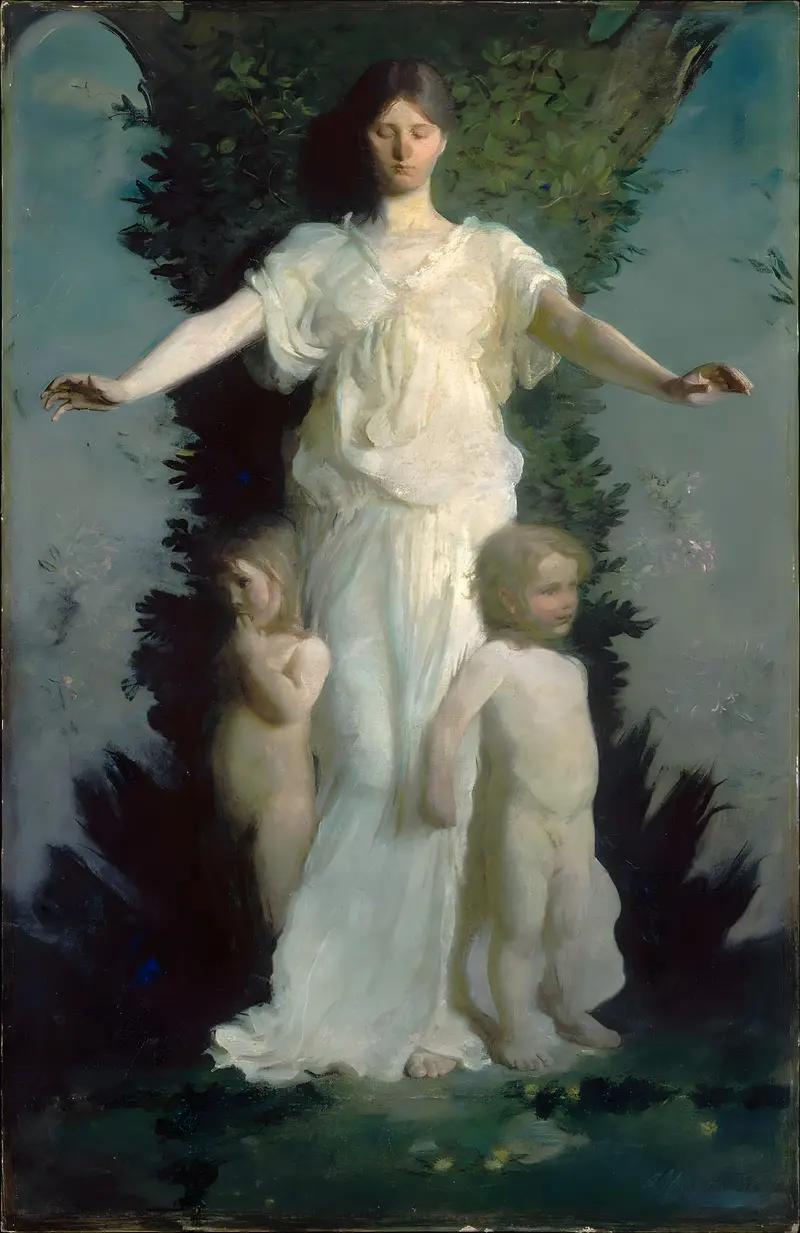
Caritas
Abbott Handerson Thayer

Winter, Monadnock
Abbott Handerson Thayer
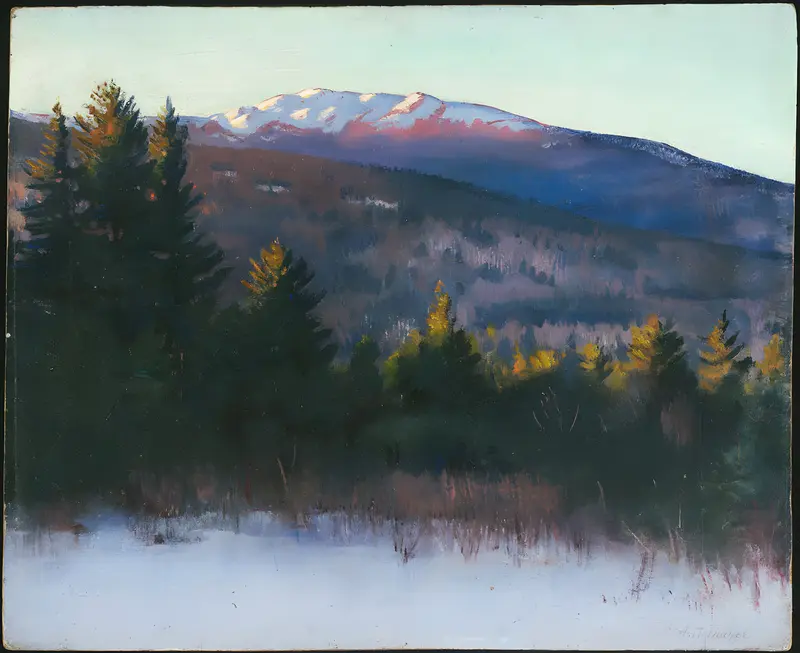
Mount Monadnock
Abbott Handerson Thayer
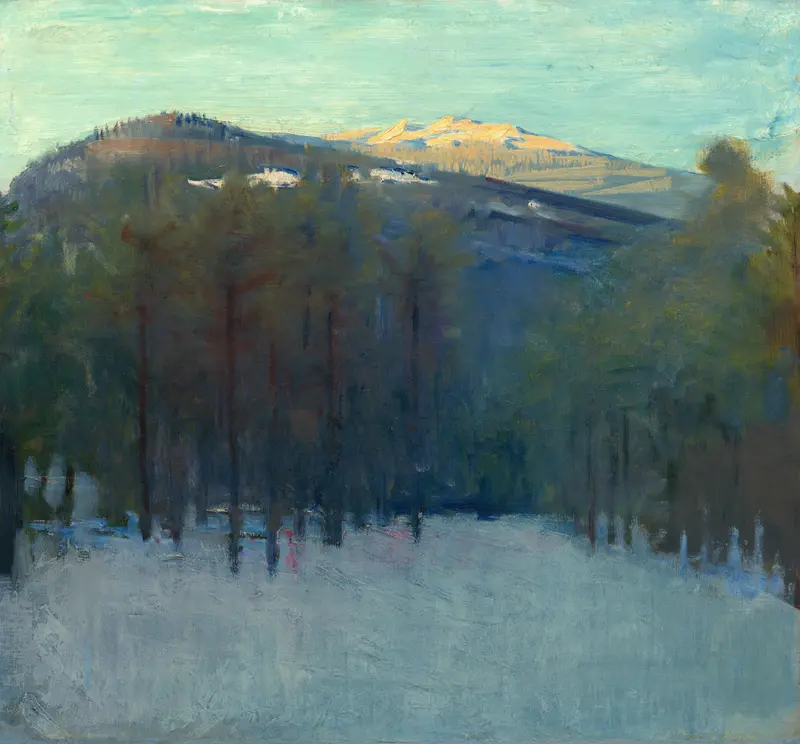
Mount Monadnock
Abbott Handerson Thayer
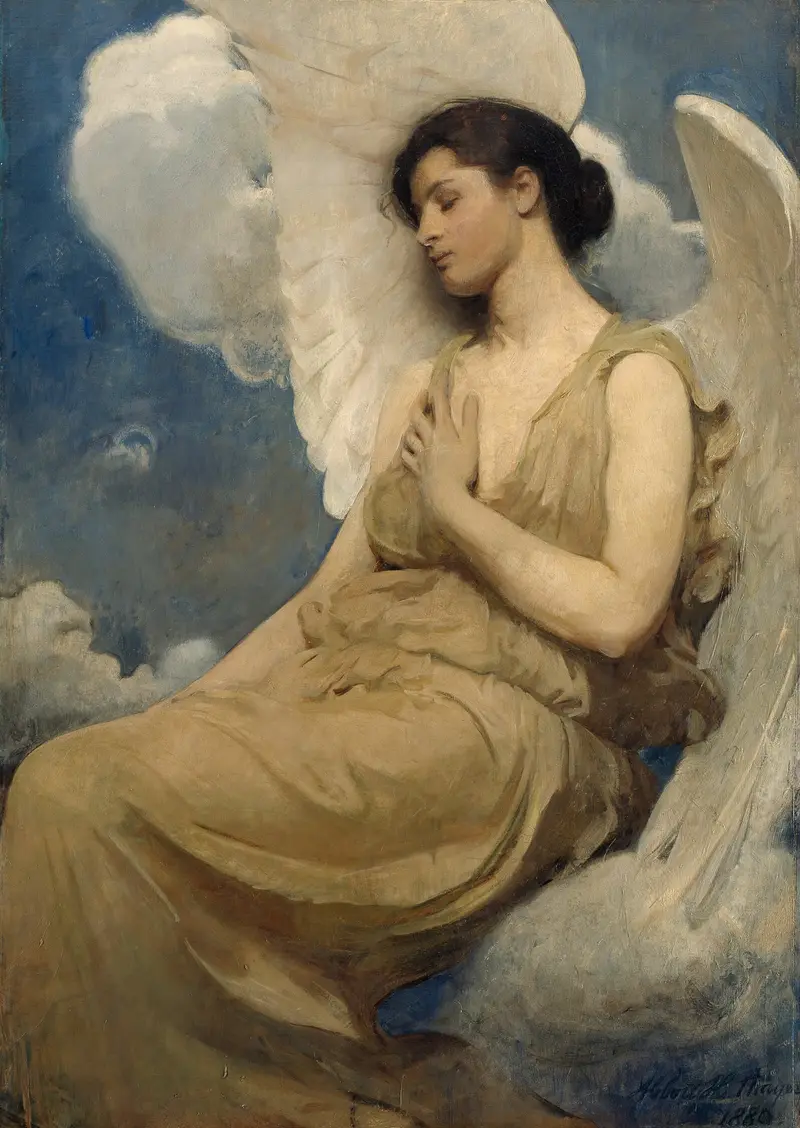
Winged Figure
Abbott Handerson Thayer
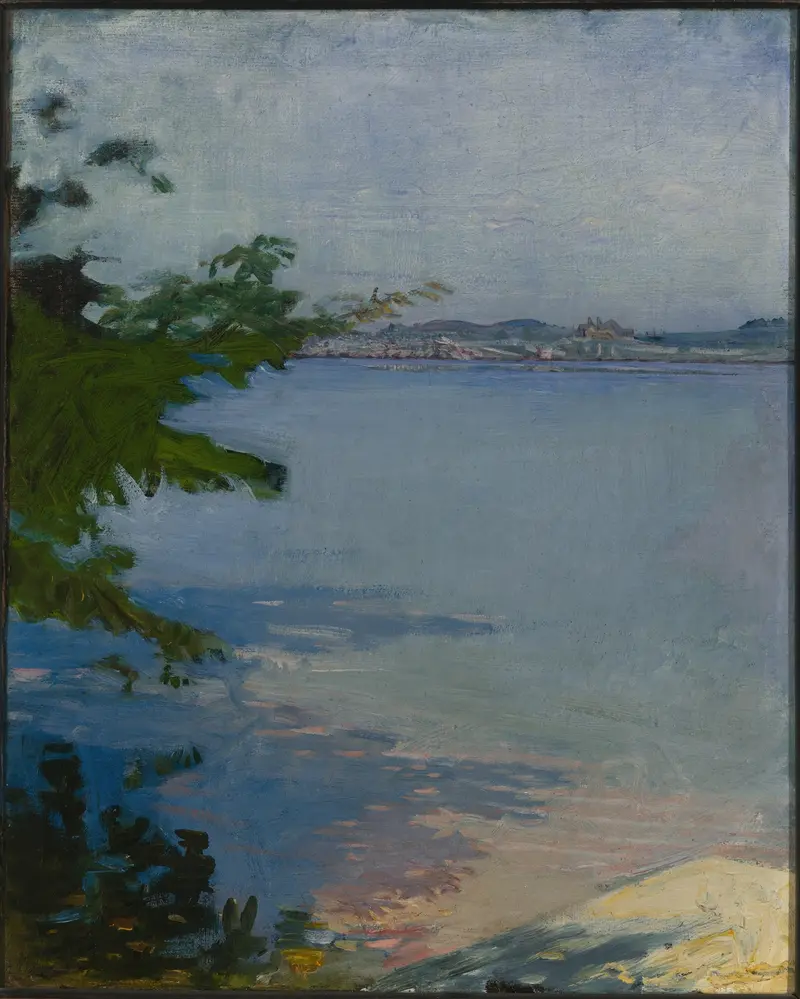
Dublin Pond, New Hampshire
Abbott Handerson Thayer
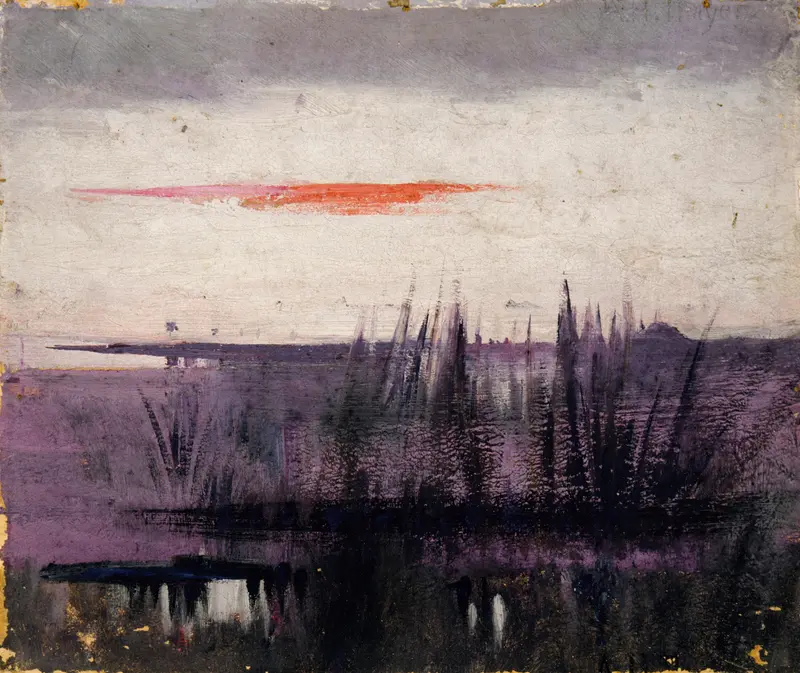
The Sky Simulated By White Flamingoes Study For Book, Concealing Coloration In The Animal Kingdom
Abbott Handerson Thayer
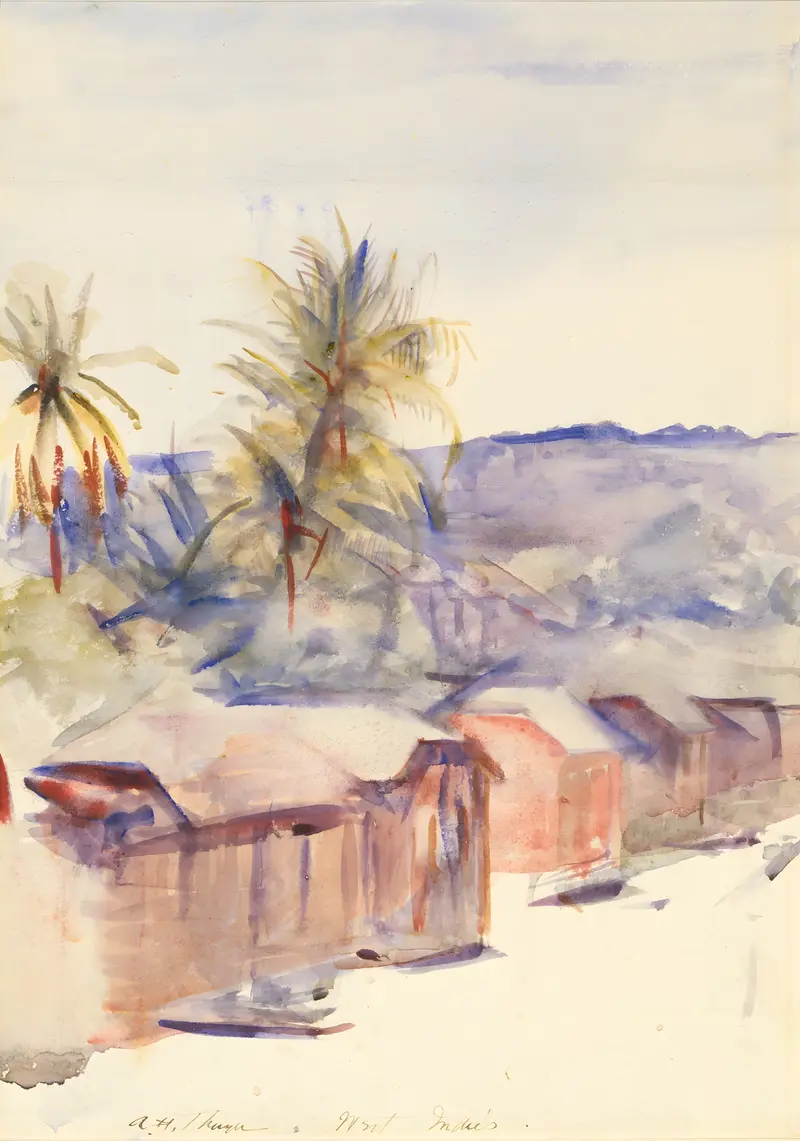
Village Street, Dominica
Abbott Handerson Thayer





