
My Children (Mary, Gerald, and Gladys Thayer) — History & Facts
What first catches the eye is the almost spectral glow of the central figure, wrapped in white and haloed by a dark mass of foliage, her gaze steady and unblinking. The composition draws you in with its theatrical arrangement: three children, two in shadowy brown and gold, one luminous and still, stand in a shallow, ambiguous space. The painter’s brushwork is restless around the edges, but tightens at the faces and hands, guiding your attention to the intense, almost solemn mood.
The children’s gestures—one holding a leafy branch, the other’s hand raised as if to part the darkness—suggest a ritual or tableau, their expressions caught between childhood and something older. The light, cool and unnatural, isolates the figures from the world behind them, heightening the sense of mystery. Painted around 1897, this work belongs to a moment when American artists were reimagining portraiture, blending realism with symbolism and the spiritual. In the late nineteenth century, portraits of children were often intimate family commissions, but artists like Abbott Handerson Thayer brought a searching, almost visionary quality to the genre.
Thayer, known for his fascination with nature and purity, often painted his own children, casting them as angels or mythic presences. The era was marked by a longing for innocence and the natural world, even as modern life pressed in. This painting, now preserved in the digital collection of the Google Cultural Institute, stands as a testament to that brief, searching moment—inviting us to look again at the faces, the hands, the hush between them.
More Artworks by Abbott Handerson Thayer
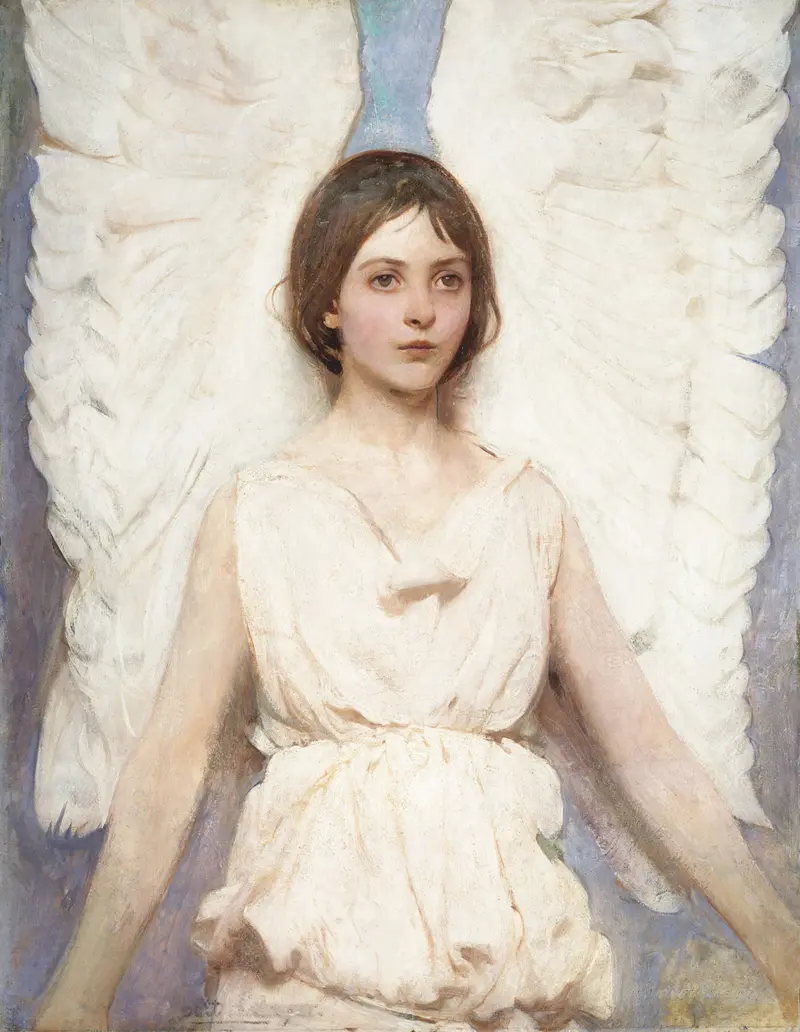
Angel
Abbott Handerson Thayer

Mount Monadnock
Abbott Handerson Thayer
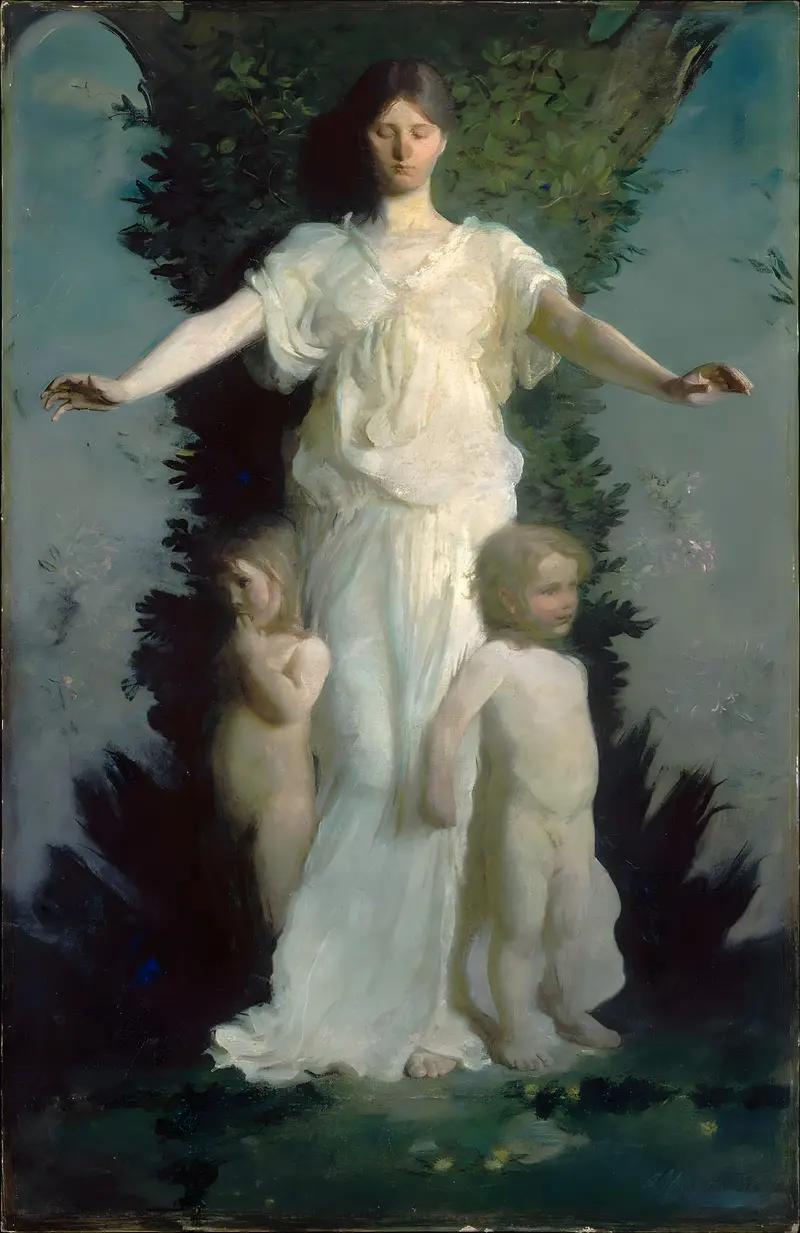
Caritas
Abbott Handerson Thayer

Winter, Monadnock
Abbott Handerson Thayer
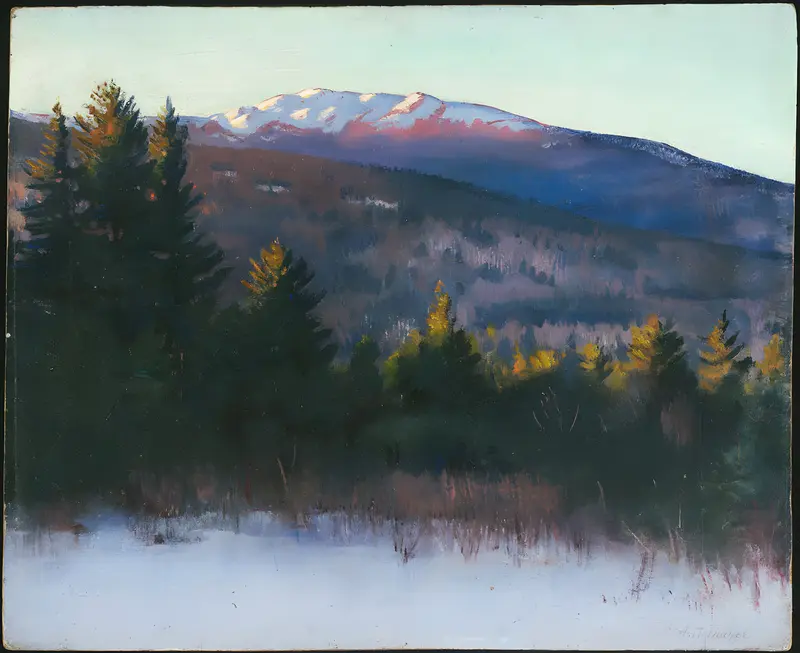
Mount Monadnock
Abbott Handerson Thayer
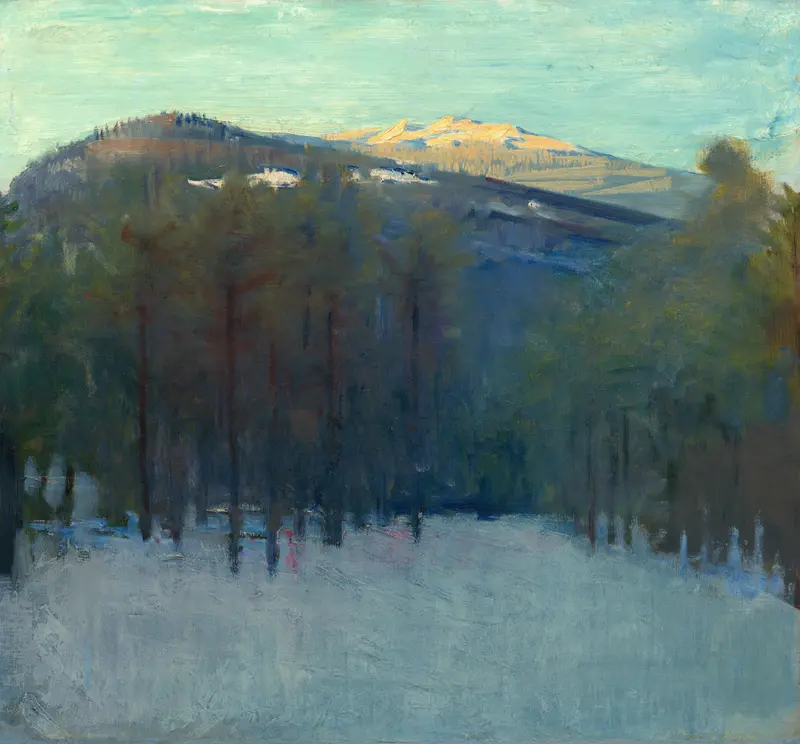
Mount Monadnock
Abbott Handerson Thayer
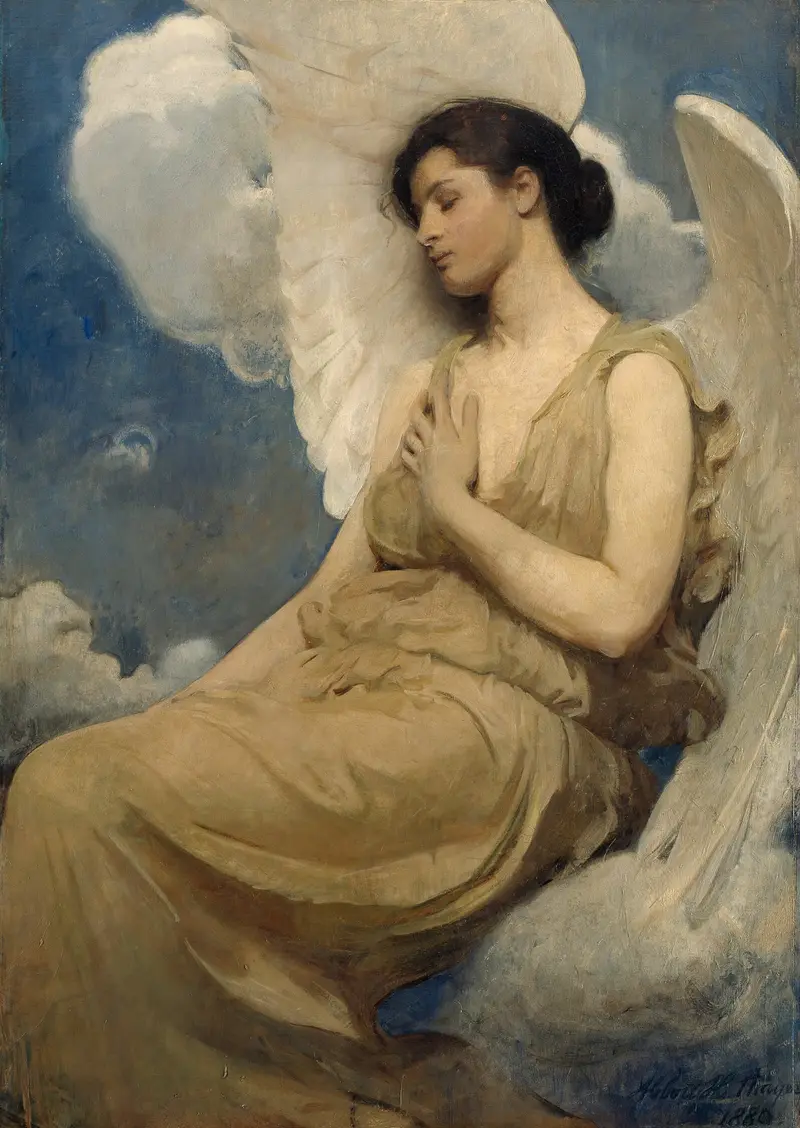
Winged Figure
Abbott Handerson Thayer
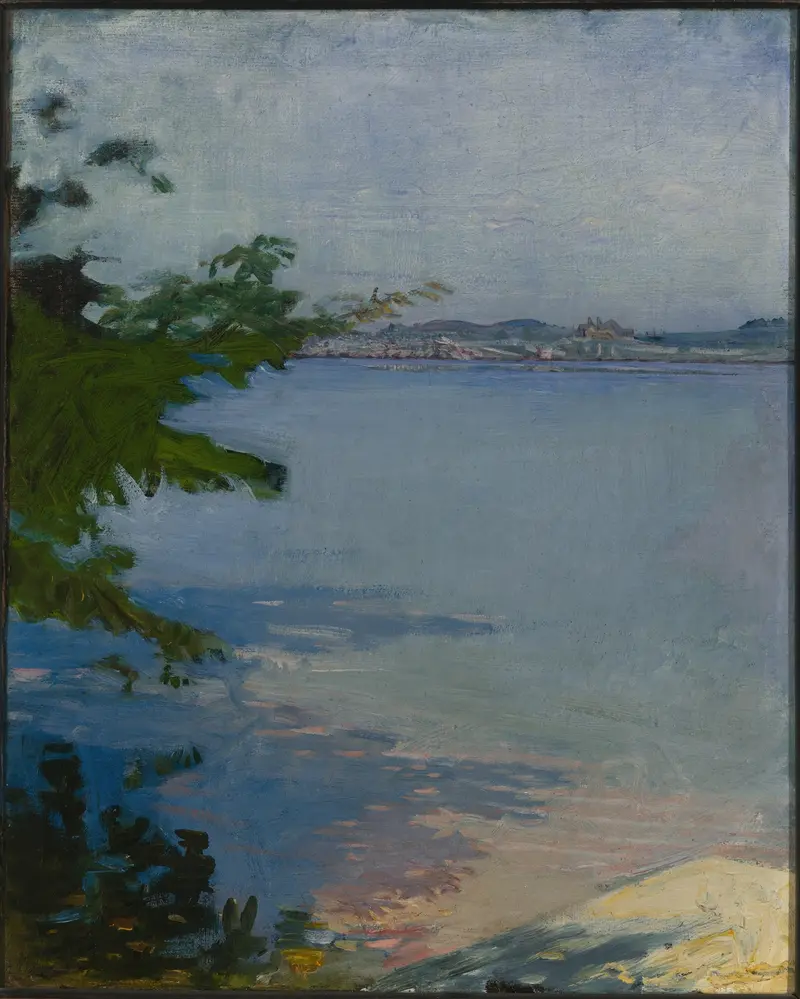
Dublin Pond, New Hampshire
Abbott Handerson Thayer
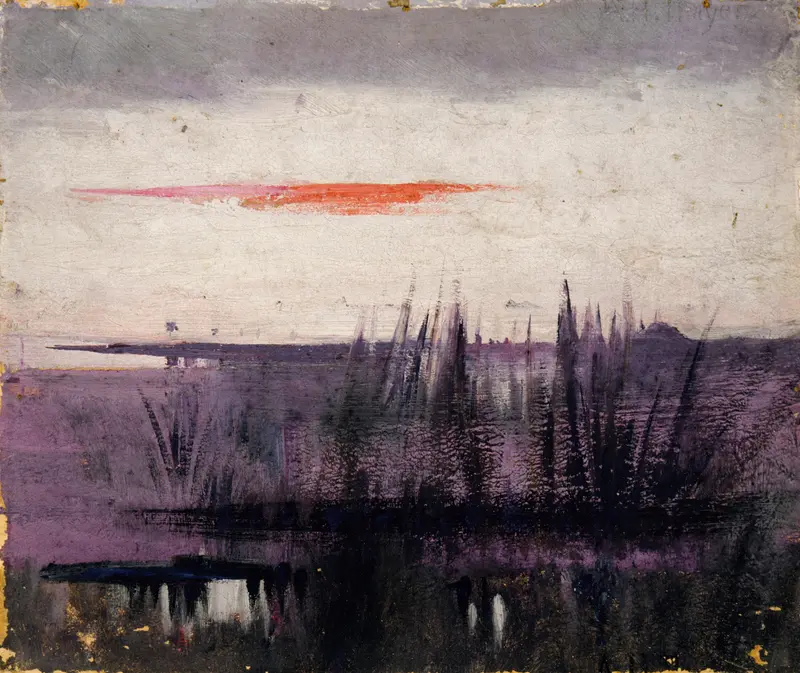
The Sky Simulated By White Flamingoes Study For Book, Concealing Coloration In The Animal Kingdom
Abbott Handerson Thayer
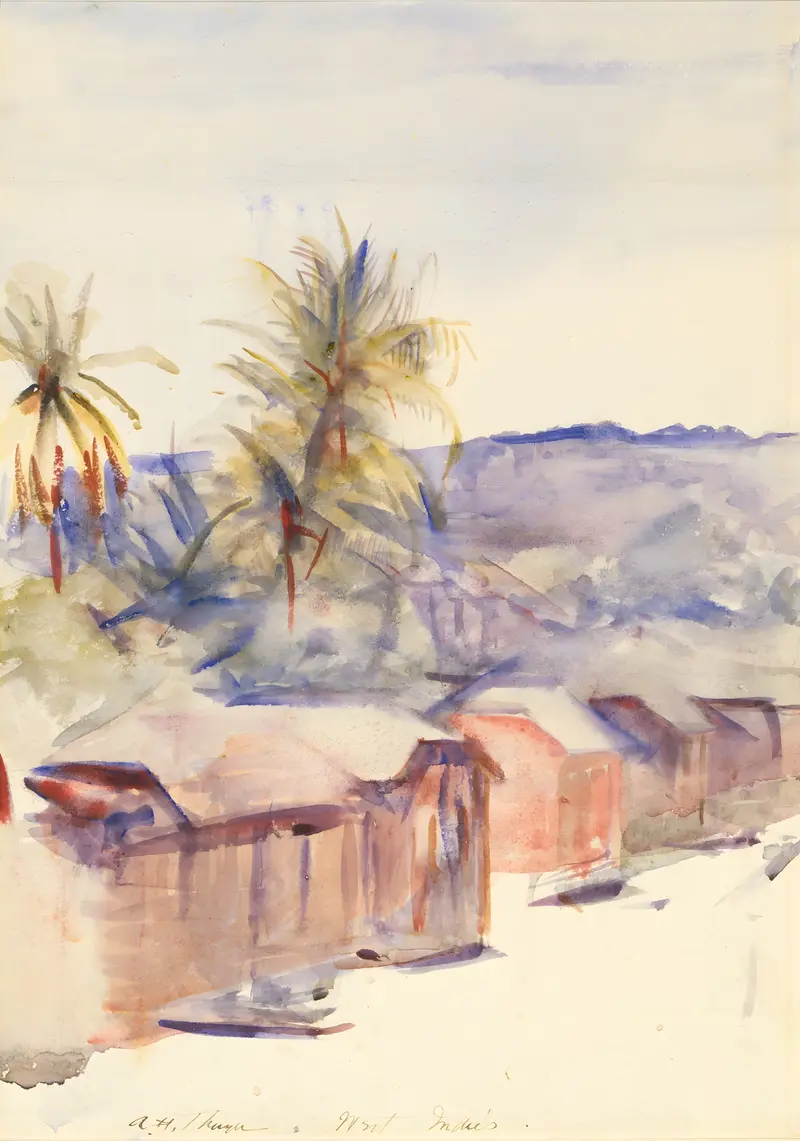
Village Street, Dominica
Abbott Handerson Thayer





