
Mytilène (Lesbos) — History & Facts
In the vibrant strokes of Marquet, the past intertwines with the present, revealing narratives often silenced by history. Look closely at the canvas, where the azure waters of Mytilène embrace the shoreline. Observe how the sunlight dances upon the waves, creating a shimmering tapestry of blue and gold. The horizon, painted with tender pastels, draws the eye toward distant hills, hinting at a world beyond.
The rough texture of the brushwork suggests the tumultuous nature of life, while the calm surface belies a deeper undercurrent of unrest. Yet, beneath this serene beauty lies a tension of contrasts. The juxtaposition of light and shadow evokes a sense of nostalgia tinged with violence, a reminder of the struggles faced by those who inhabited this landscape. The gentle waves might conceal the tumult of human experience, reflecting a collective memory of upheaval and resilience.
Each stroke captures the essence of a place grappling with its history, as if the land itself bears witness to the sorrows of its people. In 1933, Albert Marquet painted this work while living in Paris, a time when Europe was on the brink of great political and social change. The rise of totalitarian regimes and the shadows of World War I loomed large, influencing artists to seek meaning and solace within their creations. Marquet, known for his exploration of color and light, responded to these tumultuous times by channeling his emotions into landscapes that evoke both beauty and an unspoken pain, imbuing his work with profound significance.
More Artworks by Albert Marquet
Browse all →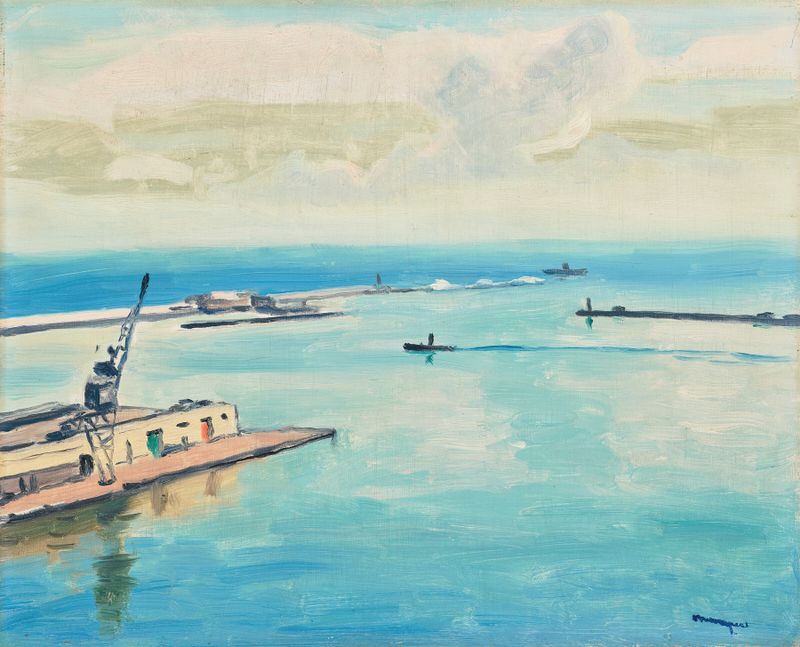
Le Port d’Alger
Albert Marquet
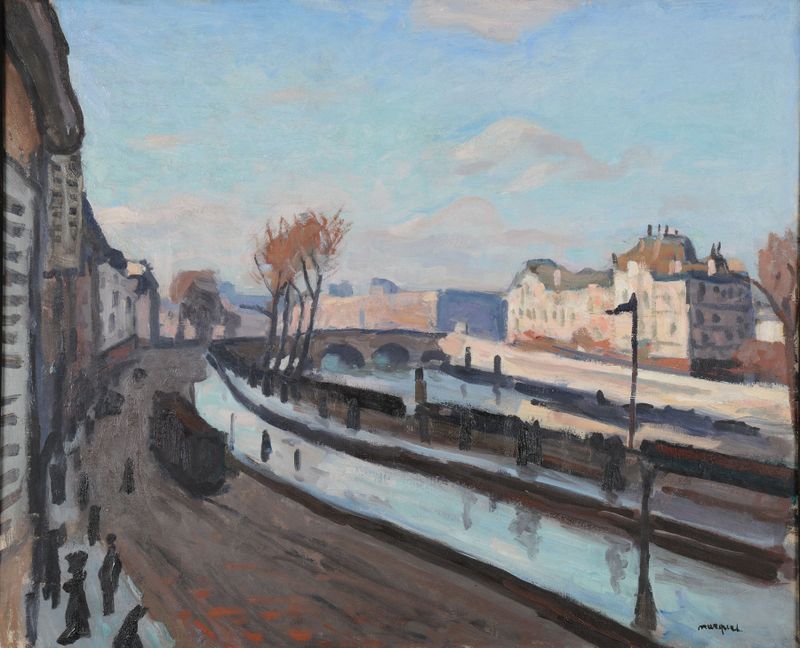
Le quai des Grands Augustins
Albert Marquet
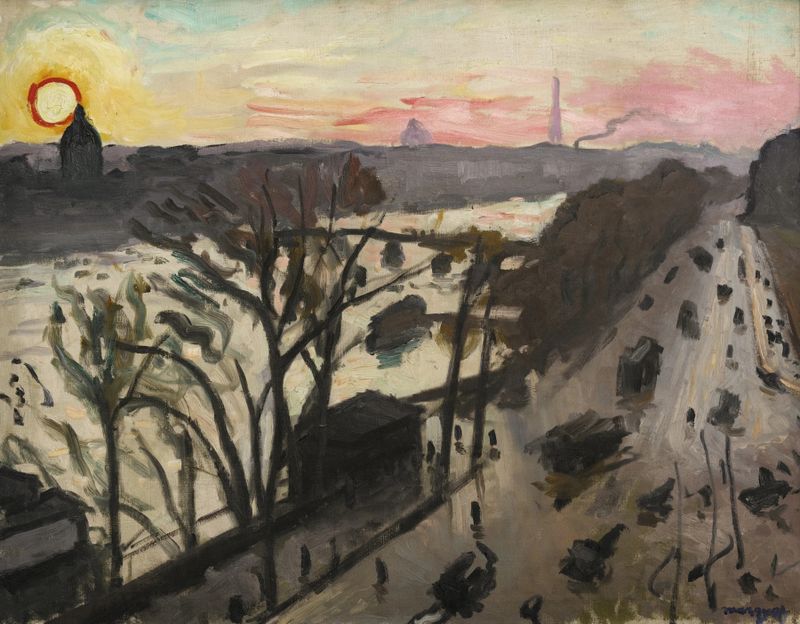
Paris, quai du Louvre, soleil d’hiver
Albert Marquet
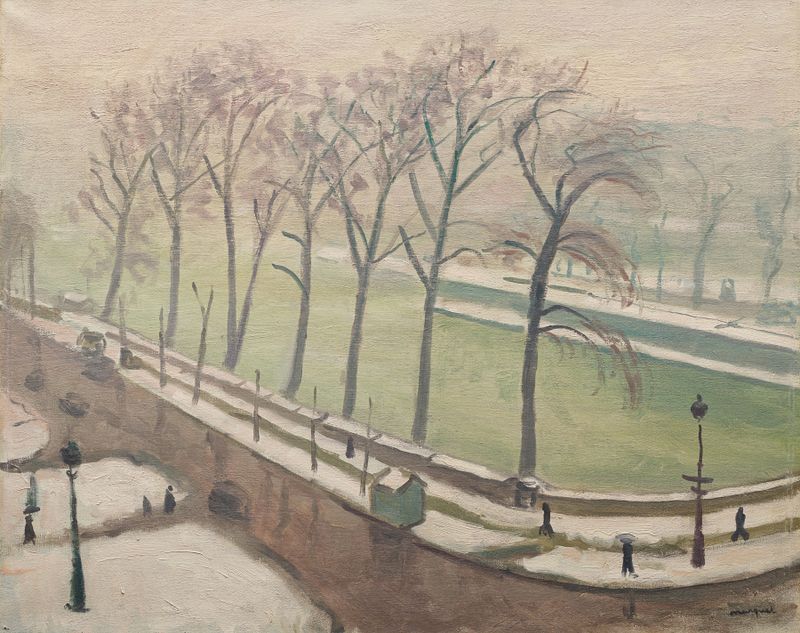
Pont-Neuf sous la neige
Albert Marquet
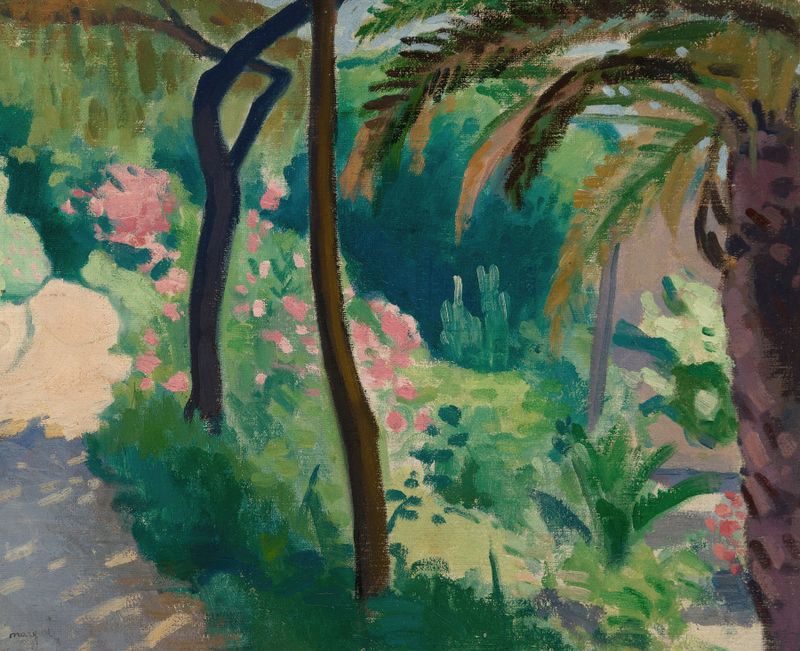
Le jardin à l’Estaque
Albert Marquet
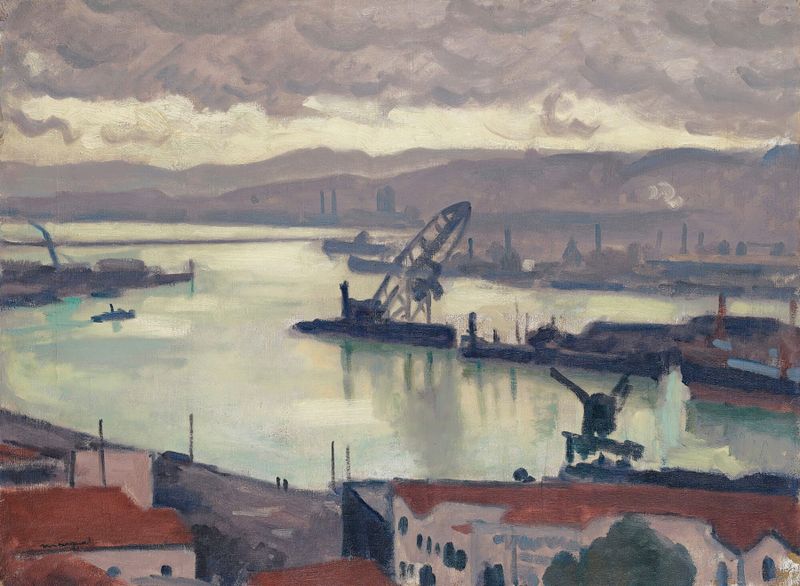
Alger, Temps Gris
Albert Marquet
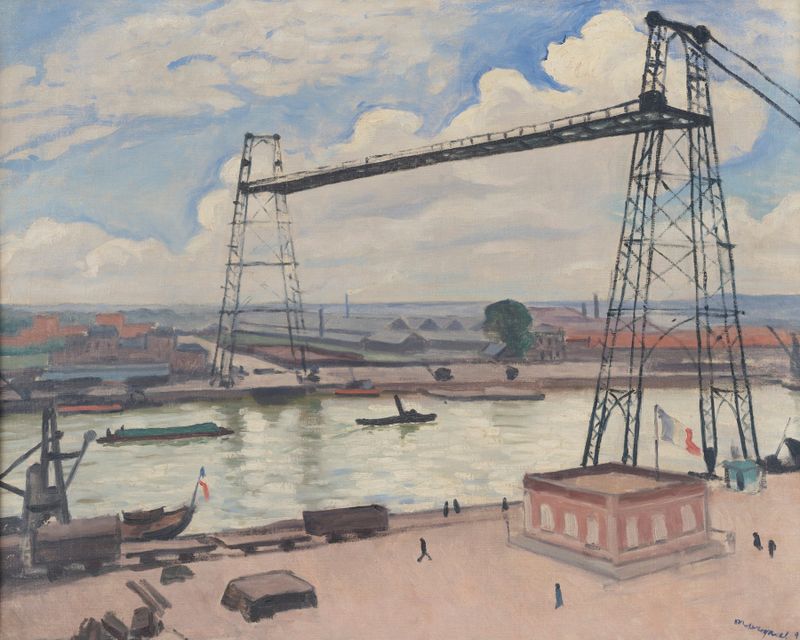
Rouen, le pont transbordeur
Albert Marquet
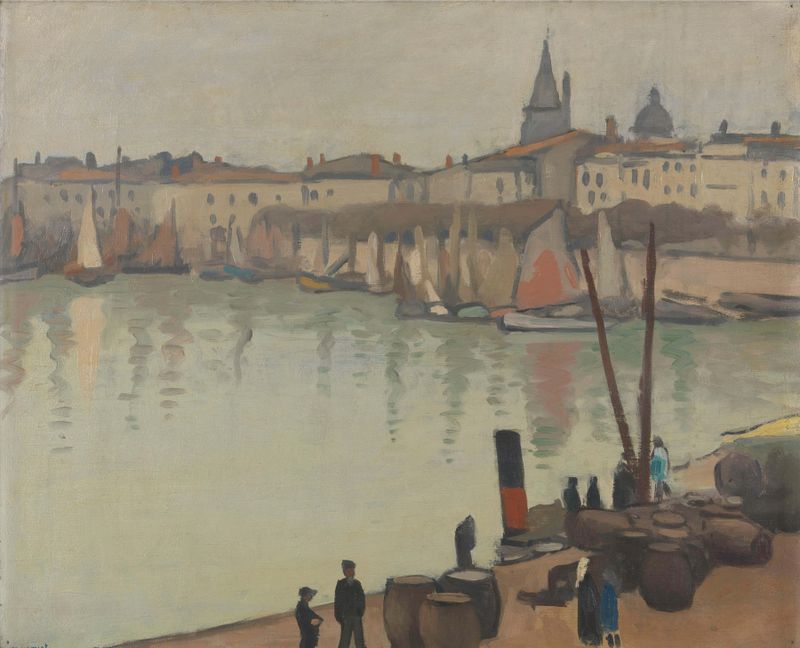
Port of La Rochelle
Albert Marquet

Berge de la Seine à Méricourt
Albert Marquet
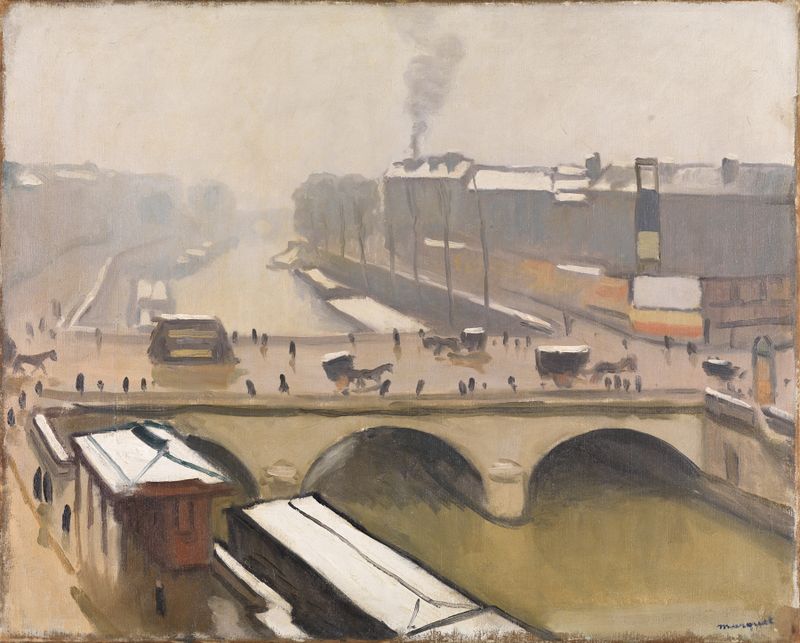
View of the Pont Saint-Michel in Paris
Albert Marquet





