
Na het tweegevecht — History & Facts
In Na het tweegevecht, August von Pettenkofen captures a tense moment following a duel. The painting features two central figures, one of whom is wounded and slumped against a wall. The colors are rich, with deep reds and browns dominating the scene, creating a dramatic atmosphere.
The background suggests an urban setting, with hints of architecture that ground the action in a specific place and time. The painting is executed in oil on canvas, a medium that allows for vibrant colors and detailed textures. Viewers can notice the careful brushwork that defines the figures and their expressions, conveying a sense of urgency and emotion. The composition is dynamic, drawing the eye towards the wounded figure while the other stands in a posture of shock.
The use of light and shadow enhances the dramatic effect, highlighting the gravity of the situation. August von Pettenkofen was known for his depictions of historical and genre scenes, often focusing on moments of conflict. This painting, created in the late 19th century, reflects the artist's interest in the human condition and the consequences of violence. An interesting fact about this work is that it exemplifies the Realism movement, showcasing the raw emotions and realities of life rather than idealized portrayals.
The painting invites viewers to reflect on the impact of dueling culture in society.
More Artworks by August von Pettenkofen

Der Kuss I
August von Pettenkofen
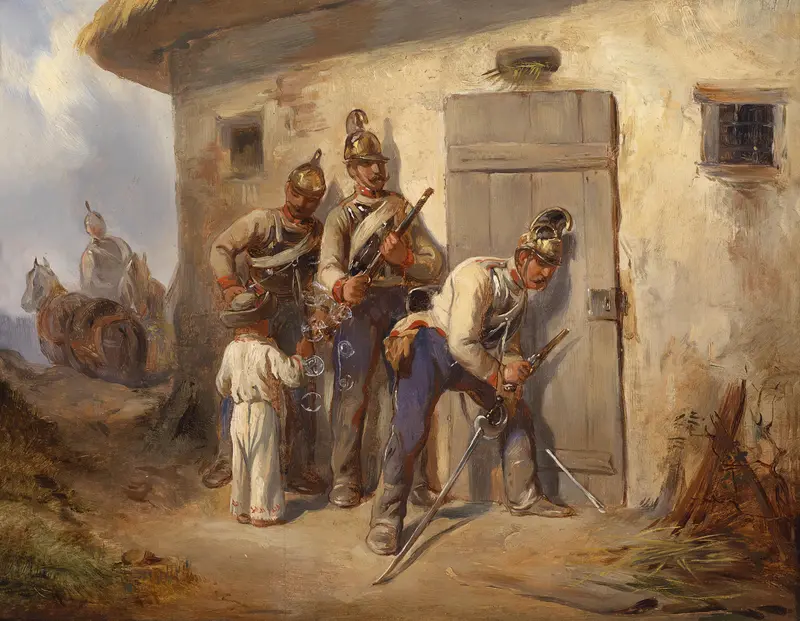
Österreichische Dragoner
August von Pettenkofen
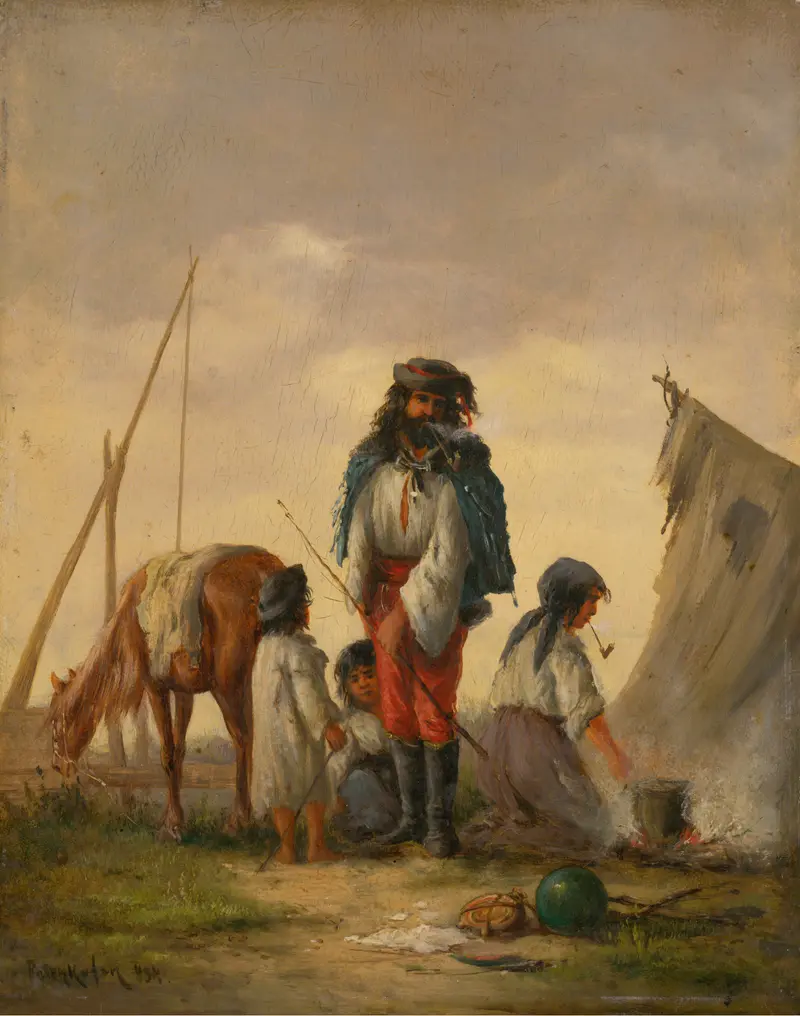
Gypsy Family
August von Pettenkofen
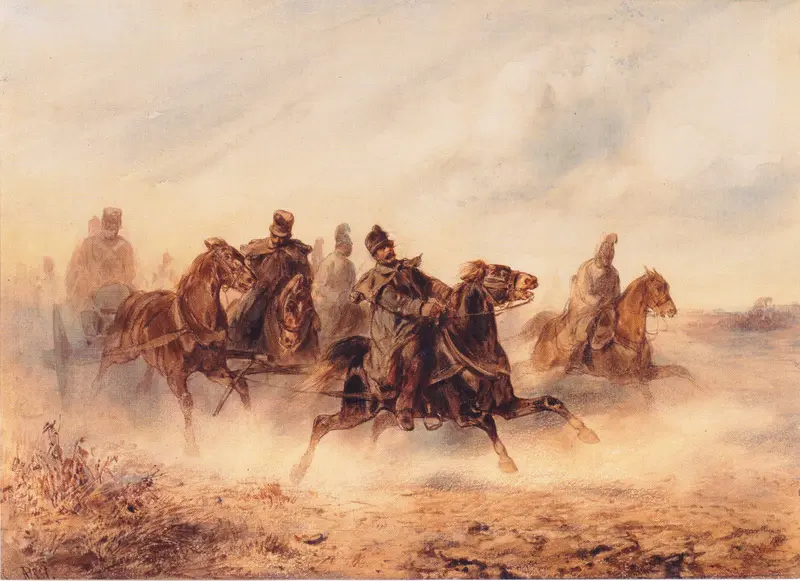
Reiterszene aus dem ungarischen Feldzug
August von Pettenkofen
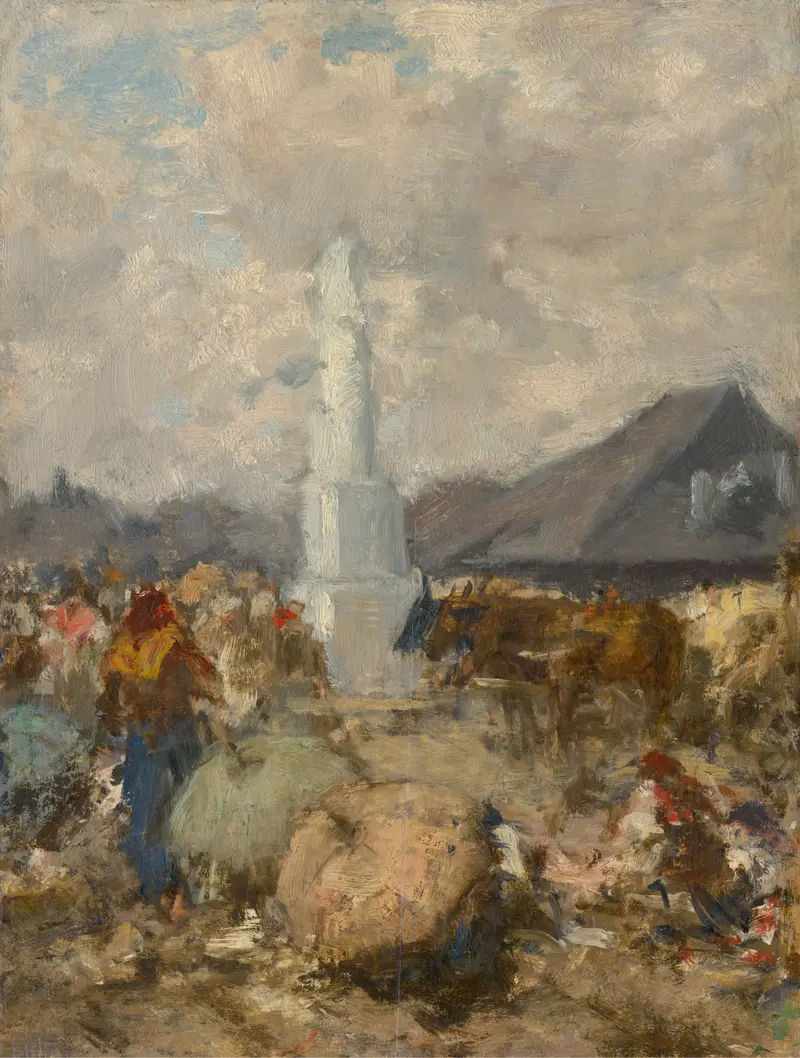
At the Market near the Holy Trinity Column in Szolnok
August von Pettenkofen
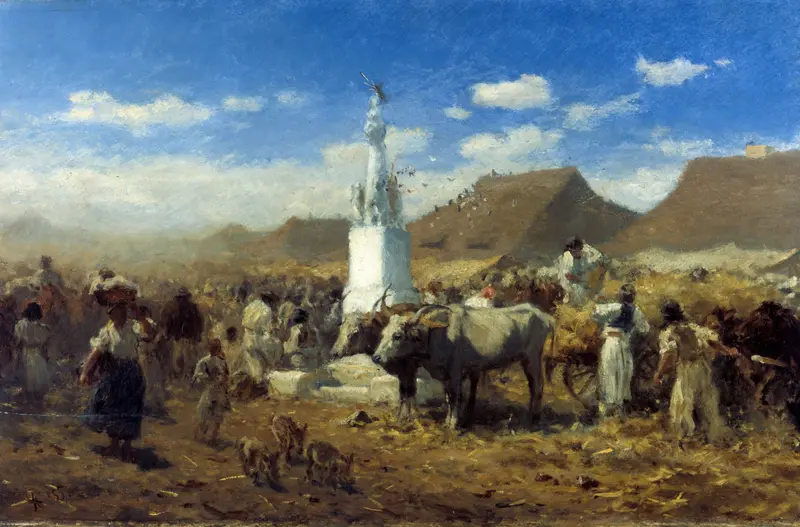
Fair in Szolnok (Market Day)
August von Pettenkofen
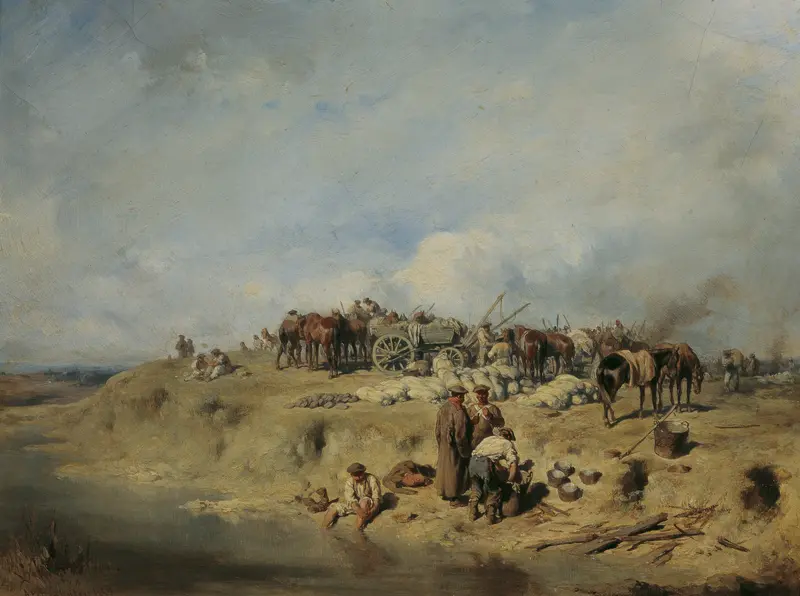
Biwak russischer Soldaten
August von Pettenkofen
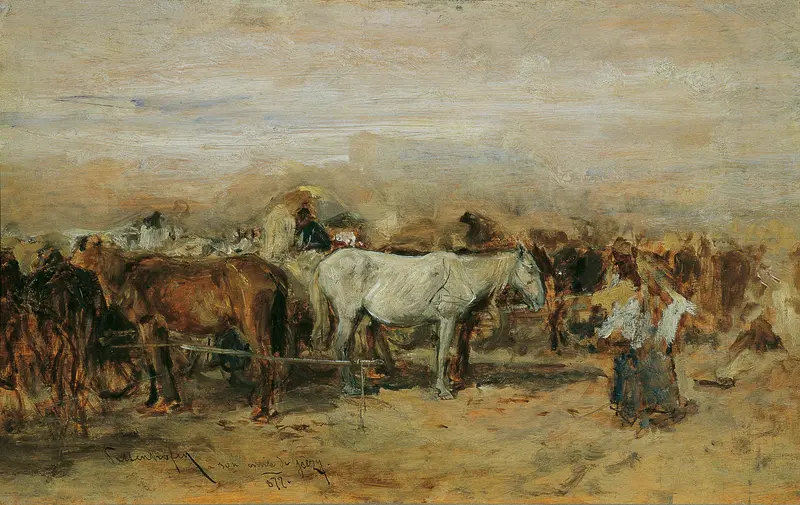
Pferdemarkt in Szolnok II
August von Pettenkofen
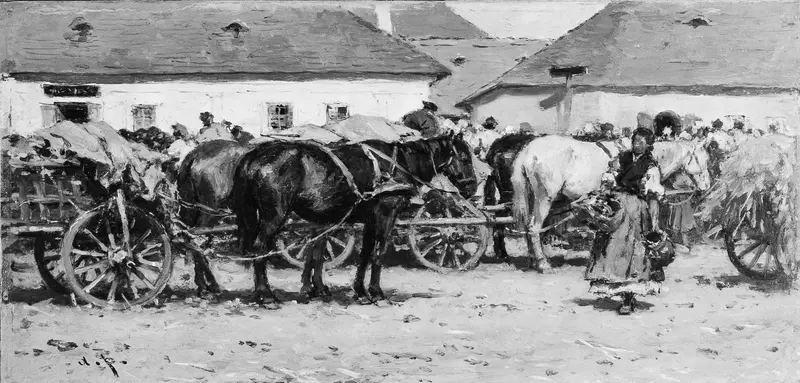
Market Scene
August von Pettenkofen
Ungarischer Markt
August von Pettenkofen





