
Na prechádzke — History & Facts
Could a single brushstroke hold eternity? As the layers of paint intertwine, a deep, abiding obsession with beauty emerges, offering a glimpse into the artist’s soul. Look closely, and you’ll first notice the interplay of verdant greens and soft earth tones that envelop the canvas. The gentle curves of the figures draw your gaze toward the couple in the center, their intimate posture suggesting a world shared between them. Notice how the light seeps through the foliage above, dappling the scene and casting a warm glow that bathes them in a serene embrace.
The delicate application of paint creates textures that invite touch, revealing Mousson's mastery in capturing the ephemeral beauty of a fleeting moment. Within this idyllic stroll lies a tension between freedom and constraint. The couple is encased in a natural sanctuary, yet their expressions tell a story of yearning and unfulfilled desires, hinting at a deeper relationship that transcends the mere act of walking. The surrounding flora blooms in abundance, symbolizing vitality, while the subdued colors of their clothing suggest a lingering melancholy.
These contrasts evoke a poignant exploration of love that is both present and distant, an obsession held captive in time. Jozef Teodor Mousson painted Na prechádzke between 1914 and 1918, during a period marked by world upheaval and personal struggle. Living in the shadow of World War I, the artist sought solace in nature and human connection, capturing fleeting moments when life felt rich and full amidst chaos. This painting reflects not only his artistic evolution but also the collective yearning for peace and intimacy during turbulent times in Europe.
More Artworks by Jozef Teodor Mousson
Browse all →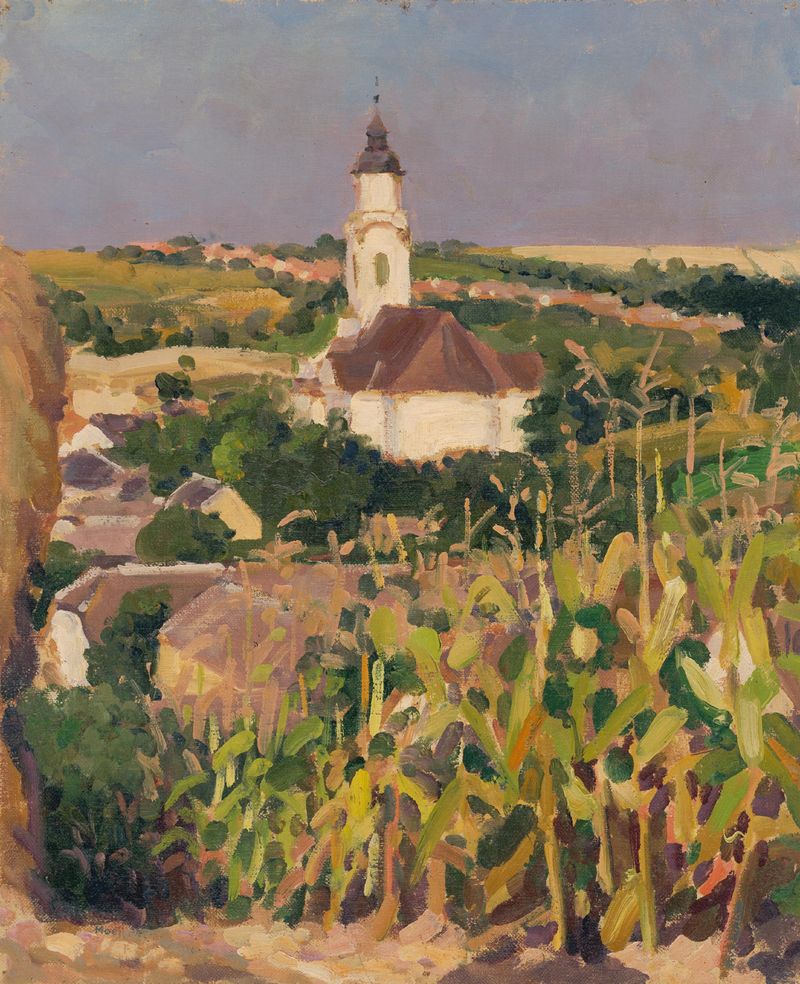
Eastern Slovakia Village
Jozef Teodor Mousson
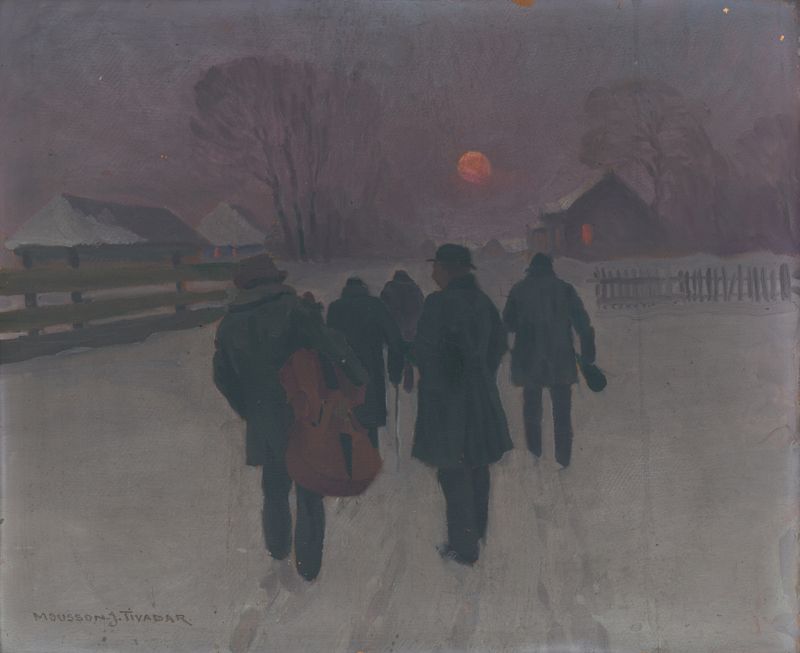
Musicians Returning in the Early Morning through Snowed Landscape
Jozef Teodor Mousson

Na pobreží
Jozef Teodor Mousson

V zime na dedine
Jozef Teodor Mousson

Trh v Michalovciach II.
Jozef Teodor Mousson
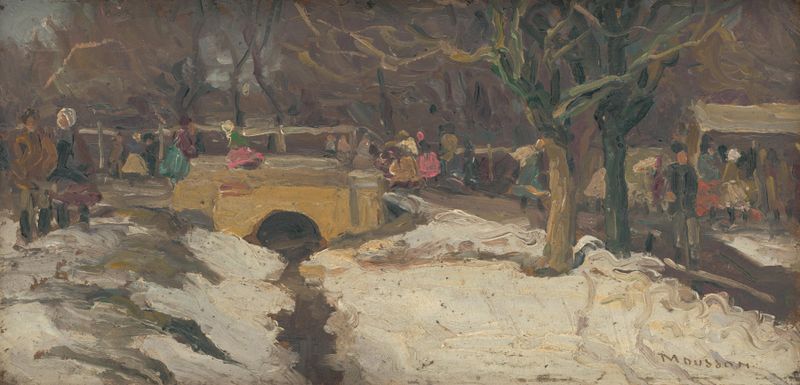
Market
Jozef Teodor Mousson
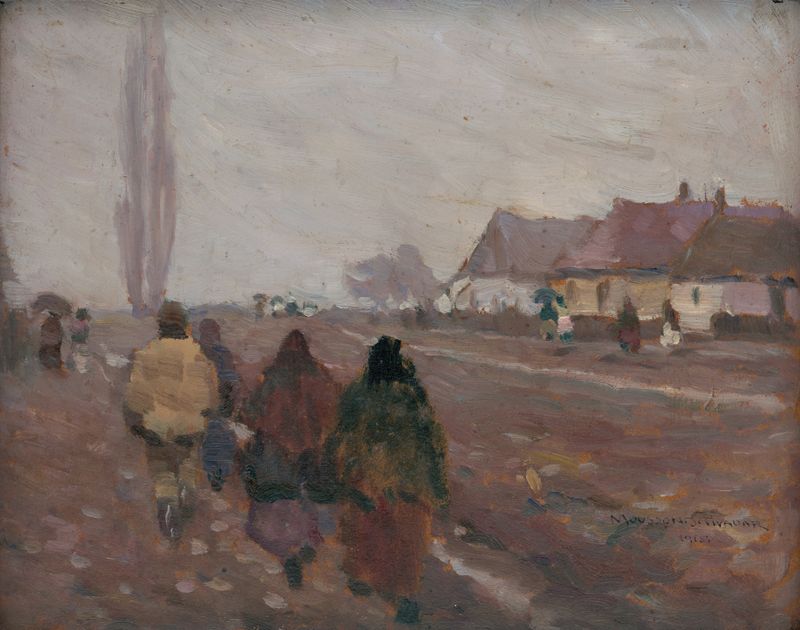
On the Road from the Michalovice Market
Jozef Teodor Mousson

Potato Digging
Jozef Teodor Mousson

Na dedine
Jozef Teodor Mousson
Potato picking
Jozef Teodor Mousson





