Nach oben — History & Facts
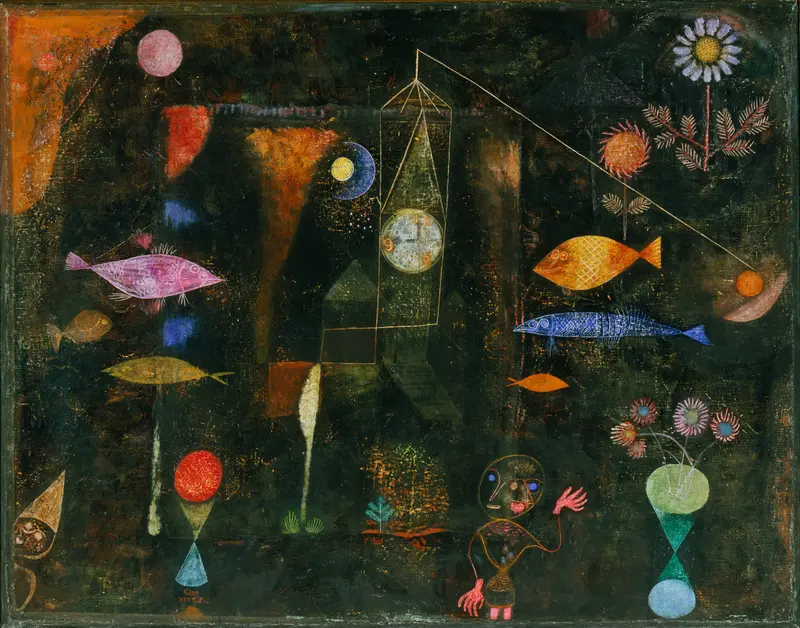
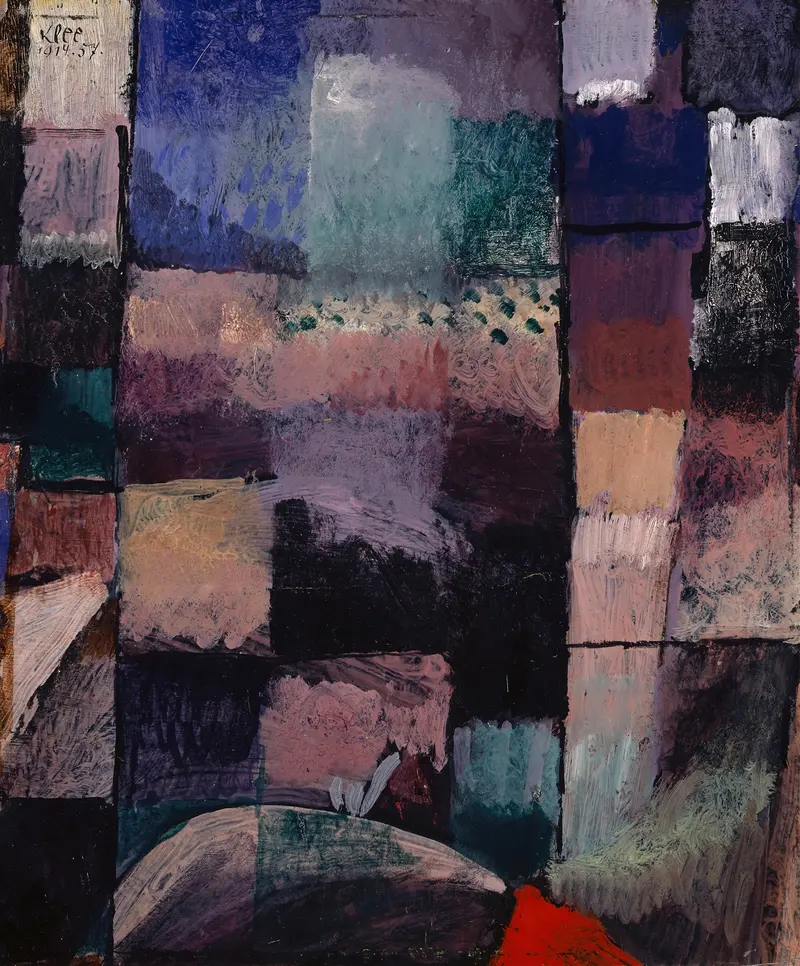
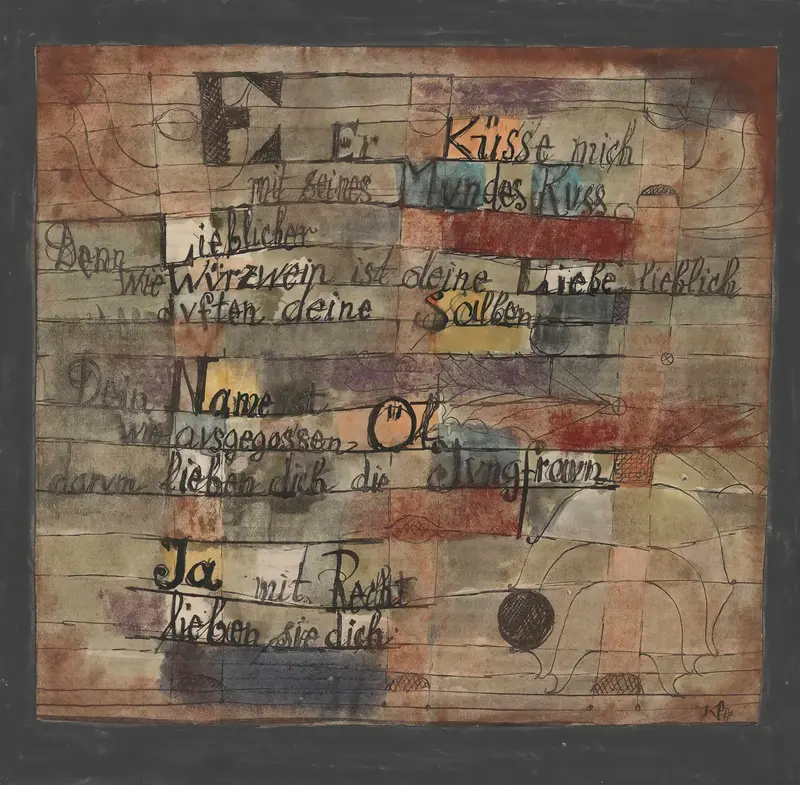
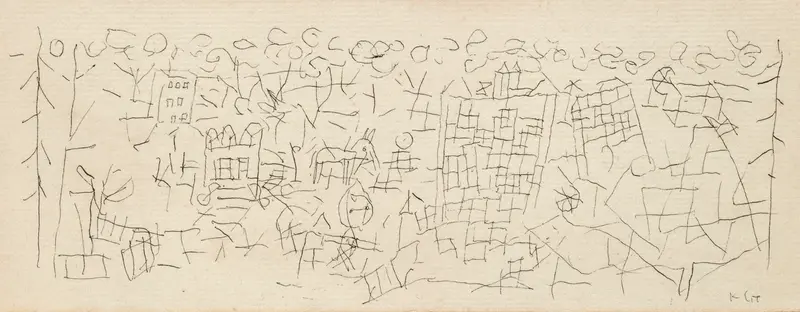
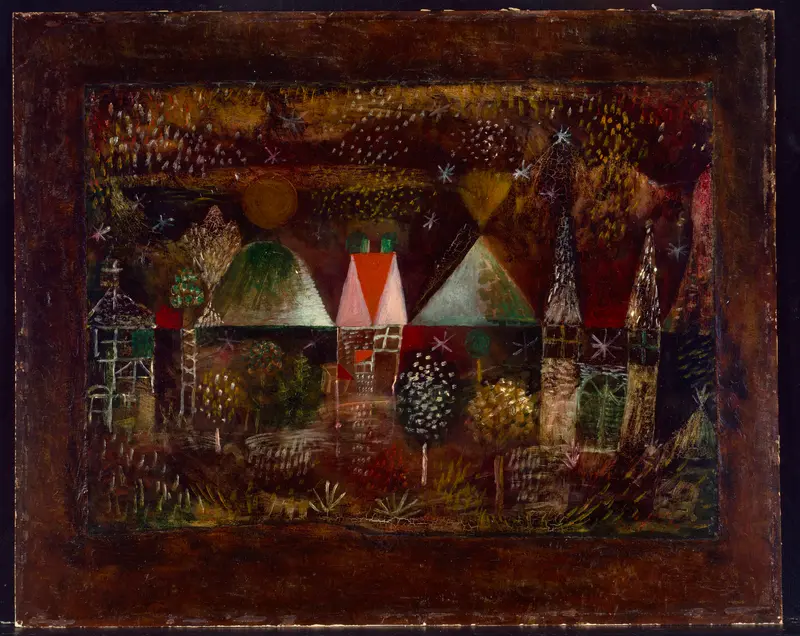
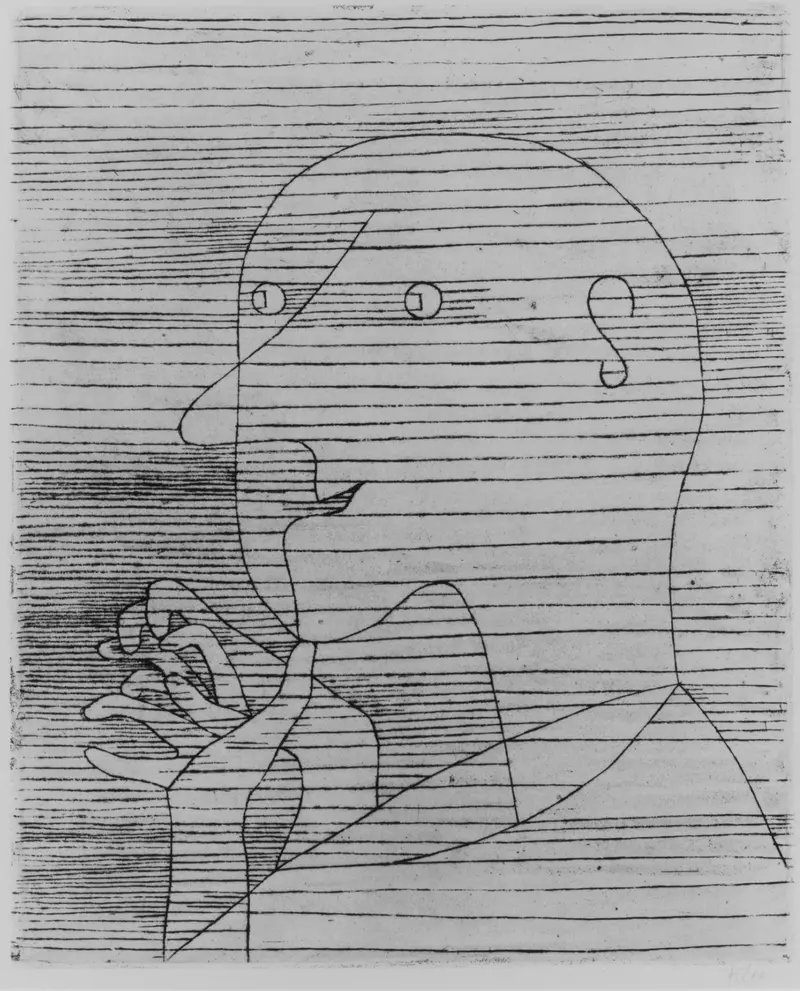
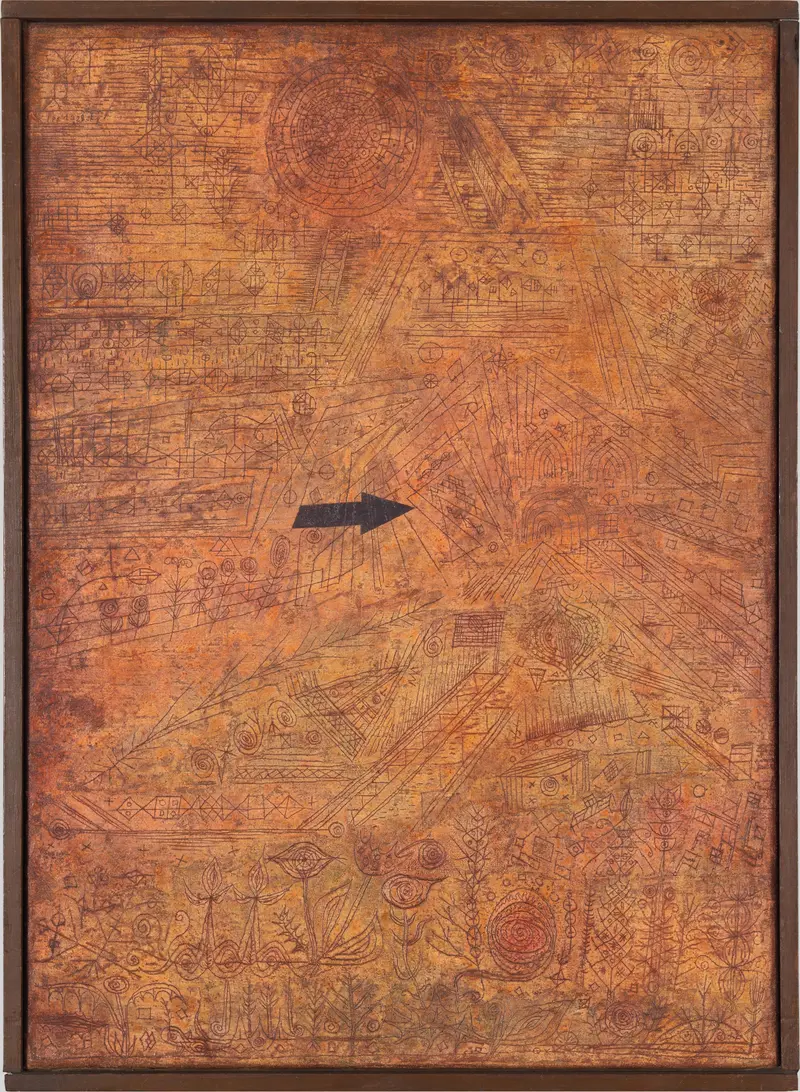
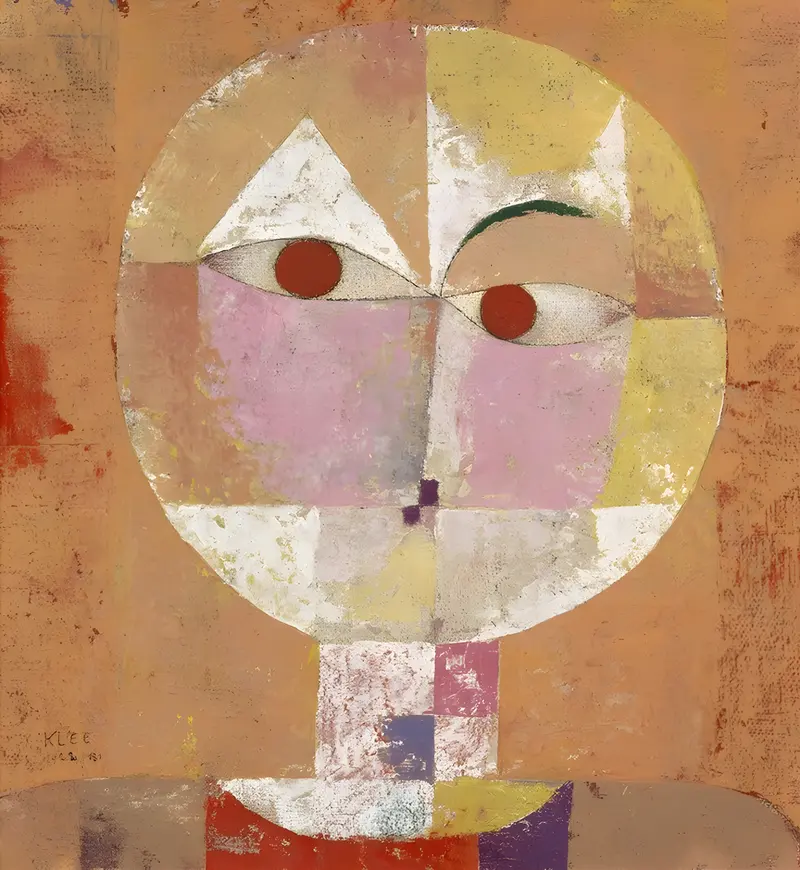
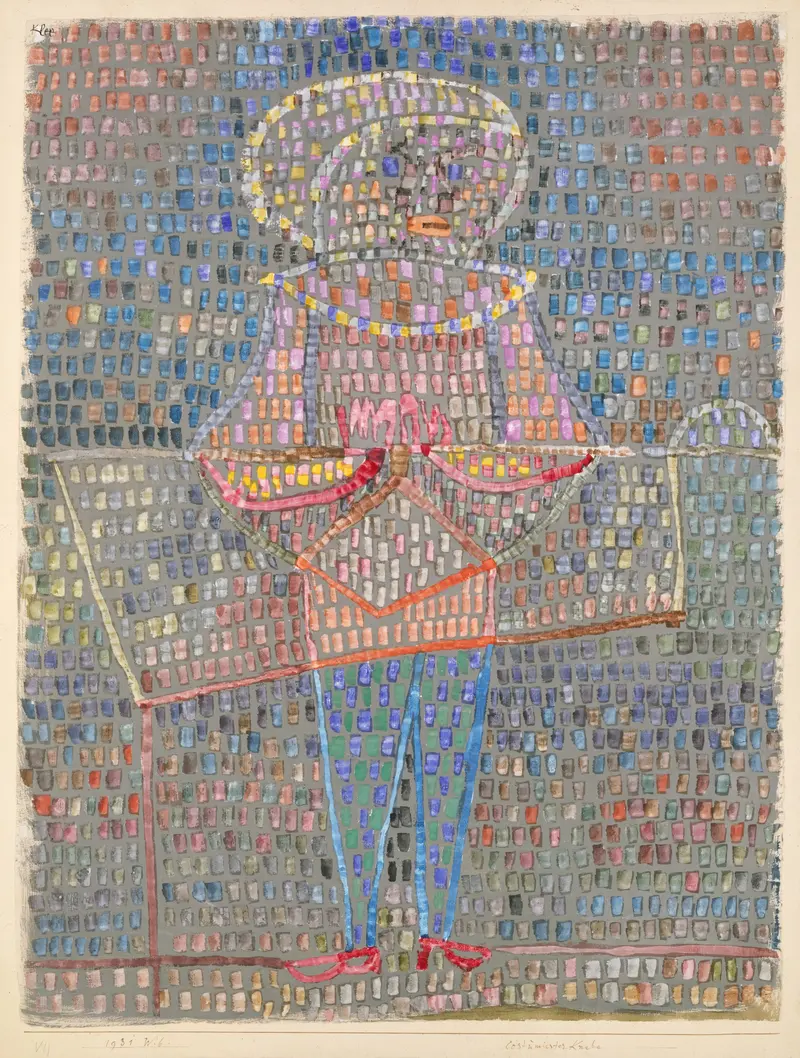
'Nach oben' by Paul Klee features a vibrant palette dominated by blues, yellows, and reds. The composition is abstract, with swirling shapes and forms that seem to rise upward. This upward movement is emphasized by the dynamic lines and curves throughout the painting.
The overall effect is one of energy and motion, inviting the viewer to explore its depths. The painting is executed in oil on canvas, showcasing Klee's characteristic use of color and form. The approximate dimensions are 60 x 80 cm, making it a medium-sized work that can easily engage viewers. Klee's technique often involves layering colors to create depth and texture, which is evident in this piece.
The abstract nature allows for multiple interpretations, depending on the viewer's perspective. Paul Klee was a Swiss painter associated with the Expressionist movement and known for his unique style that blends abstraction with whimsy. 'Nach oben' reflects Klee's fascination with the interplay of color and form, a hallmark of his work. An interesting fact about this piece is that it embodies Klee's belief in art as a means of expressing the inner emotional world.
His innovative approach continues to influence artists today.