
Near Silver Springs — History & Facts
Who listens when art speaks of silence? The gentle interplay of light in Near Silver Springs invites us to pause, to absorb the whispers of nature that echo through the canvas. Look to the left where the sun spills golden hues across the water's surface, casting shimmering reflections that dance like fleeting memories. Notice how the trees stand tall on the right, their branches reaching out in an embrace, while soft greens and browns create a harmonious palette that evokes tranquility. The delicate brushwork breathes life into every leaf and ripple, allowing the viewer to feel the warmth caressing the landscape, a moment captured in time. Yet beneath this serene facade lies a deeper narrative of solitude.
The stillness of the water suggests both peace and an underlying yearning, as the viewer is drawn into the quiet contemplation of the scene. The contrast between the vibrant light and the shadowy depths hints at the interplay of hope and melancholy—an invitation to reflect on our own connections to nature and one another. Each brushstroke of light illuminates not just the landscape, but also the emotions that reside within it. In 1915, Haskell painted this piece during a time of remarkable change in the art world, as modernism began to take hold.
Living in New York City, he was immersed in an environment rich with innovation and experimentation, yet his works often remained intimate and emotive. This painting reflects both his personal journey and the broader shifts in artistic expression during a pivotal era, capturing nature's quiet yet profound dialogue with humanity.
More Artworks by Ernest Haskell
Browse all →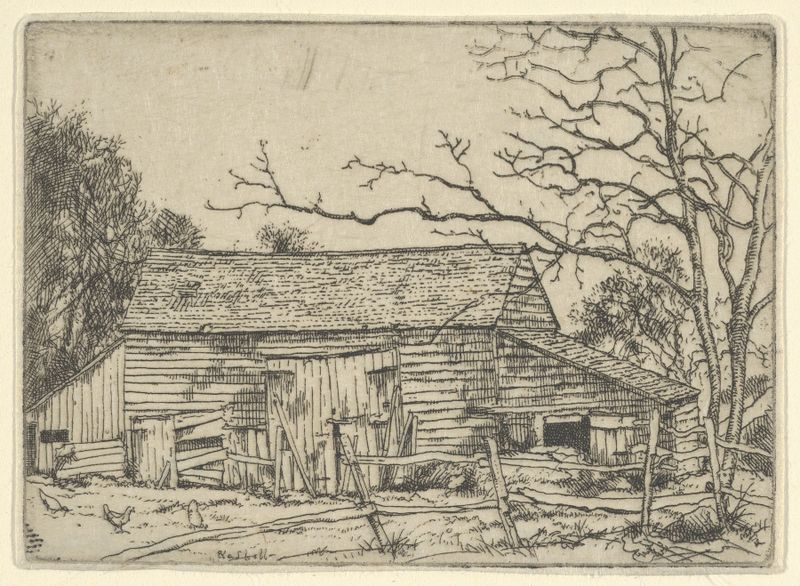
The Barn–Staten Island, N.Y.
Ernest Haskell

Four Live Oaks
Ernest Haskell
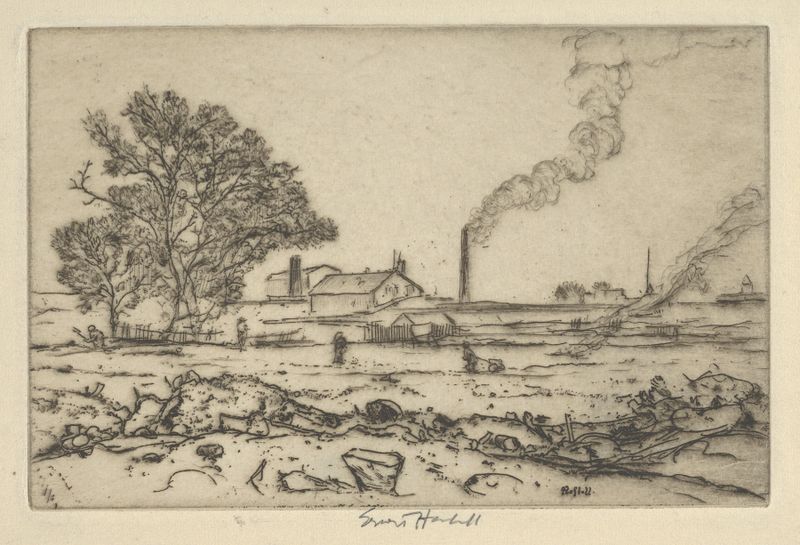
Outskirts of Boston
Ernest Haskell
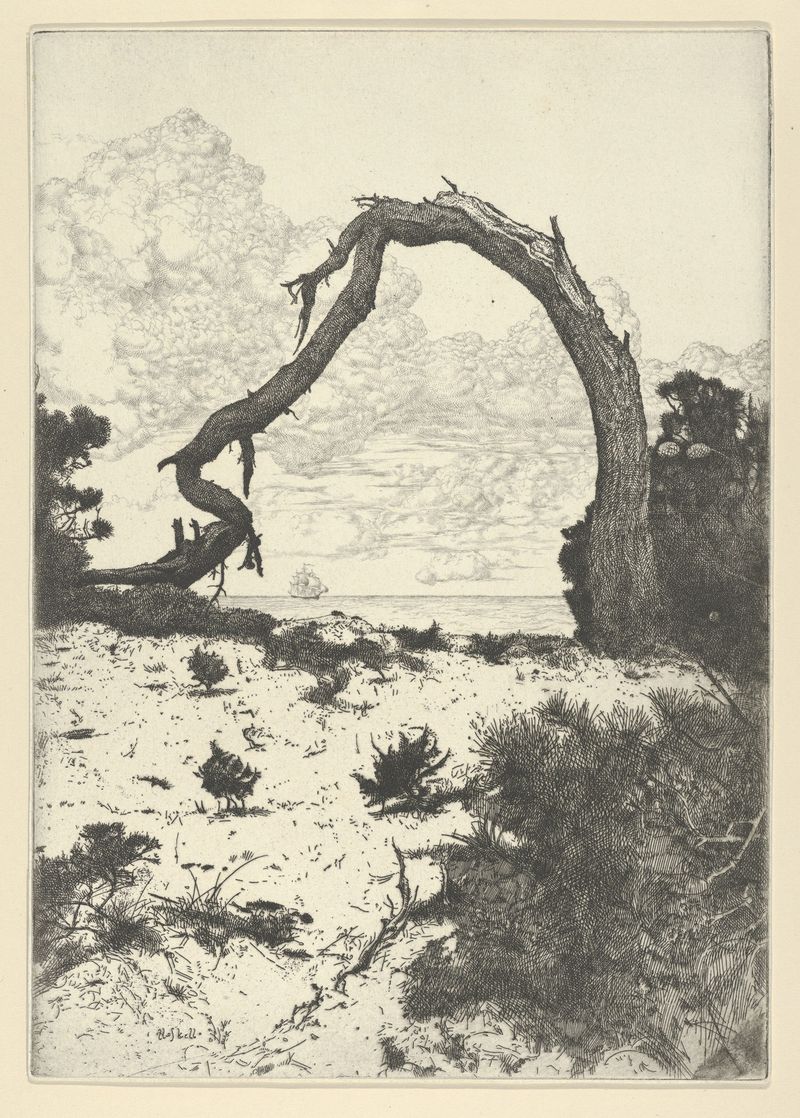
Pine Arch
Ernest Haskell

General Sherman
Ernest Haskell
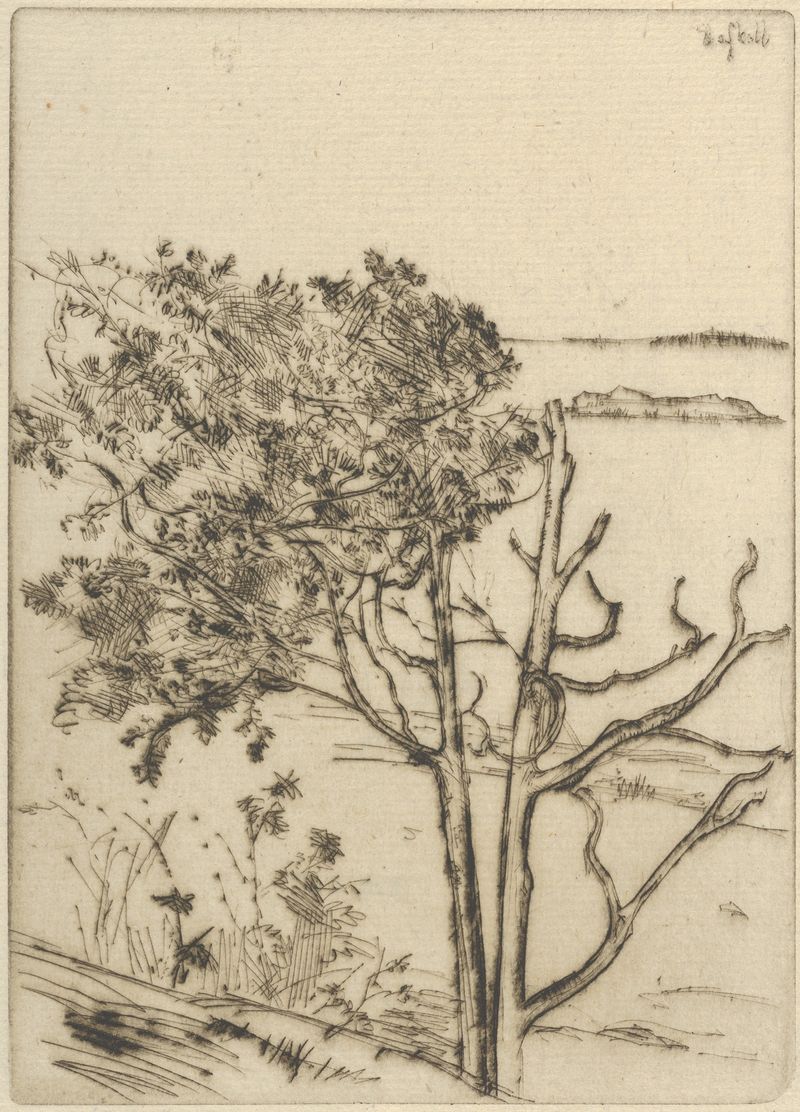
Ragged Tree – Maine
Ernest Haskell

Tide Mill
Ernest Haskell

Ship Building
Ernest Haskell
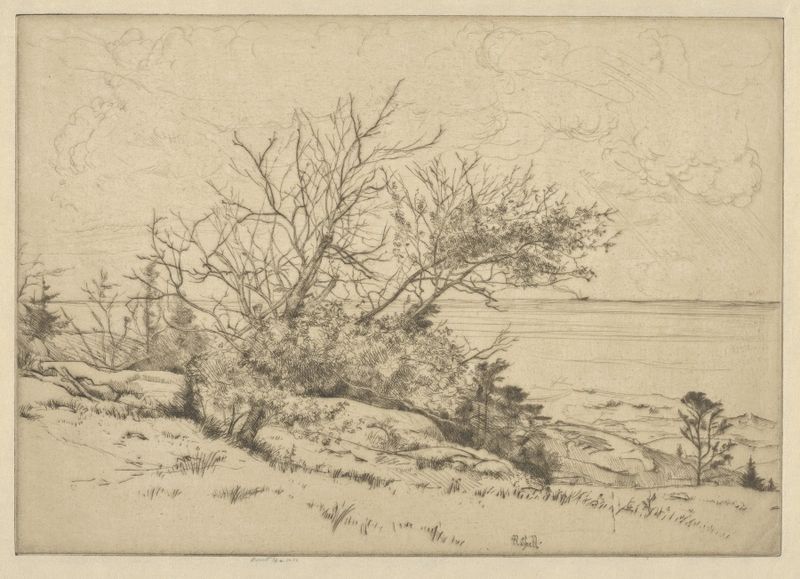
To the Southward – Ragged Island, Me.
Ernest Haskell
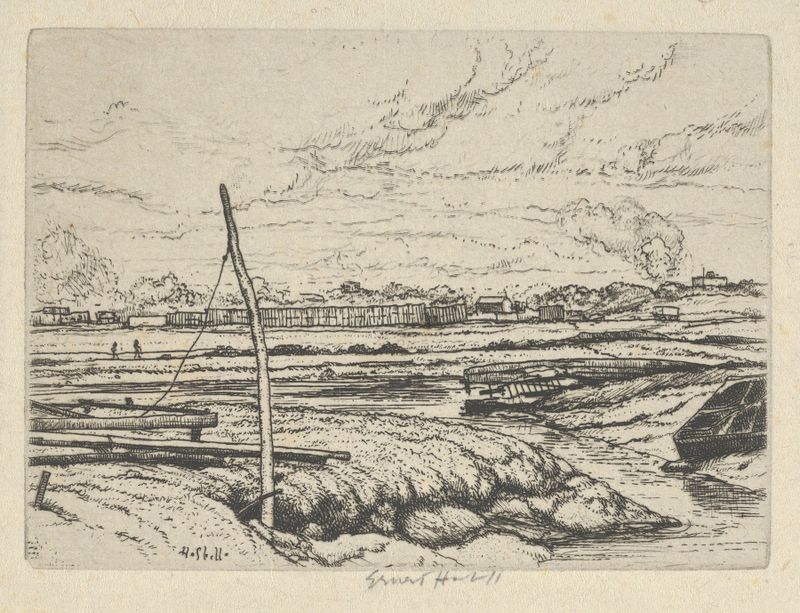
Long Island Marshes
Ernest Haskell





