
Near the Lake — History & Facts
In a world marked by fleeting engagements and unspoken betrayals, how do we remain true to ourselves? The canvas speaks to the heart, a gentle reminder that nature's beauty often reflects our inner complexities. Look closely at the serene waters, where the shimmering reflections dance like whispers between the trees. The brush strokes pulse with life and movement, guiding the viewer’s gaze from the tranquil lake to the vibrant figures that dot the landscape. Notice how the interplay of light creates a soft glow on their skin, enhancing the warmth of the colors while casting subtle shadows that hint at unacknowledged emotions.
The lush greens and soft blues envelop the scene, providing an oasis of calm amidst the tension lurking beneath the surface. Amidst the idyllic setting, there are contrasts that evoke deeper contemplation. The figures appear relaxed, yet their postures are suggestive of more than leisure; perhaps a silent acknowledgment of the strains in their relationships, or the unspoken words that often accompany shared moments. The juxtaposition of light and shadow extends beyond mere aesthetics; it embodies the duality of expression and repression — the lake’s peaceful visage serving as a facade to emotional complexity and the betrayals that often remain unseen. Created during the late 19th century in France, this work emerged as Renoir navigated his way through the shifting tides of Impressionism.
By 1879, he was fully immersed in his exploration of light and color, longing to capture fleeting moments of joy while also grappling with the tensions of his personal life. The art world was abuzz with innovation, and Renoir was at the forefront, embodying the struggles and triumphs of his era through his expressive brushwork and vibrant palette.
More Artworks by Pierre-Auguste Renoir
Browse all →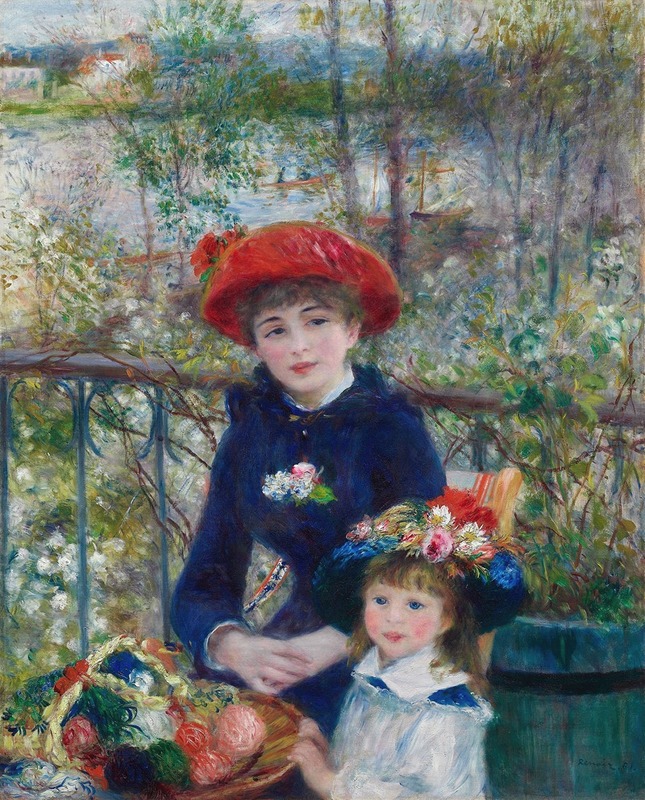
Two Sisters (On the Terrace)
Pierre-Auguste Renoir
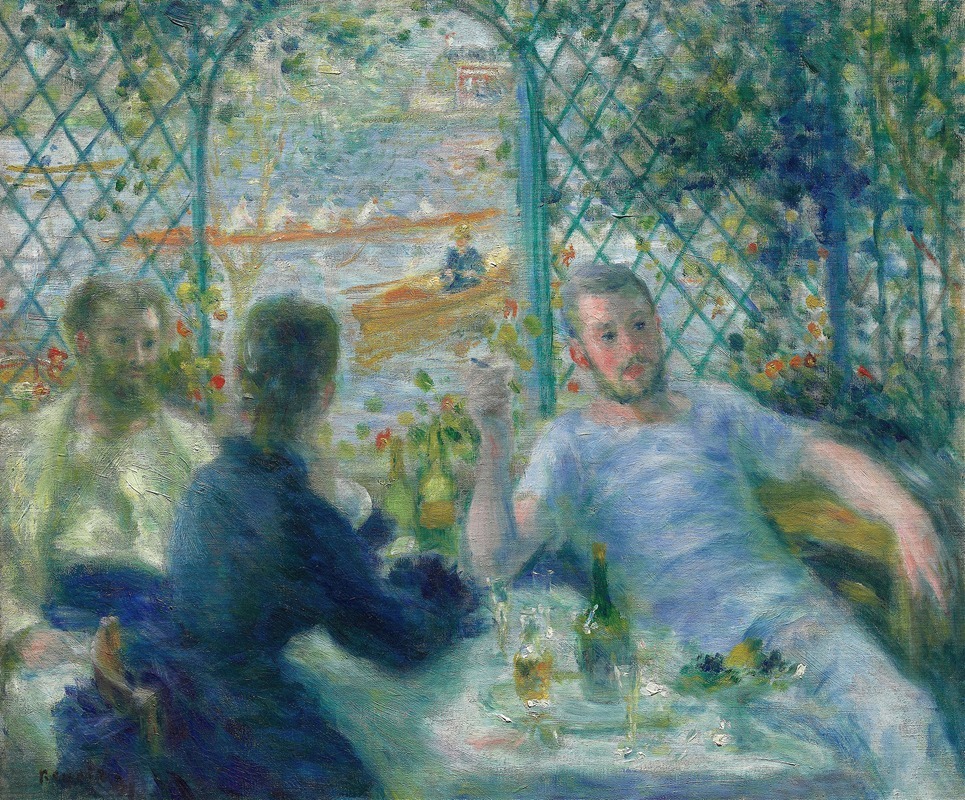
Lunch at the Restaurant Fournaise (The Rowers' Lunch)
Pierre-Auguste Renoir
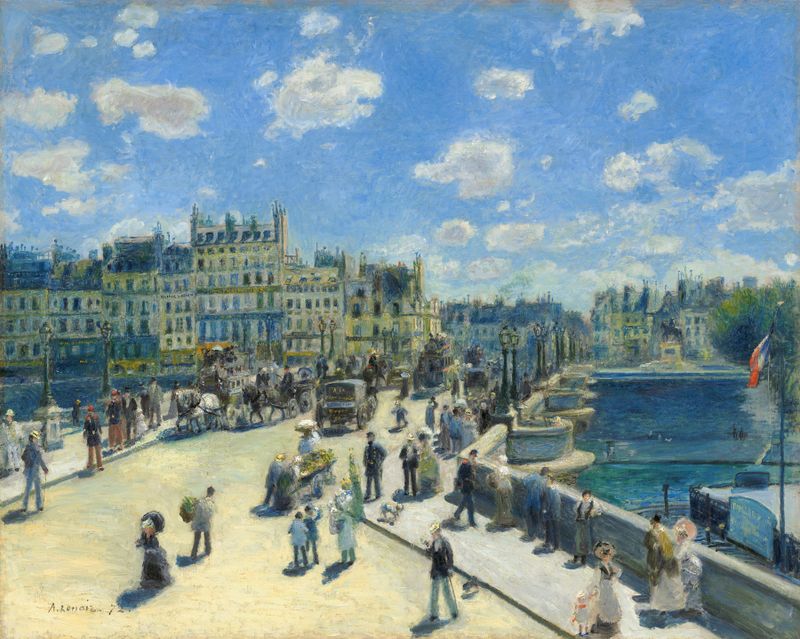
Pont Neuf, Paris
Pierre-Auguste Renoir
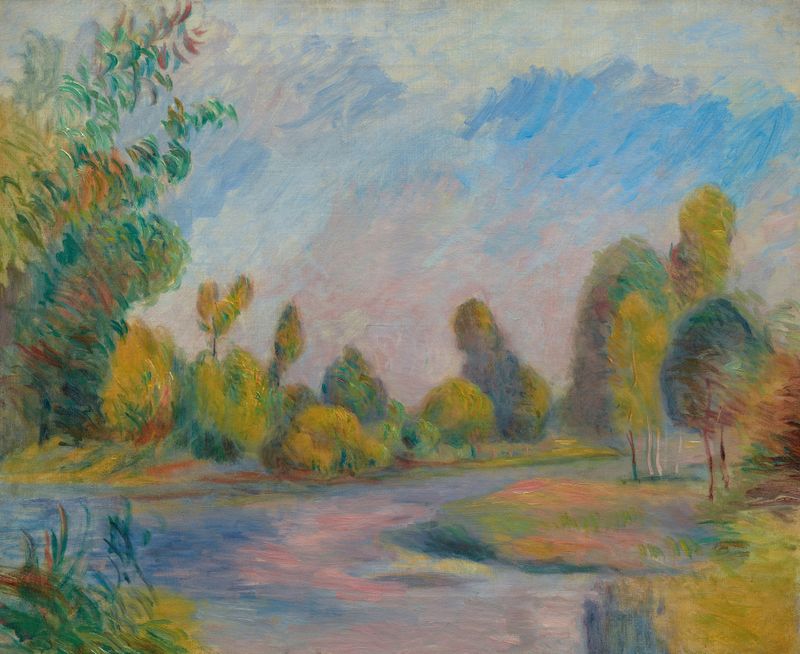
Au bord de la rivière
Pierre-Auguste Renoir

Near the Lake
Pierre-Auguste Renoir
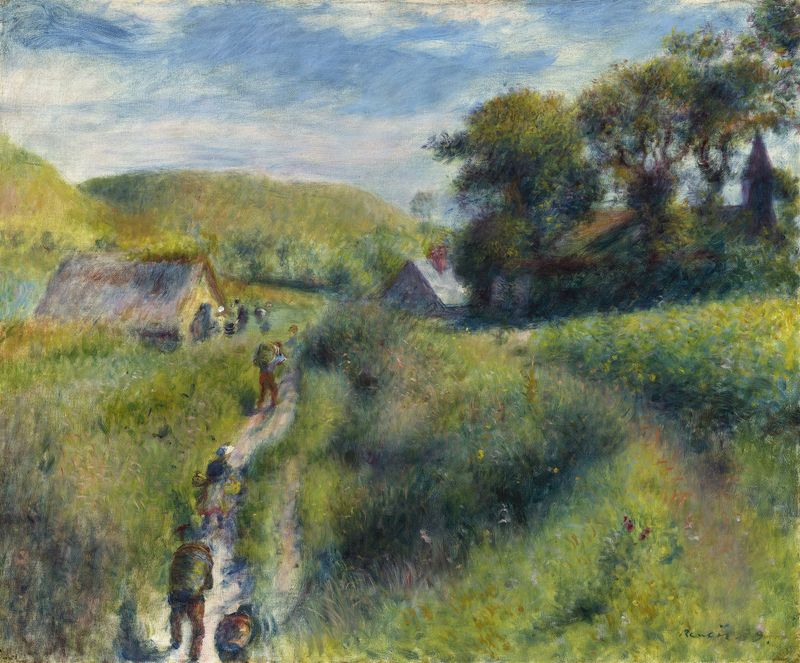
The Mussel Harvest
Pierre-Auguste Renoir

The Seine at Chatou
Pierre-Auguste Renoir
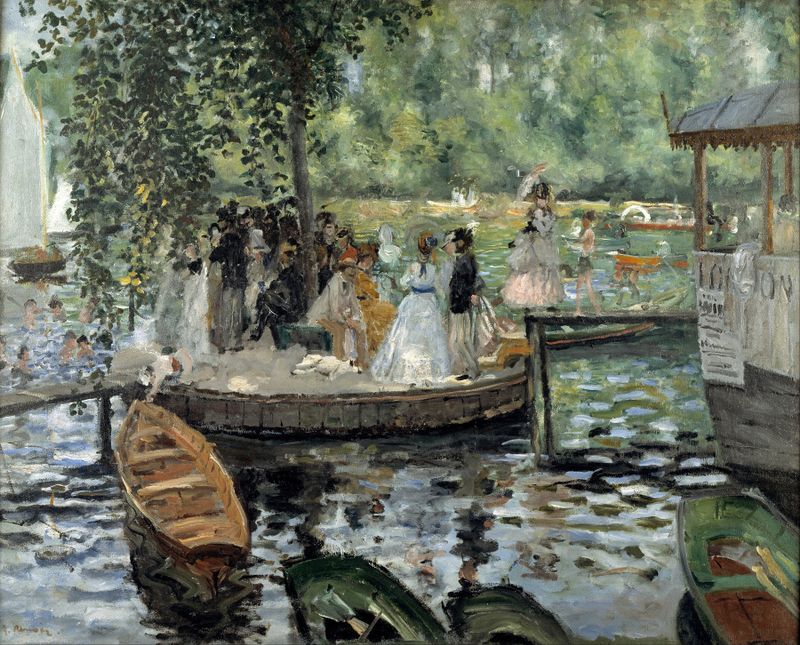
La Grenouillère
Pierre-Auguste Renoir
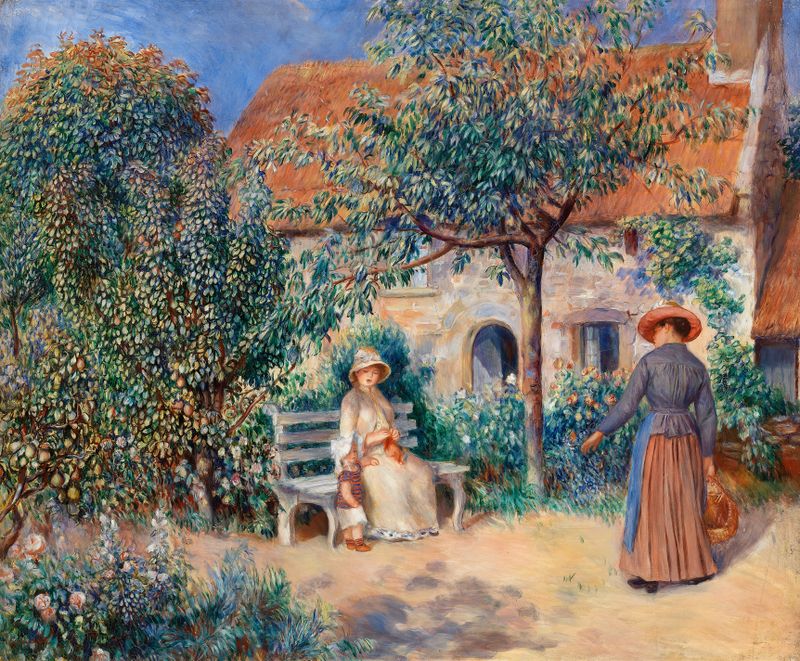
In Brittany (En Bretagne)
Pierre-Auguste Renoir
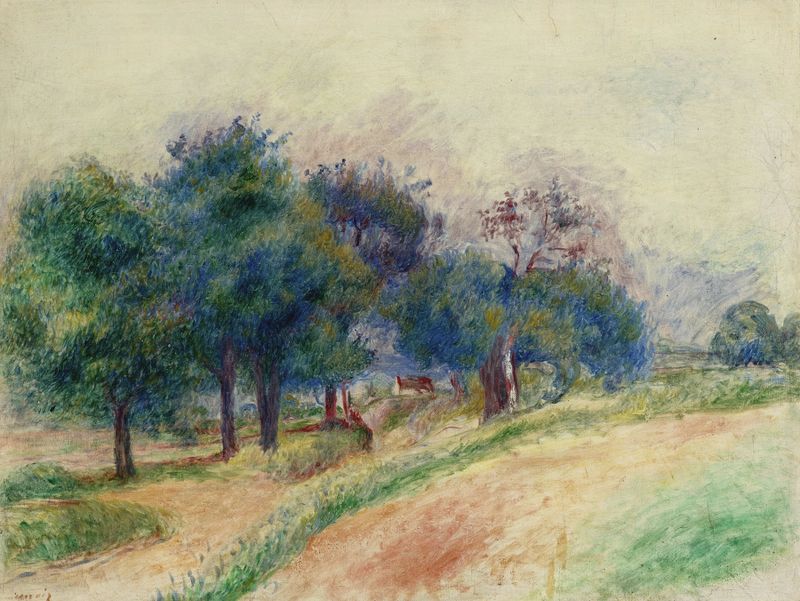
Paysage d’Essoyes
Pierre-Auguste Renoir





