Nemesia (Nemesia fruticans) — History & Facts
What first draws the eye in Nemesia (Nemesia fruticans) by Pierre-Joseph Redouté is the quiet precision with which each leaf and petal is rendered, as if the plant itself is pausing mid-growth to be studied. The slender stems rise with a gentle, natural curve, supporting clusters of pale, almost translucent flowers that open toward the viewer. Each blossom is touched with a hint of yellow at its throat, a detail that gives the composition its focal point and a sense of gentle animation.
Below, a row of delicately inked botanical studies—petals, seeds, and stems—anchors the image in the world of science, reminding us that this is not only a celebration of beauty but also an act of close observation. The white background isolates the plant, allowing every nuance of green and blush pink to stand out, while the careful shading gives the whole a sense of freshness and clarity. This work belongs to a world where art and science were intertwined, and where the illustrated plate was a tool for both discovery and delight. Created in 1839 for the Jardin de la Malmaison, a celebrated botanical publication, this image would have served botanists, gardeners, and curious amateurs alike, offering a precise visual record at a time when photography was still in its infancy.
The artist, Redouté, was renowned for his ability to marry accuracy with grace, and his works were prized by collectors and scientists throughout Europe. History has kept few traces of the individual journey of this particular plate, but its survival in collections like the one in Paris speaks to the enduring appeal of such images—inviting us, even now, to look closer and see anew.
More Artworks by Pierre-Joseph Redouté
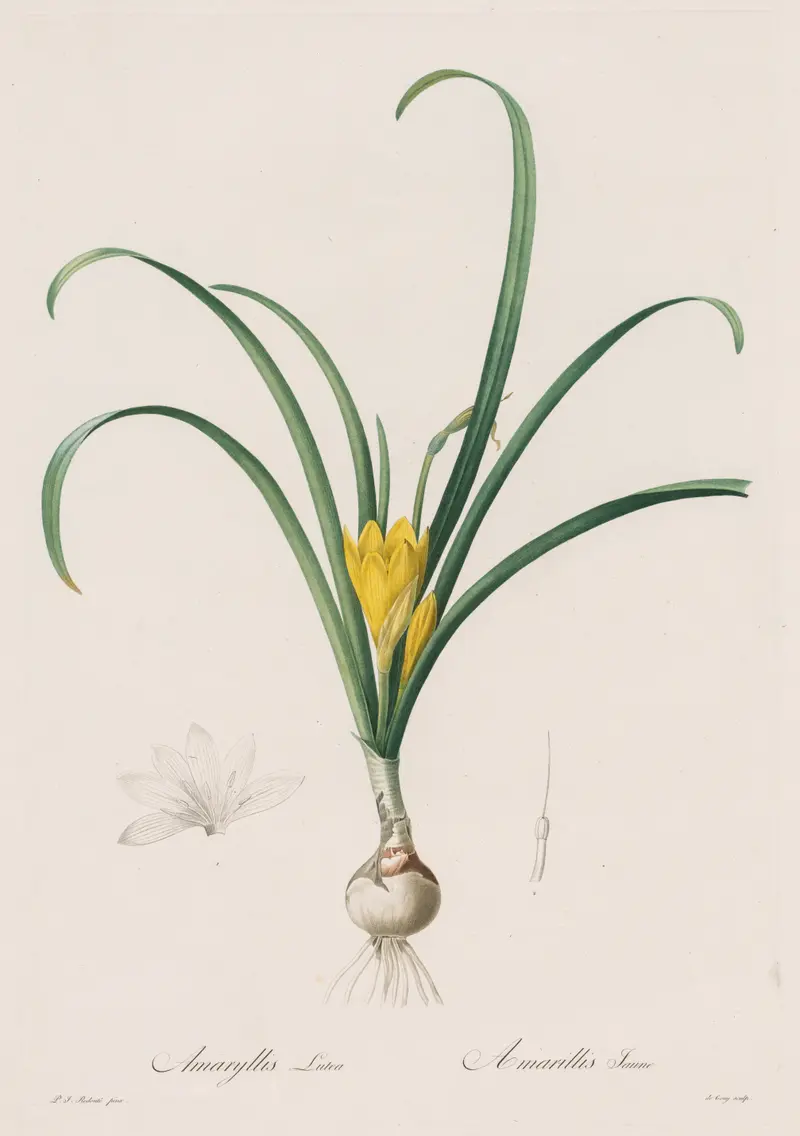
Amaryllis lutea (Les Liliacées)
Pierre-Joseph Redouté
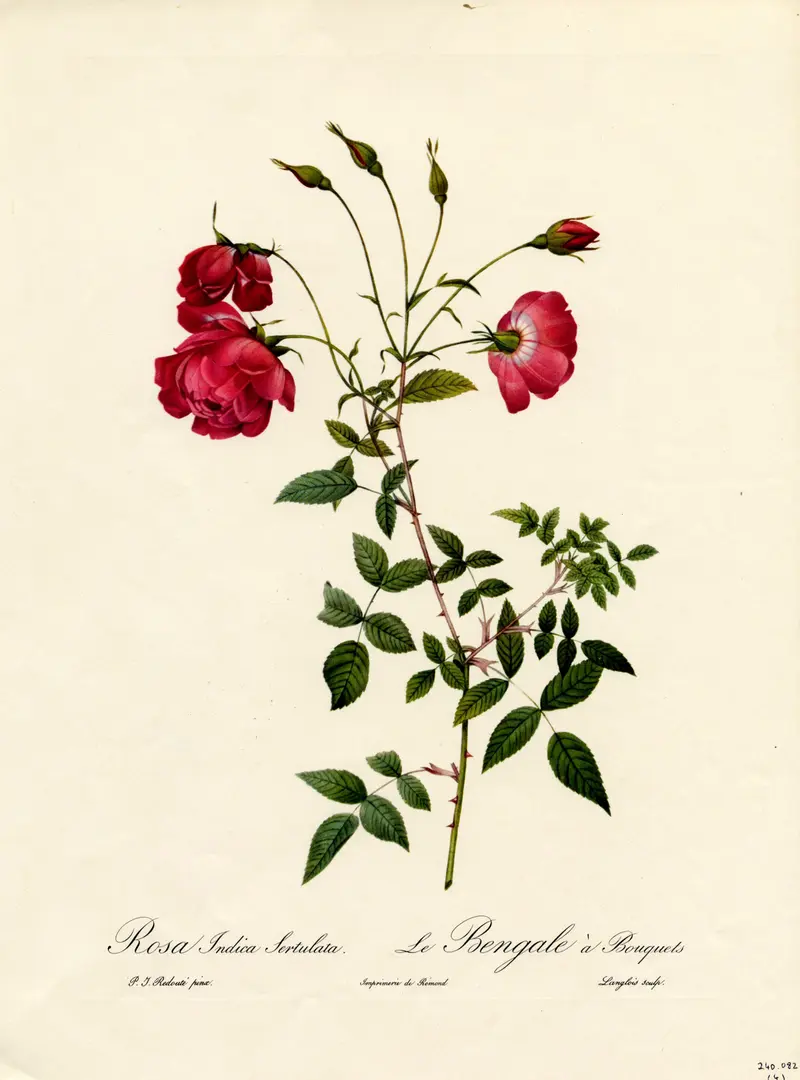
Rosa Indica Sertulata (Bengal Rose)
Pierre-Joseph Redouté

Rosa Centifolia Foliacea
Pierre-Joseph Redouté
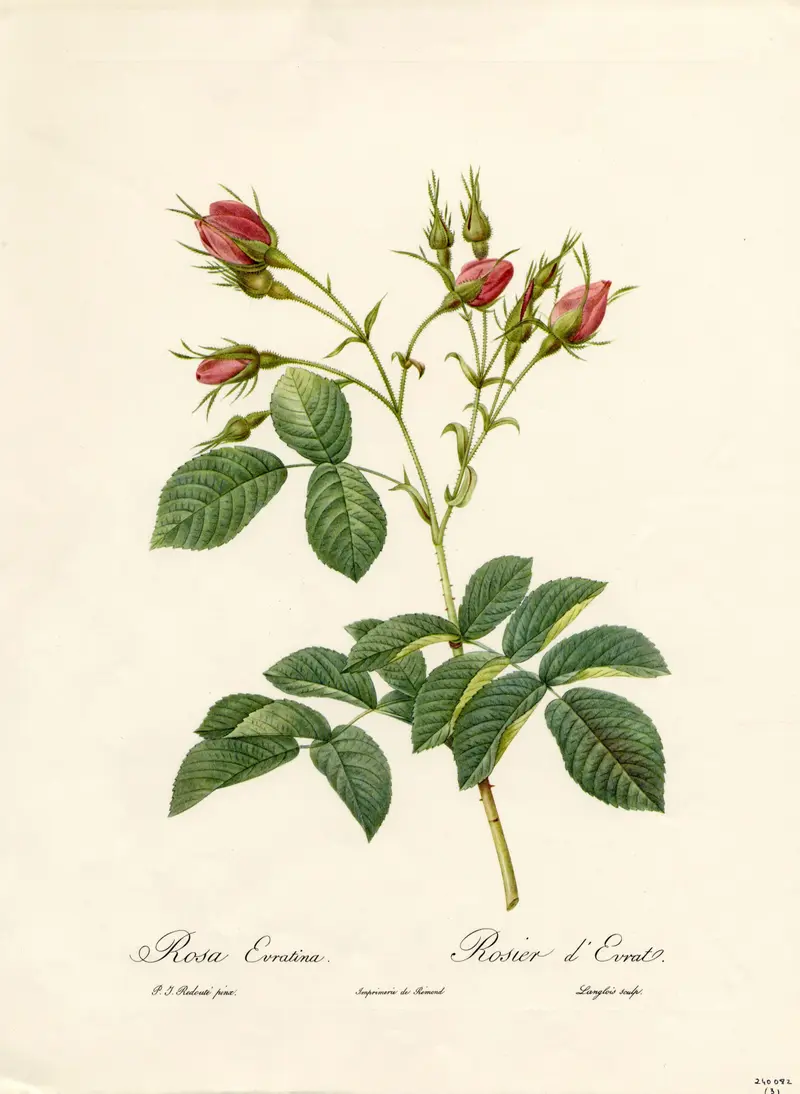
Rosa Evratina (Evrat's Rose)
Pierre-Joseph Redouté
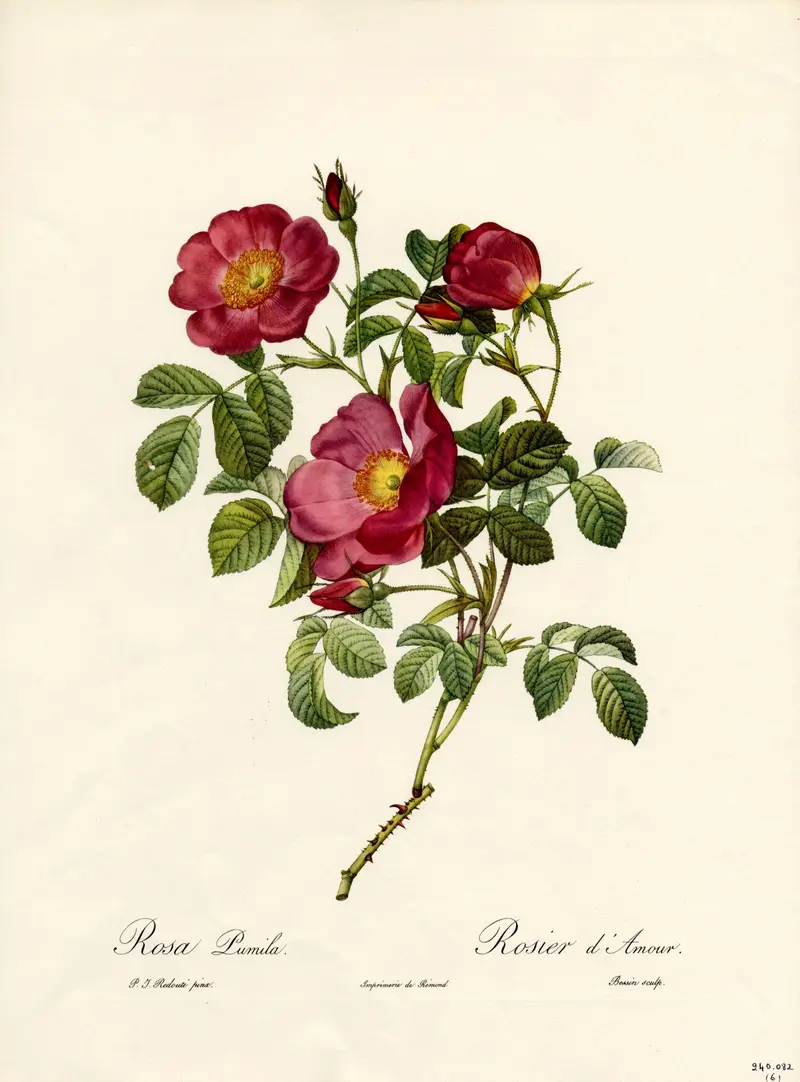
Rosa Pumila (Love Rose)
Pierre-Joseph Redouté
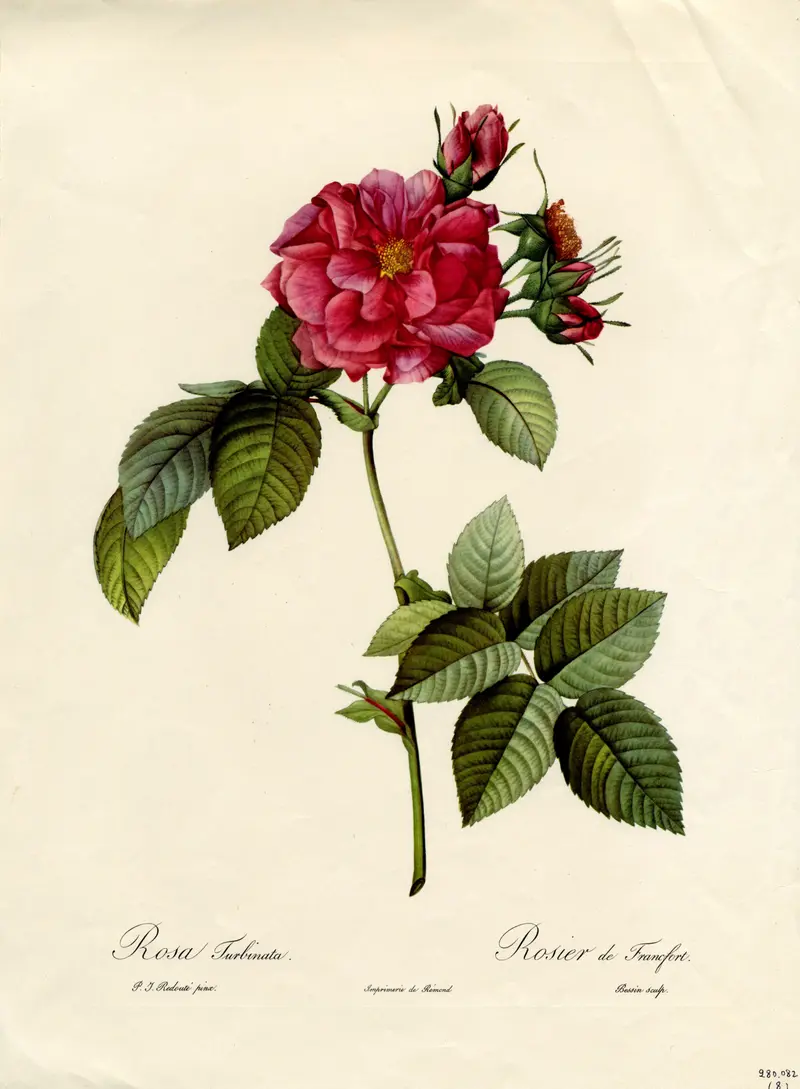
Rosa Turbinata (Frankfurt Rose)
Pierre-Joseph Redouté

Rosa Multiflora Carnea
Pierre-Joseph Redouté

Rosa Damascena Aurora
Pierre-Joseph Redouté
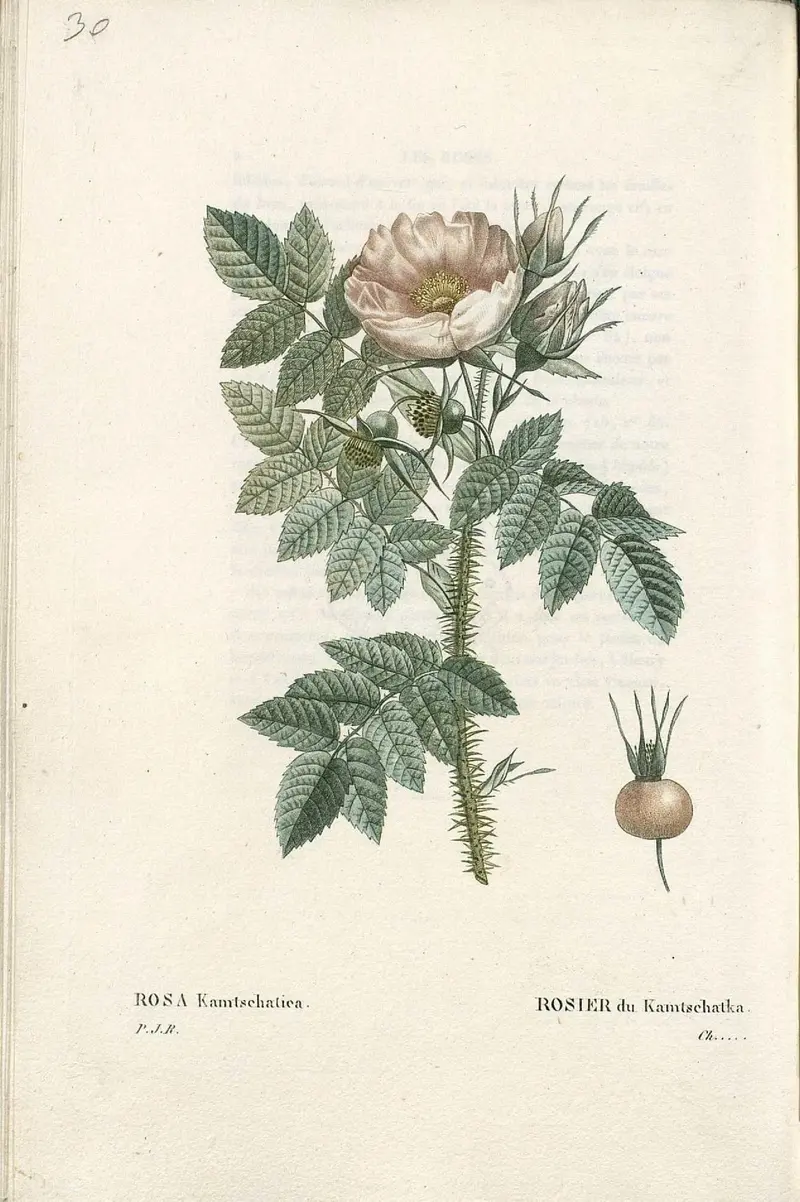
Rosa Kamtchatica (Kamchatka Rose)
Pierre-Joseph Redouté
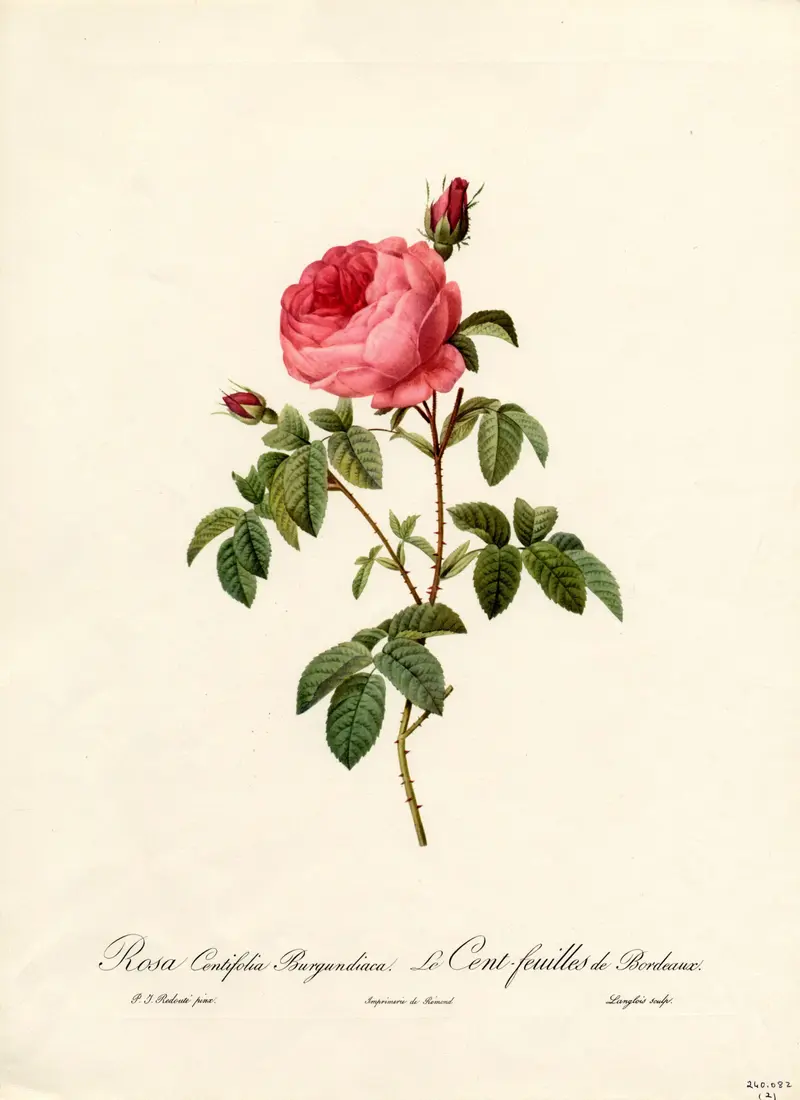
Rosa Centifolia Burgundiaca (Burgundy Rose)
Pierre-Joseph Redouté