
Neubrandenburg in Flames — History & Facts
What first catches the eye in Neubrandenburg in Flames is not the city’s silhouette, but the way light itself seems to burst from behind the towers—rays of yellow and violet slicing through the sky, as if the heavens are parting to reveal the drama below. The city, distant and almost spectral, rises from the landscape like a vision summoned by memory or dream. A winding track leads the viewer’s gaze across the fields, past mounds of earth, straight toward the city’s heart.
The clouds, tinged with lavender and gold, gather around the spires, their shapes echoing the flames that the title promises but the image only hints at. The whole scene is charged with anticipation: the city is both protected and threatened by the very light that illuminates it. Painted in the 1830s, this work belongs to the era when artists like Caspar David Friedrich turned landscapes into meditations on history, faith, and the fate of nations. In the age of Romanticism, such images were rarely straightforward records; instead, they became stages for the imagination, commissioned by collectors who sought not just beauty but meaning.
The city of Neubrandenburg, rendered here with a sense of both reverence and distance, may have held personal significance for the artist, yet history has kept few traces of this particular painting’s early journey. Today, its quiet intensity invites us to look again—not just at the city, but at the light that transforms it, and at the uncertain boundary between destruction and hope.
More Artworks by Caspar David Friedrich
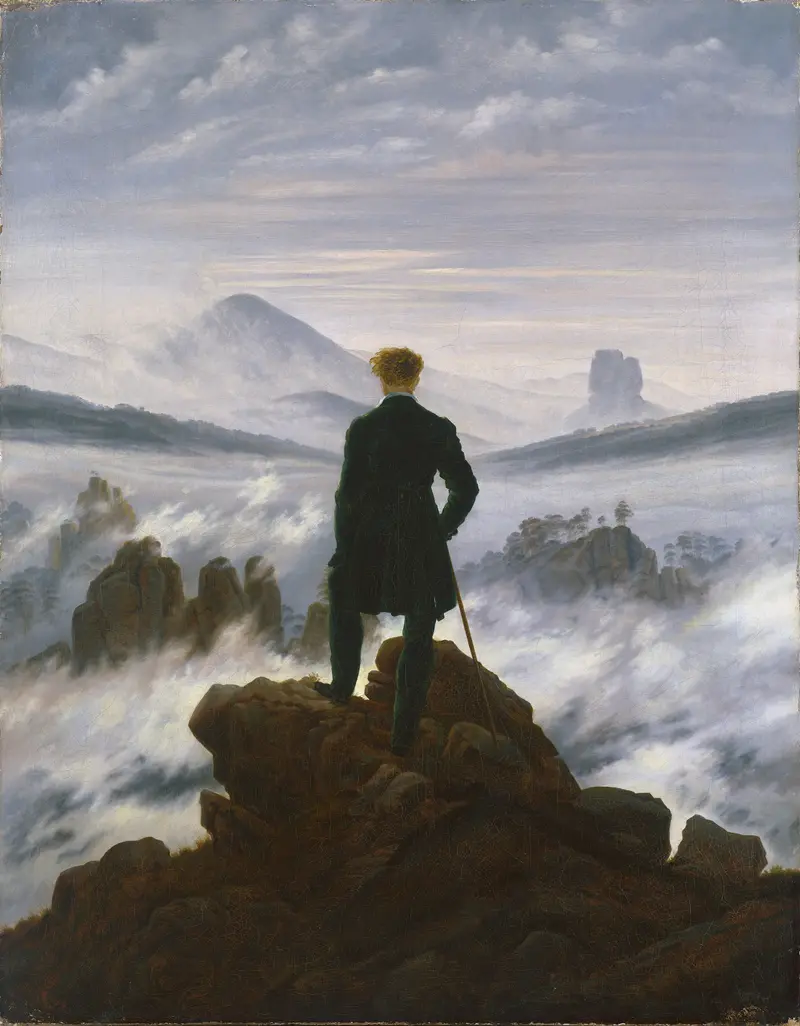
Wanderer above the Sea of Fog
Caspar David Friedrich

The Sea of Ice
Caspar David Friedrich
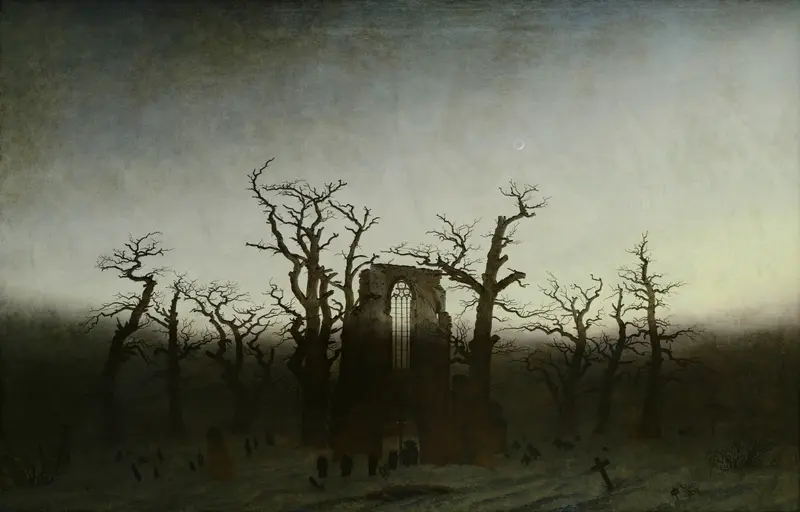
The Abbey in the Oakwood
Caspar David Friedrich
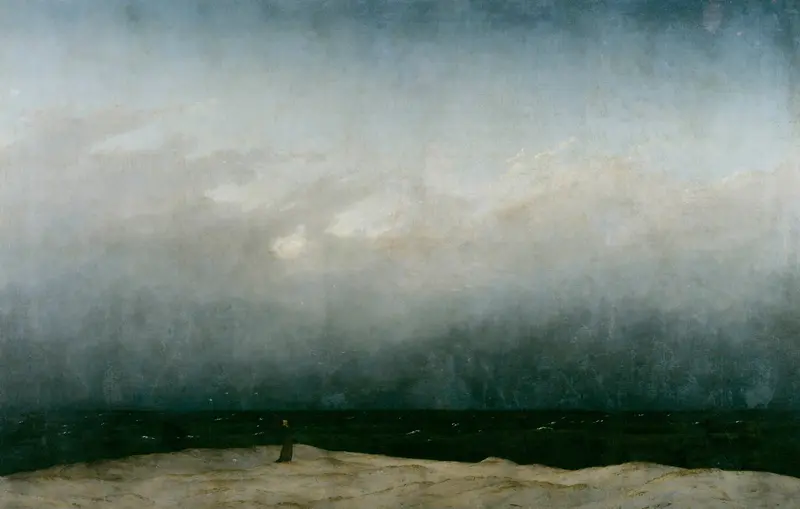
The Monk by the Sea
Caspar David Friedrich
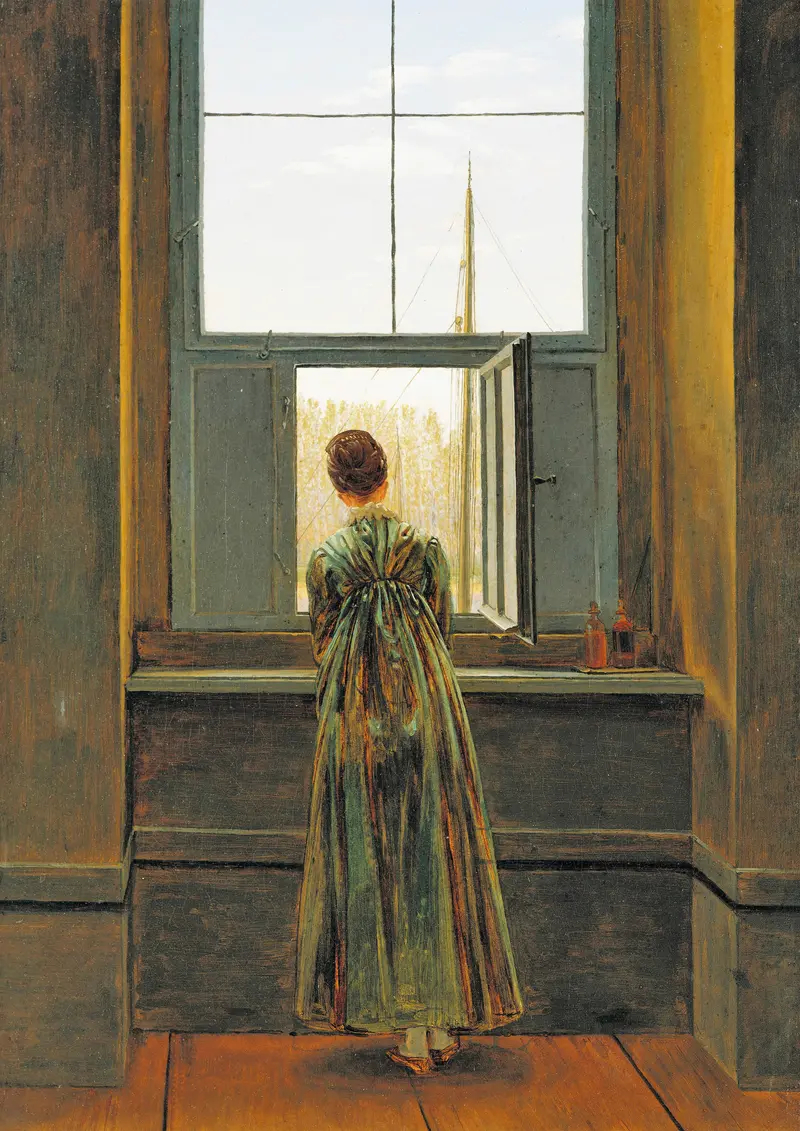
Woman at a Window
Caspar David Friedrich
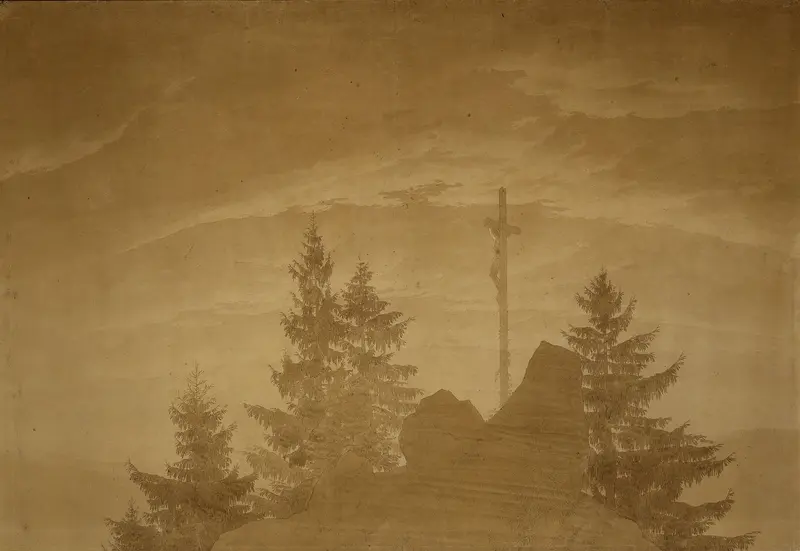
Cross in the Mountains
Caspar David Friedrich
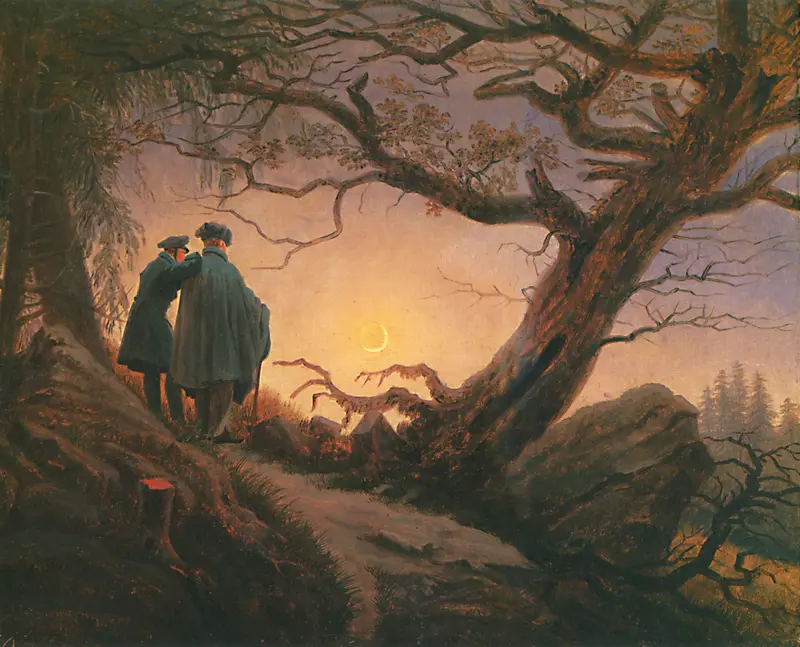
Two Men Contemplating the Moon
Caspar David Friedrich
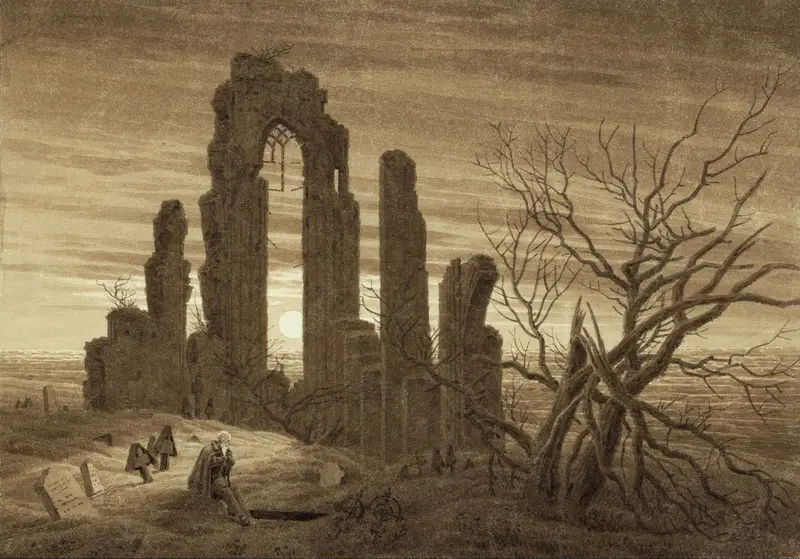
Winter – Night – Old Age and Death (from the times of day and ages of man cycle of 1803)
Caspar David Friedrich
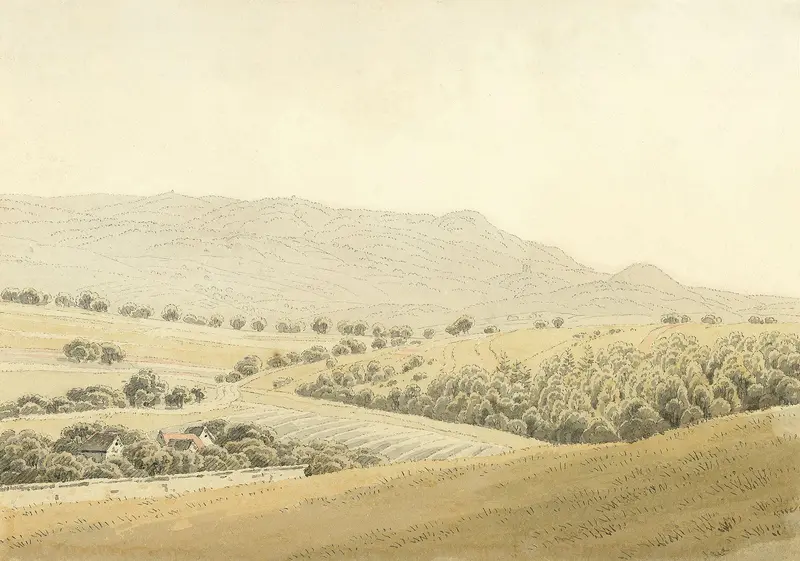
Mittelgebirgslandschaft
Caspar David Friedrich

Landschaft mit gebirgsee, morgen
Caspar David Friedrich
More Landscape Art

The Starry Night
Vincent van Gogh

View of Delft
Johannes Vermeer

Water Lilies
Claude Monet

The Grand Canal, Venice, looking north-west from the Ca' Corner to the Ca' Contarini degli Scrigni, with the campanile of Santa Maria della Carità
Canaletto

Windsor Castle
Canaletto

The Grand Canal looking North-East from the Palazzo Dolfin-Manin to the Rialto Bridge
Canaletto