
Neuenegg — History & Facts
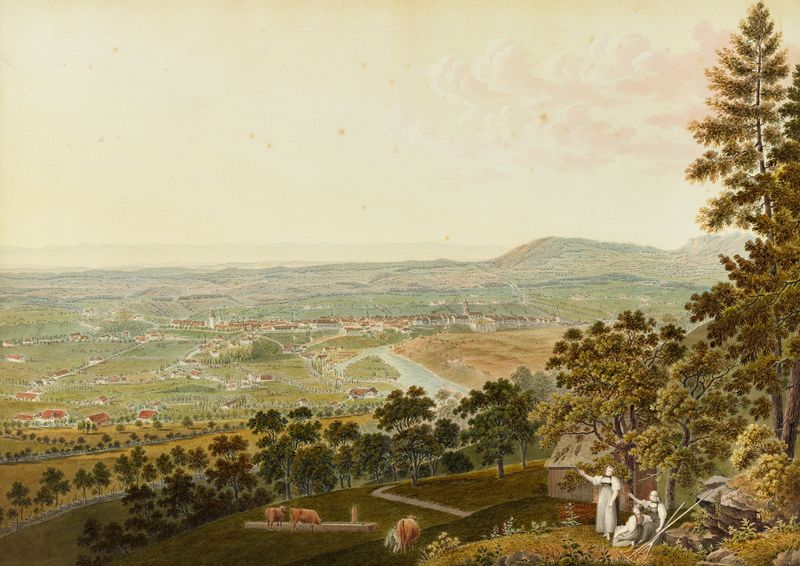
Could beauty survive in a century of chaos? This evocative question echoes through the essence of art, a truth interwoven with the fabric of existence itself. To appreciate the complexity of Neuenegg, first, focus on the serene landscape that unfolds before you. The gentle undulations of the hills draw your gaze, leading you through a harmonious blend of blues and greens. Notice how the soft light bathes the scene, lending a sense of tranquility that contrasts starkly with the tumultuous world outside its frame.
The deliberate brushstrokes create a textured surface that invites touch, while the balance of light and shadow evokes a sense of peace amid uncertainty. Hidden within this idyllic setting are subtle tensions—perhaps a longing for stability, a yearning for connection, or a fleeting moment of reflection amidst despair. The winding path, seemingly inviting, suggests a journey, yet it also hints at solitude. Each element, from the solitary figure in the distance to the whisper of clouds above, encapsulates an emotional landscape that speaks of resilience and the quest for meaning in turbulent times. The work emerged when the artist was navigating an ever-evolving artistic landscape, with movements of Romanticism and Realism shaping contemporary thought.
While the specific date remains unknown, it is clear that in creating Neuenegg, Weibel sought solace in the natural world, countering the chaos of the early 20th century with a vision of enduring beauty and truth.
More Artworks by Jakob Samuel Weibel
Browse all →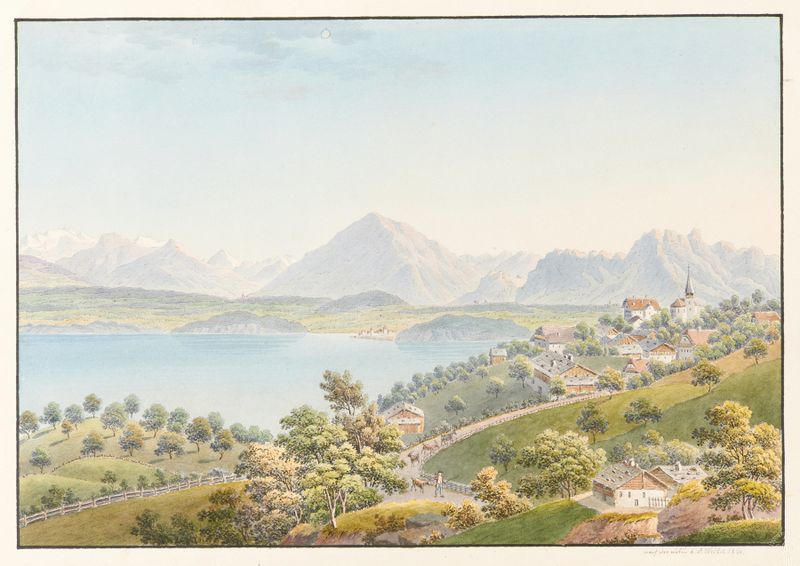
Vue dessiné depuis le Village de Sigriswil, audessus du Lac de Thoune
Jakob Samuel Weibel
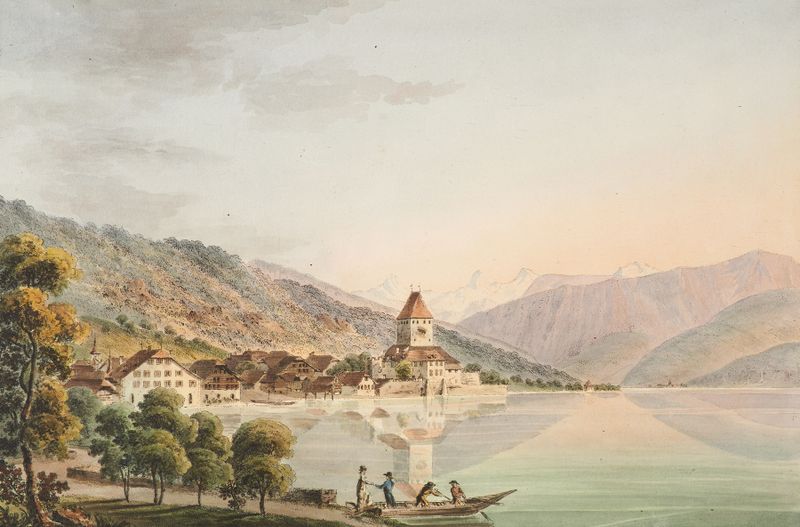
Vûe du Chateau d’Oberhofen au Lac de Thoune
Jakob Samuel Weibel
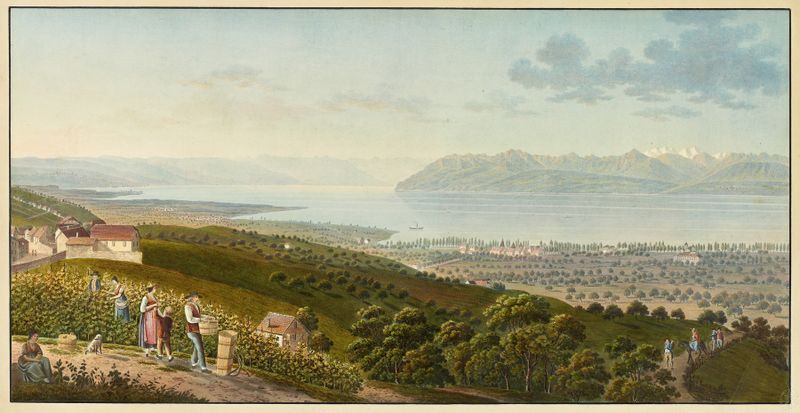
Vue genérale du Lac de Geneve
Jakob Samuel Weibel
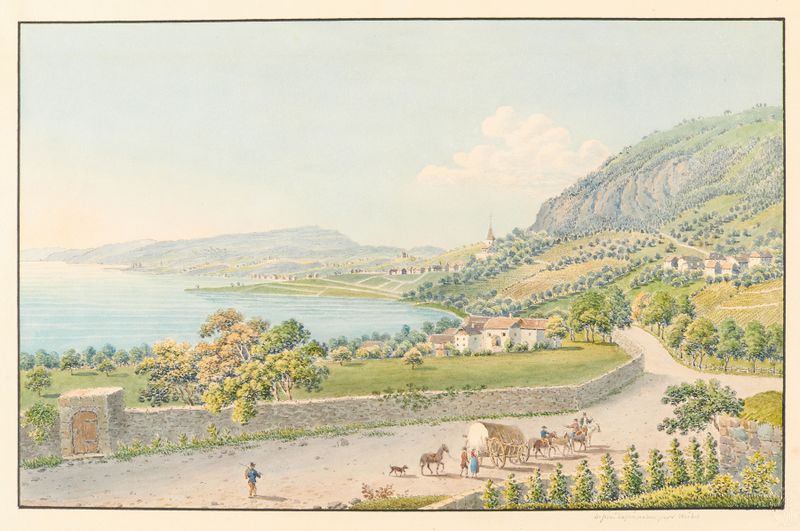
Vue des environs de Montreux et de Clarens
Jakob Samuel Weibel
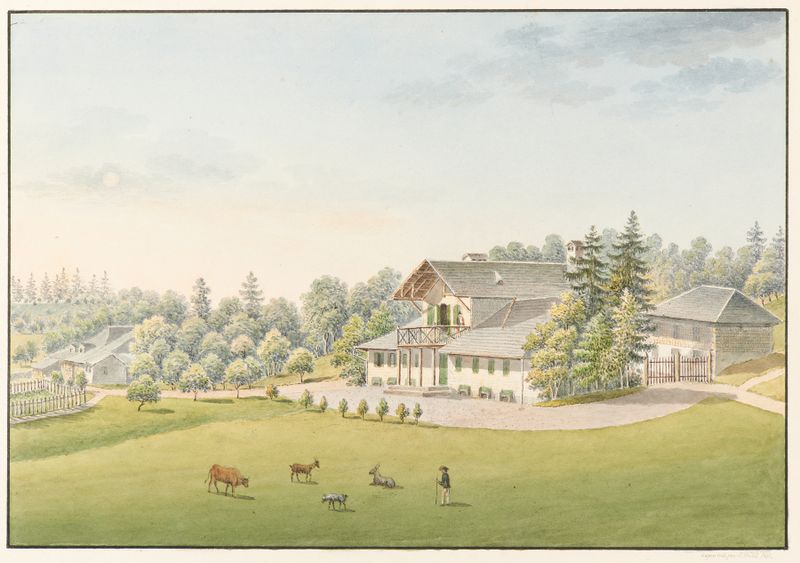
Vue du nouveau Châlet de Vernand
Jakob Samuel Weibel
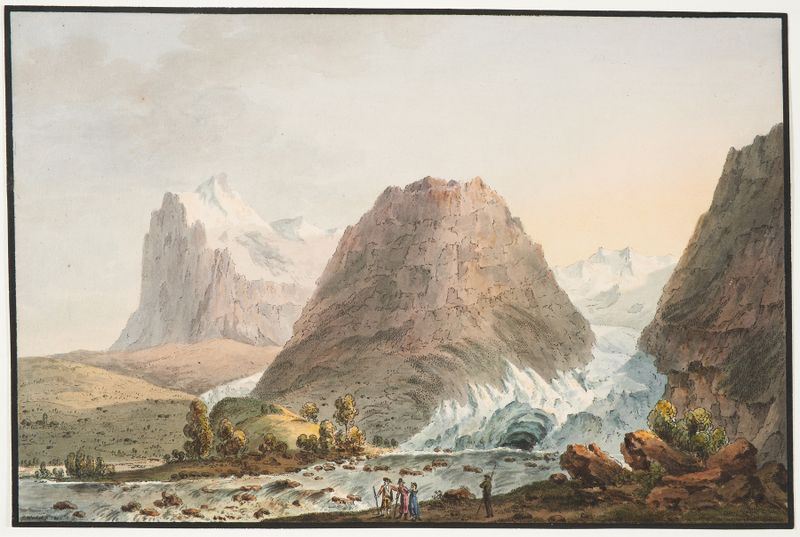
Vûe des Glacieres de Grindelwald
Jakob Samuel Weibel
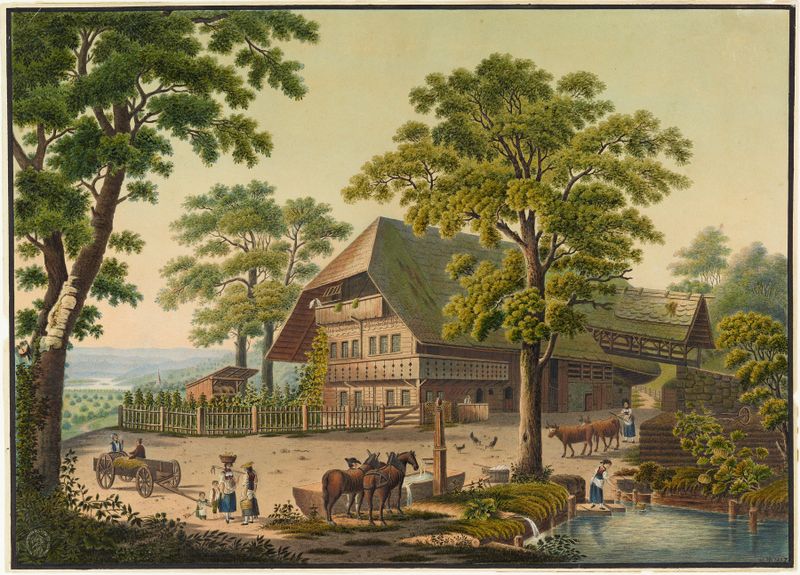
Maison de paysan près Wichtrach
Jakob Samuel Weibel
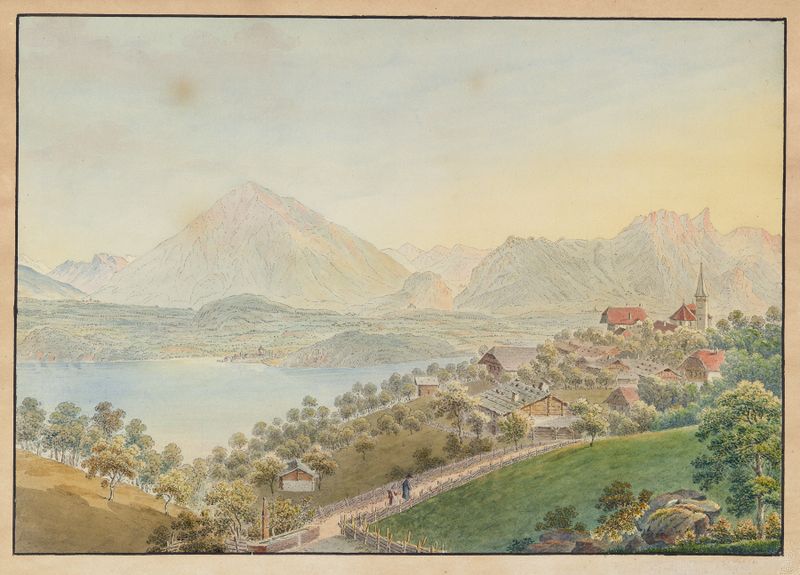
Ansicht von Sigriswil mit Niesen und Thunersee
Jakob Samuel Weibel
Ansicht Berns und der Aare vom Gurten aus
Jakob Samuel Weibel

Lausanne Ville capitale du Canton de Vaud
Jakob Samuel Weibel





